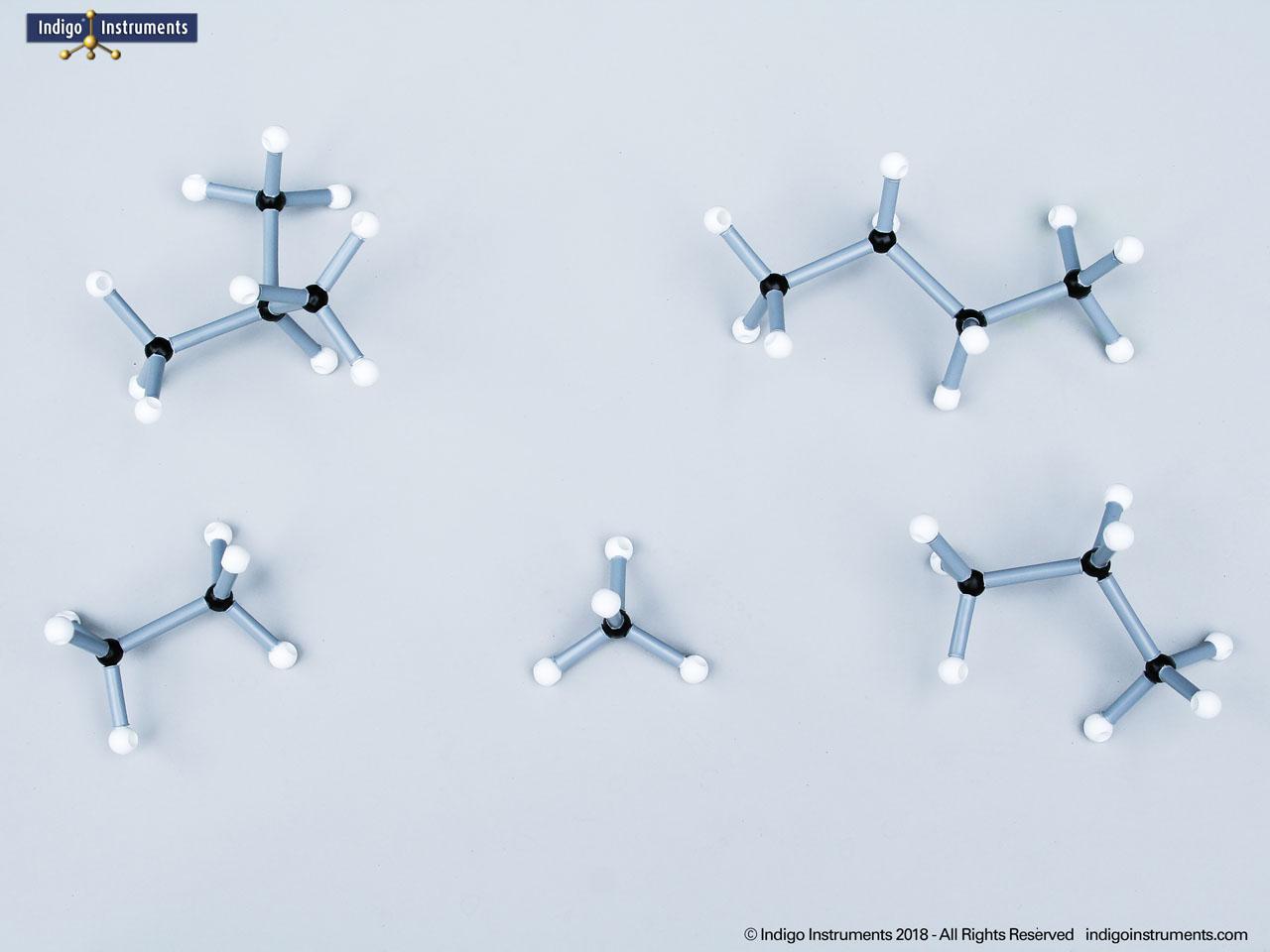
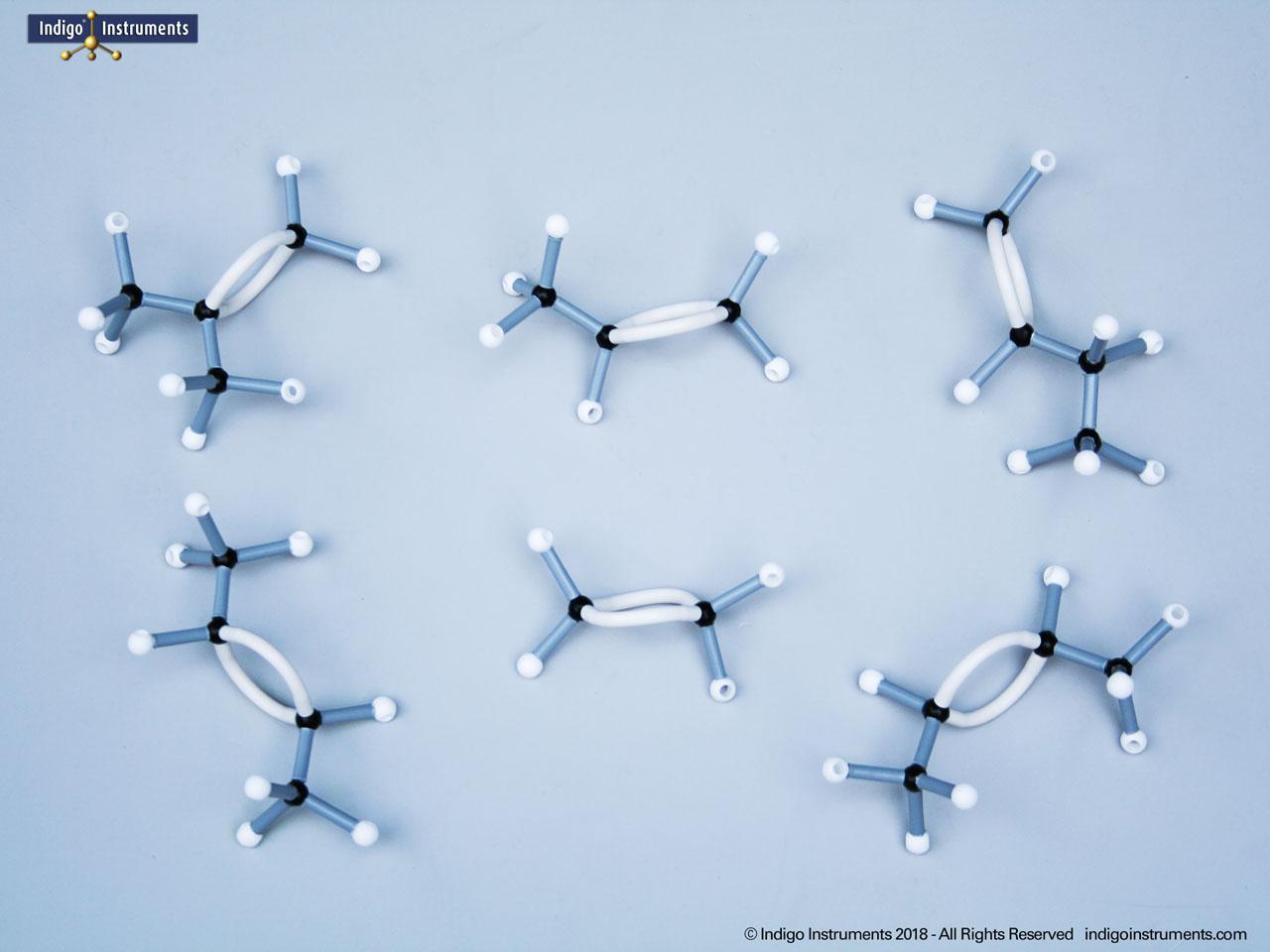
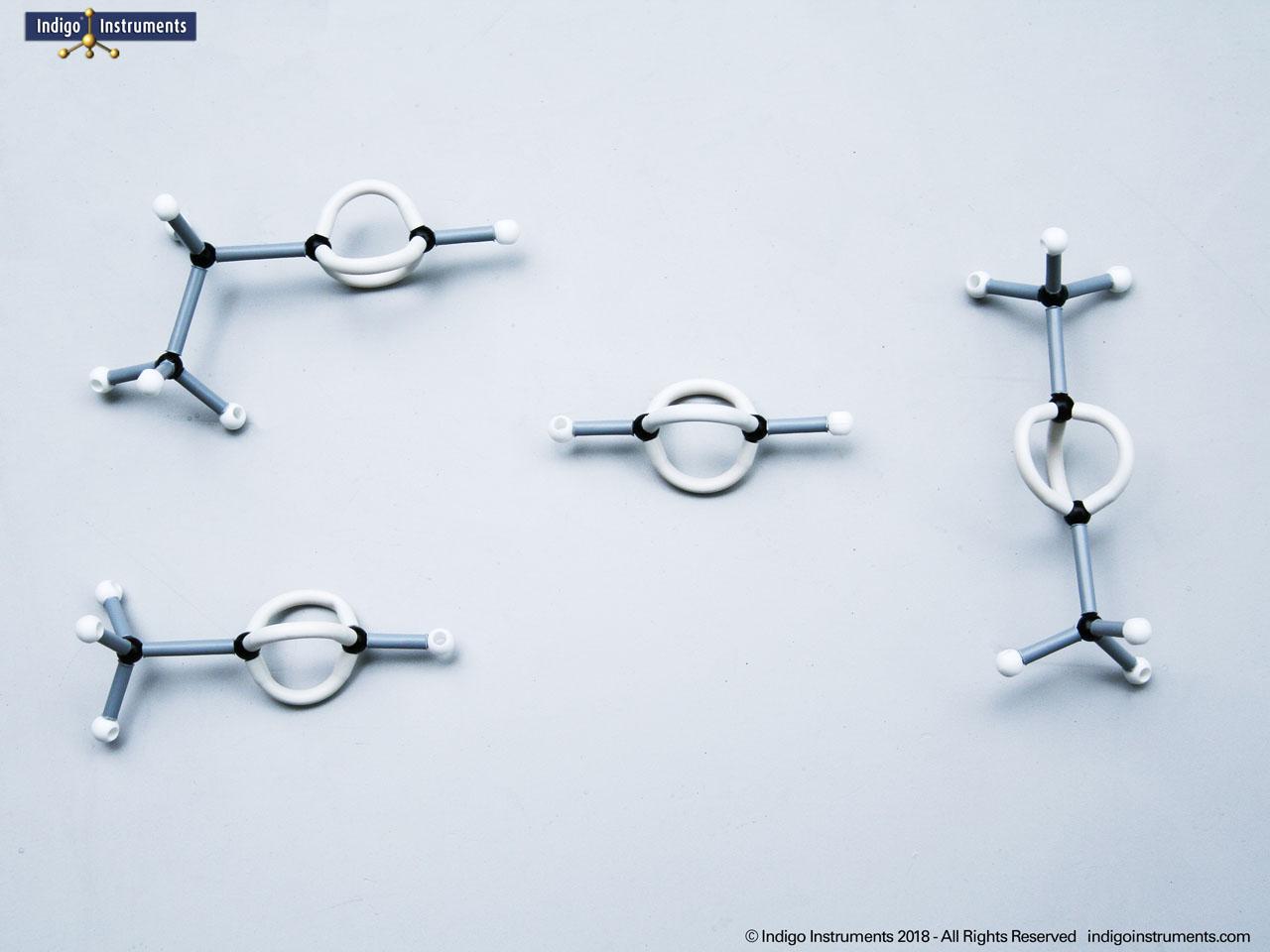
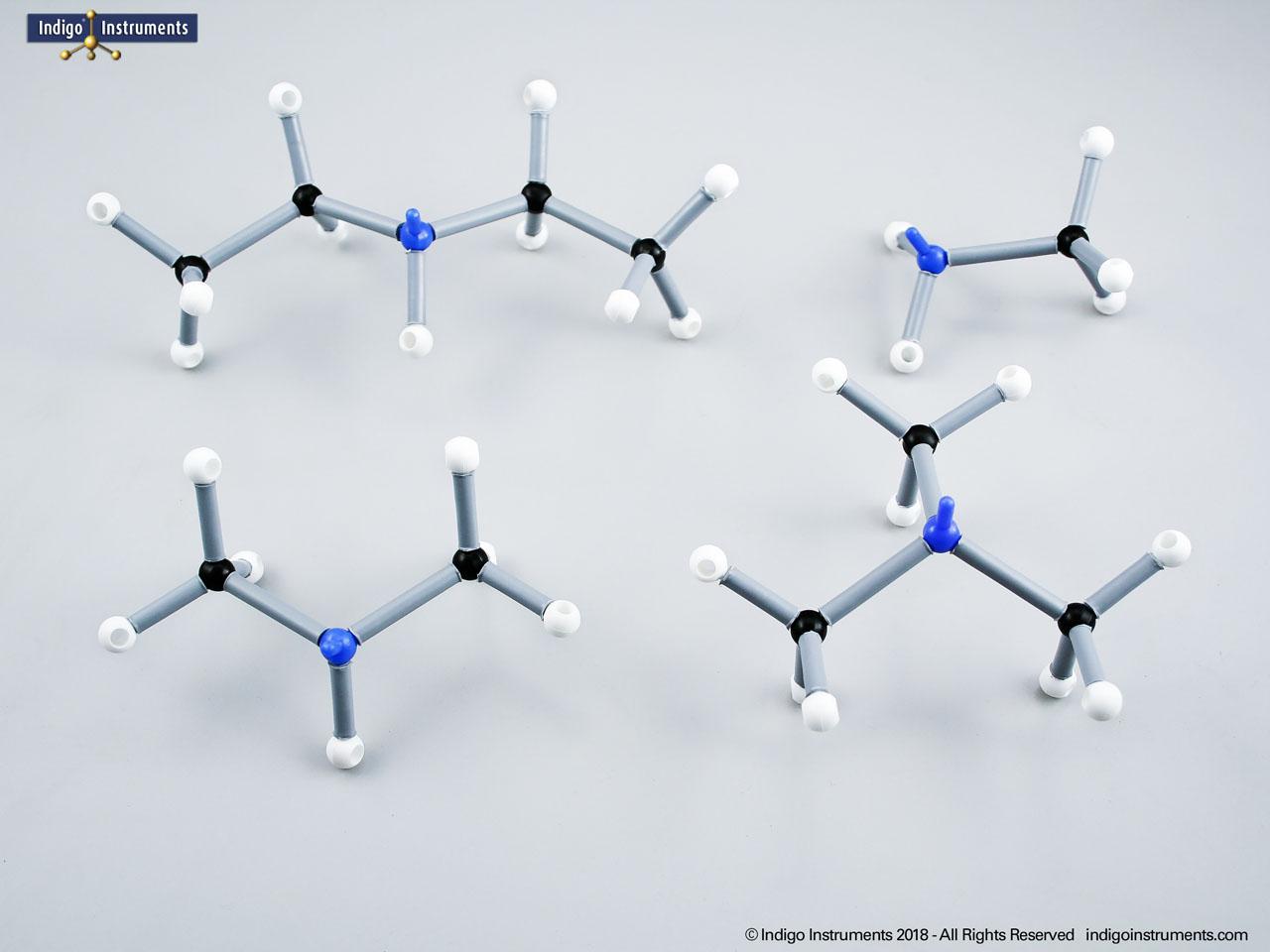
Amide Functional Group Molecule Structure

SKU: 68845NV

$17.00USD or lower Each

Save More When You Buy More!
Quantity1+10+ 100+ 
Price for each$17.00USD$16.30USD$15.90USD
Your savings - 4.12%6.47%
Qty:
[5]   5 Reviews    | Write a Review

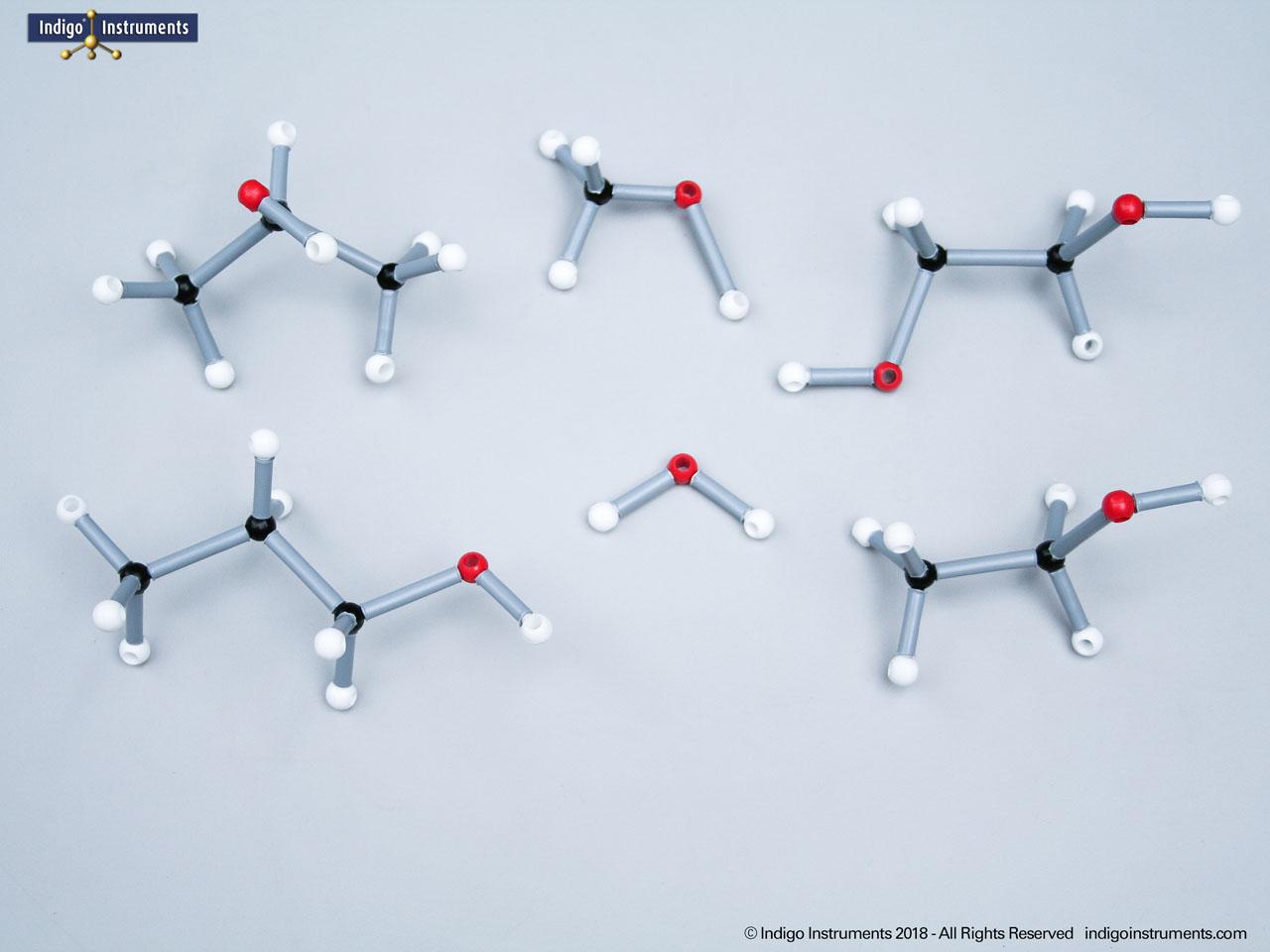
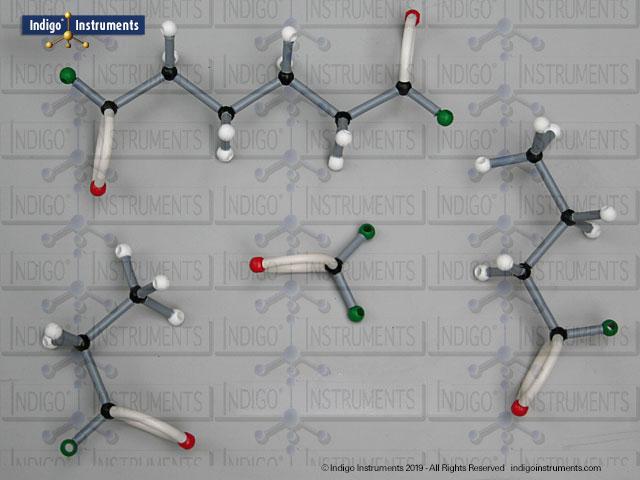
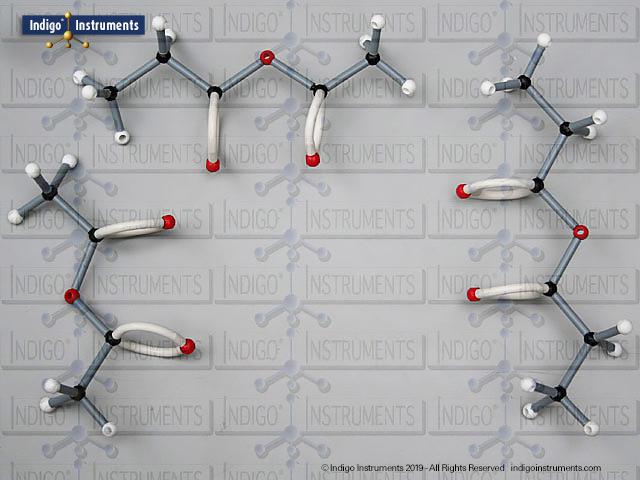
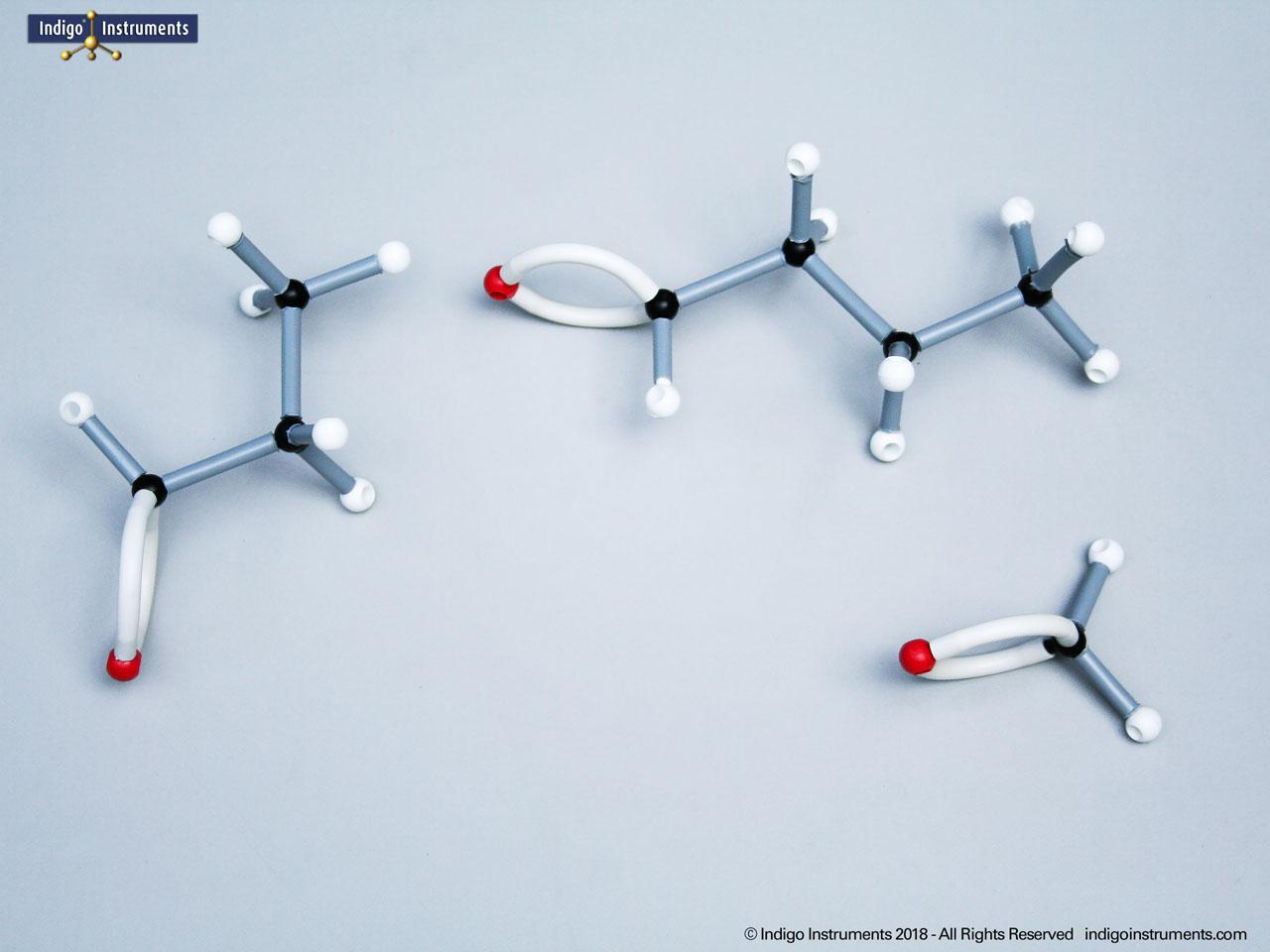
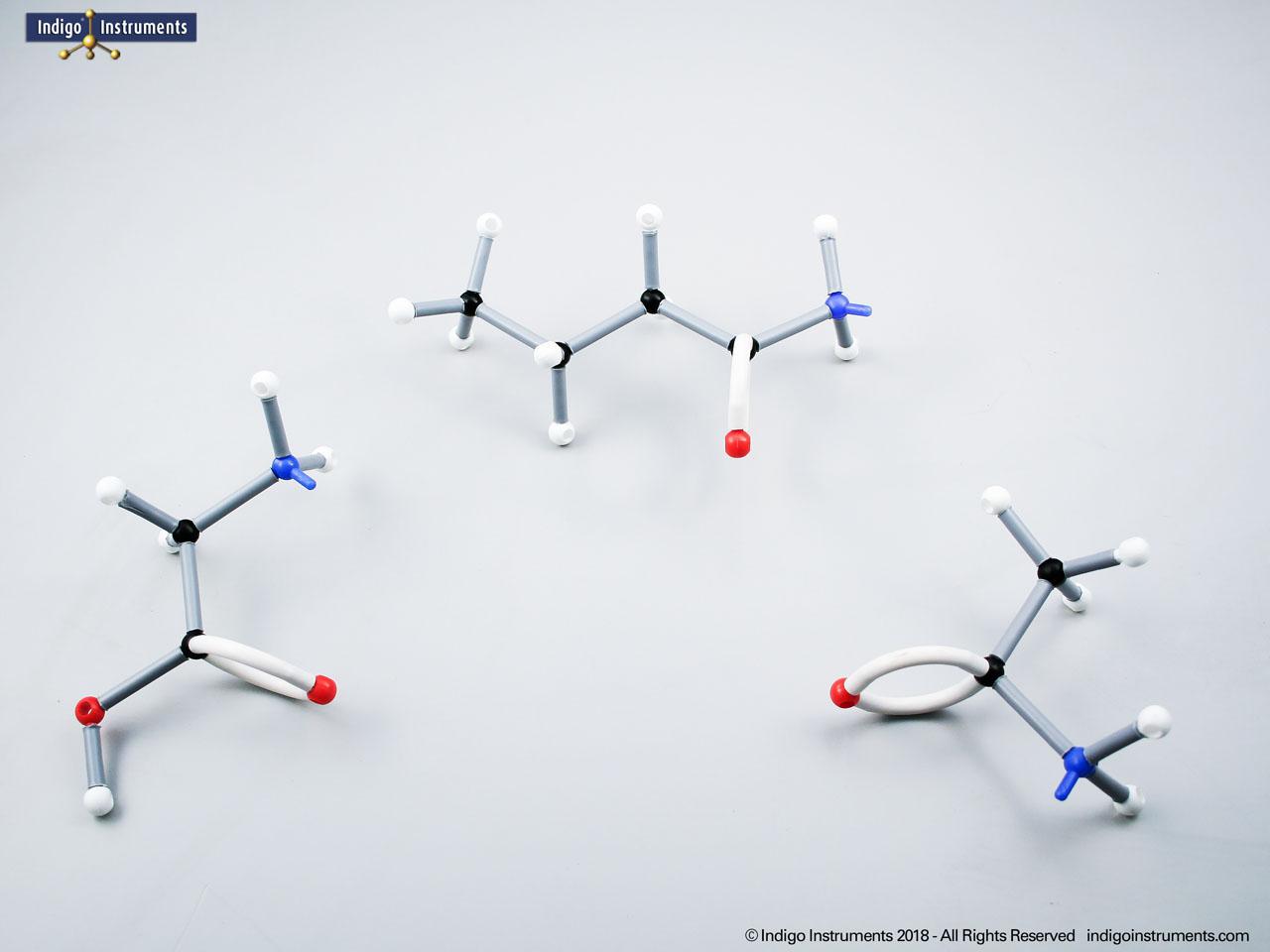
Learn about the amide functional group, its structure, reactivity with Orbit molecular models to make amide chemistry easy to visualize.

Amides are an essential functional group in both organic chemistry and biochemistry, linking carboxylic acids to amines through a carbon–nitrogen bond. They are central to peptide bonds in proteins, making them a core focus for biology, medicine, and nursing students, while also being studied for their synthetic and industrial applications in chemistry. Amide molecular models help students visualize molecular geometry, understand resonance stabilization, and connect structure to biological function. Whether preparing for the MCAT, studying organic synthesis, or examining protein structure, understanding the role of amides is important.

What Different Students Need to Know About the Amide Functional Group

Compound Chemistry Focus Biology / Medicine / Nursing Focus
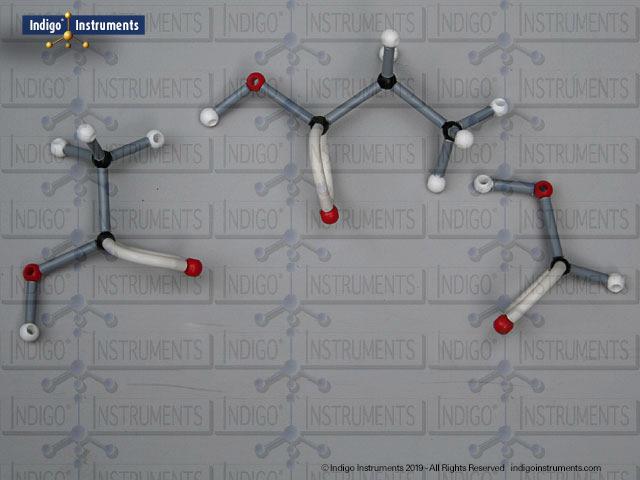
Acetamide Simplest amide structure, used to teach resonance stabilization and hydrogen bonding; comparison with esters to illustrate C=O reactivity differences. Occasionally present in metabolic intermediates; useful for illustrating solubility and low toxicity of small amides.
Formamide Smallest amide; key for studying intermolecular hydrogen bonding and polar aprotic solvent behavior. Used experimentally in denaturing nucleic acids; relevance in lab safety due to toxicity.
Urea Resonance and delocalization; role in nitrogen cycle chemistry; example of a symmetrical diamide. Central to mammalian nitrogen excretion; medical importance in kidney function tests and dialysis.
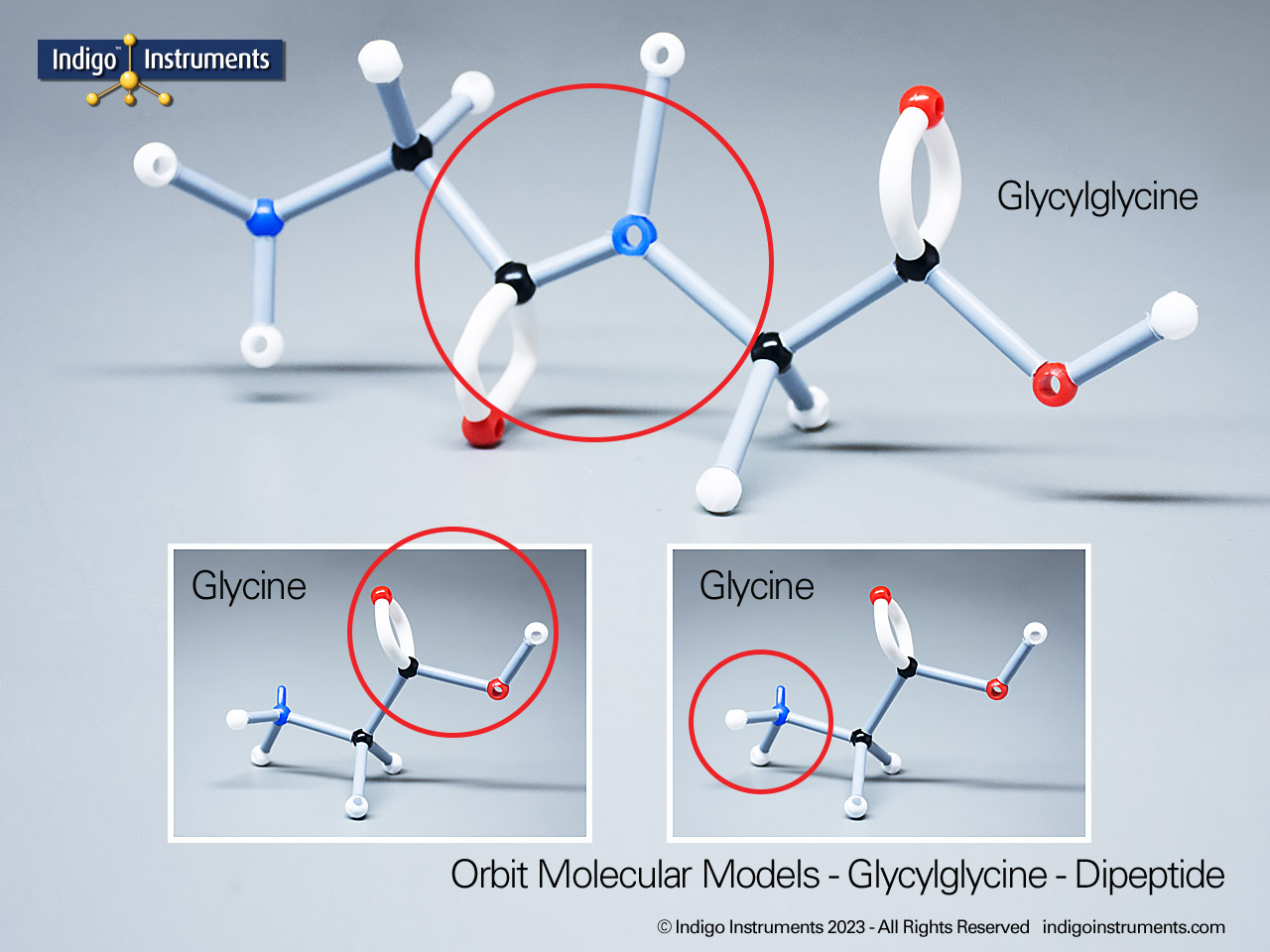
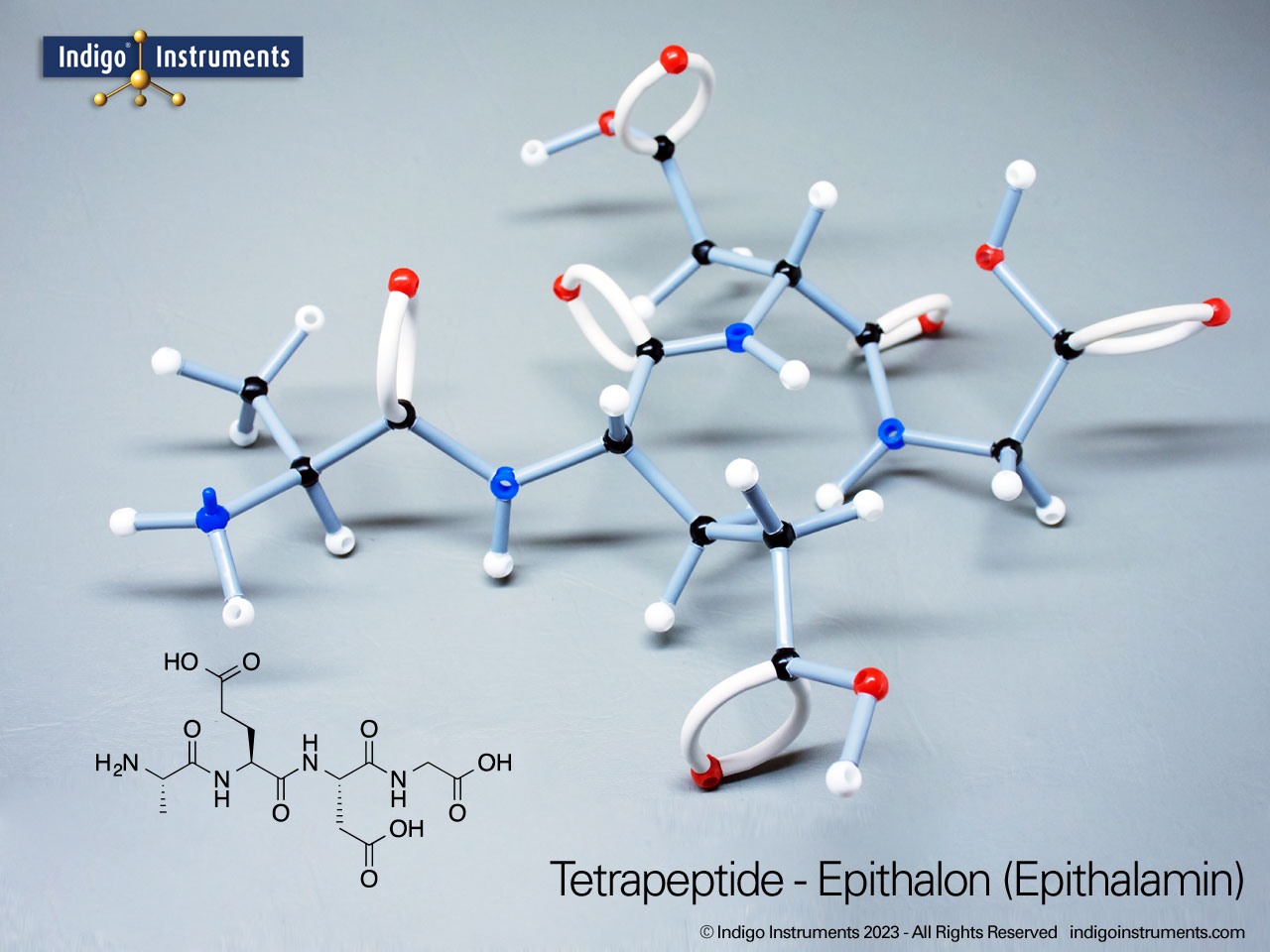
Peptide bonds (–CONH–) Model for step-growth polymerization and condensation reactions; central example in biopolymers. Fundamental linkage in proteins; understanding peptide bond planarity critical for protein folding and enzyme specificity.
Nylon-6,6 Example of industrial polyamide synthesis from hexamethylenediamine and adipic acid; teaches step-growth polymerization mechanisms. Relevance in biomedical applications (e.g., surgical sutures, tissue scaffolds).
Penicillin G Demonstrates ?-lactam ring strain and reactivity; application of amide chemistry to pharmaceuticals. Antibiotic mechanism involving inhibition of bacterial transpeptidase; clinical importance in treating bacterial infections.
Lidocaine Example of tertiary amide; discussion of electronic effects on hydrolysis resistance. Local anesthetic mechanism involving sodium channel blockade; used in dentistry and minor surgery.

Important Learning Outcomes: What Different Students Need to Know About the Amine Functional Group

  • Chemistry Majors Should Be Able to:
    Recognize and draw amide structures, including primary, secondary, tertiary, and cyclic amides.
    Understand resonance stabilization between nitrogen lone pair and carbonyl ?-system.
    Predict and interpret IR, NMR, and mass spectral data for amides.
    Explain amide synthesis via acyl chlorides, acid anhydrides, and direct amidation.
    Compare hydrolysis mechanisms under acidic vs. basic conditions.
  • Biology, Nursing, Premed Majors Should Be Able to:
    Relate amide bonds to peptide and protein structure, including ?-helices and ?-sheets.
    Understand how amide hydrolysis is catalyzed by proteolytic enzymes.
    Recognize the importance of amide-containing drugs (e.g., penicillin, local anesthetics).
    Link altered amide metabolism to disease states (e.g., urea cycle disorders).
    Appreciate industrial and biomedical uses of synthetic amides in healthcare products.

Features & Benefits of the Orbit Student Molecular Model Set 68845NV for Teaching Amides

Feature Benefit
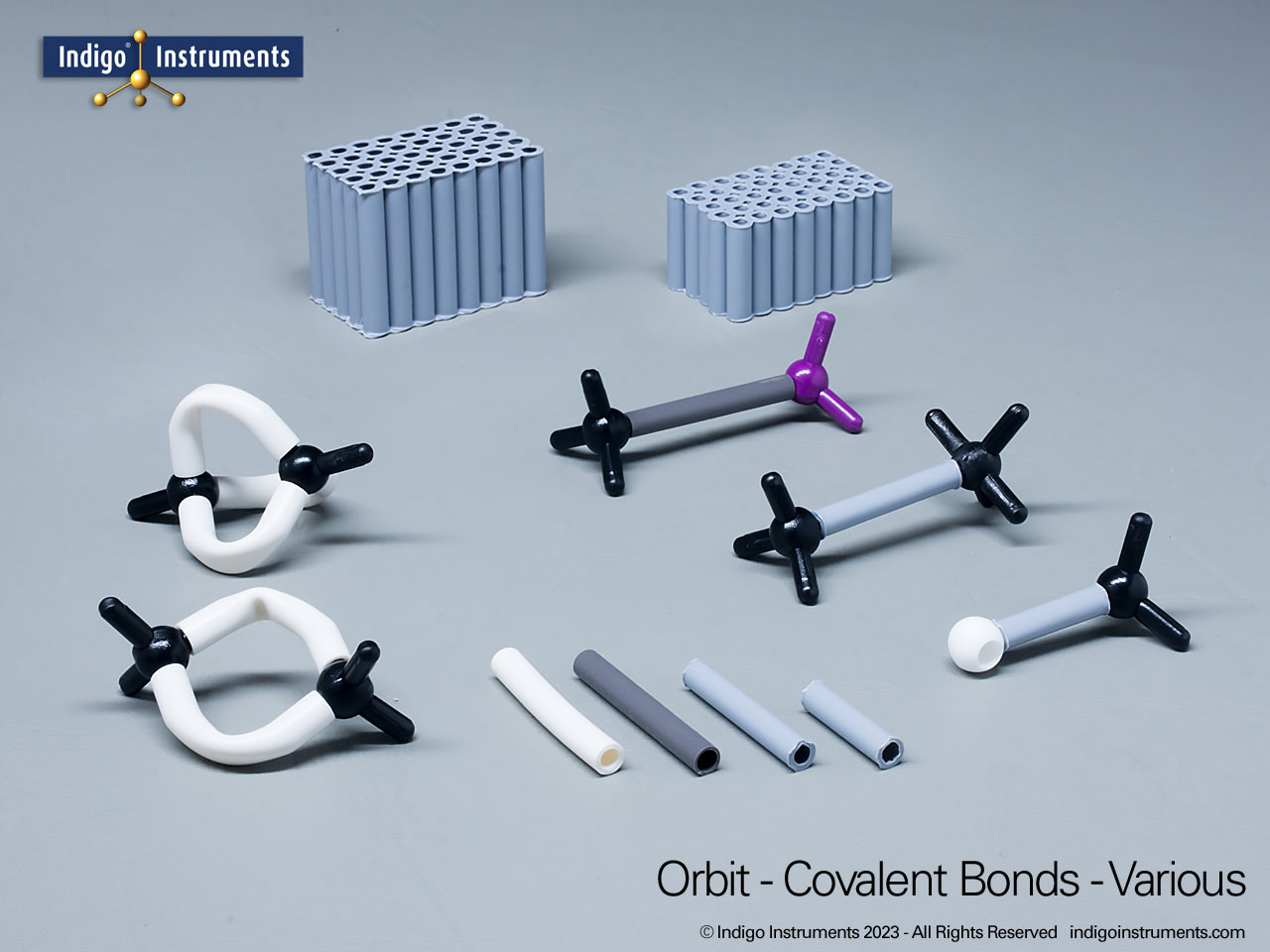
Planar amide geometry (sp2-like at the carbonyl & partial double-bond character of C–N) Demonstrates resonance stabilization and restricted rotation—helps students predict conformational rigidity and understand peptide-bond planarity in proteins.
Distinct hydrogen-bond donor/acceptor markers (N–H donor & C=O acceptor) Visually highlights intra- and intermolecular H-bonding patterns used to teach secondary structure (α-helix, β-sheet) and solvation effects.
Modules for primary, secondary, and tertiary amides Allows comparison of H-bonding capacity, steric effects, and reactivity—useful for teaching peptide chemistry and drug design considerations.
Replaceable acyl and amine fragments Supports hands-on demonstrations of nucleophilic acyl substitution, hydrolysis, aminolysis, and mechanism steps without wet lab hazards.
Colored polarity cues (partial charges on O and N) Makes electron distribution obvious for arrow-pushing, explaining why amides are less reactive than acyl chlorides/anhydrides and how resonance influences acidity/basicity.
Peptide-chain building connectors (backbone-compatible) Enables construction of short peptide segments to teach sequence directionality (N→C), backbone hydrogen bonding, and concepts like chirality at the α-carbon.
Reaction-illustration cards (hydrolysis, activation, coupling) Stepwise instructor guides to demonstrate enzymatic proteolysis, synthetic peptide coupling, and role of activating reagents—great for mechanism-focused labs.
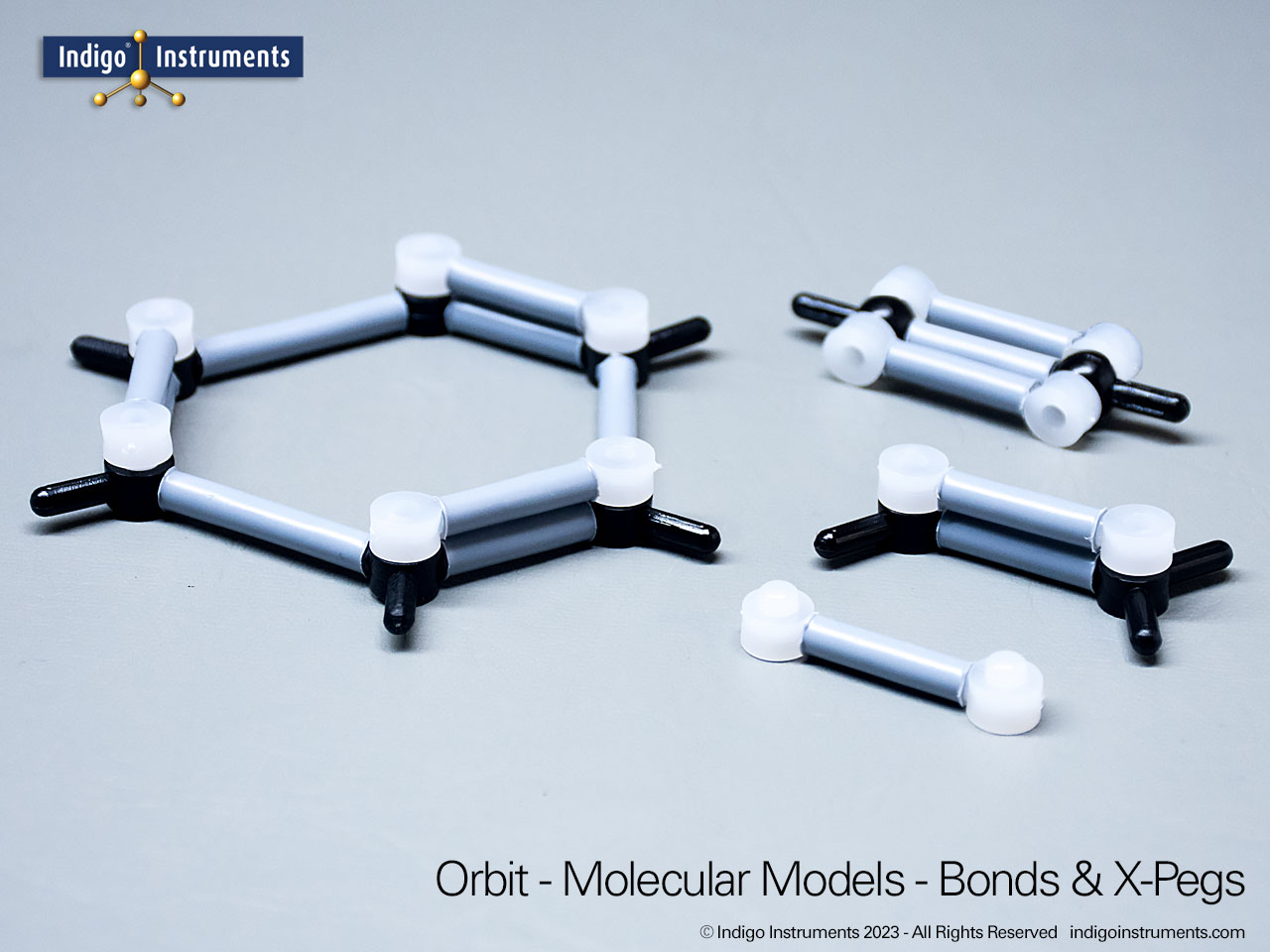
Durable, tactile triple-fit connectors for repeated assembly Classroom-grade robustness ensures long life during frequent demos and student handling; parts remain snug for accurate spatial demonstrations.
Compatibility with Orbit functional-group kits (acid chlorides, alcohols, amines) Enables multi-step reaction sequences and comparative lessons (e.g., convert carboxylic acid → acid chloride → amide) for curriculum integration.
Assessment prompts & challenge builds included Provides formative assessment tasks (identify hydrogen-bonding patterns, predict site of protonation, propose hydrolysis products) to test conceptual mastery.

Indigo Instruments has stocked genuine Cochranes of Oxford molecular model parts for 30+ years. Customize or replenish any model set/kit we have ever sold!

Details

Key Amide Functional Group Examples for the Classroom

Compound Chemistry Use Case Biology / Medicine Relevance
Acetamide Simplest amide structure, used to teach resonance stabilization and hydrogen bonding; comparison with esters to illustrate C=O reactivity differences. Occasionally present in metabolic intermediates; useful for illustrating solubility and low toxicity of small amides.
Formamide Smallest amide; key for studying intermolecular hydrogen bonding and polar aprotic solvent behavior. Used experimentally in denaturing nucleic acids; relevance in lab safety due to toxicity.
Urea Resonance and delocalization; role in nitrogen cycle chemistry; example of a symmetrical diamide. Central to mammalian nitrogen excretion; medical importance in kidney function tests and dialysis.
Peptide bonds (general) Model for step-growth polymerization and condensation reactions; central example in biopolymers. Fundamental linkage in proteins; understanding peptide bond planarity critical for protein folding and enzyme specificity.
Nylon-6,6 Example of industrial polyamide synthesis from hexamethylenediamine and adipic acid; teaches step-growth polymerization mechanisms. Relevance in biomedical applications (e.g., surgical sutures, tissue scaffolds).
Penicillin G Demonstrates lactam ring strain and reactivity; application of amide chemistry to pharmaceuticals. Antibiotic mechanism involving inhibition of bacterial transpeptidase; clinical importance in treating bacterial infections.
Lidocaine Example of tertiary amide; discussion of electronic effects on hydrolysis resistance. Local anesthetic mechanism involving sodium channel blockade; used in dentistry and minor surgery.

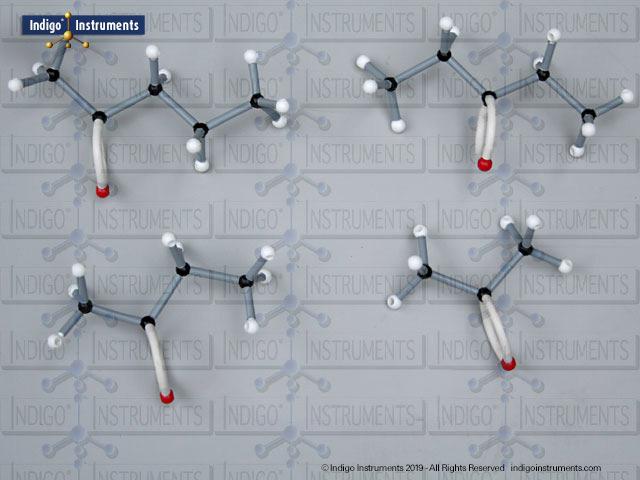
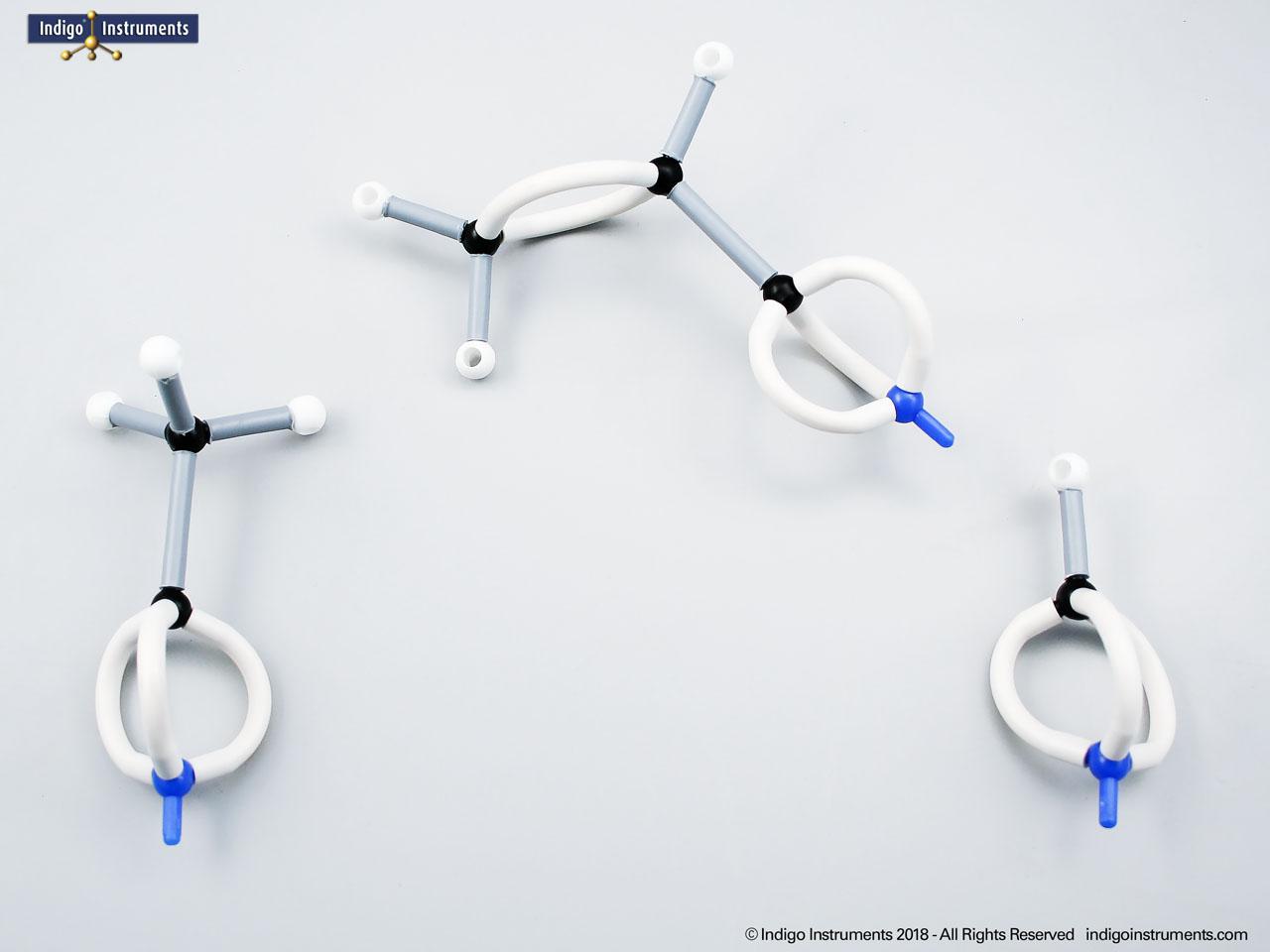
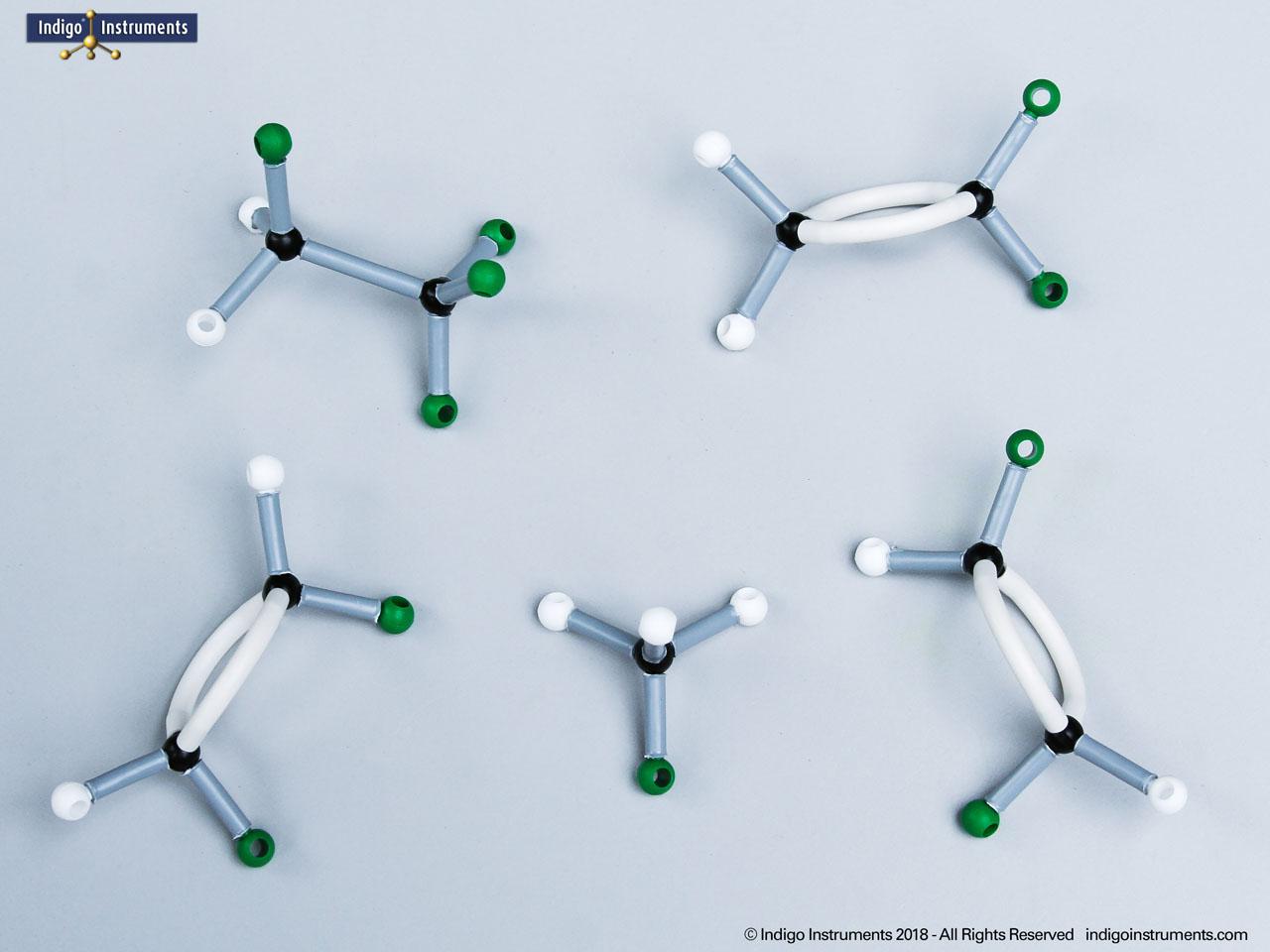
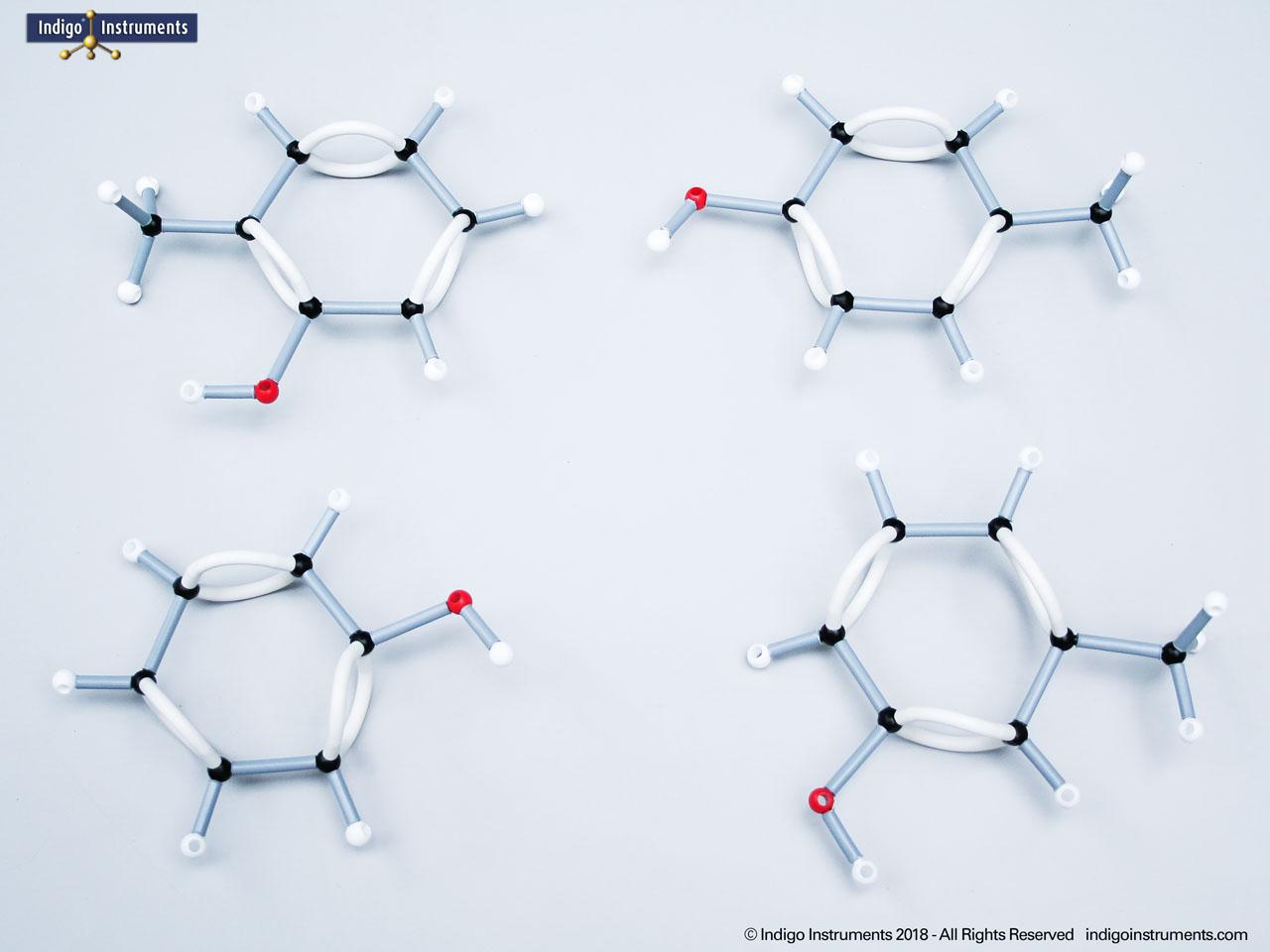
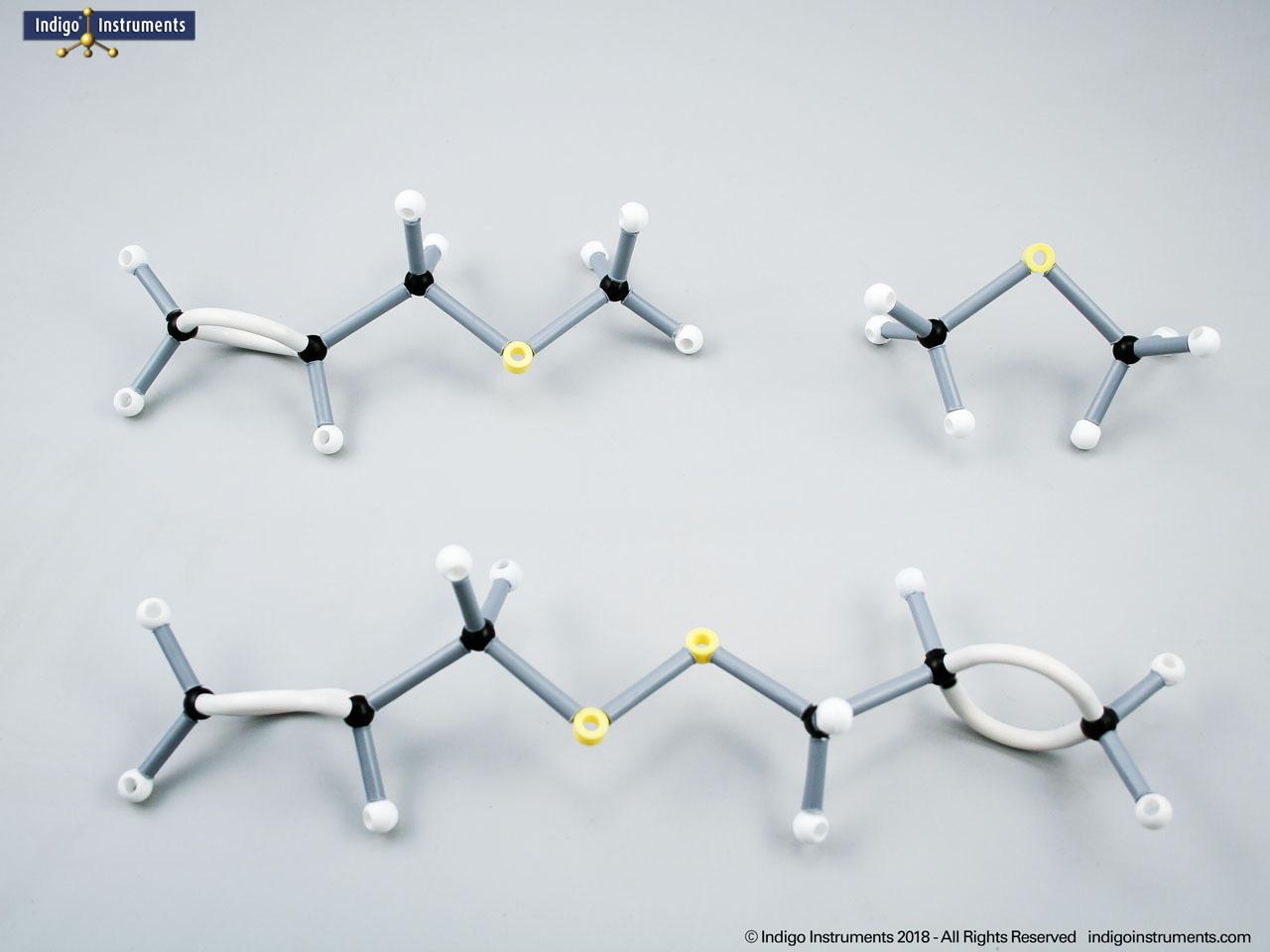
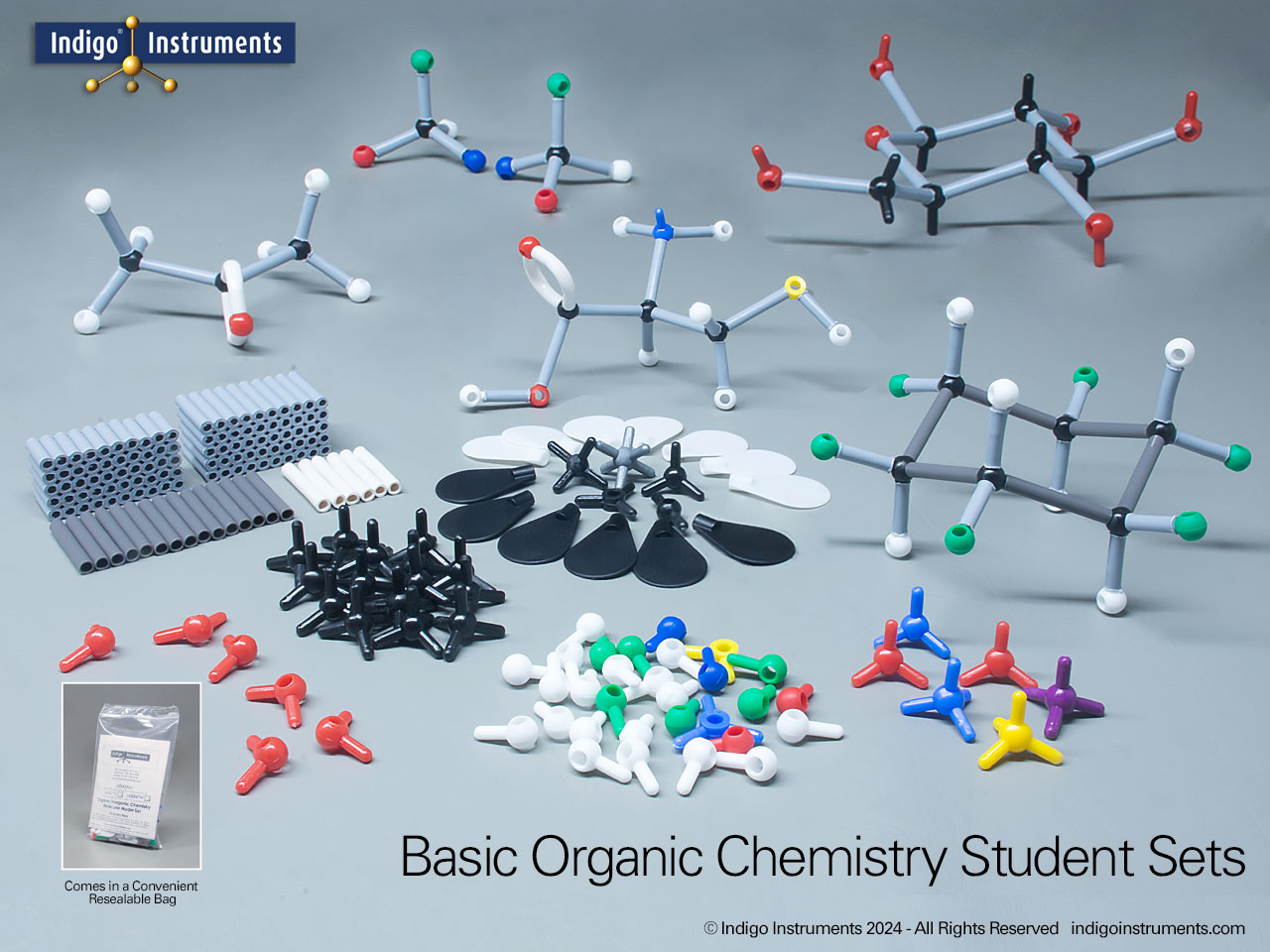
Build these & other amides with the 68845NV Orbit Molecular Model Set with aid from the Indigo® Instruments 3D Molecular Model Builder

Related information or images
Parts
Reviews (5)
2020-09-10
This model kit is great for improving knowledge of molecular structures for organic chemistry.
— Jan
2020-05-31
I bought the product for a university class and it met expectations. Great service and fast shipping.
— Miri
— Indigo: Thank you for the review. Good luck this term.
2019-09-23
Great product, fast shipping, excellent customer service!
— Courtney
2019-08-15
Bought two of these because I prefer them to the one used at the university. Easy to use and has a good flexibility.
— Thierry
2018-04-16

I've had consistently great service from this company. Our students seem to really appreciate the reasonable price. In the years that we've used this product, not one has been returned due to defects.

— Becki
— Indigo:

Considering how many of these we sell to schools every year, that is high praise indeed. Thanks letting us know.
Review This Product Now!


Frequently Asked Questions

FAQ for Amide Functional Group Molecule Structure

The easiest way to view & then build amides with this model set is to use our 3D Molecular Model Builder in Orbit (basic) style. Just enter the compound name, hit the Build & Show Purchase options button & an image of the molecule & parts needed will appear. Follow the same steps but choose Orbit (flexible) to view Amides; Advanced Ochem set.