Aldehyde Functional Group Chemical Structure
SKU: 68845NV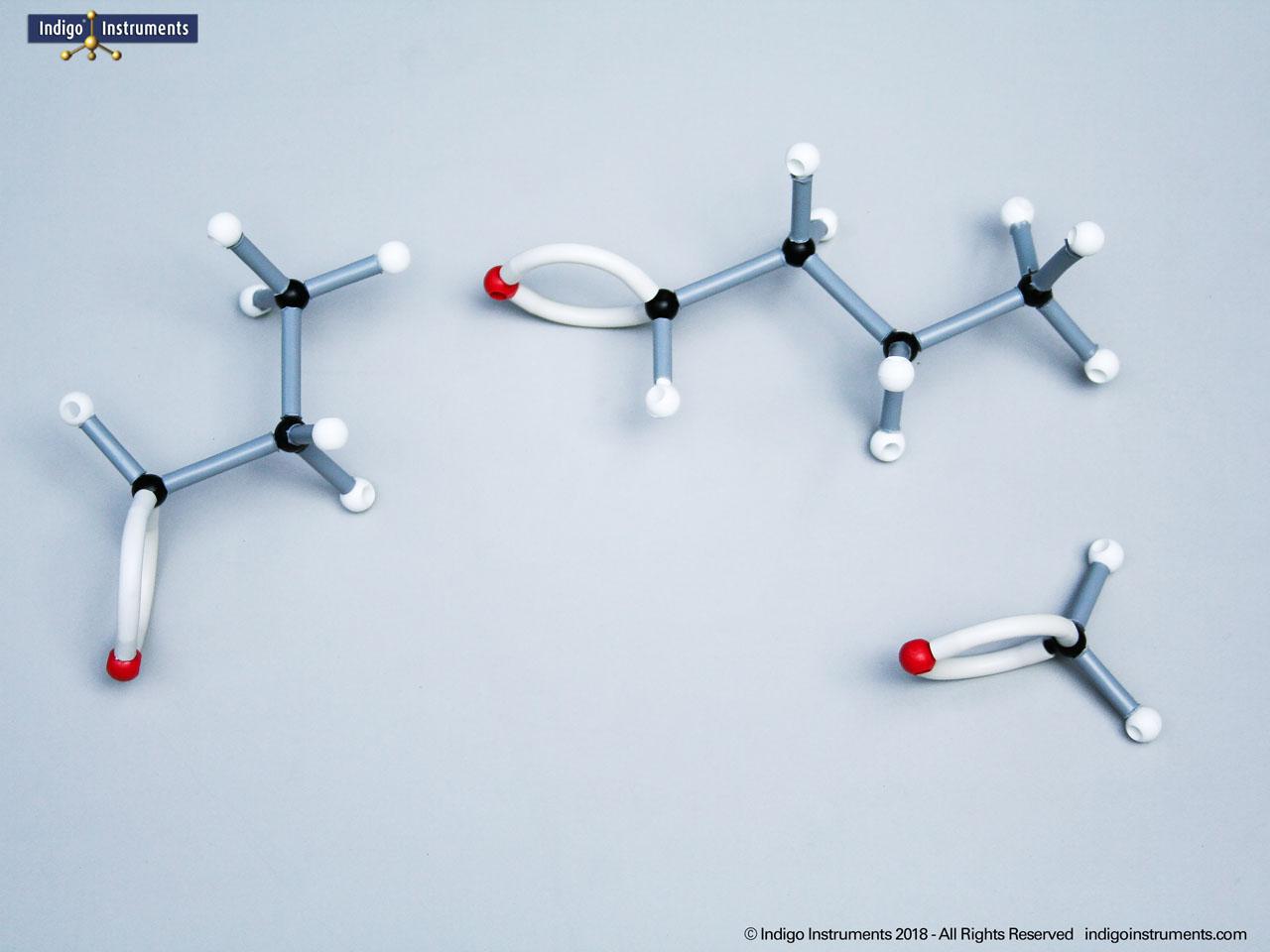
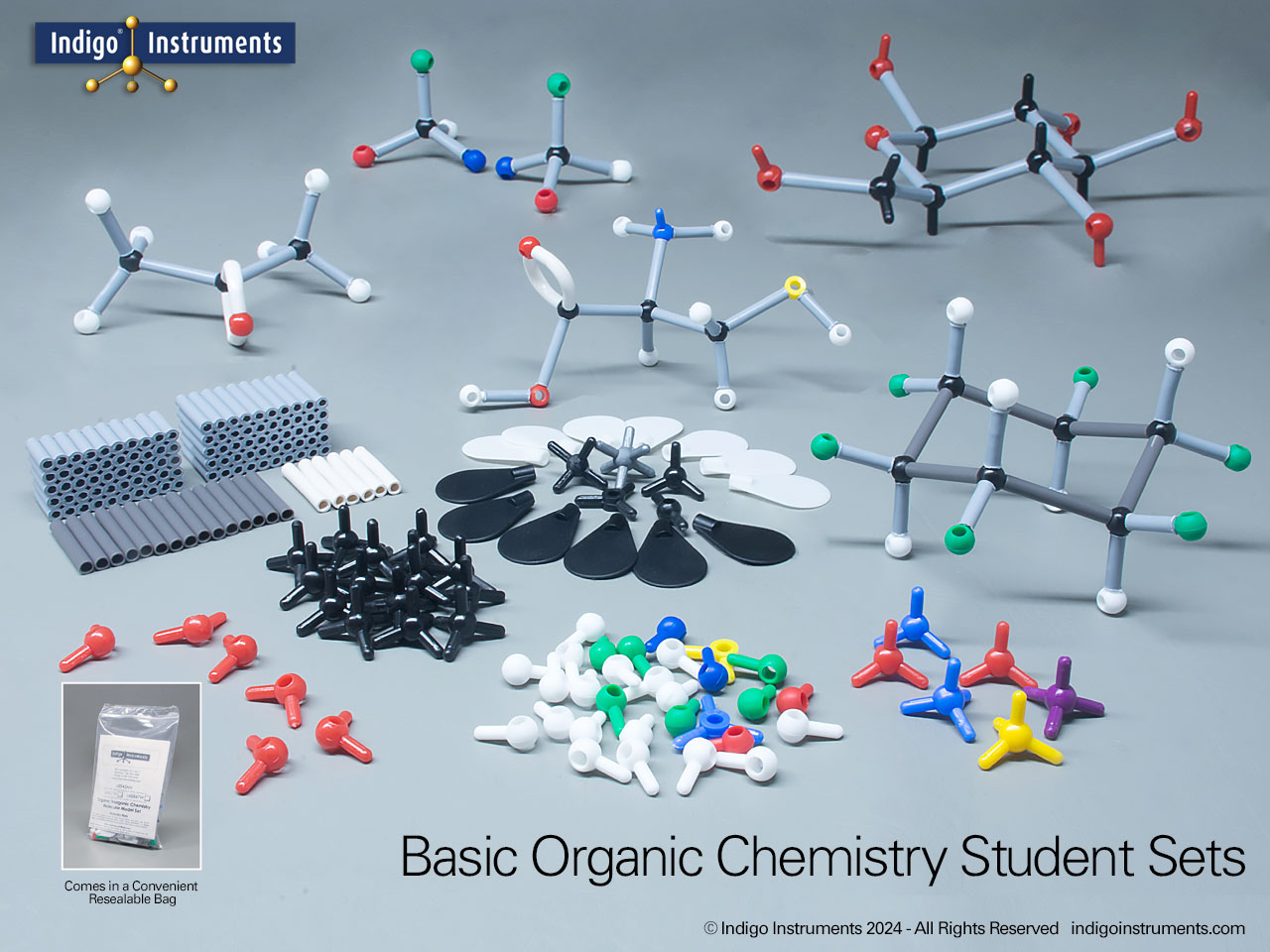
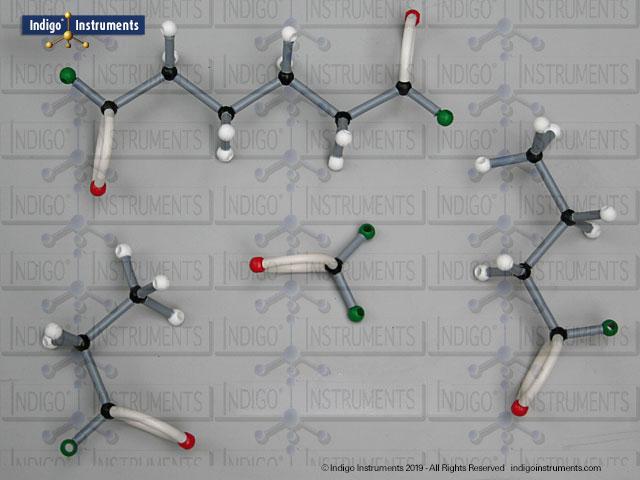
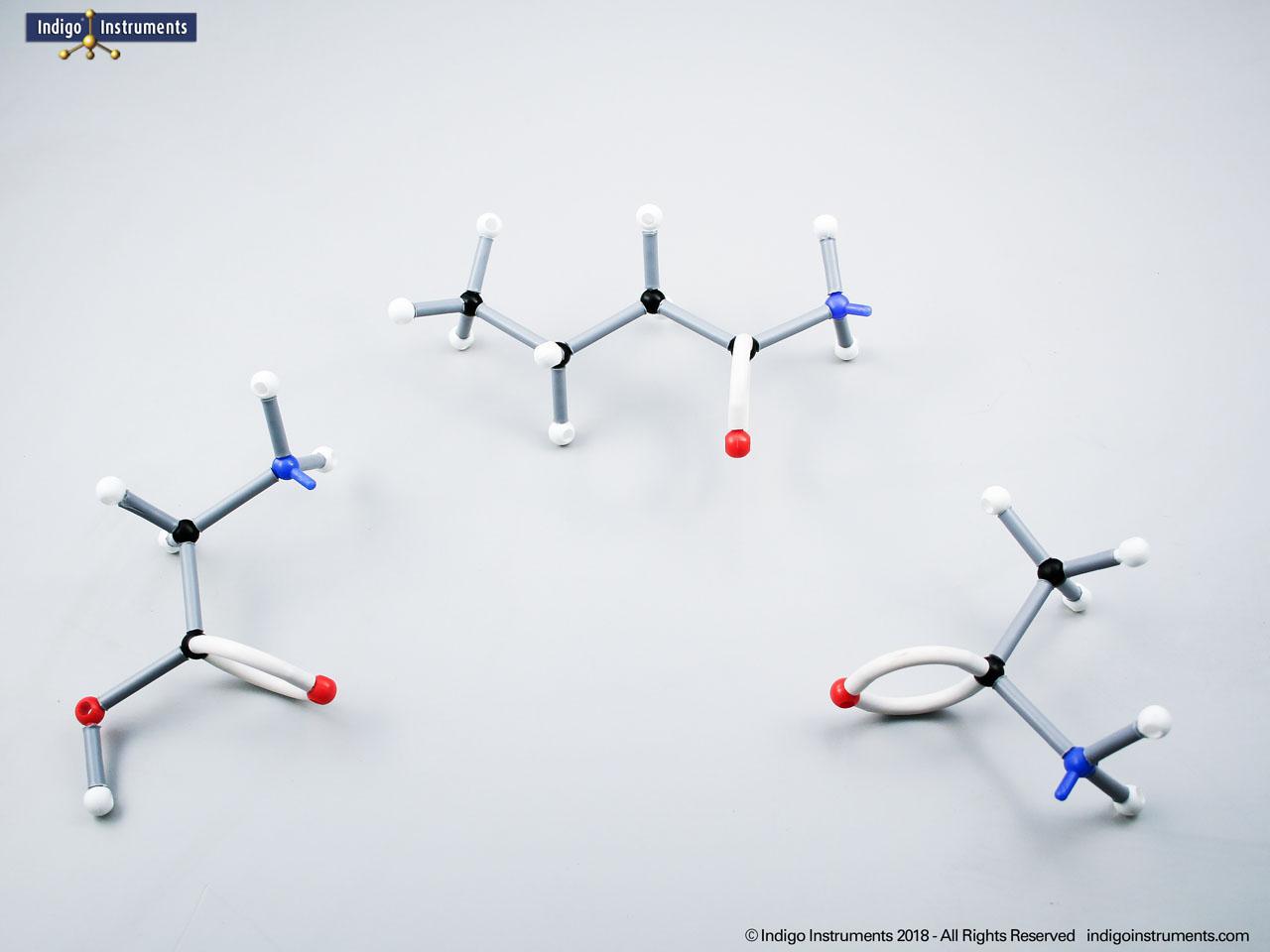
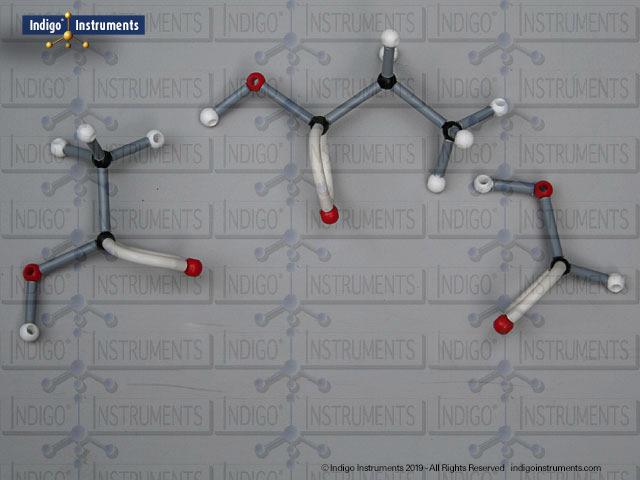
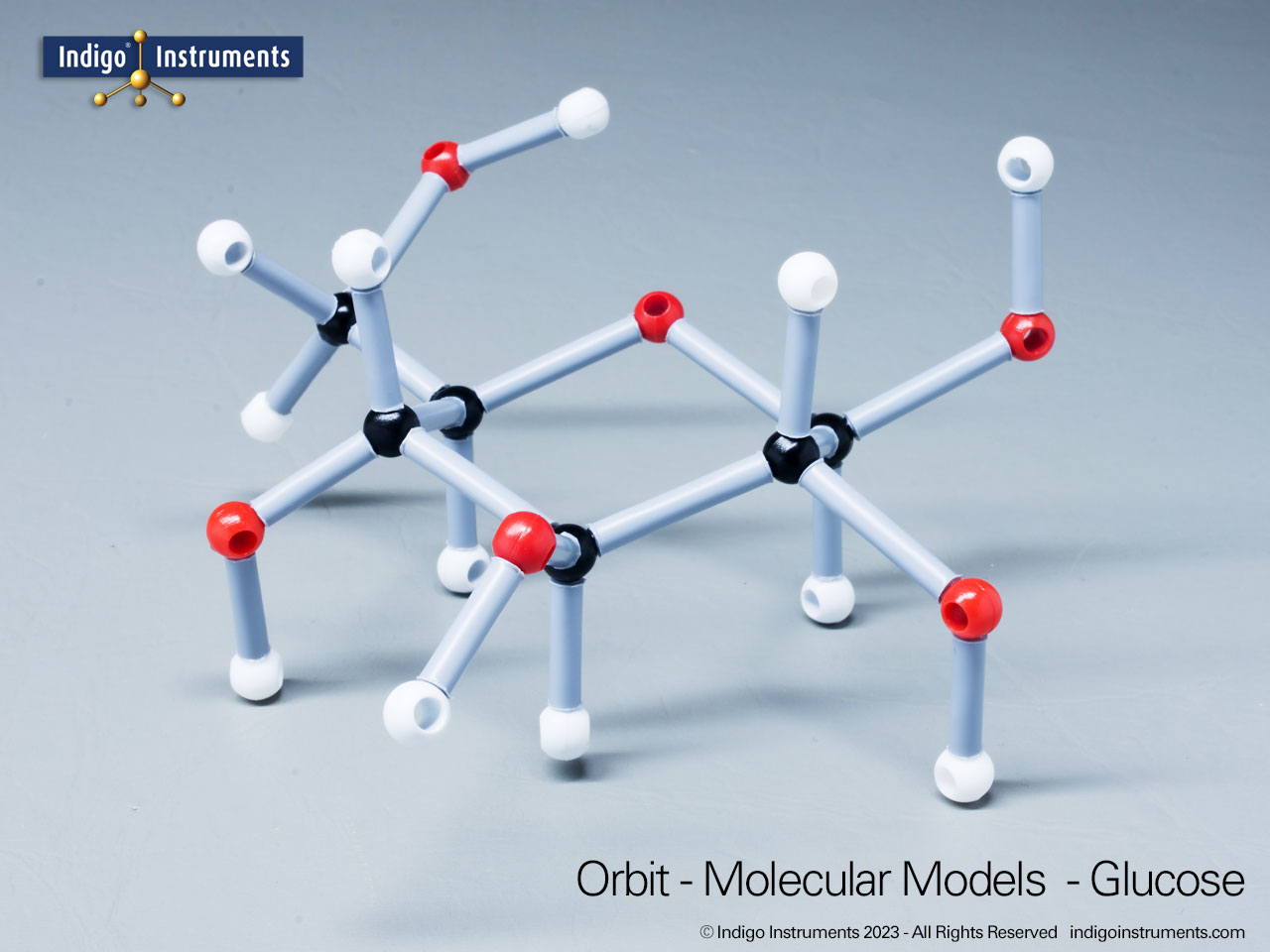
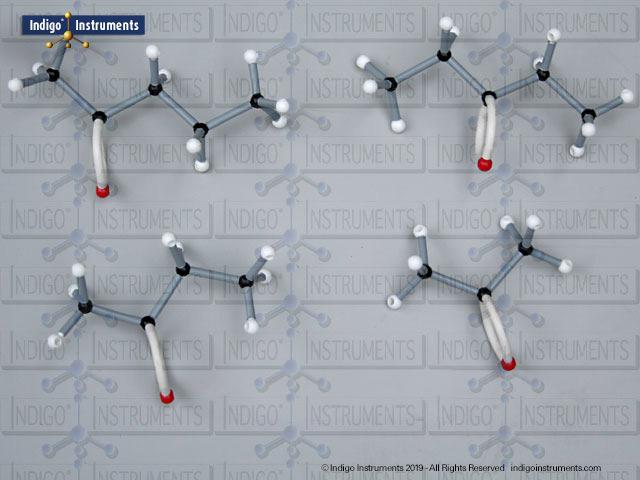
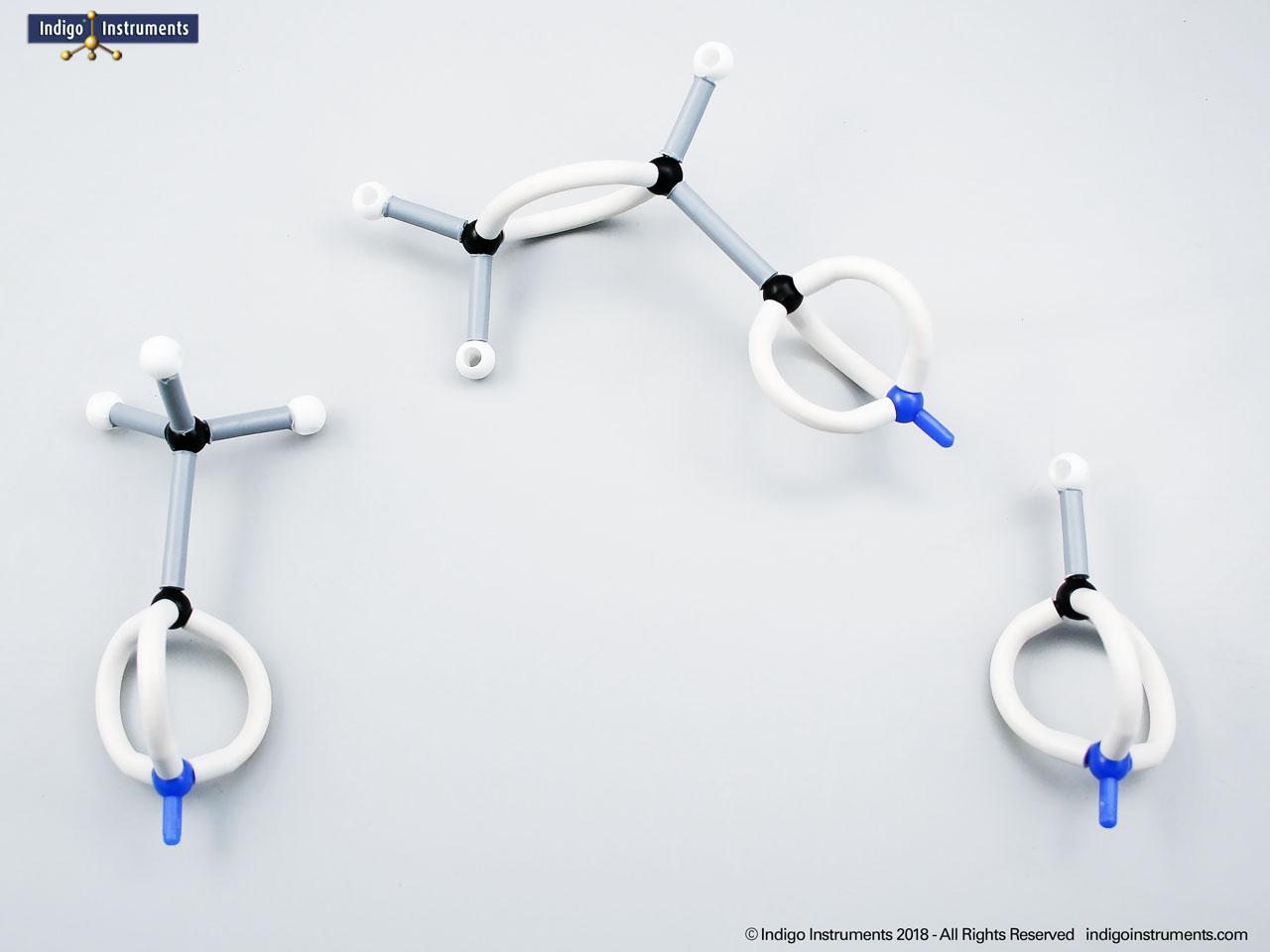
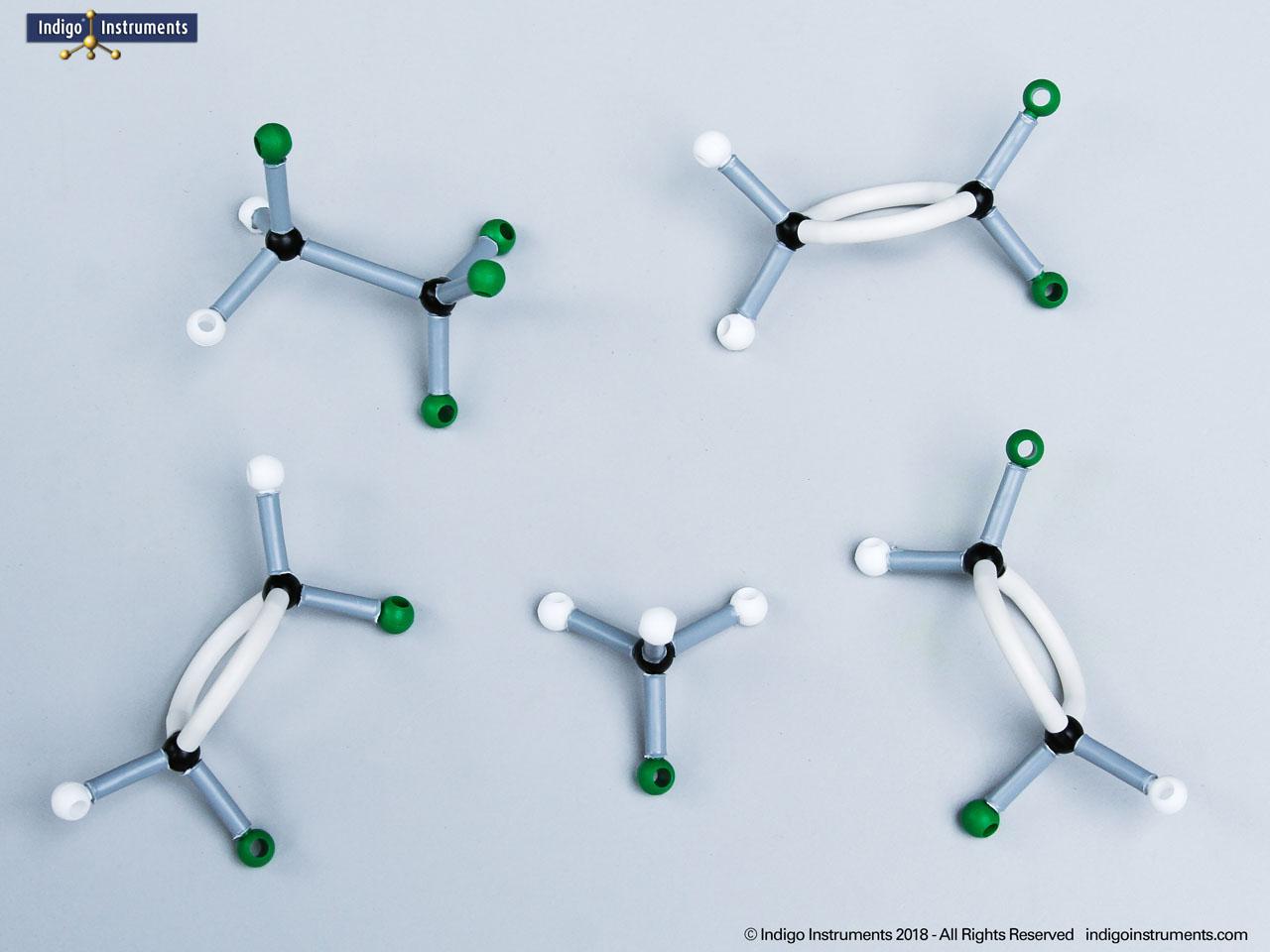
This molecular model set can build aldehydes, a key functional group found in synthetic and biological chemistry. Students can assemble important molecules such as formaldehyde, acetaldehyde, and glucose, and see how the carbonyl group in aldedydes differs from those in ketones.
This economical set is useful for chemistry, biology, biochemistry, and related health sciences. The Orbit system is designed to make atom swapping for comparing related molecules much simpler than bulkier wireframe model types.
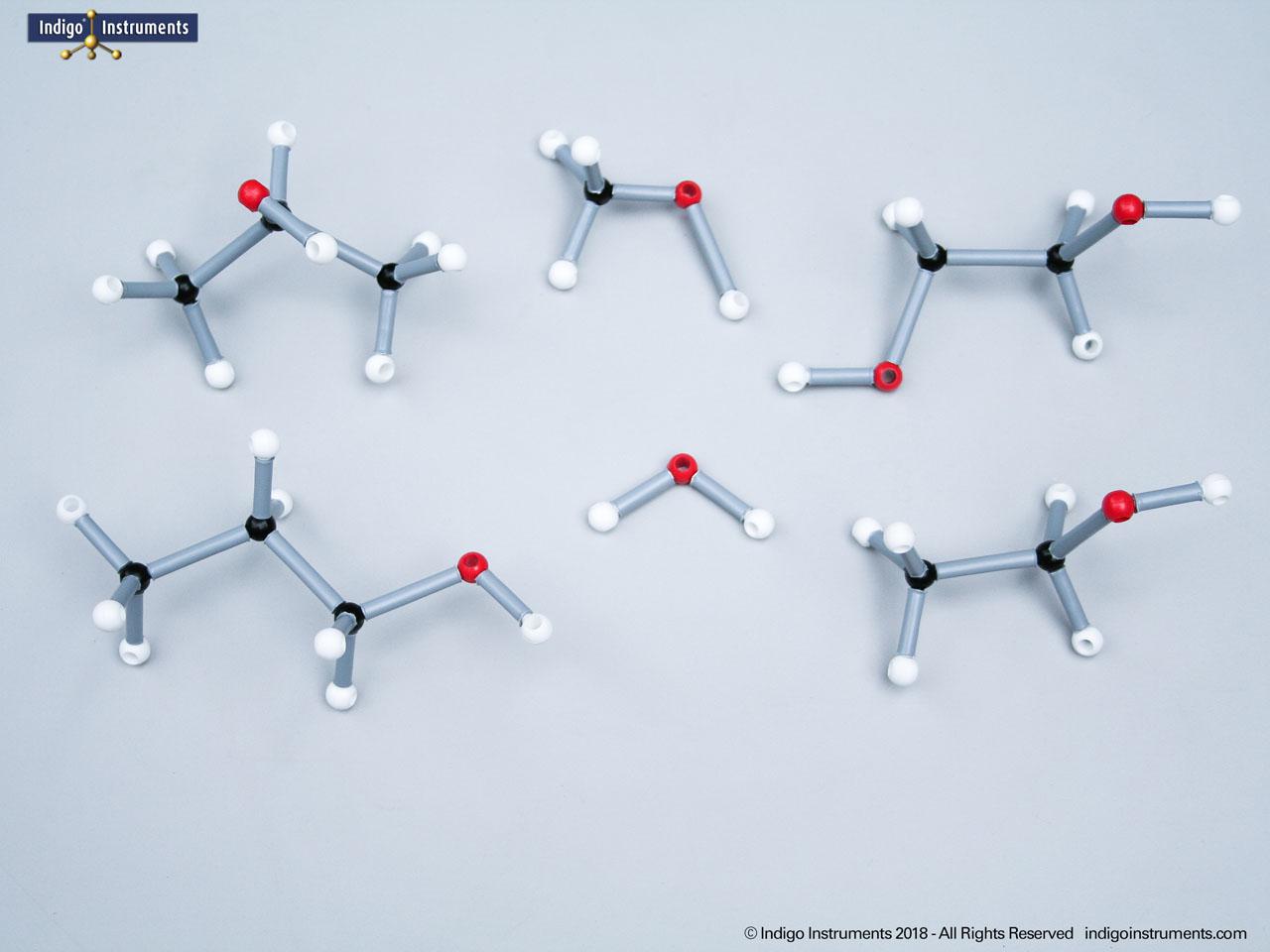
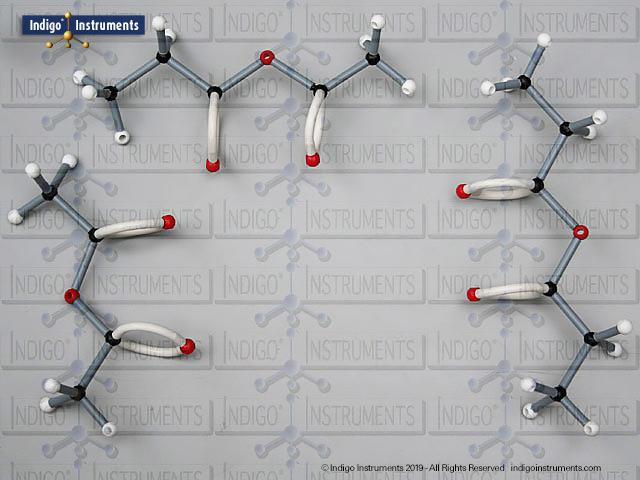
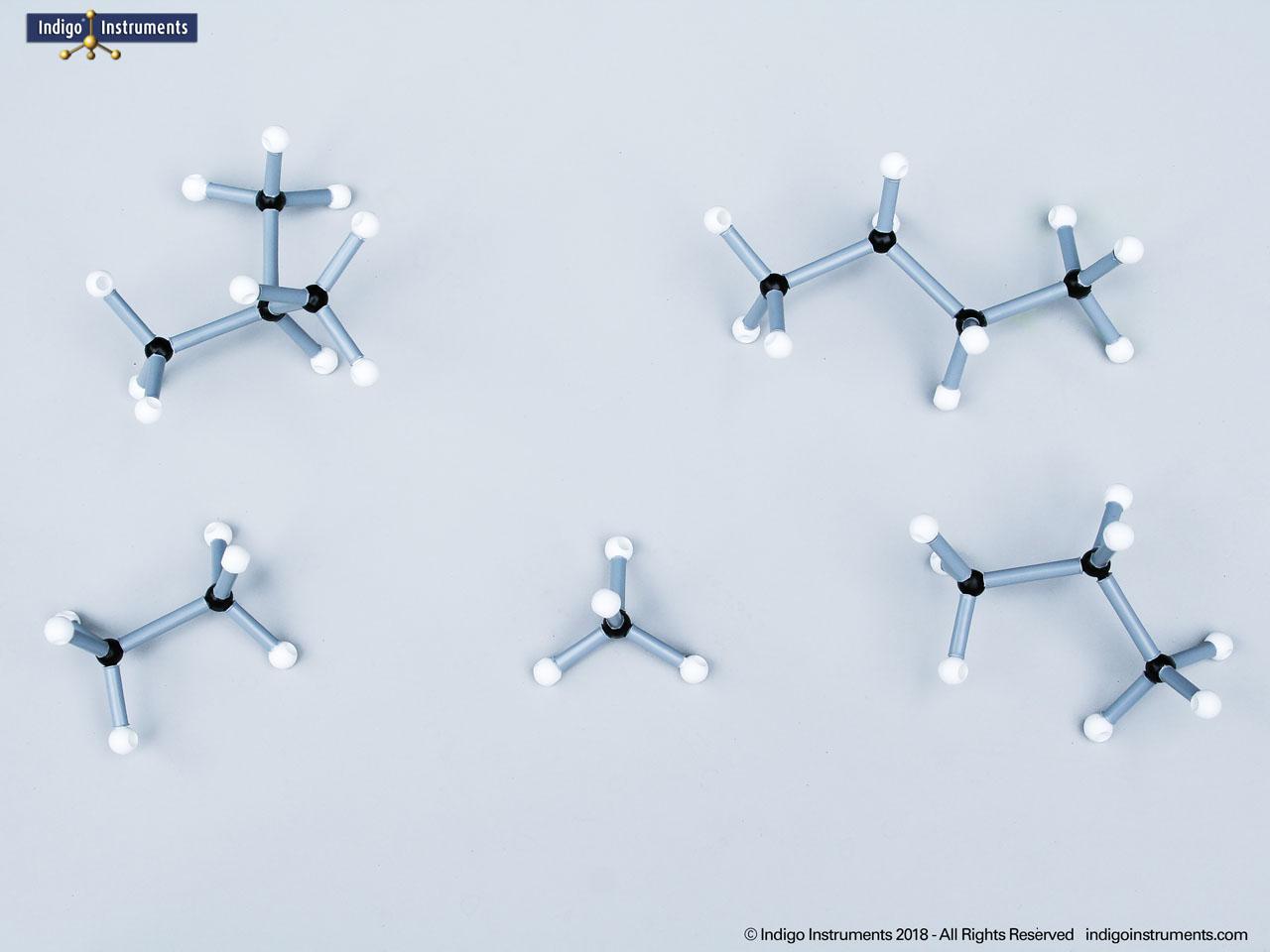
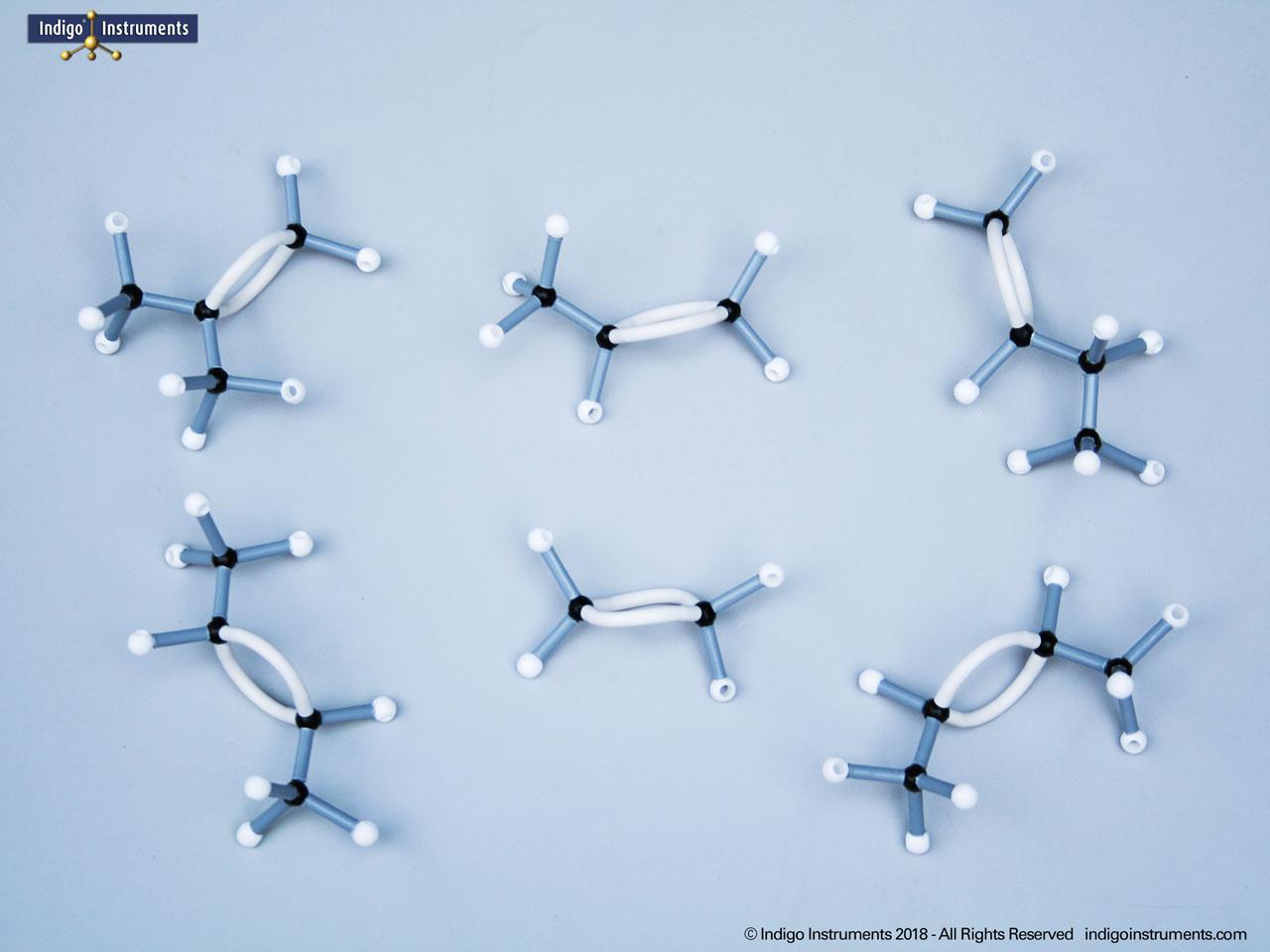
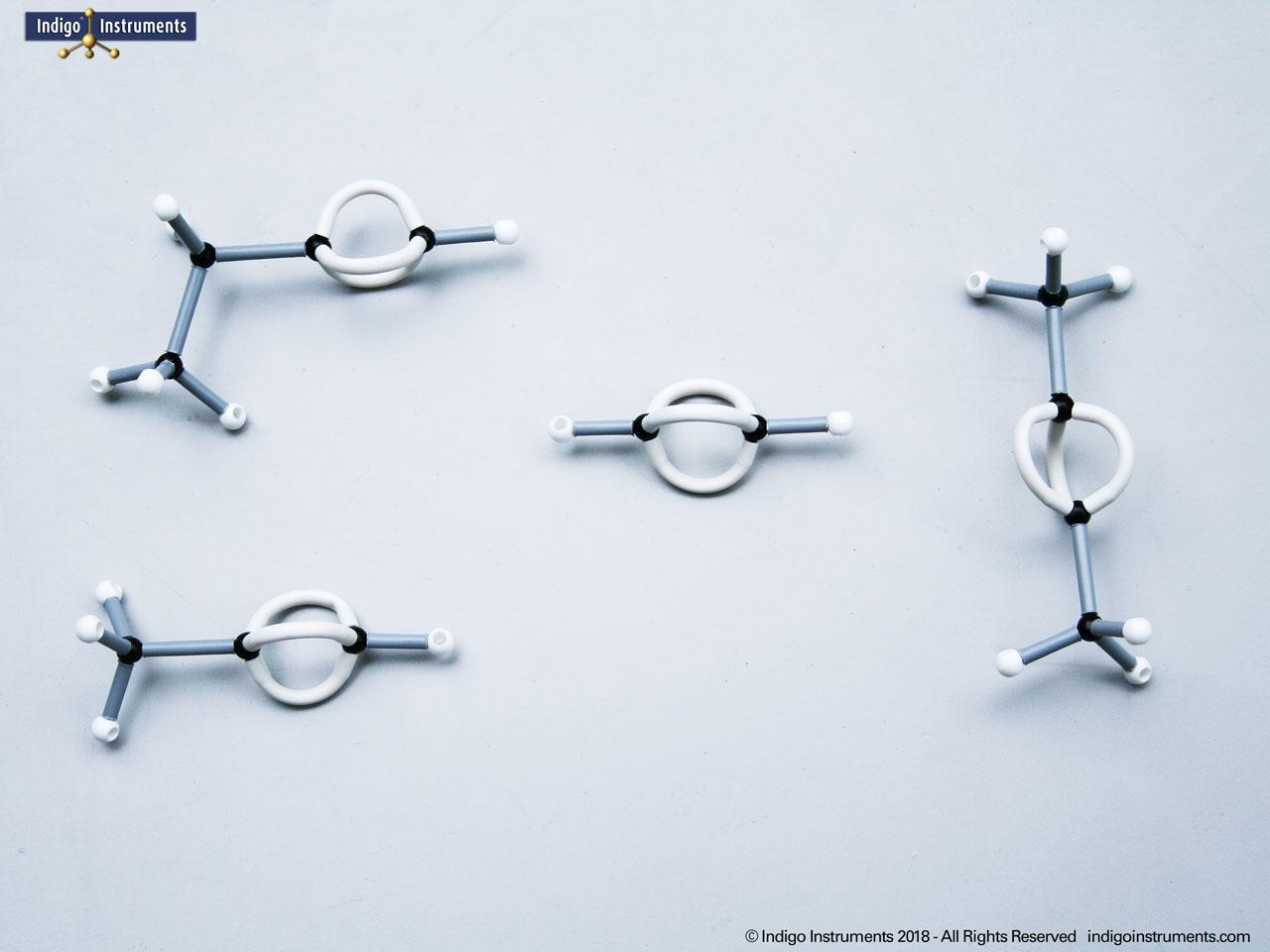
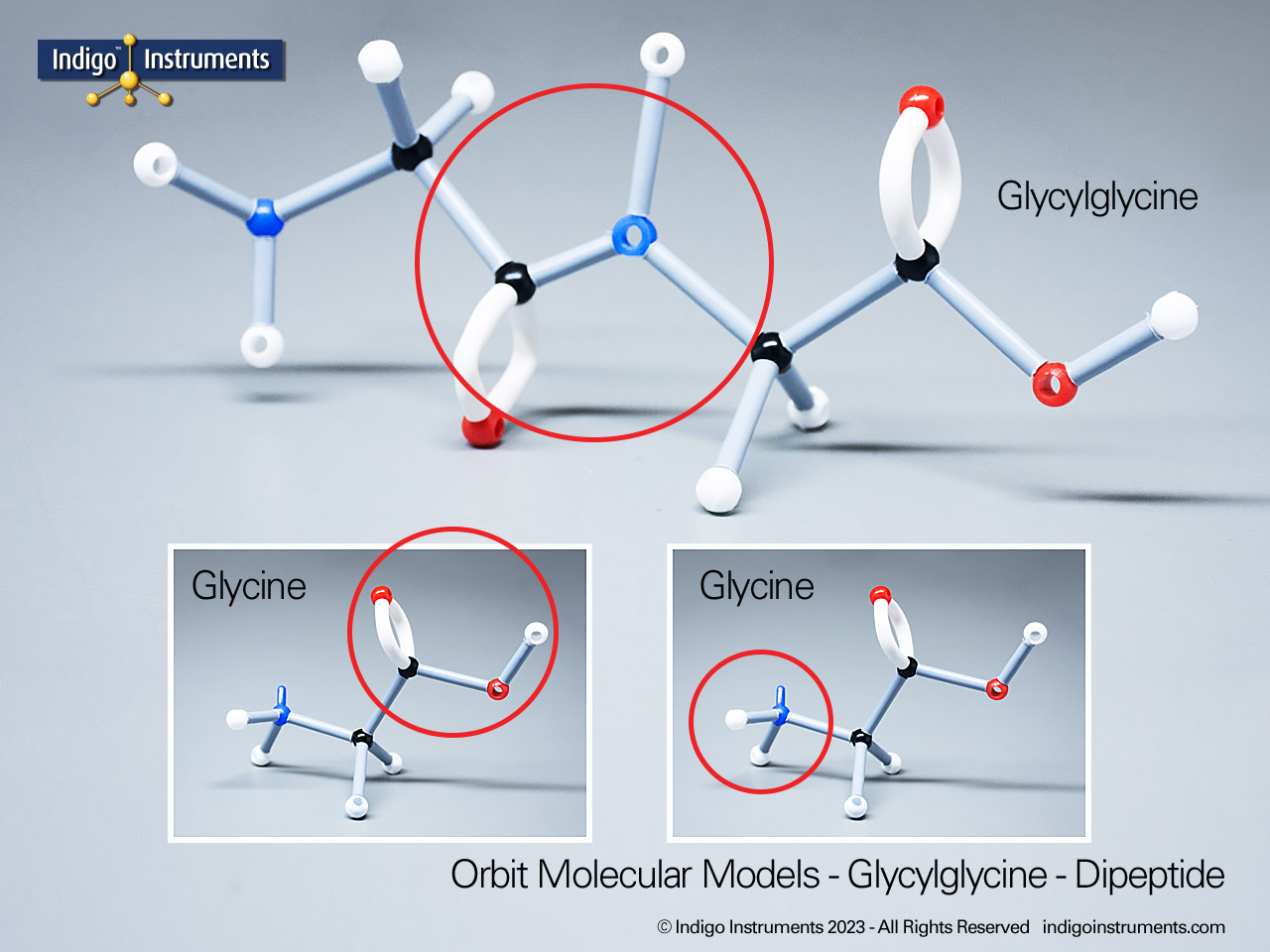
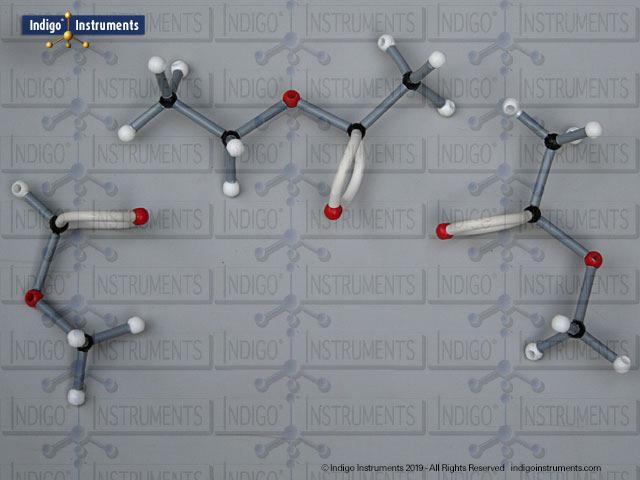
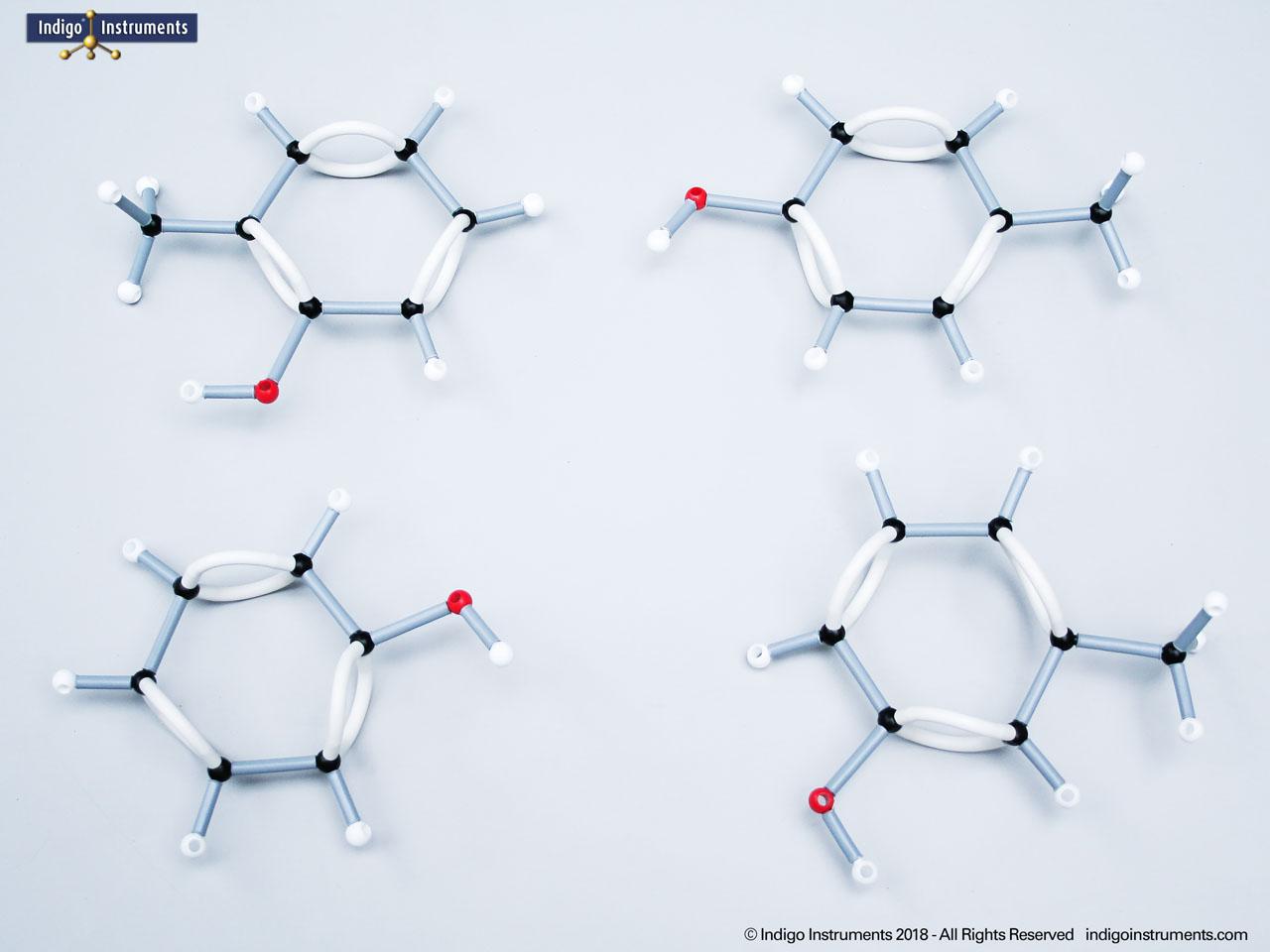
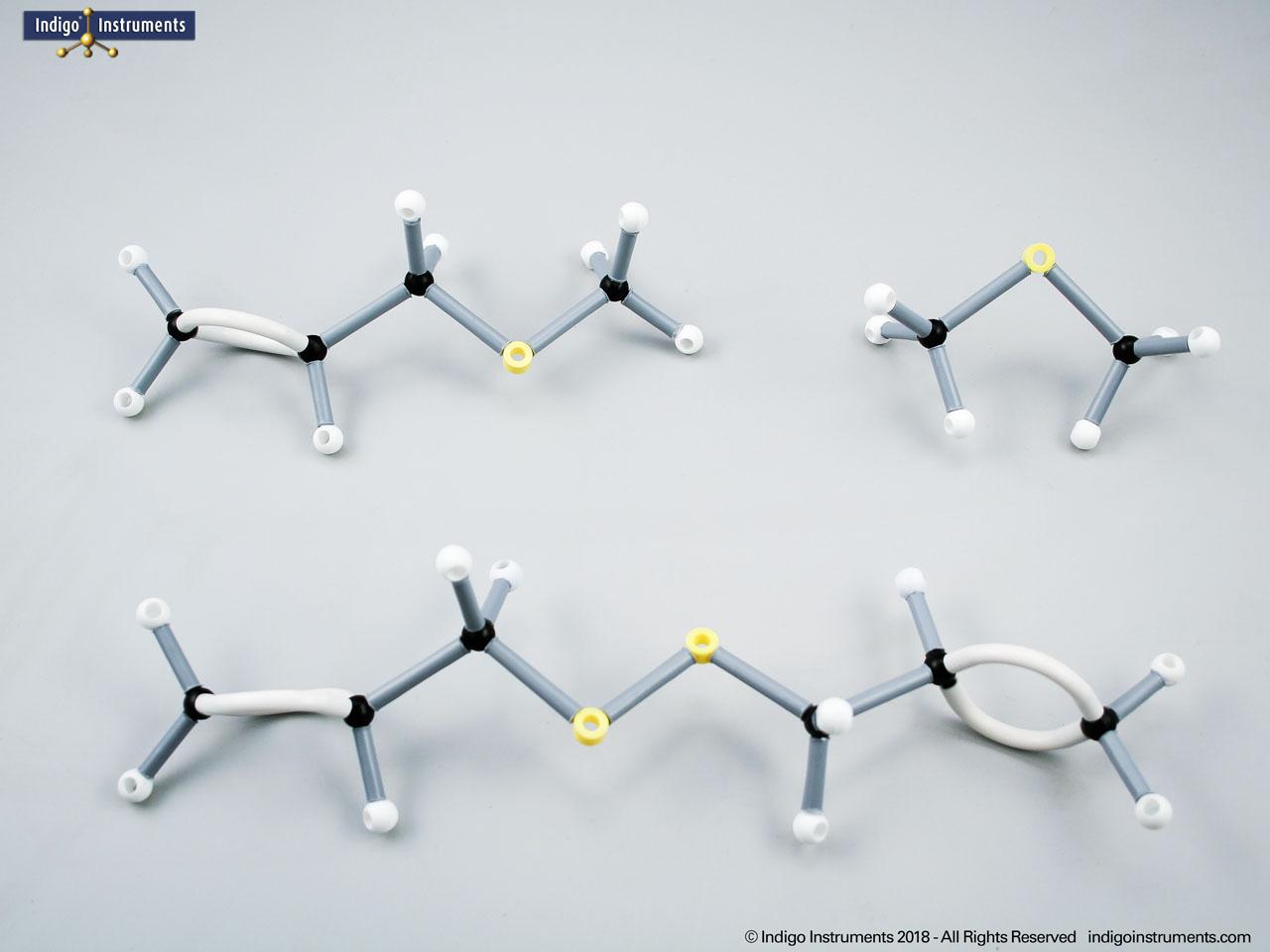
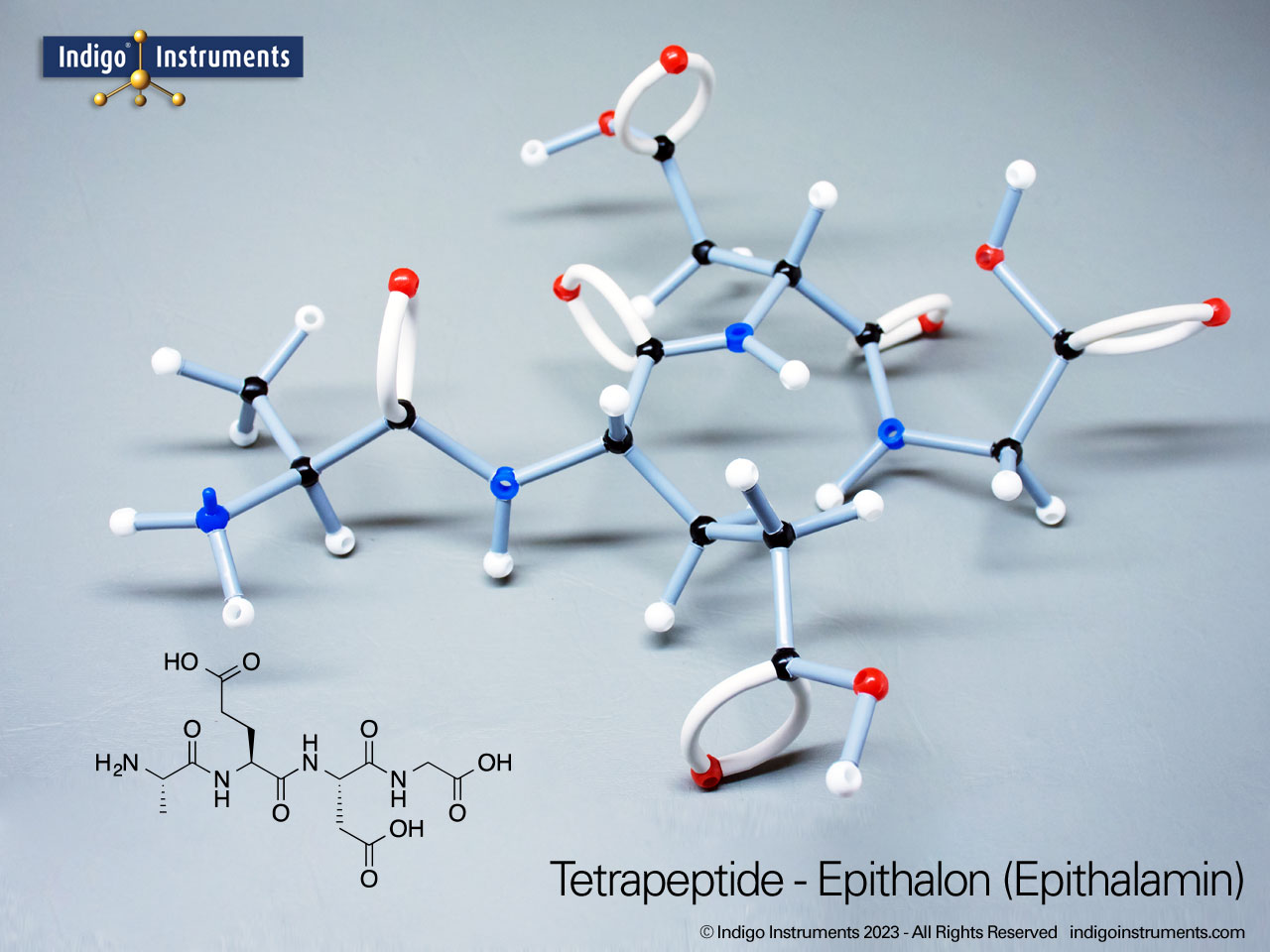
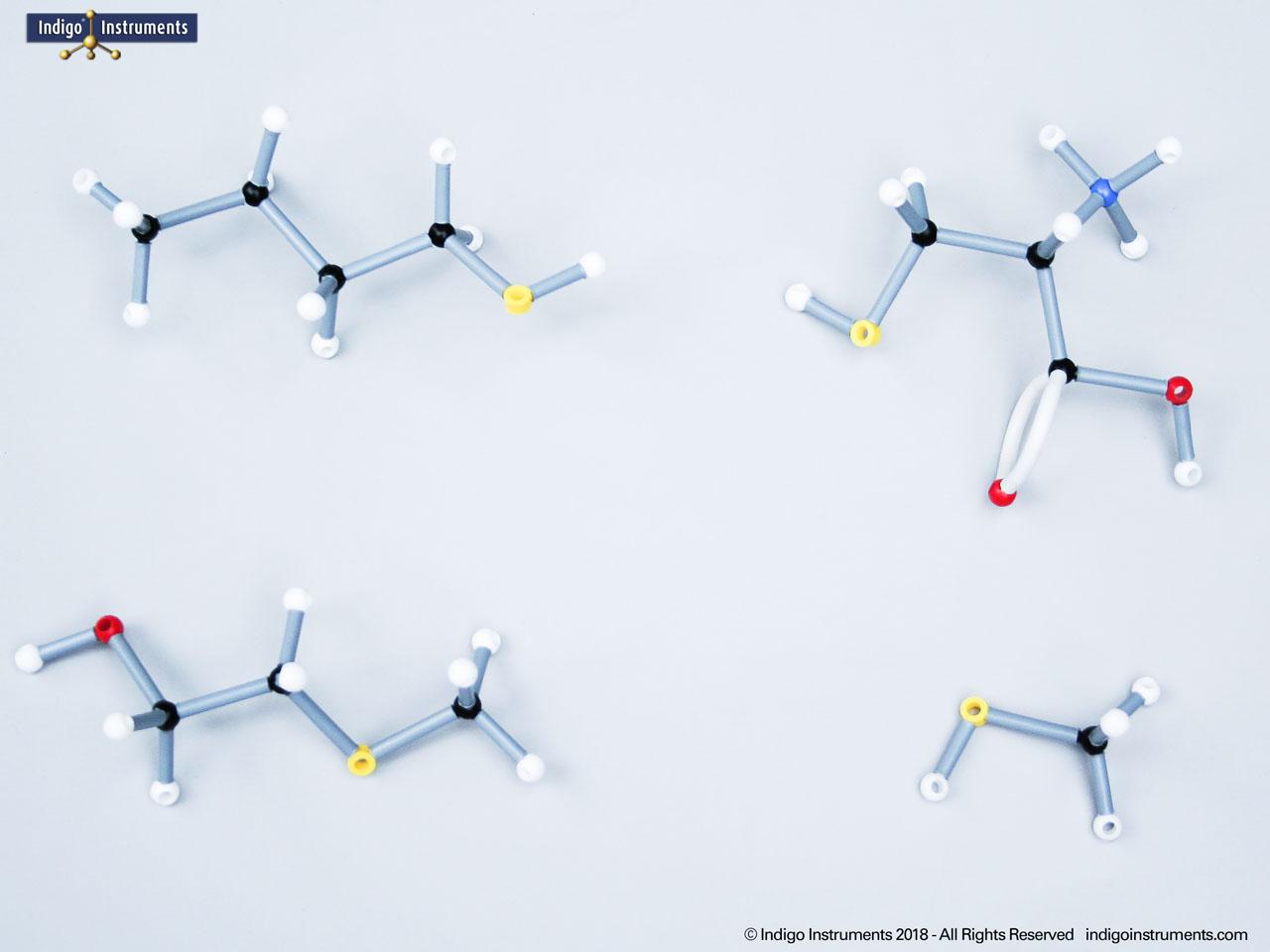
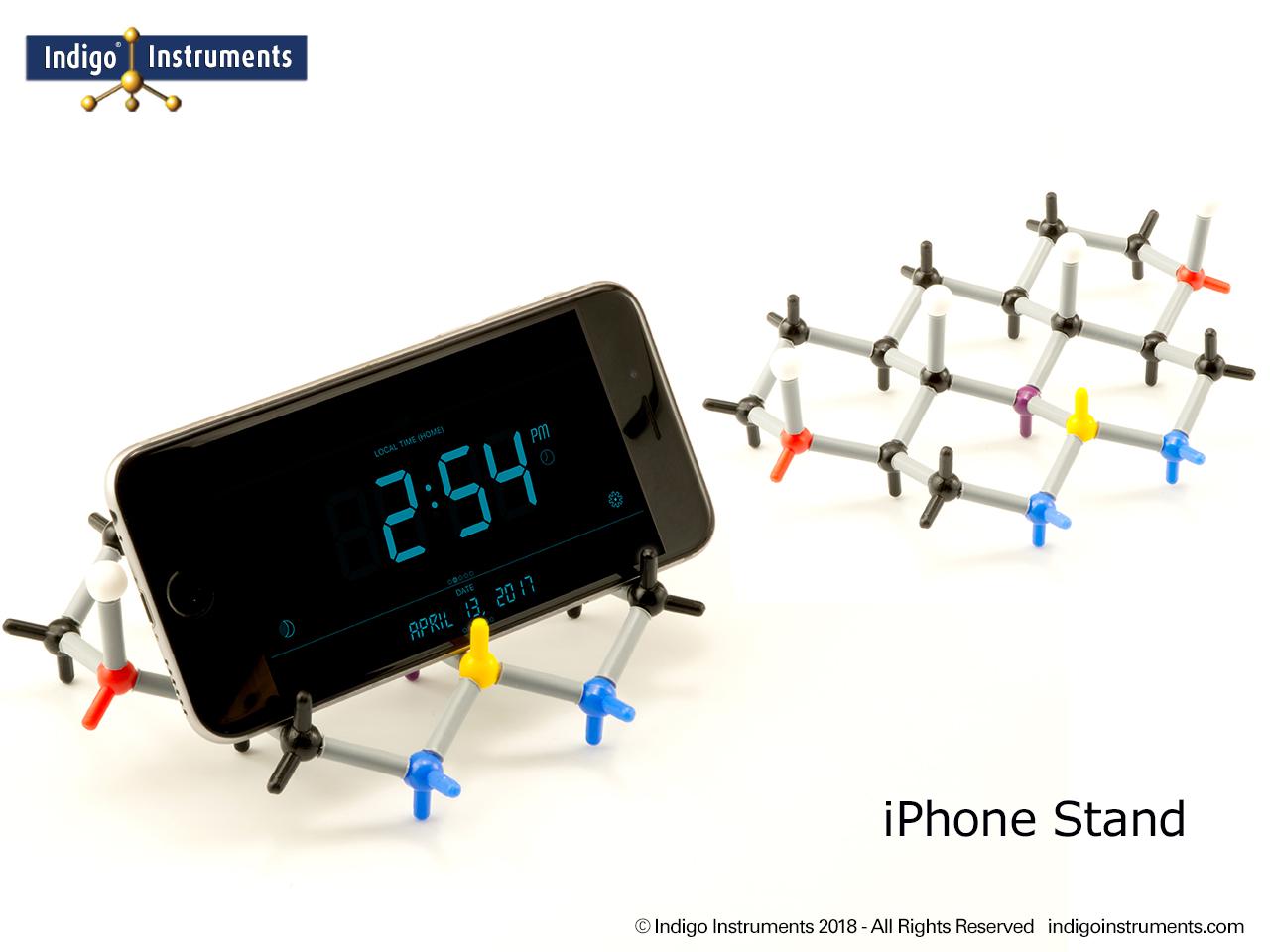
The 68845NV basic student set has enough carbons, oxygens, & hydrogens to simultaneously build the aldehyde chemical structures as shown in the image; only $17.00.
What Different Students Need to Know About the Aldehyde Functional Group
| Compound | Chemistry Focus | Biology / Medicine / Nursing Focus |
|---|---|---|
| Formaldehyde (HCHO) | Smallest aldehyde; strong electrophile; forms hemiacetals/acetals; forms imines (Schiff bases); oxidizes to formic acid. | Tissue fixative (crosslinks proteins); occupational irritant/toxic; ventilation & PPE for handling; exposure limits in labs/clinics. |
| Acetaldehyde (CH3CHO) | Typical carbonyl reactivity; aldol reactions; easily oxidized to acetic acid; reduced to ethanol/ethanolamine derivatives. | Primary ethanol metabolite (ALDH2 pathway); contributor to hangover, mucosal damage, cancer risk; relevance to pharmacogenetics (ALDH2*2). |
| Glutaraldehyde | Dialdehyde; efficient protein crosslinker via Schiff bases; polymerizes in water. | High-level disinfectant/sterilant for endoscopes; respiratory/skin sensitizer—closed systems, monitoring, neutralizers required. |
| Benzaldehyde | Aromatic aldehyde; milder electrophile; undergoes nucleophilic addition; oxidizes to benzoic acid. | Flavor/fragrance (almond); relatively low toxicity; used as reference aromatic aldehyde in teaching labs. |
| Cinnamaldehyde | Conjugated (α,β-unsaturated) aldehyde; Michael acceptor; strong UV/visible absorbance. | Antimicrobial & anti-inflammatory activity; potential skin sensitizer; explored in food preservation & dental gels. |
| Vanillin | Aromatic aldehyde with phenol & ether groups; participates in imine formation; oxidizes to vanillic acid. | Flavoring; antioxidant properties; useful benign aromatic aldehyde for student experiments. |
| Retinal (vitamin A aldehyde) | Polyene aldehyde; reversible Schiff base with opsin; 11-cis ? all-trans photoisomerization. | Visual cycle chromophore; deficiency → night blindness; retinoid biology; light-driven signal transduction. |
| Pyridoxal-5′-phosphate (PLP) | Aldehyde cofactor forms Schiff base with amino groups; stabilizes carbanion via electron sink; catalyzes transamination, decarboxylation. | Central B6 coenzyme in amino acid metabolism; deficiency → neuropathy/seizures; drug interactions (isoniazid) deplete PLP. |
| Glyceraldehyde-3-phosphate | Aldehyde phosphate; oxidized to 1,3-BPG in glycolysis (NAD+ dependent); classic carbonyl chemistry in metabolism. | Energy metabolism intermediate; enzyme defects affect red cells & brain; teaching link between carbonyls and bioenergetics. |
| Reducing sugars (e.g., D-glucose open chain) | Equilibrate to an open-chain aldehyde; reduce Cu2+/Ag+ (Fehling/Tollens); form hemiacetals/acetals. | Protein glycation → Advanced Glycation End-products (AGEs); basis of HbA1c; impacts diabetes complications & aging. |
| Methylglyoxal / Glyoxal | Highly reactive dicarbonyls; rapid Schiff base & Maillard chemistry; detoxified by glyoxalase system. | Drives AGEs formation; elevated in hyperglycemia; vascular & neural damage; target for metabolic risk mitigation. |
| Malondialdehyde (MDA) | Lipid peroxidation product; reacts with nucleophiles; forms adducts with proteins/DNA. | Oxidative stress biomarker (TBARS assays); links to cardiovascular & inflammatory diseases. |
| 4-Hydroxynonenal (4-HNE) | α,β-Unsaturated aldehyde; Michael acceptor; modifies cysteine/histidine/lysine residues. | Cell signaling & toxicity in neurodegeneration, atherosclerosis; indicator of oxidative injury. |
| Acrolein | Conjugated aldehyde; extremely electrophilic; forms protein/DNA adducts. | Tobacco smoke & pollution toxin; contributes to COPD/airway irritation; caution with inhalational exposure. |
| Paraformaldehyde (polymer of HCHO) | Depolymerizes to formaldehyde in solution; source of carbonyl for fixation reactions. | Common fixative stock in histology; handling as for formaldehyde; proper dilution & fume hood use. |
Important Learning Outcomes:
Chemistry students need to learn the defining features of aldehydes (R–CHO) such as the the planar geometry of the carbonyl group. They also need to distinguish aldehydes from ketones using molecular shape and connectivity. Then can use models in reaction mechanisms such as nucleophilic addition oxidation to carboxylic acids. Use the model set to assist in learning IUPAC naming conventions on structures such as methanal, ethanal, and butanal
Biology & biochemistry students can learn to identify aldehydes in metabolic intermediates and biomolecules. These include glucose (an aldose sugar) and retinal (vitamin A derivative). In addition, it is important to understand aldehyde involvement in protein cross-linking and cellular signaling.
Nursing & medical students should recognize the relevance of aldehydes in clinical and environmental exposure. Formaldehyde is used in disinfection and tissue preservation while acetaldehyde is a metabolite of alcohol, linked to hangovers and toxicity. Further, aldehydes relate to oxidative stress, inflammation, and detoxification pathways (e.g., aldehyde dehydrogenase)
Key Features & Benefits of the 68845NV Orbit Molecular Model Set for Teaching Aldehydes
| Feature | Benefit |
|---|---|
| Accurate representation of the terminal carbonyl group | Helps students visualize the distinct structure and higher reactivity of aldehydes compared to ketones. |
| Color-coded atoms with emphasis on hydrogen bonded to carbonyl carbon | Clarifies bonding patterns critical for understanding nucleophilic addition and oxidation reactions. |
| Interchangeable parts | Allows demonstration of oxidation to carboxylic acids or reduction to primary alcohols. |
| Durable Orbit connectors | Ensures long-lasting models suitable for repeated educational use. |
| Clear biological and chemical relevance | Links molecular structure to roles in metabolism, sugars, and biochemical pathways. |
Indigo Instruments has stocked genuine Cochranes of Oxford molecular model parts for 30+ years. Customize or replenish any model set/kit we have ever sold!