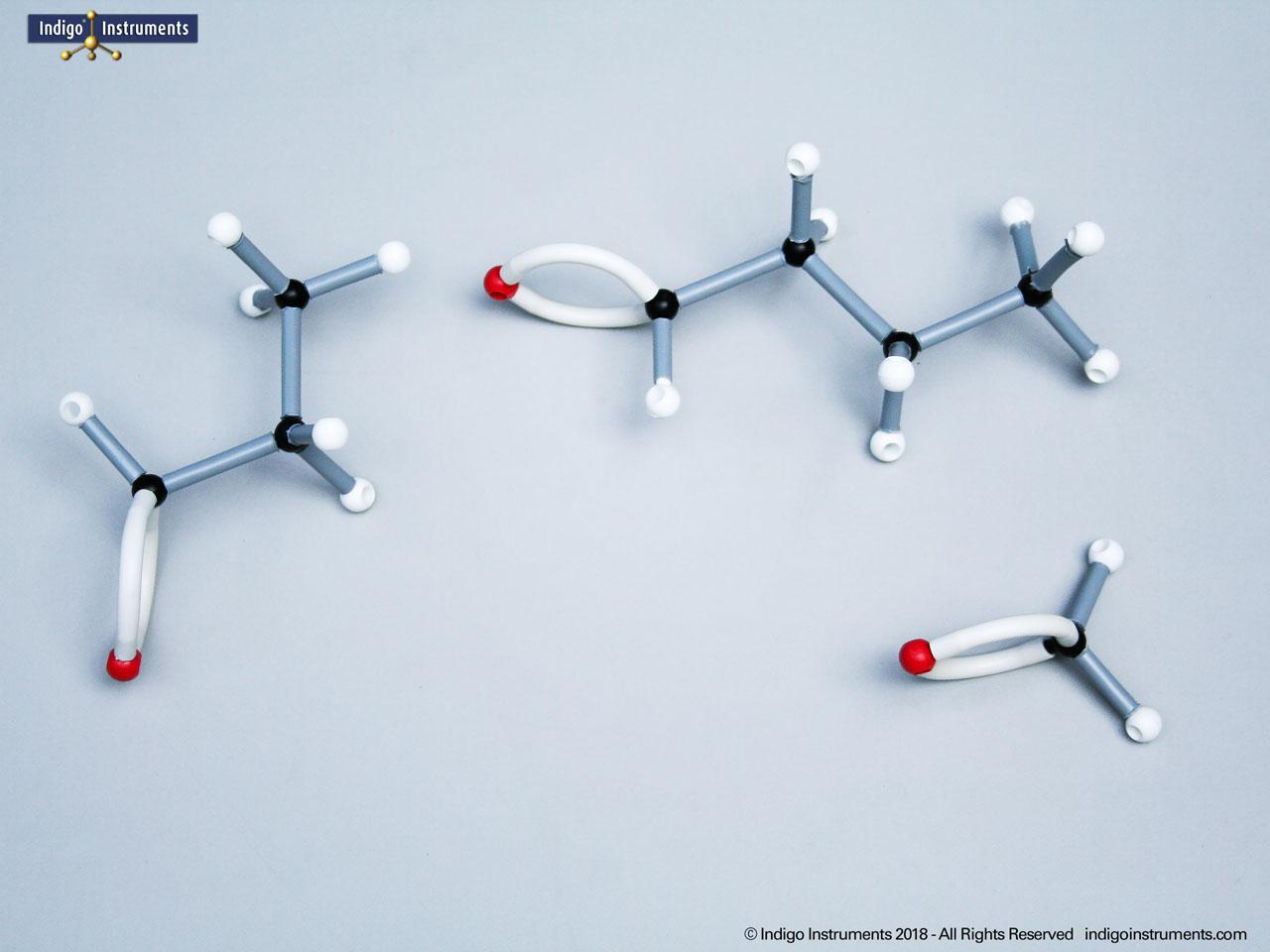
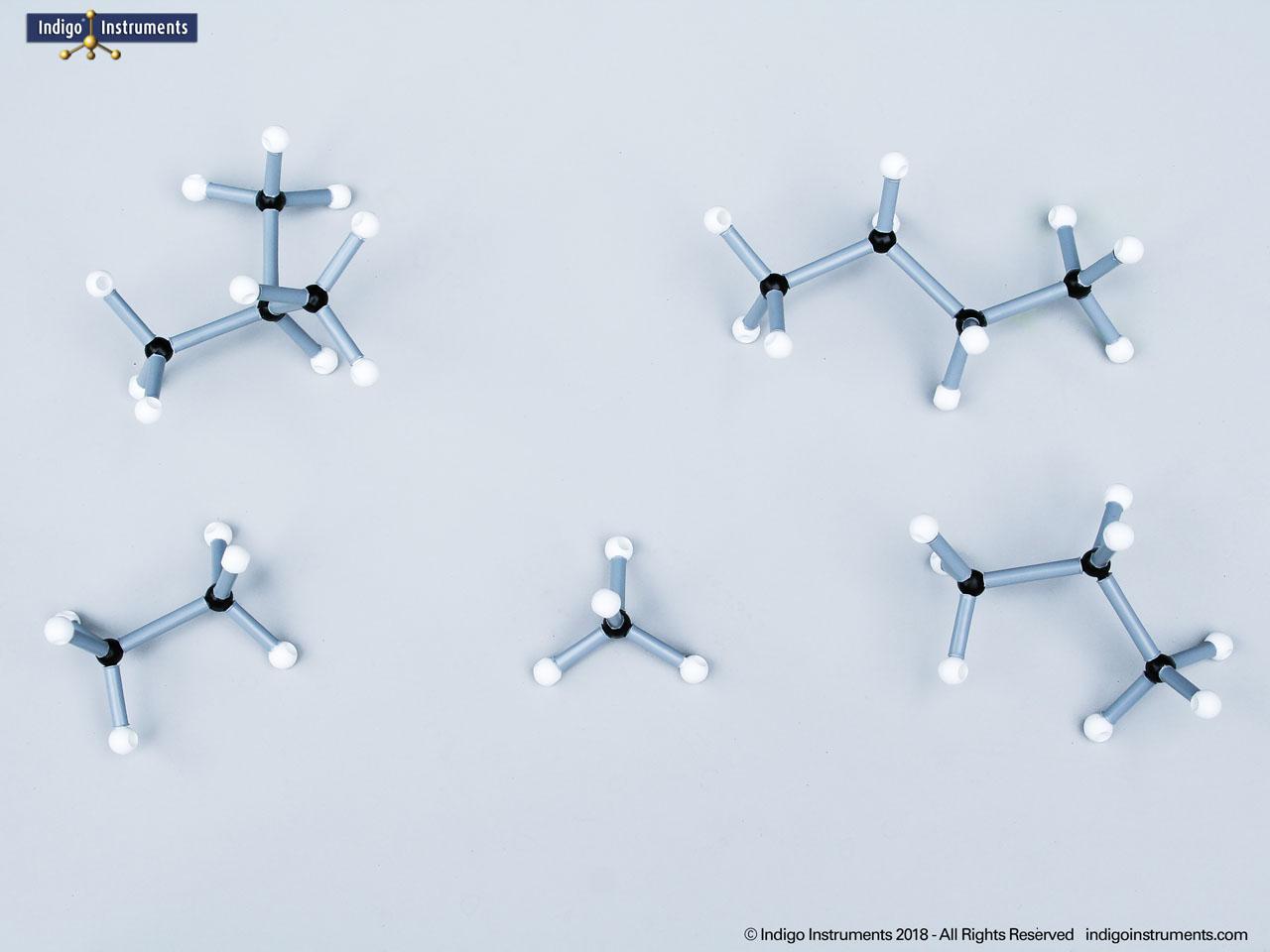
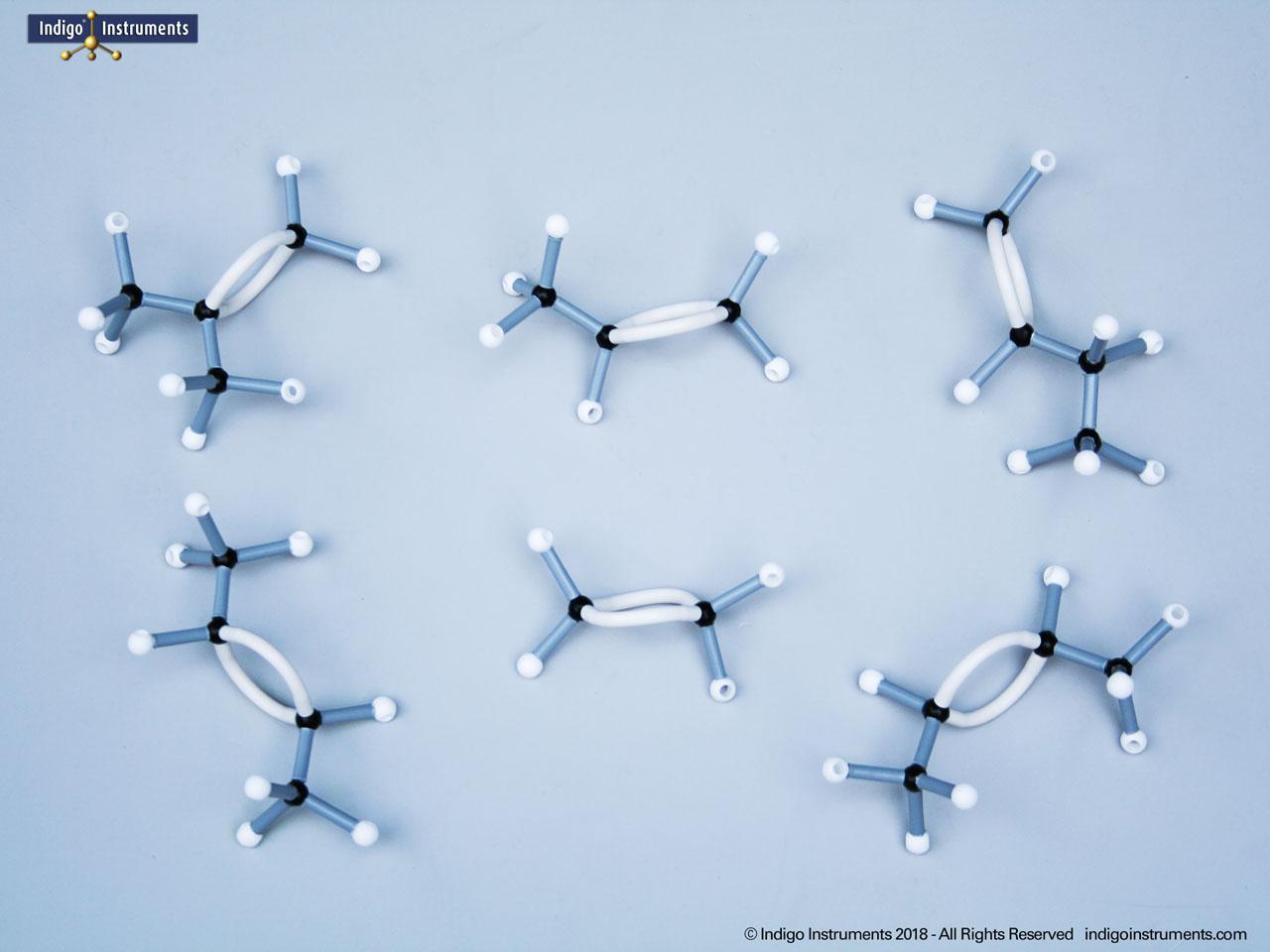
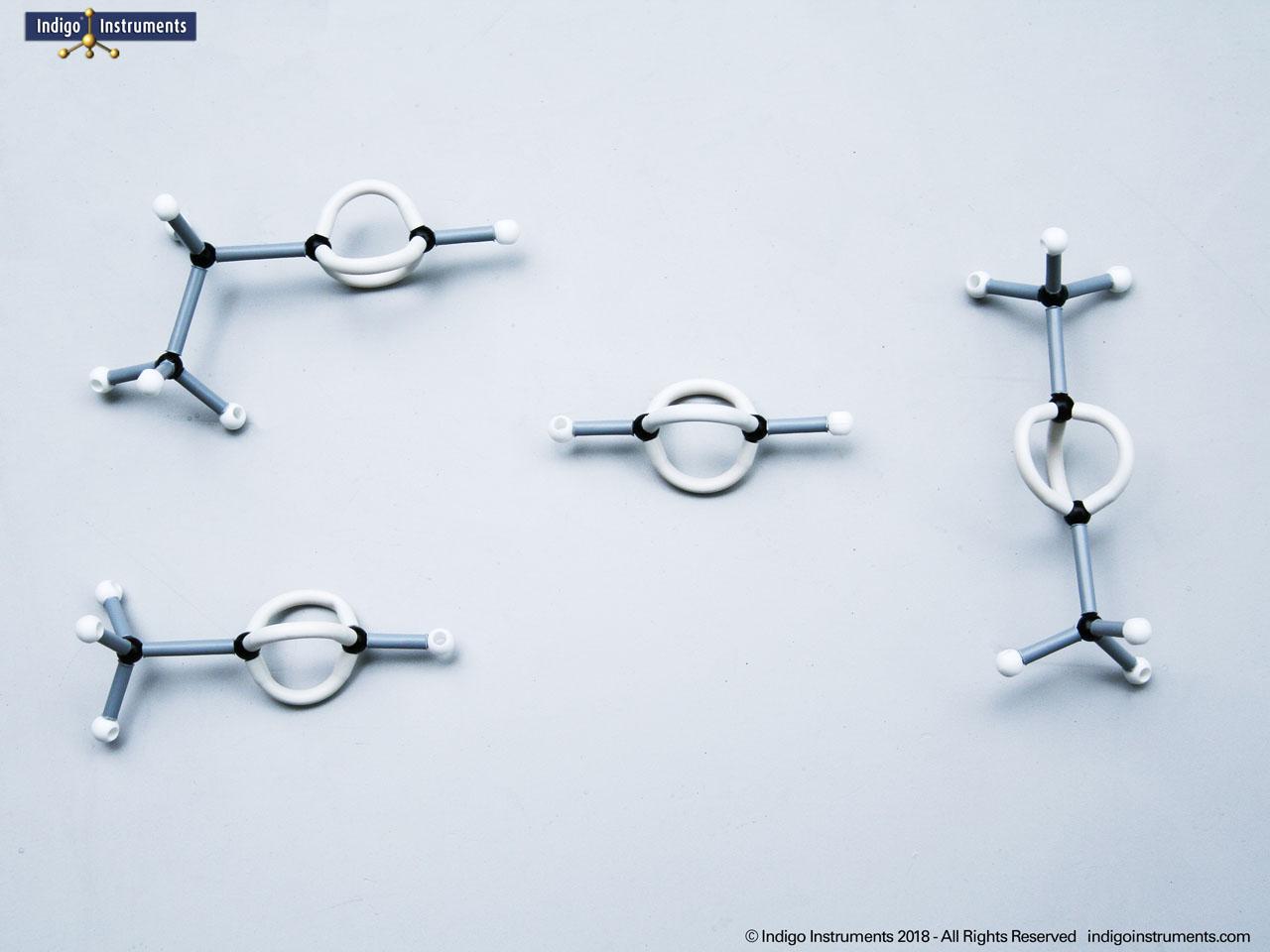
Glucose Enantiomers
SKU: 68845NV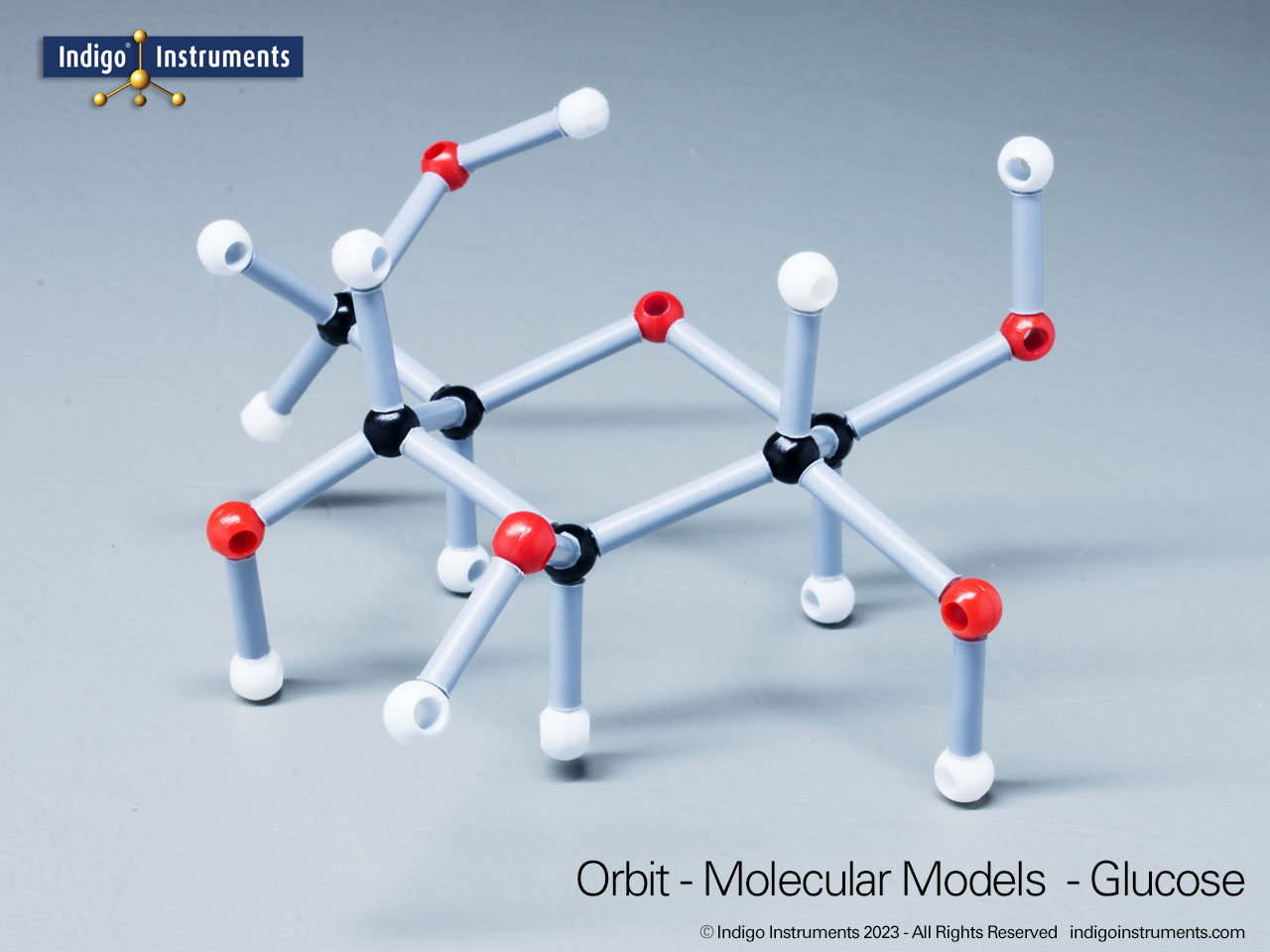
Building models of glucose isomers is a practical way to understand stereochemistry. Glucose has 16 possible stereoisomers in linear form & 32 ring forms. These include galactose, maltose & others, all of which can take on chair & boat conformations similar to cyclohexane. This is especially of interest to biologists/biochemists since it relates chemical structure to enzyme specificity.
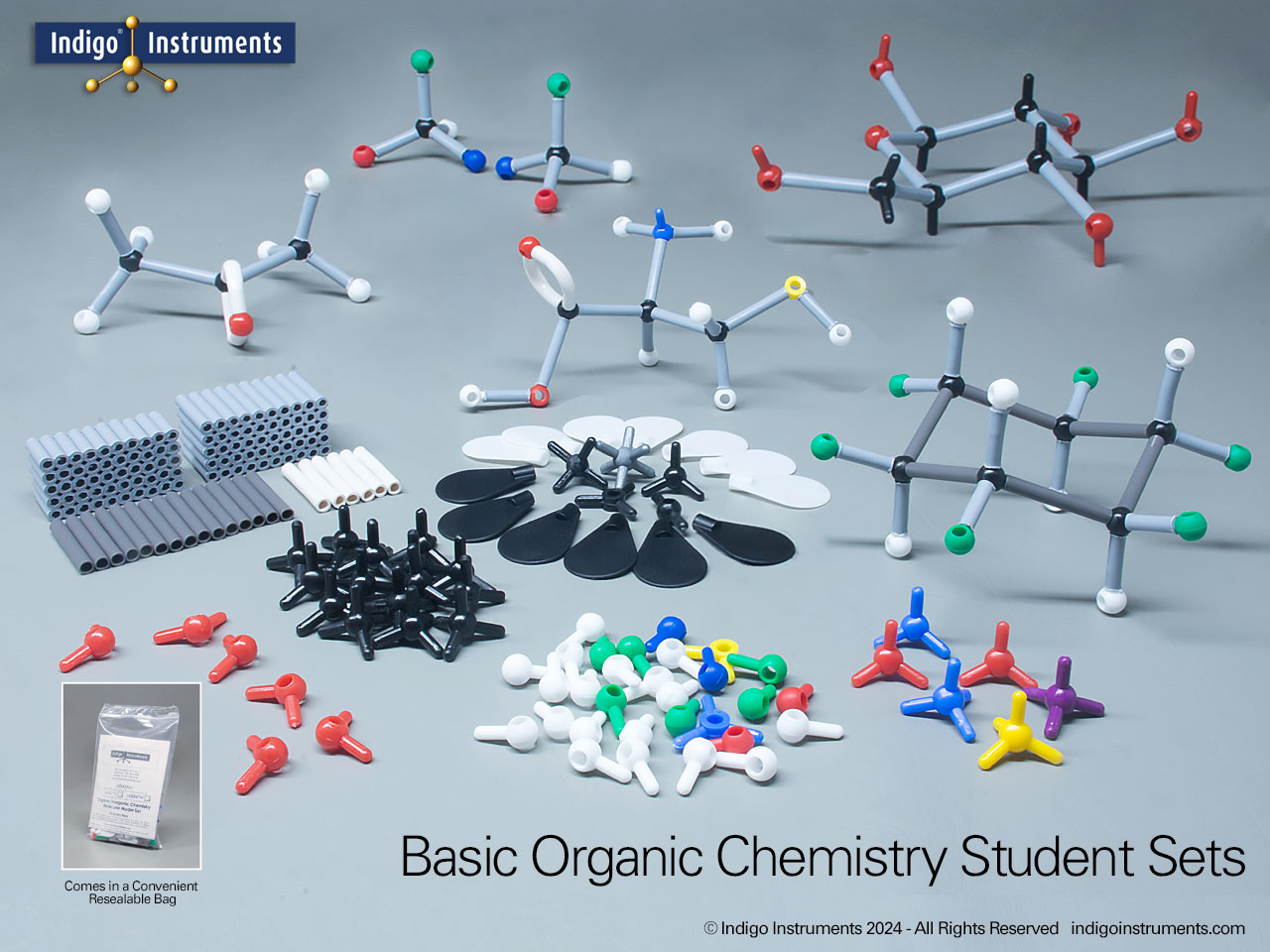
Building physical models of glucose and its isomers using organic chemistry molecular model kits is one of the most effective ways to visualize stereochemistry, especially for students preparing for the MCAT or enrolled in introductory biochemistry. In its linear form, glucose has 16 stereoisomers, and its ring forms can number up to 32, including biologically significant sugars such as galactose, mannose, and maltose.
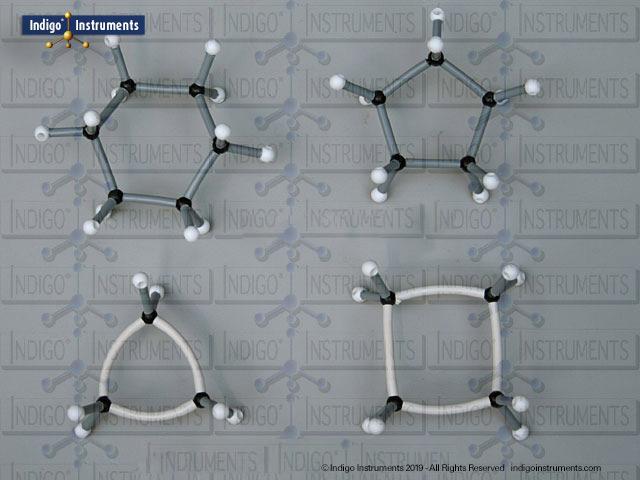
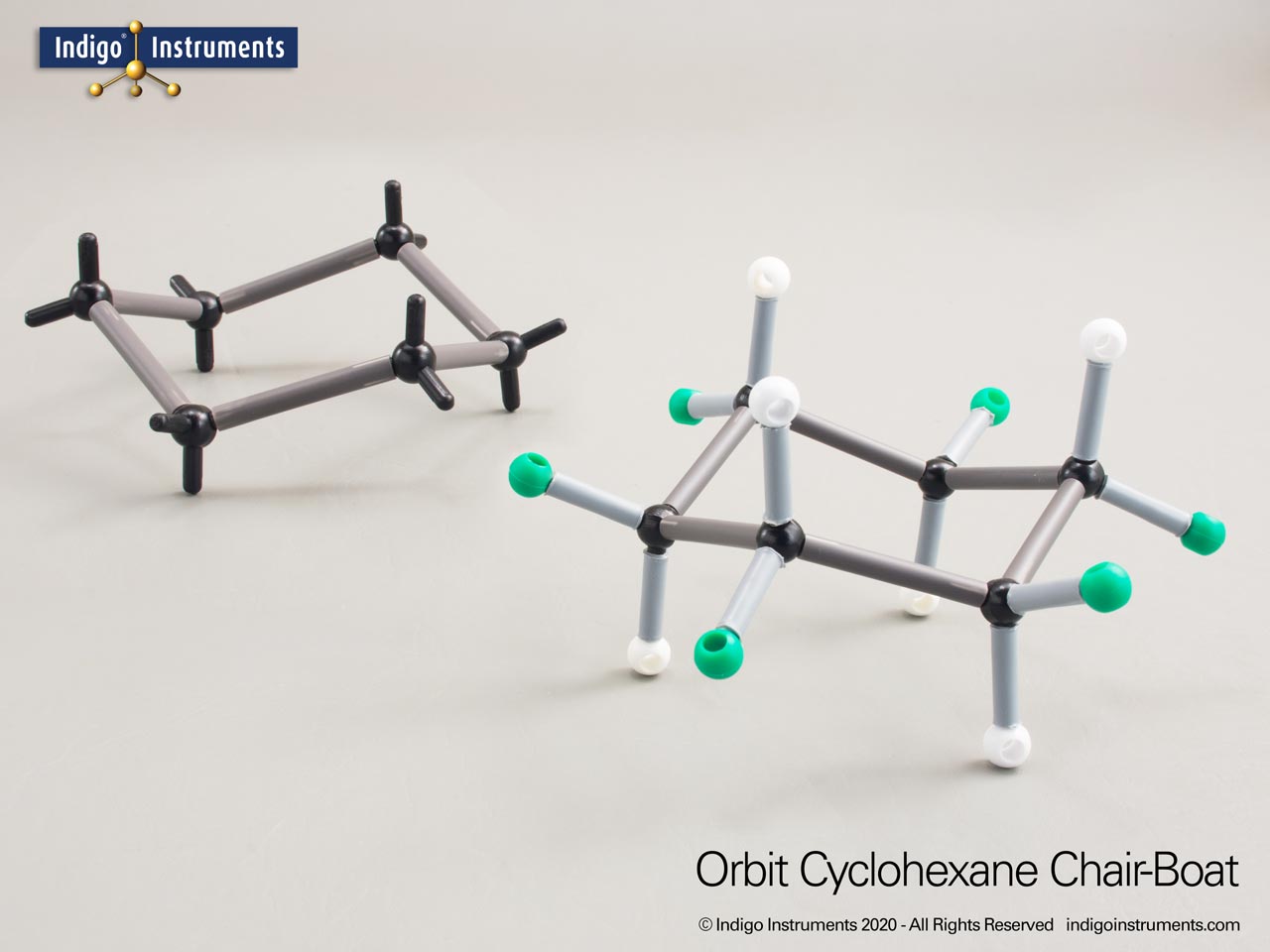
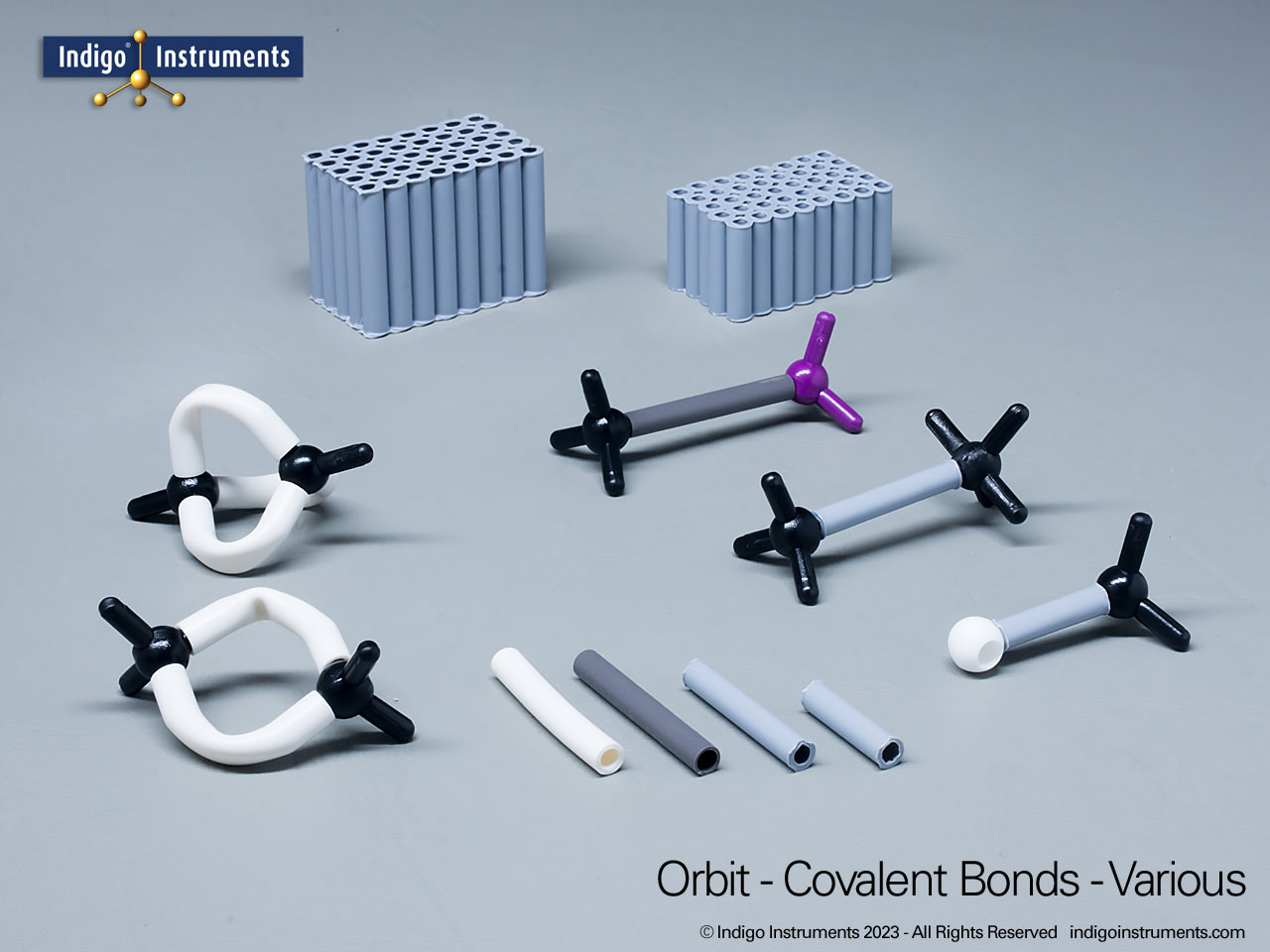
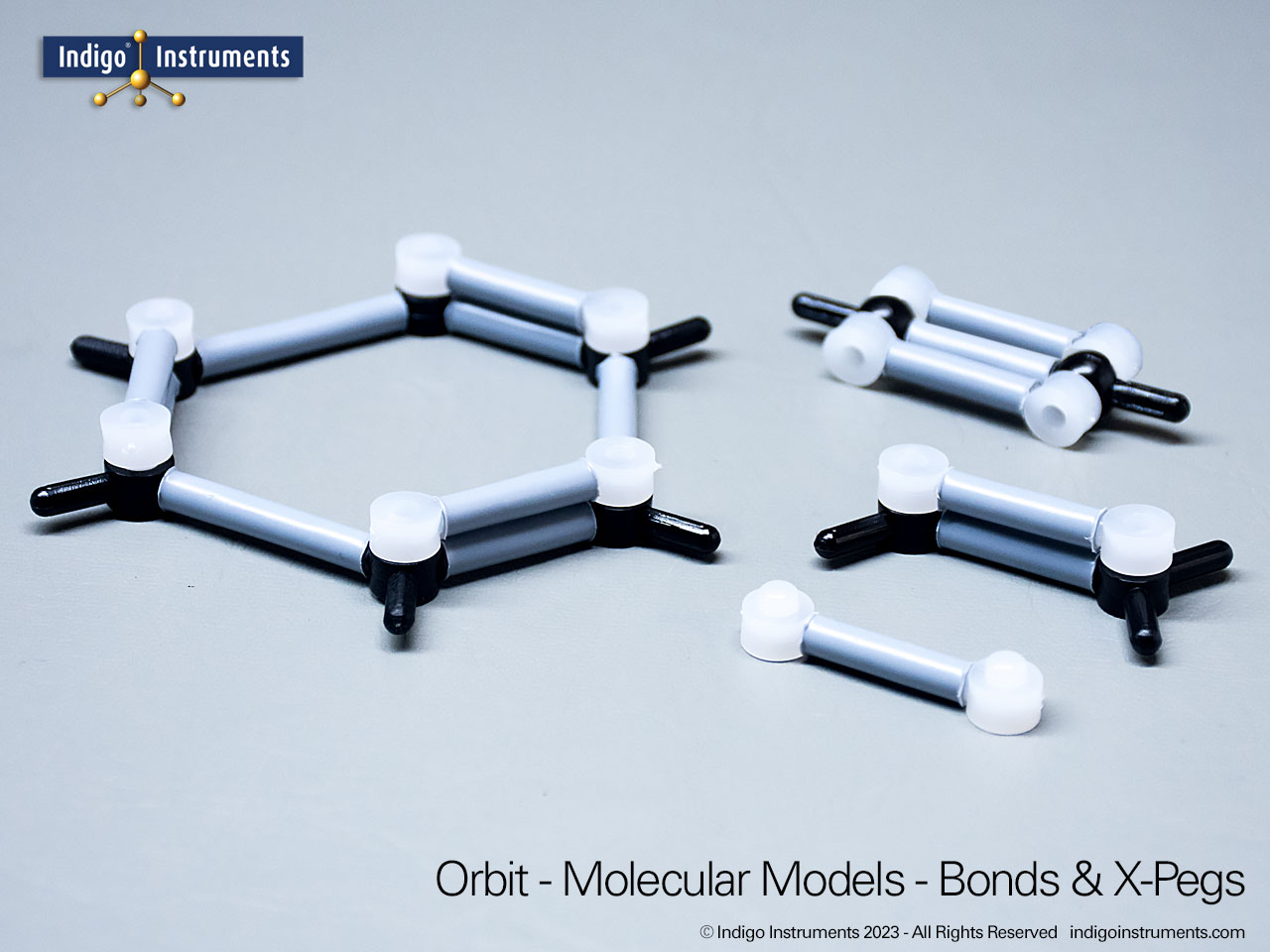
These ring structures adopt chair and boat conformations, just like cyclohexane, making model-building kits with stiff bonds such as this ideal for accurate ring flipping. Understanding these 3D shapes is critical to grasping how enzyme-substrate specificity works, particularly in processes like glycolysis, glycogen storage, and cell surface recognition.
MCAT Prep: Mastering Sugar Isomers
For MCAT review or undergraduate coursework, using a visual aid like this glucose molecular model kit helps solidify the relationship between carbohydrate structure and biological function. Understanding sugar stereochemistry is essential for biochemistry students especially as it relates to carbohydrate isomers within the context of organic chemistry.
The chair conformation of glucose, being essentially the same as cyclohexane, should make the concept of cell surface recognition & enzyme specificity more obvious.
Learning Outcomes: What Different Students Need to Know
Glucose For Chemistry Majors:
- Understand the cyclic and linear forms of glucose, including the hemiacetal functional group formation.
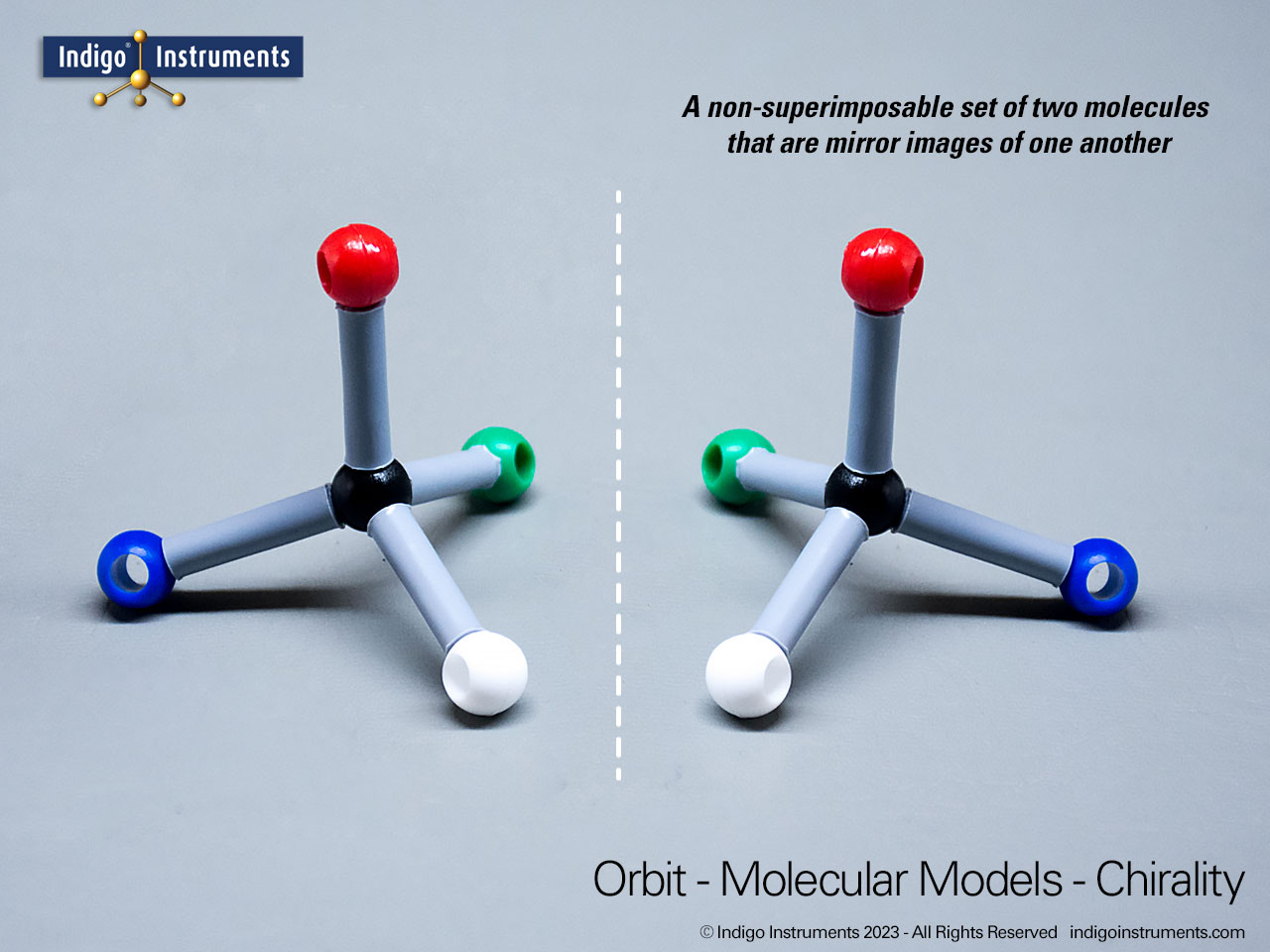
- Recognize stereochemistry at each chiral center and its influence on glucose’s chemical properties.
- Use molecular models to visualize ring conformations (pyranose vs furanose forms) and anomeric effects.
- Explore mechanisms of mutarotation and reactions involving glucose’s reactive groups.
For Biology, Nursing & Premed Majors:
- Identify glucose as a primary energy source and its role in cellular metabolism.
- Understand glucose’s stereochemical configuration as critical for enzyme recognition and metabolism.
- Appreciate the biological significance of D- vs L-glucose and the role of glucose in blood sugar regulation.
- Use models to visualize glucose interactions with enzymes and transport proteins.
Indigo Instruments has stocked genuine Cochranes of Oxford molecular model parts for 30+ years. Customize or replenish any model set/kit we have ever sold!