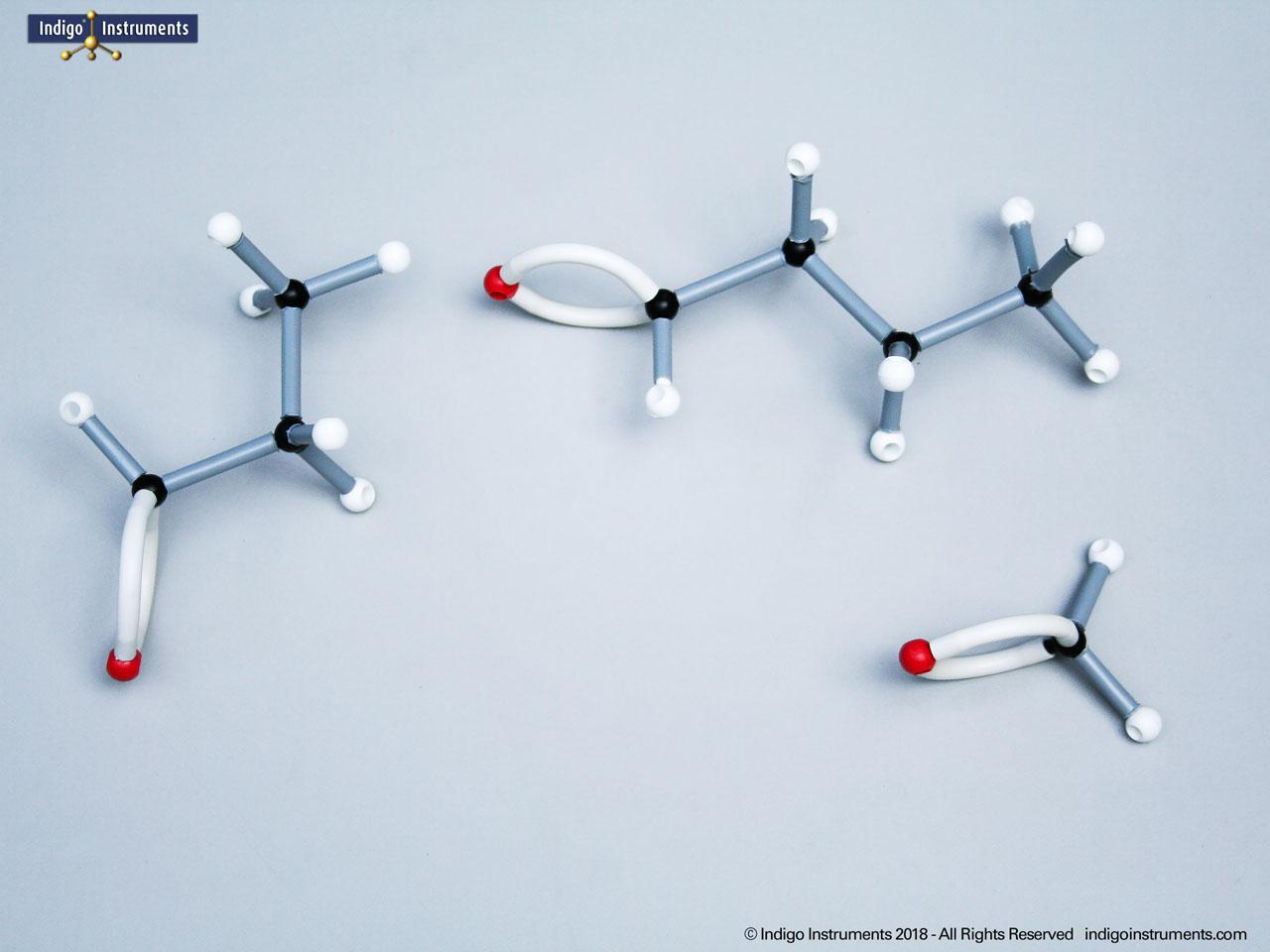
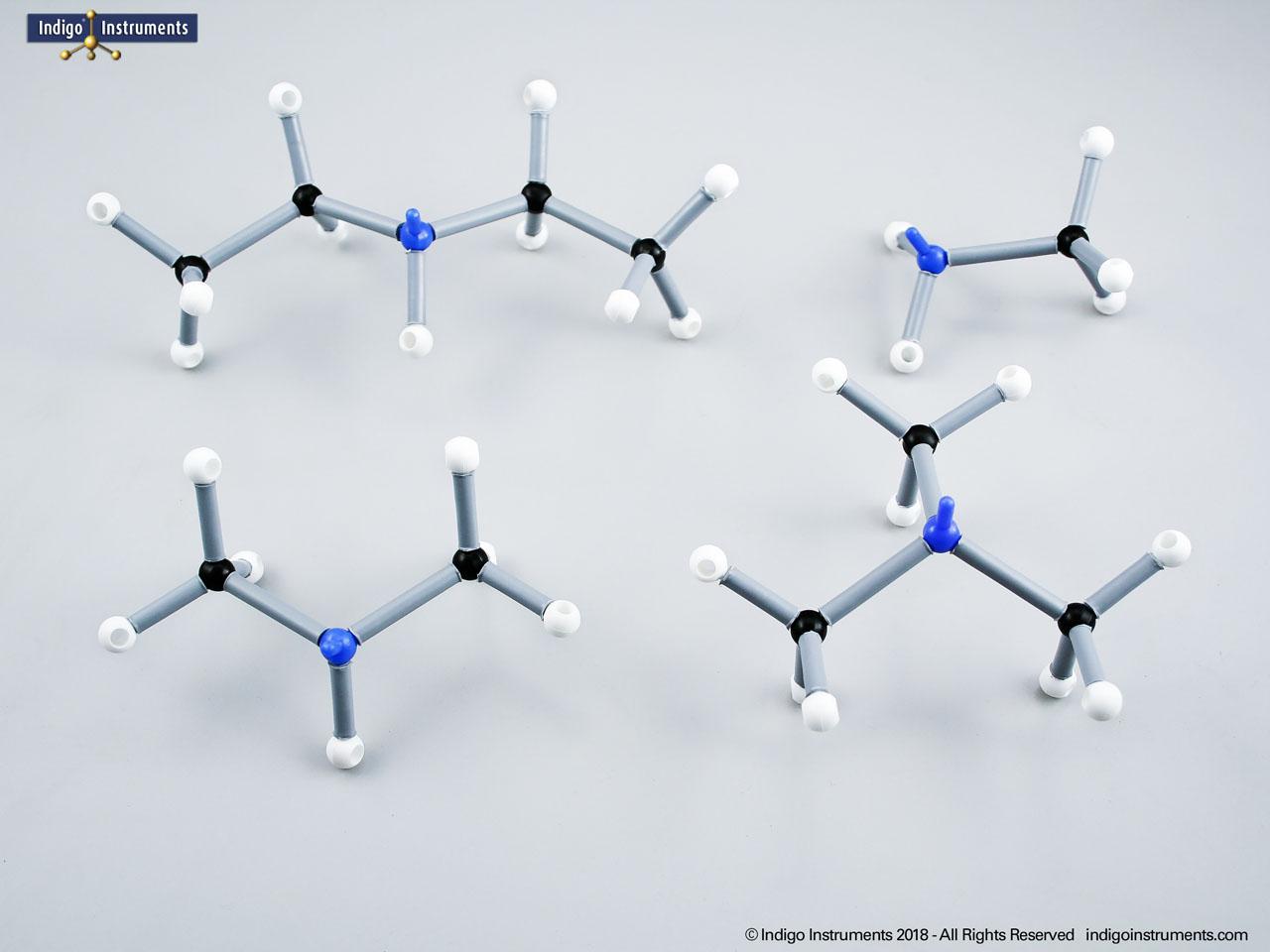
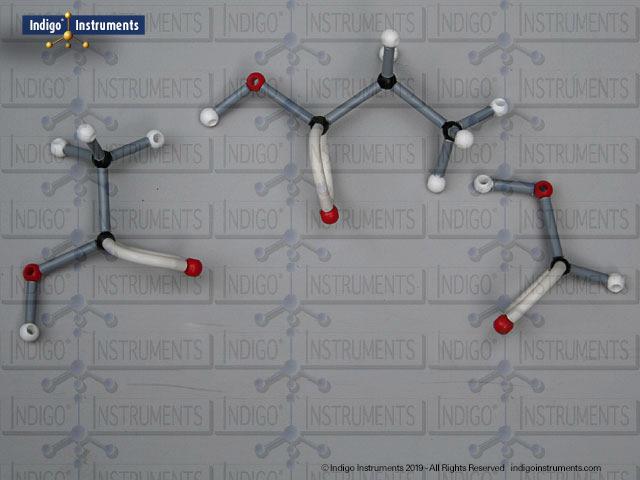
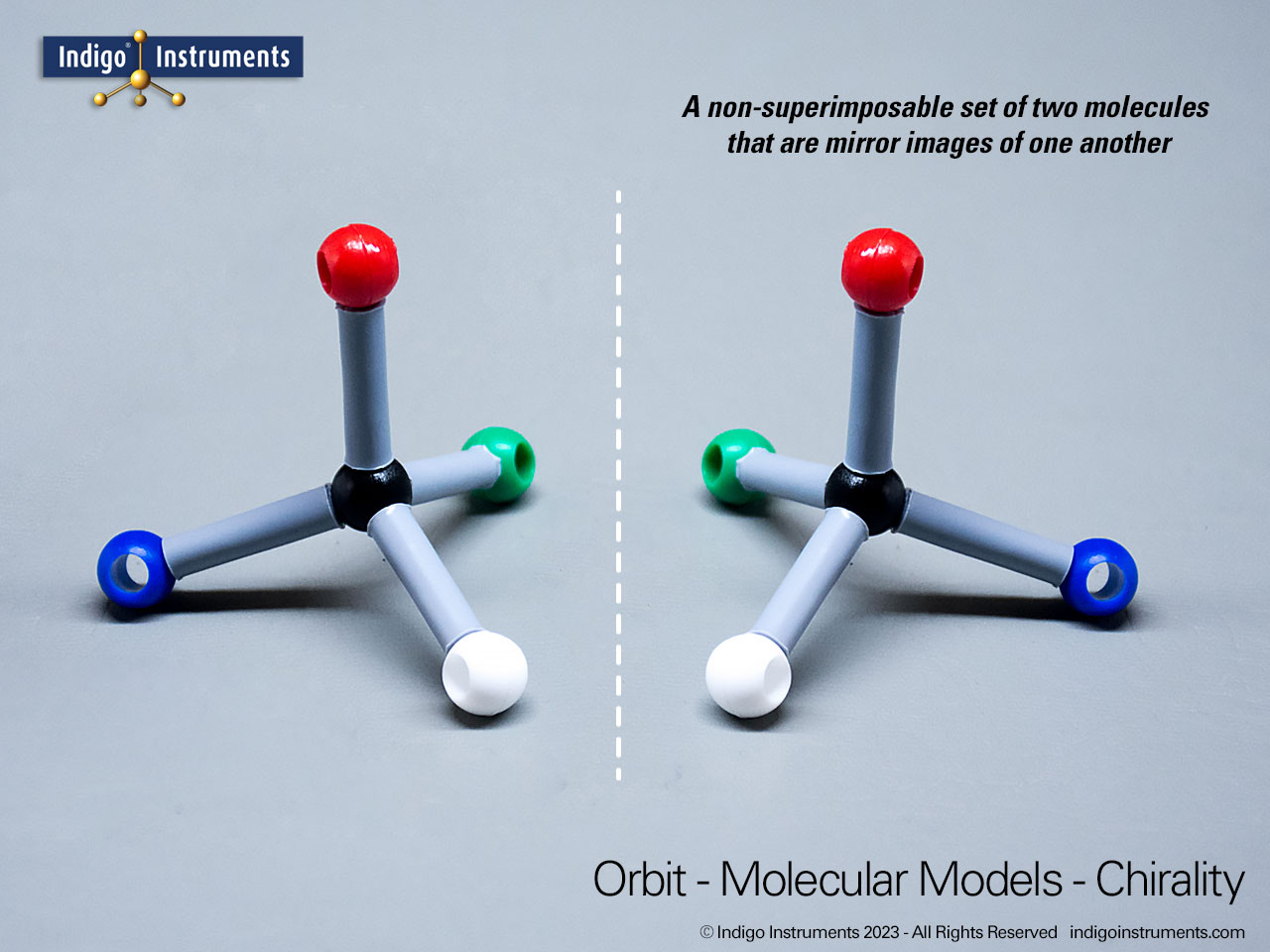
Discover alkane molecular models for teaching and research. Learn how straight-chain, branched, and cyclic alkanes illustrate key concepts in organic chemistry, biochemistry, and MCAT preparation.
Alkanes are the simplest organic compounds. They are nonpolar & water insoluble (hydrophobic) with different physical and chemical properties. These saturated hydrocarbons are fundamental to understanding organic chemistry. Alkane molecular models clearly demonstrate the tetrahedral geometry of carbon atoms, the effect of branching on physical properties, and the basis for IUPAC naming. In biochemistry and MCAT preparation, alkanes are an essential starting point for learning about hydrocarbon reactivity, isomerism, and the structural backbone of more complex biomolecules.
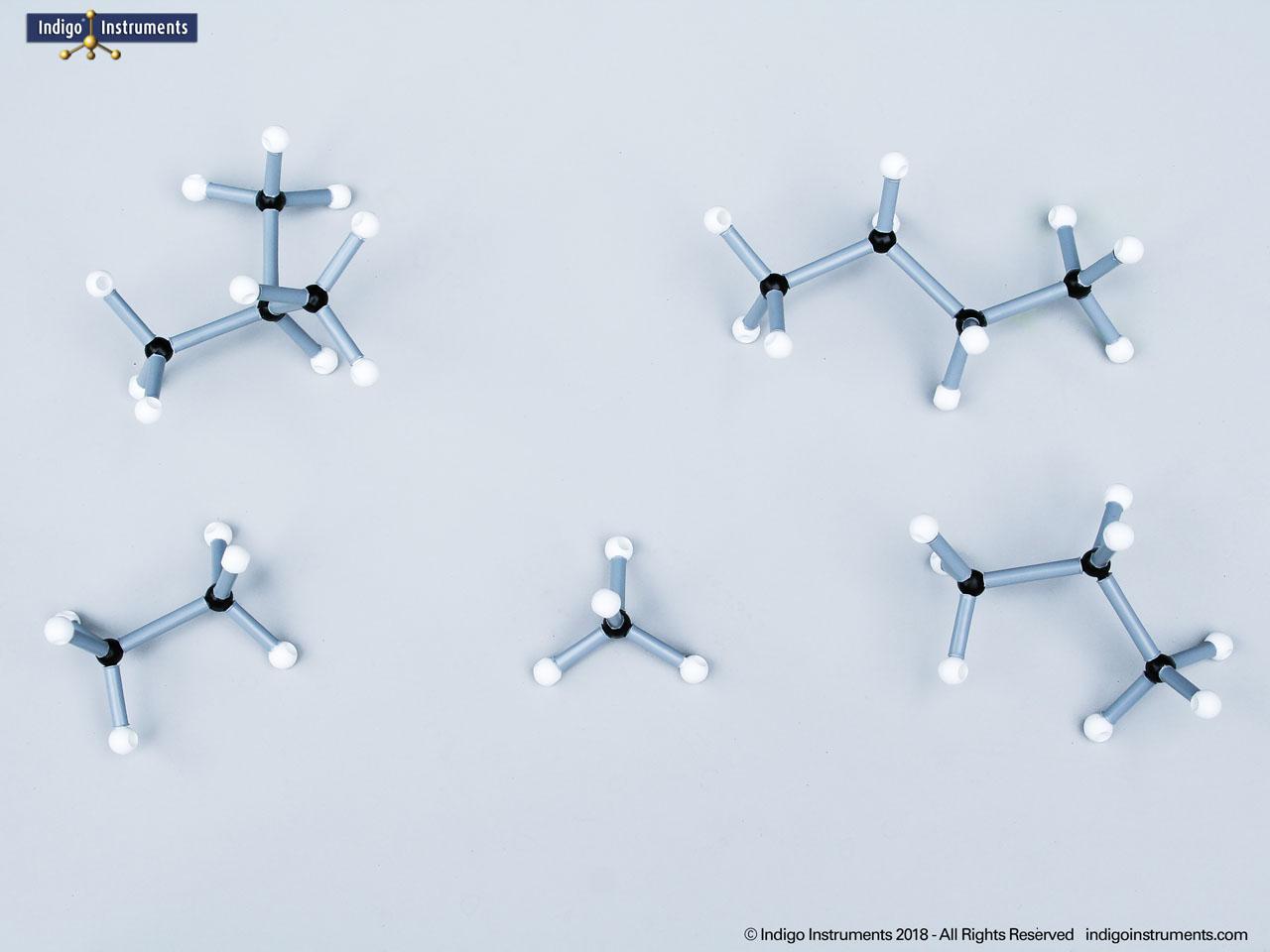
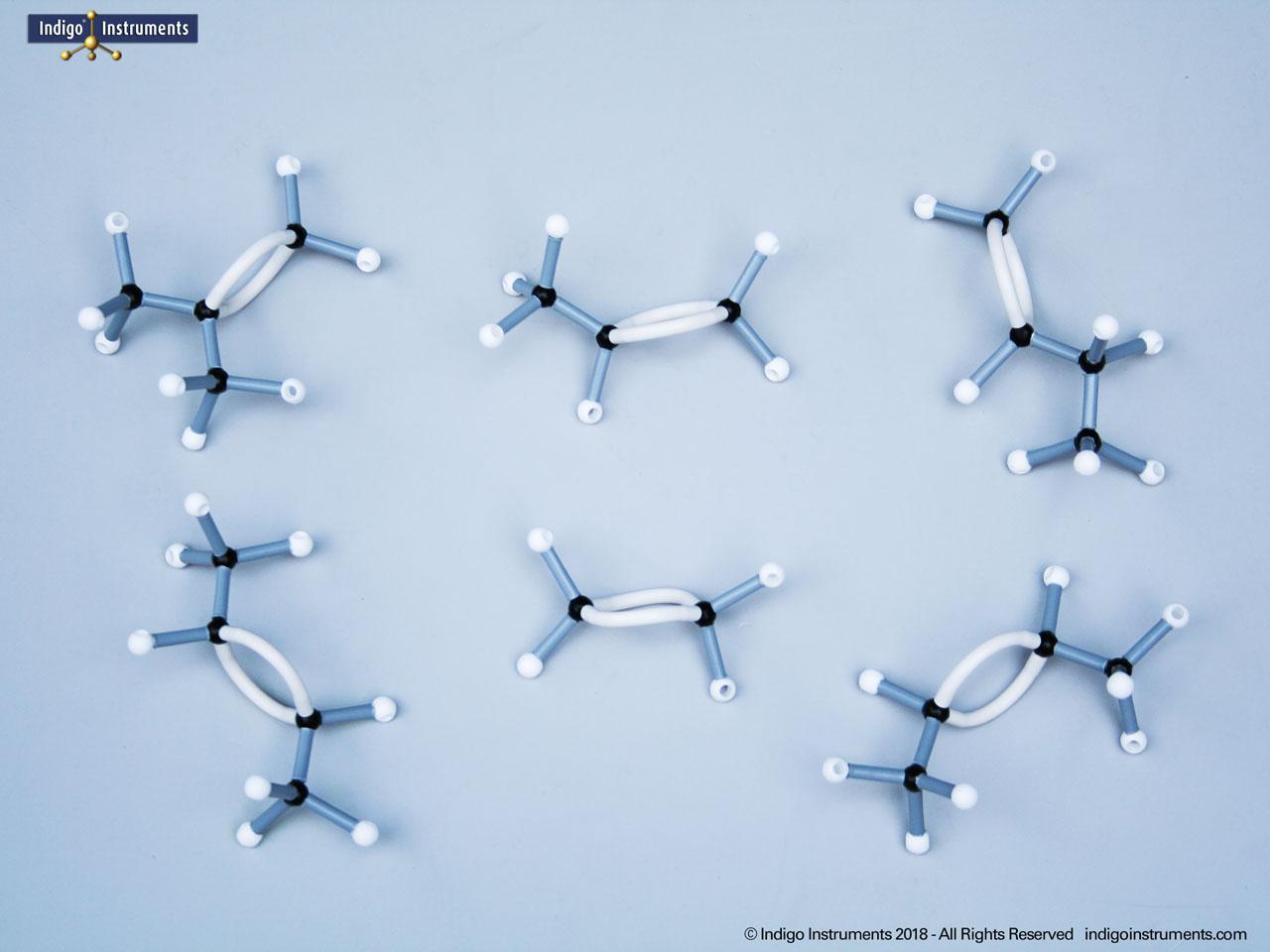
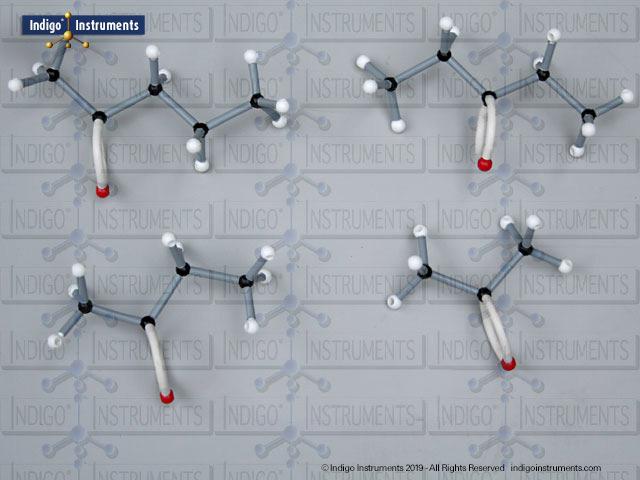
The 68845NV Foundation basic student molecular set can build standard straight chain alkanes such as CH4 (methane), C2H6 (ethane), C3H8 (propane), C4H10 (butane), C5H12 (pentane), C6H14 (hexane), C7H16 (heptane), & C8H18 (octane). Or, compare these 5 structural isomers: Hexane; 2-methylpentane; 3-methylpentane; 2,3-dimethylbutane; 2,2-diemethylbutane isomers.
| Compound | Chemistry Focus | Biology / Medicine / Nursing Focus |
|---|---|---|
| Methane (CH4) | Simplest alkane; tetrahedral sp3 carbon; very low polarizability. | Endogenous intestinal gas; asphyxiation risk in confined spaces; greenhouse gas awareness. |
| Ethane (C2H6) | Free rotation about C–C; Newman projection basics; staggered vs eclipsed conformations. | Illustrates anesthetic structure–activity trends historically; gas handling safety. |
| Propane / n-Butane / Isobutane | Boiling point trends with chain length & branching; vapor pressure; London dispersion forces. | Inhalation hazard; cryogenic burns from rapid evaporation; common propellants in medical/consumer aerosols. |
| n-Pentane / n-Hexane | Solvent properties; conformational isomerism; increased dispersion with chain length. | Occupational exposure: CNS effects; n-hexane neurotoxicity with chronic high exposure—PPE/ventilation importance. |
| Octane (C8H18) | Structural isomers; relation to “octane rating” via combustion knock resistance (2,2,4-trimethylpentane reference). | Fuel safety around clinical sites; education on flammability & storage protocols. |
| Decane–Dodecane (C10-C12) | Rising viscosity & hydrophobicity; decreased volatility; trends in melting/boiling points. | Components of mineral spirits; dermal defatting/dermatitis risk—glove selection & skin care. |
| Eicosane & higher (C20+ paraffins) | Waxlike solids; crystal packing; van der Waals lattice; polymer backbones (–CH2–)n. | Ointment bases (paraffin/petrolatum); occlusive skin barriers; pressure sore prevention protocols. |
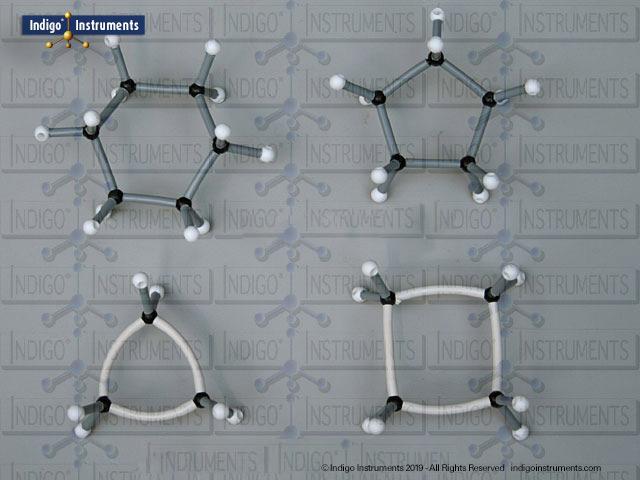
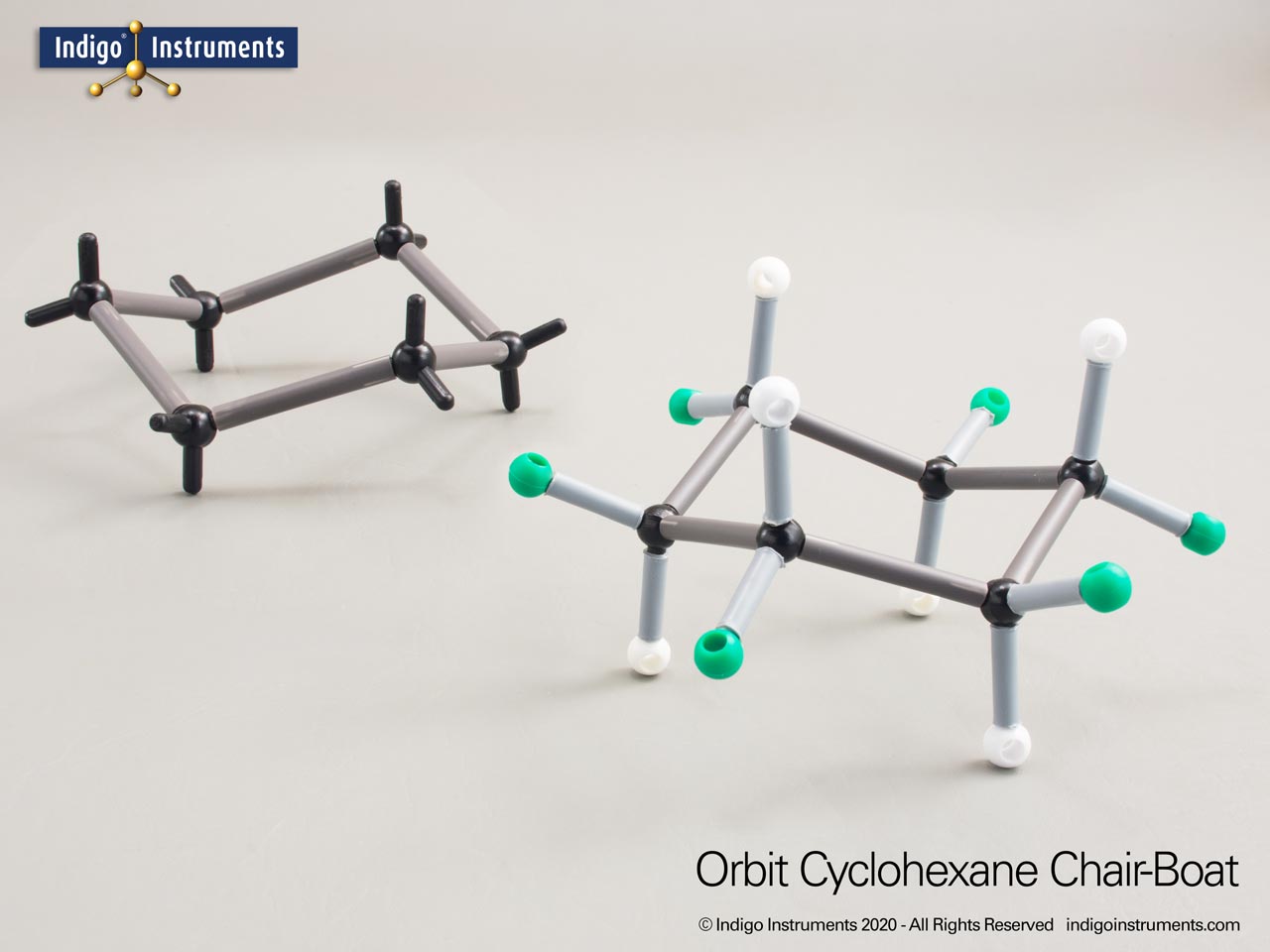
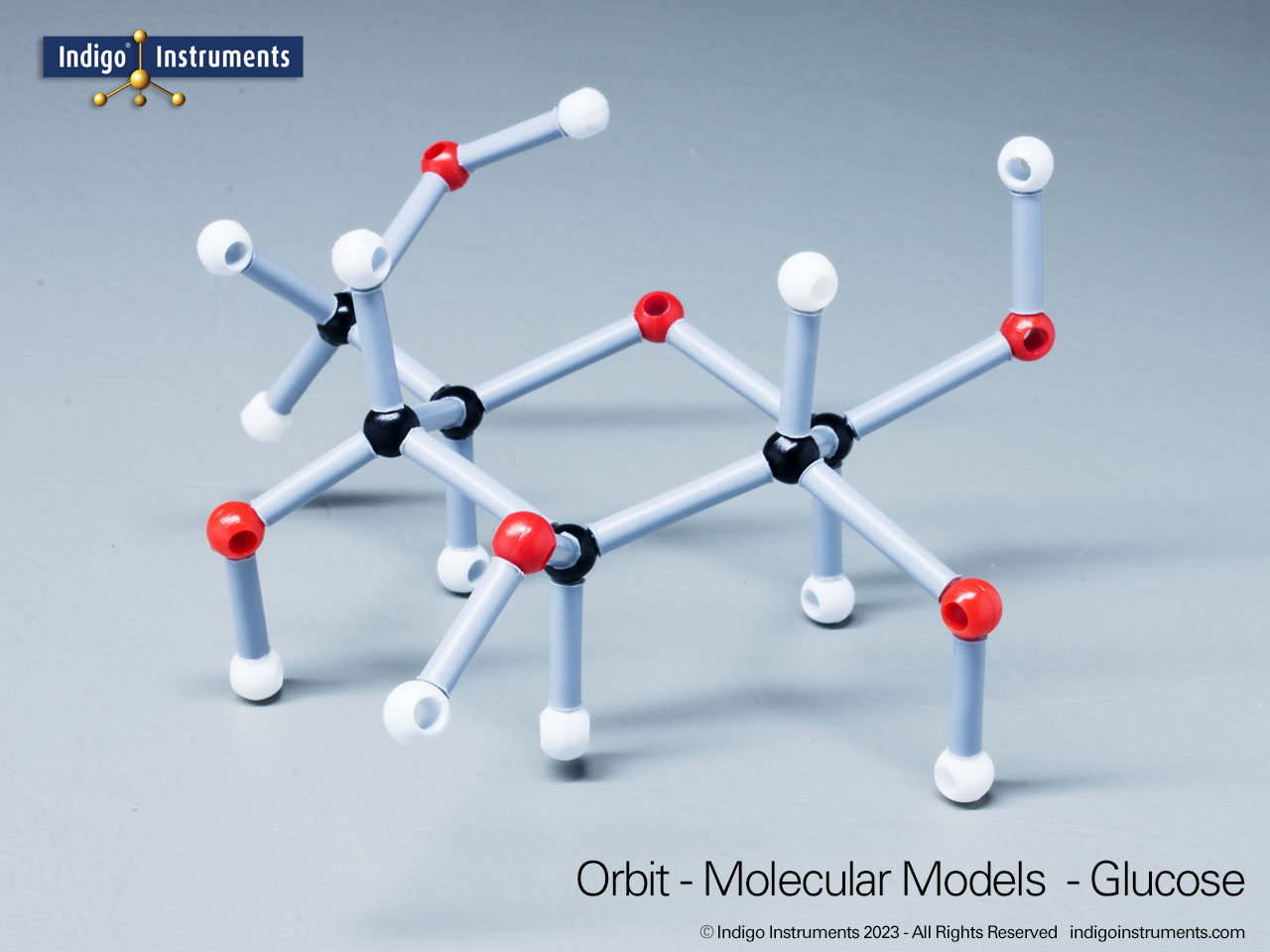
| Cyclohexane | Chair/boat conformations; axial vs equatorial; ring flips; conformational analysis cornerstone. | Medicinal chemistry scaffold understanding for drug shapes; solvent safety in labs/clinics. |
| Cyclopropane / Cyclobutane | Ring strain; bent bonds; reactivity differences among small rings. | Historical anesthetic (cyclopropane) — replaced for safety; teaching risk–benefit evolution. |
| Isopentane / Neopentane (branched) | Branching lowers boiling point; compact shapes; entropy & packing discussions. | Volatility awareness in pharmacy compounding; ventilation & ignition control. |
| Polyethylene fragment (–CH2–)n | Saturated carbon backbone; tacticity & crystallinity; materials properties. | Medical-grade plastics (tubing, syringes, implants); biocompatibility & sterilization considerations. |
| Squalane (C30H62) | Highly branched saturated hydrocarbon (hydrogenated squalene); very low reactivity. | Dermatology emollient: skin barrier support, non-comedogenic—use in wound care & xerosis management. |
| Mineral Oil (mixture of alkanes) | Mixture behavior; viscosity grades; inertness. | Laxative (lubricant) formulations; skin protectant; aspiration risk counseling. |
Use the Orbit Student Molecular Model Set 68845NV to bridge chemistry fundamentals (geometry, conformations, isomerism) with biological and clinical contexts (membranes, materials, safety).
Indigo Instruments has stocked genuine Cochranes of Oxford molecular model parts for 30+ years. Customize or replenish any model set/kit we have ever sold!
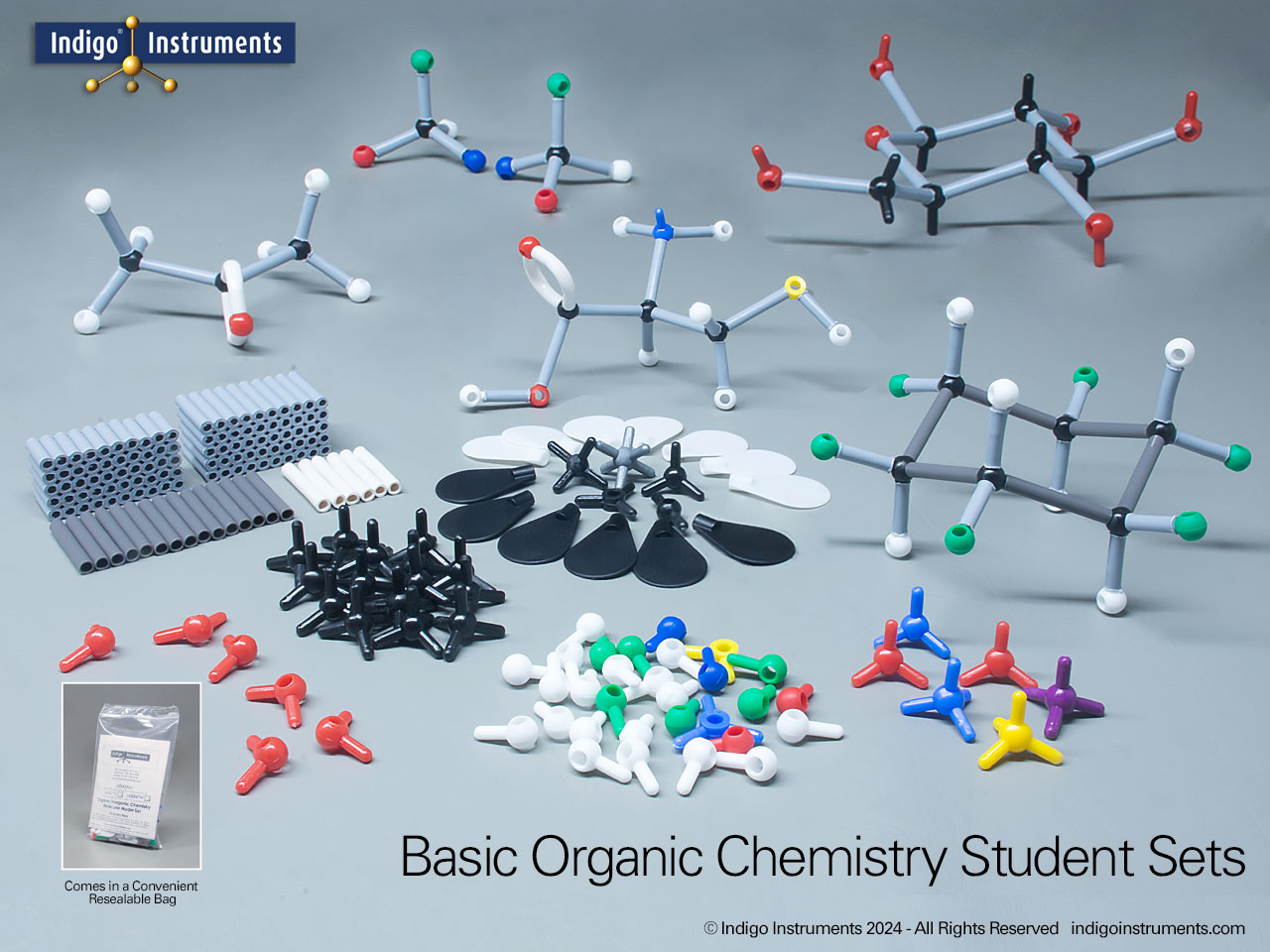
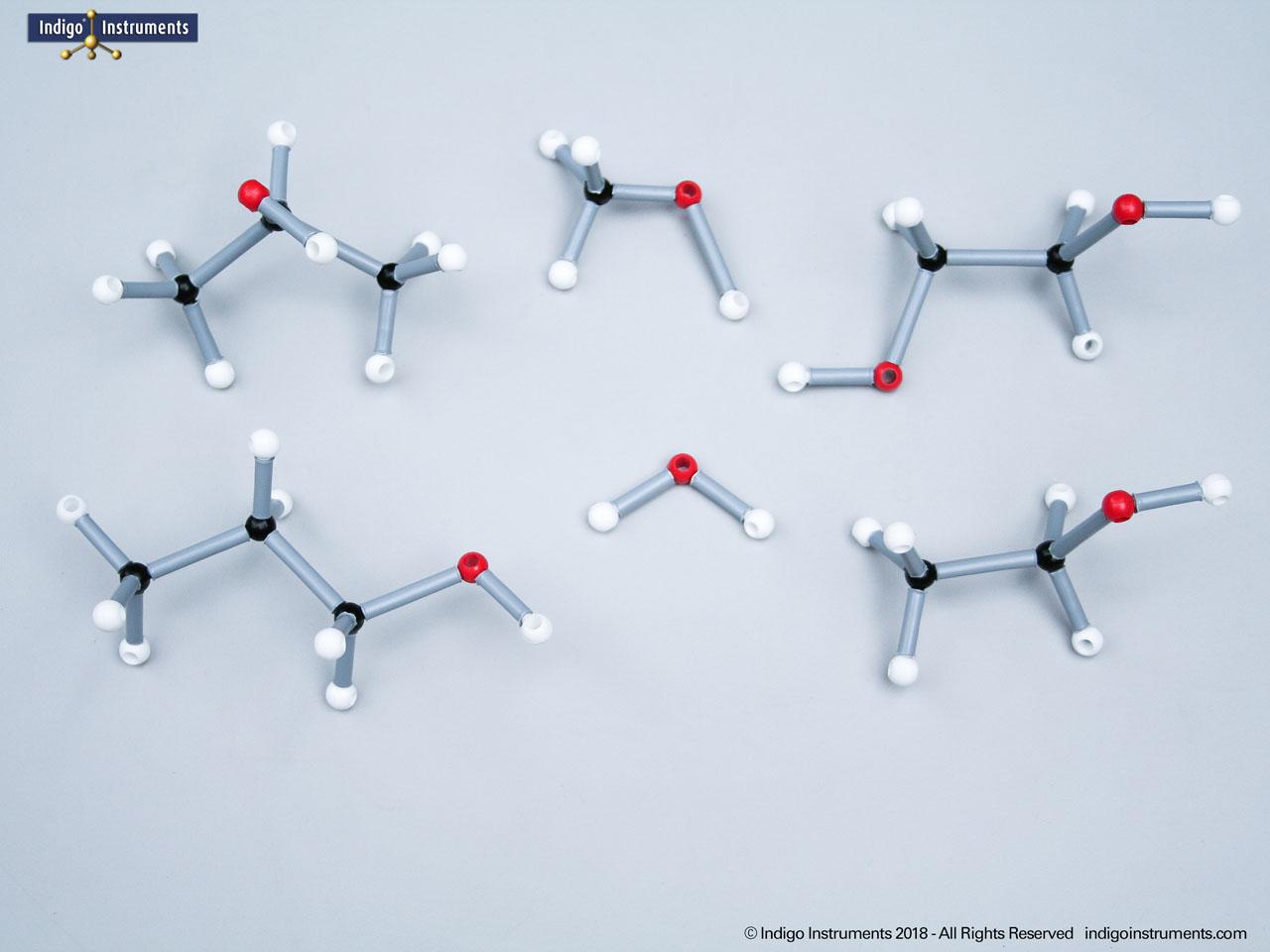
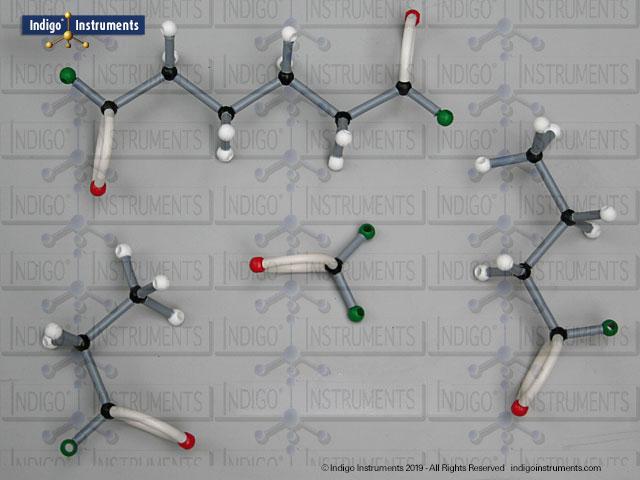
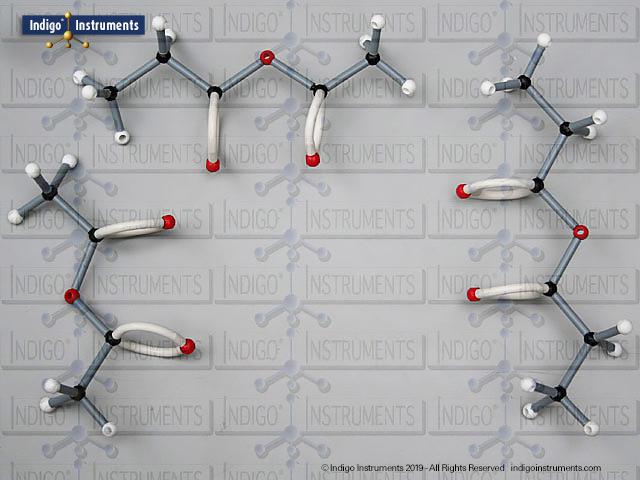
Even though alkanes are chemically simple, they form the scaffold for naming all organic compounds in the IUPAC system. By mastering alkane nomenclature, students can more easily name alcohols, ketones, carboxylic acids, and beyond, because those names build on the alkane “parent chain” with modified suffixes and prefixes.
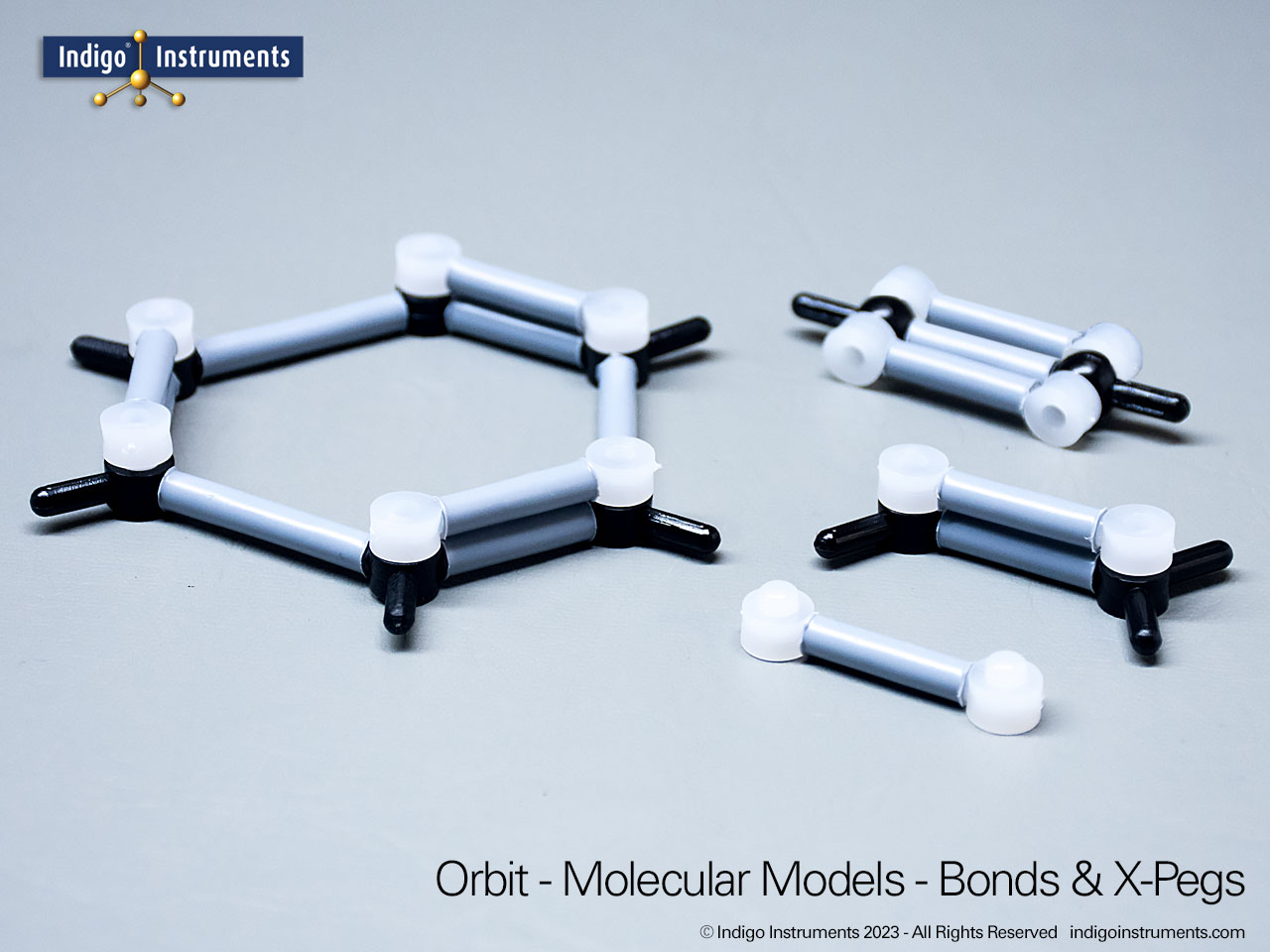
Straight, branched or ringed hydrocarbons up to C16 can be built without hydrogens to really challenge your IUPAC naming skills. You can further hone them by comparing what you built against what the Indigo® Instruments 3D Molecular Model Builder whether it's the simplest alkane or complex alkane chemical structure. Use the "Orbit-Basic" style for this model set. Some examples:
I've had consistently great service from this company. Our students seem to really appreciate the reasonable price. In the years that we've used this product, not one has been returned due to defects.
Considering how many of these we sell to schools every year, that is high praise indeed. Thanks letting us know.