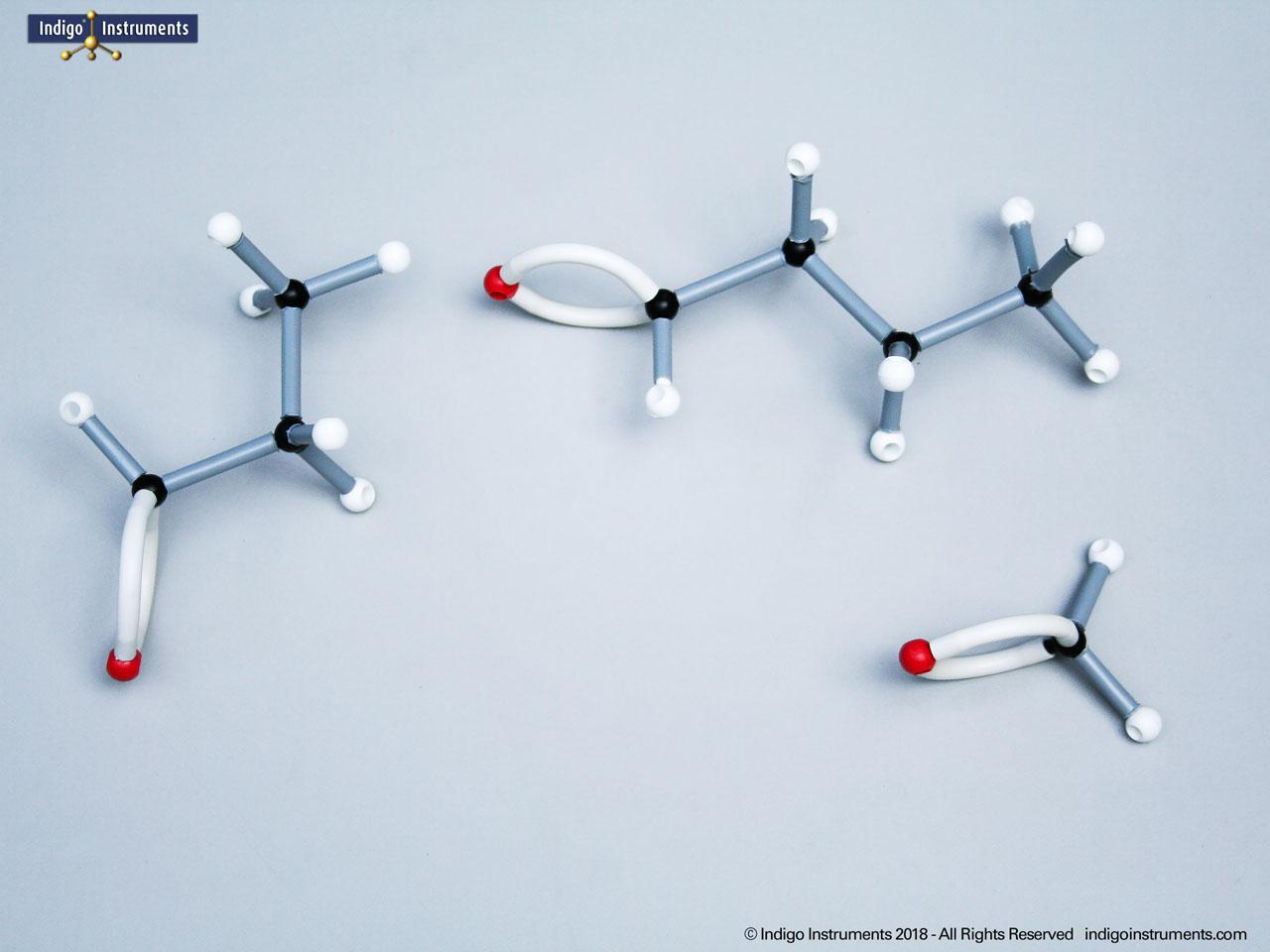
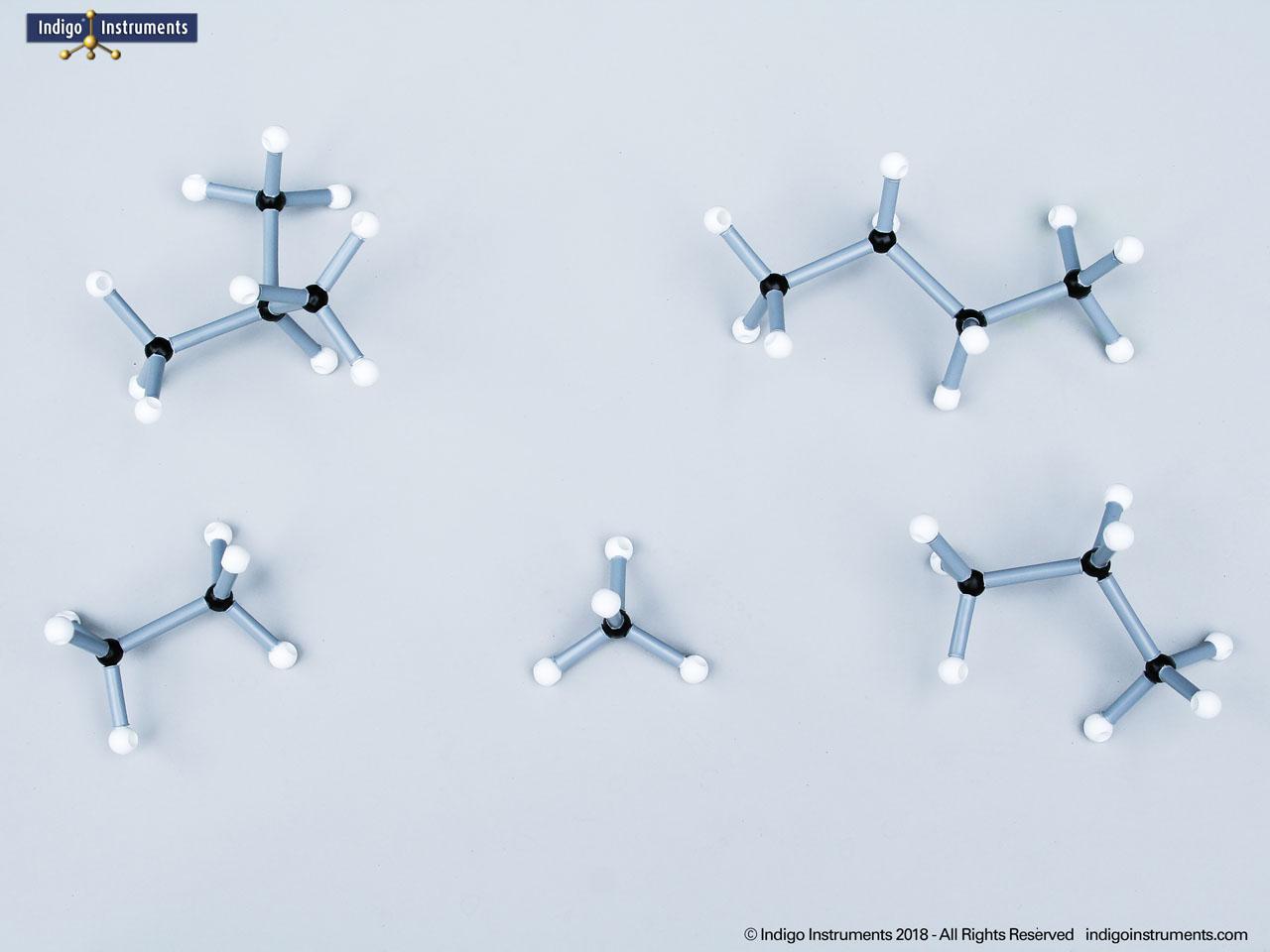
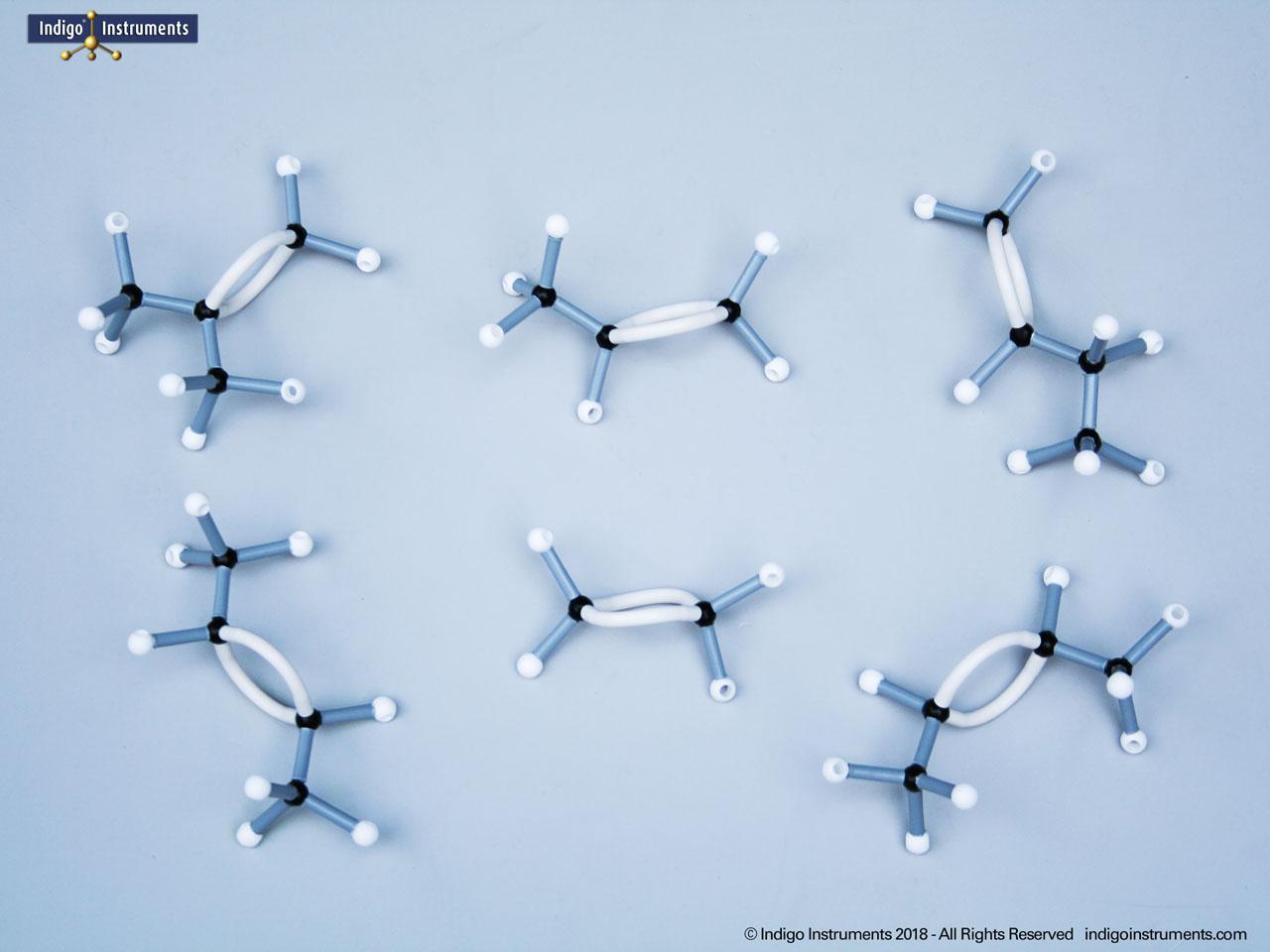
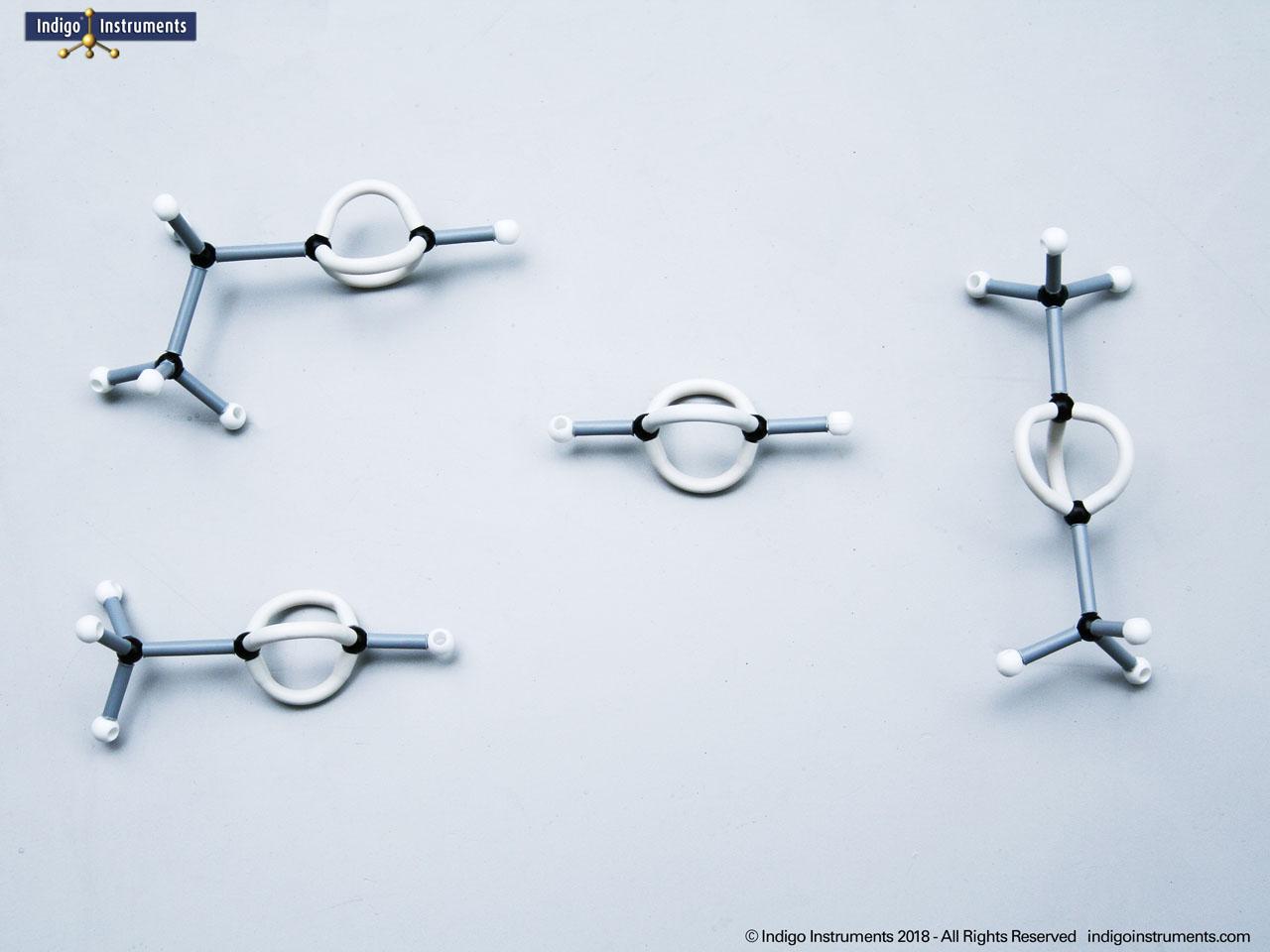
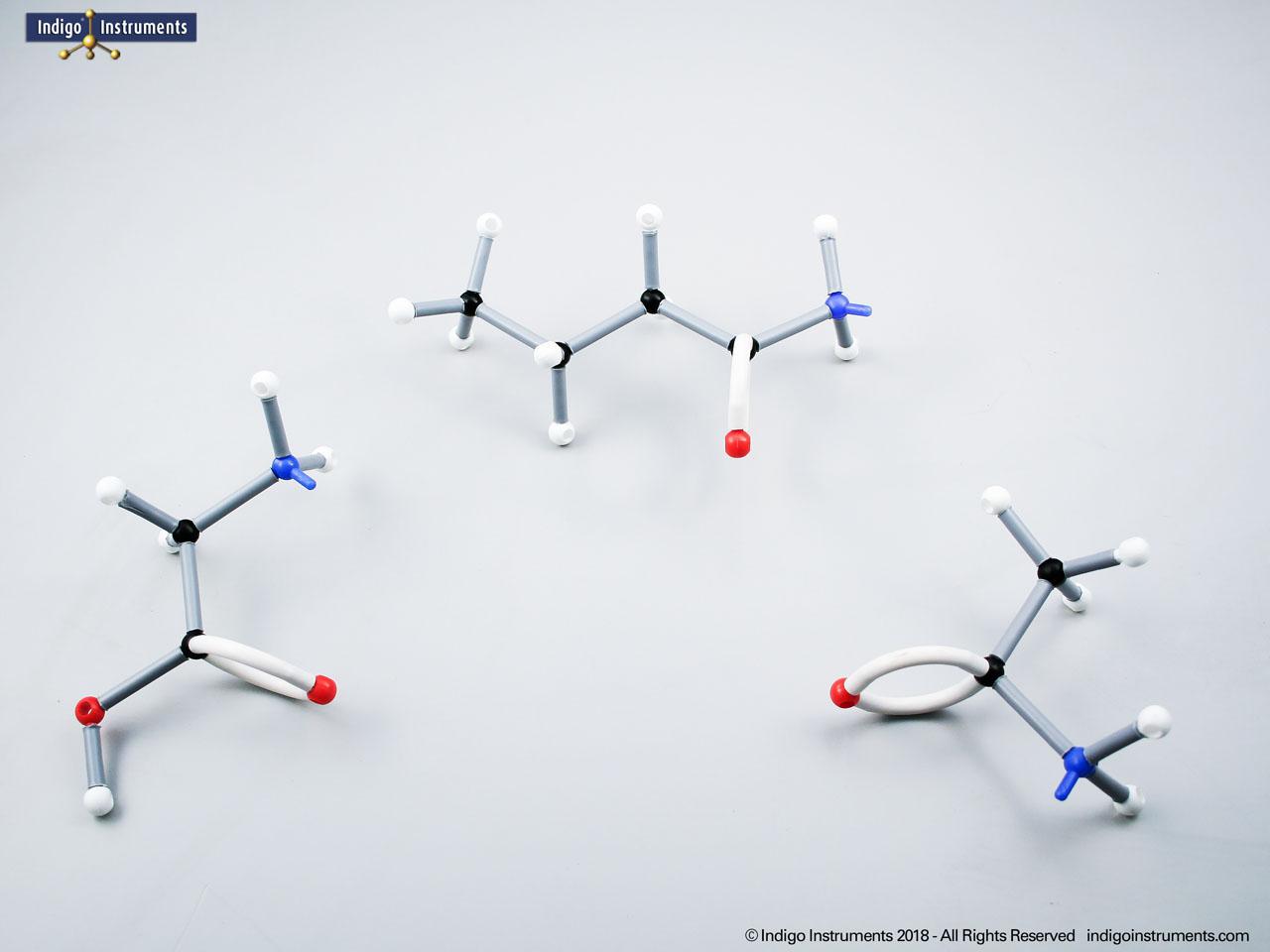
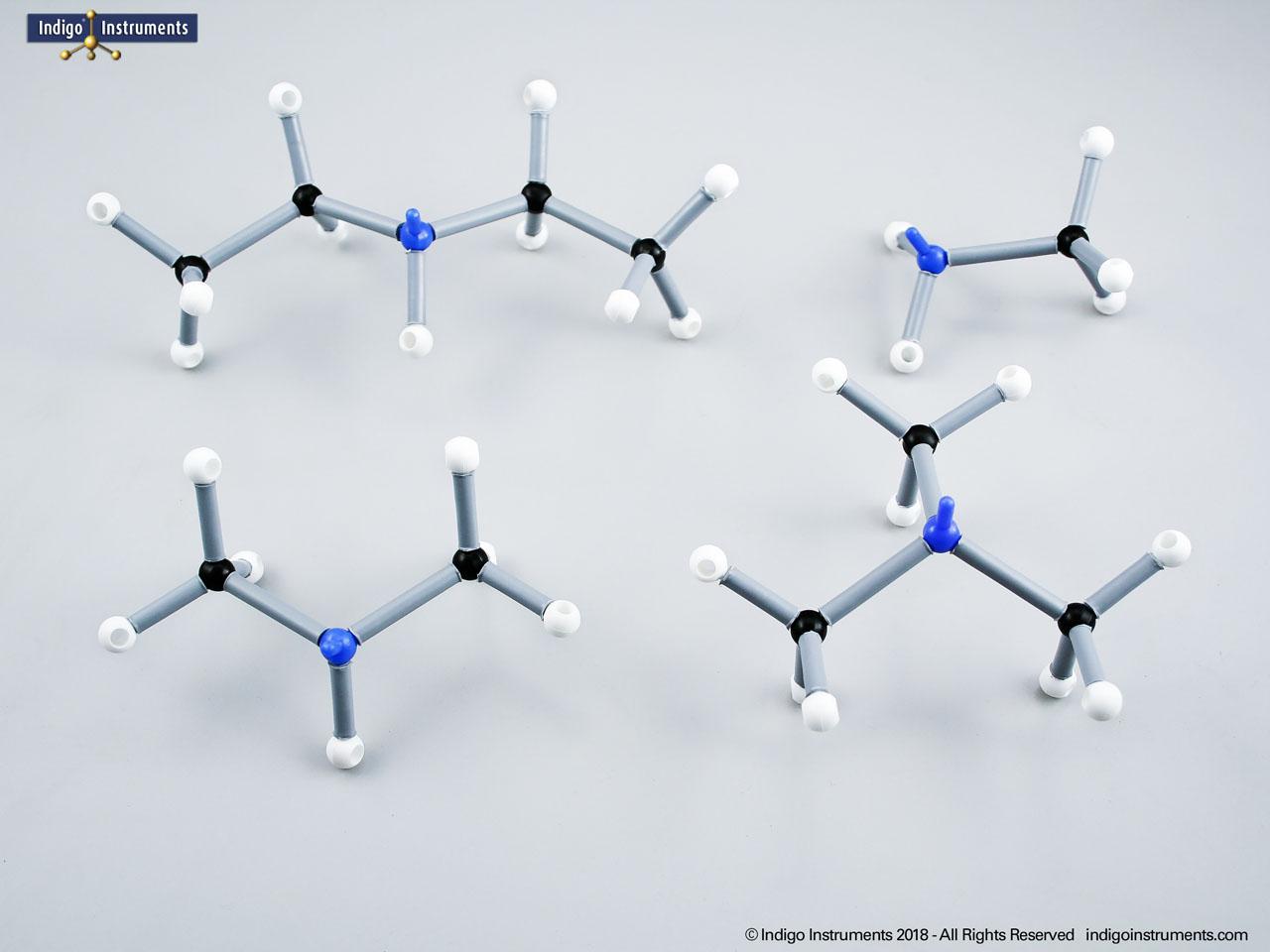
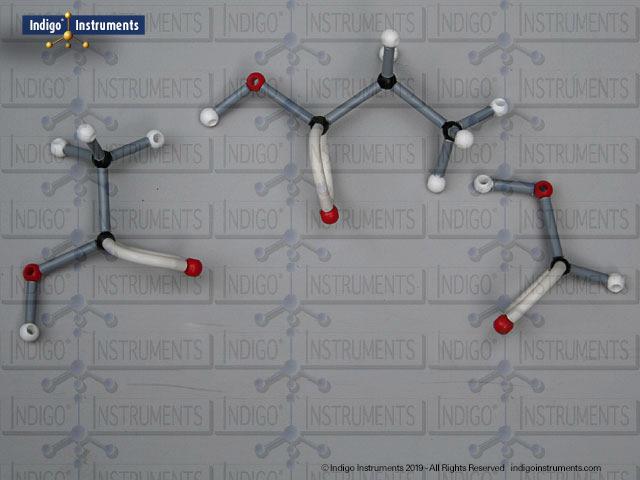
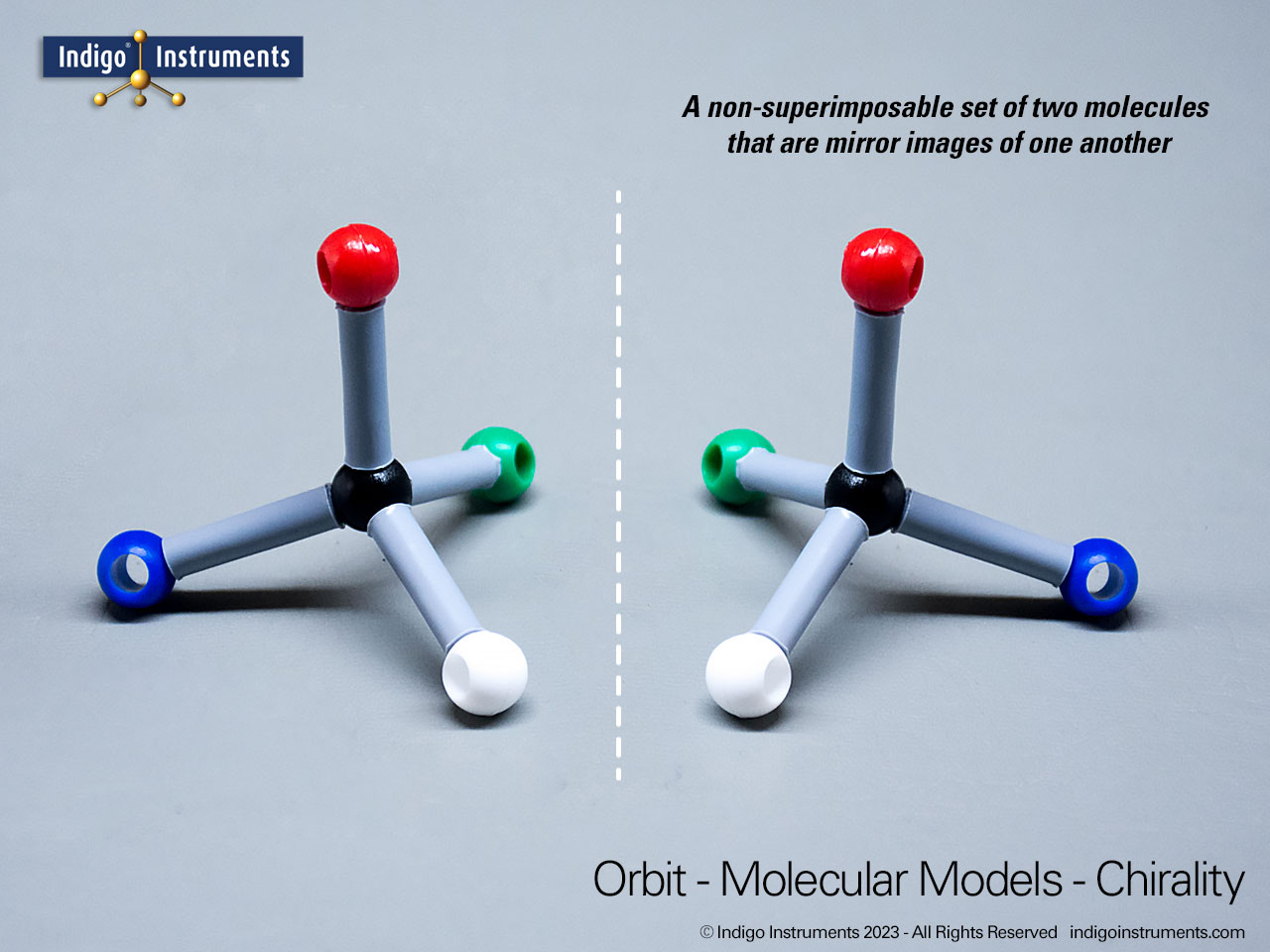
Nitrile Functional Group Molecule Structure
SKU: 68845NV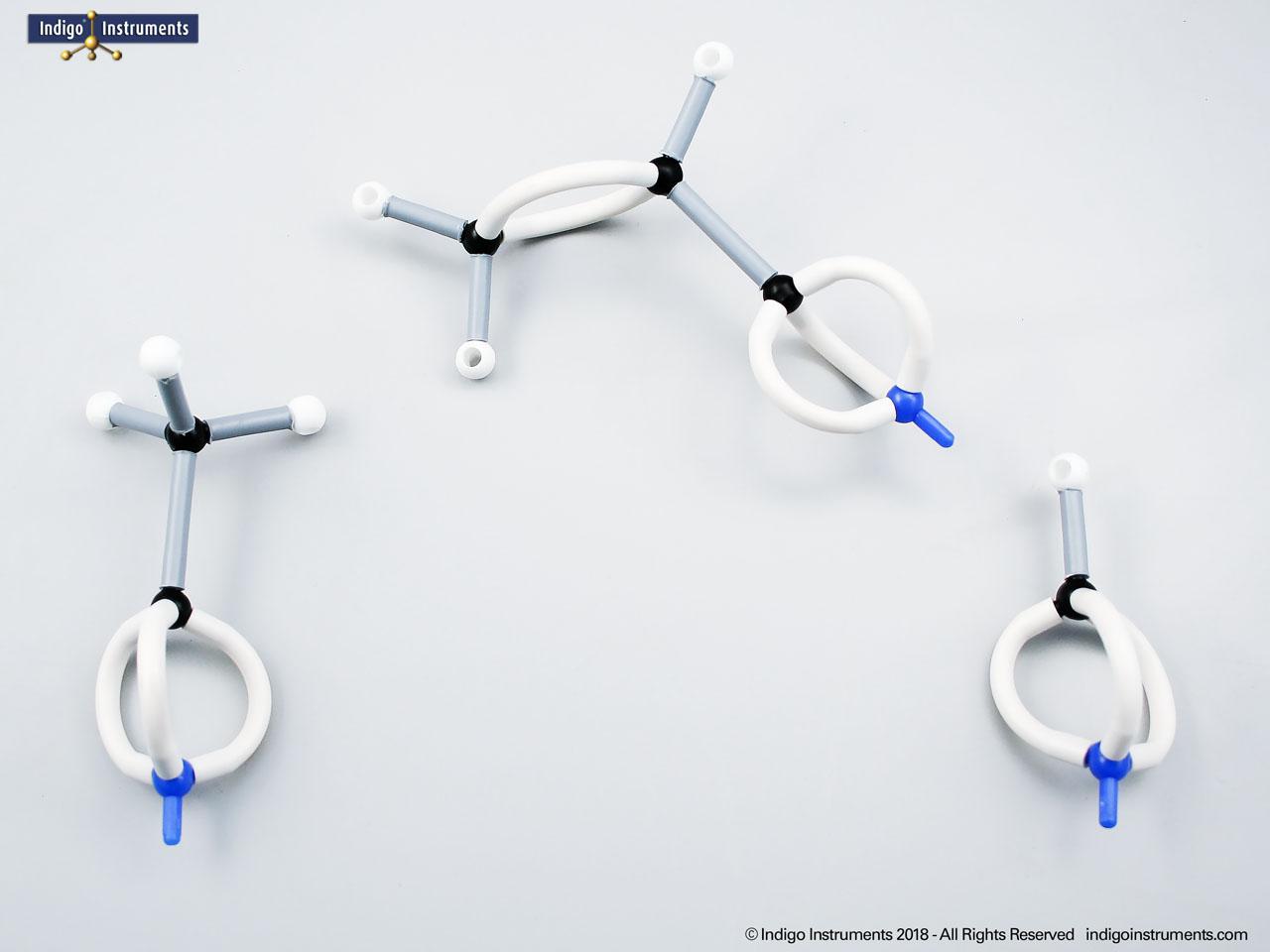
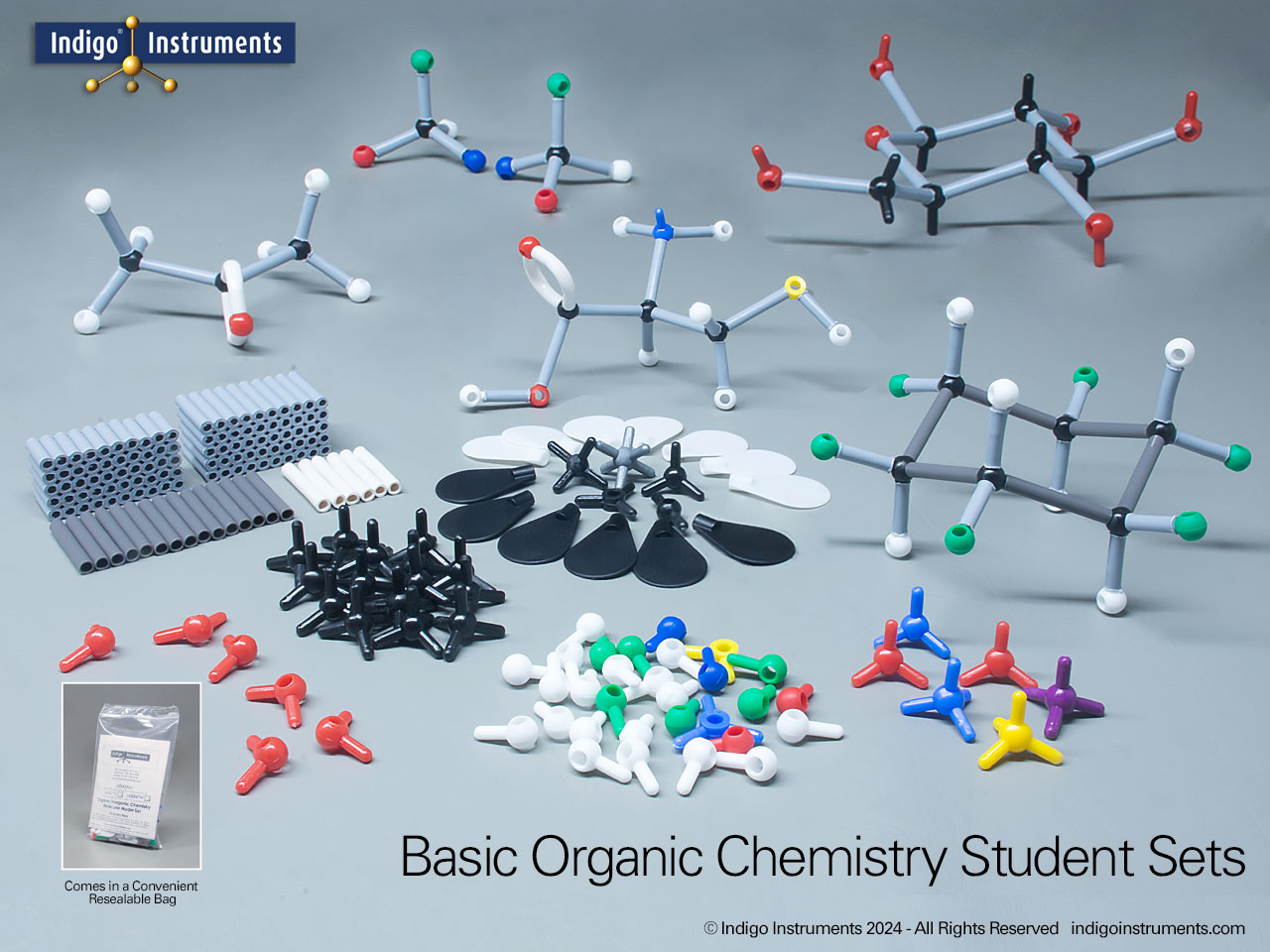
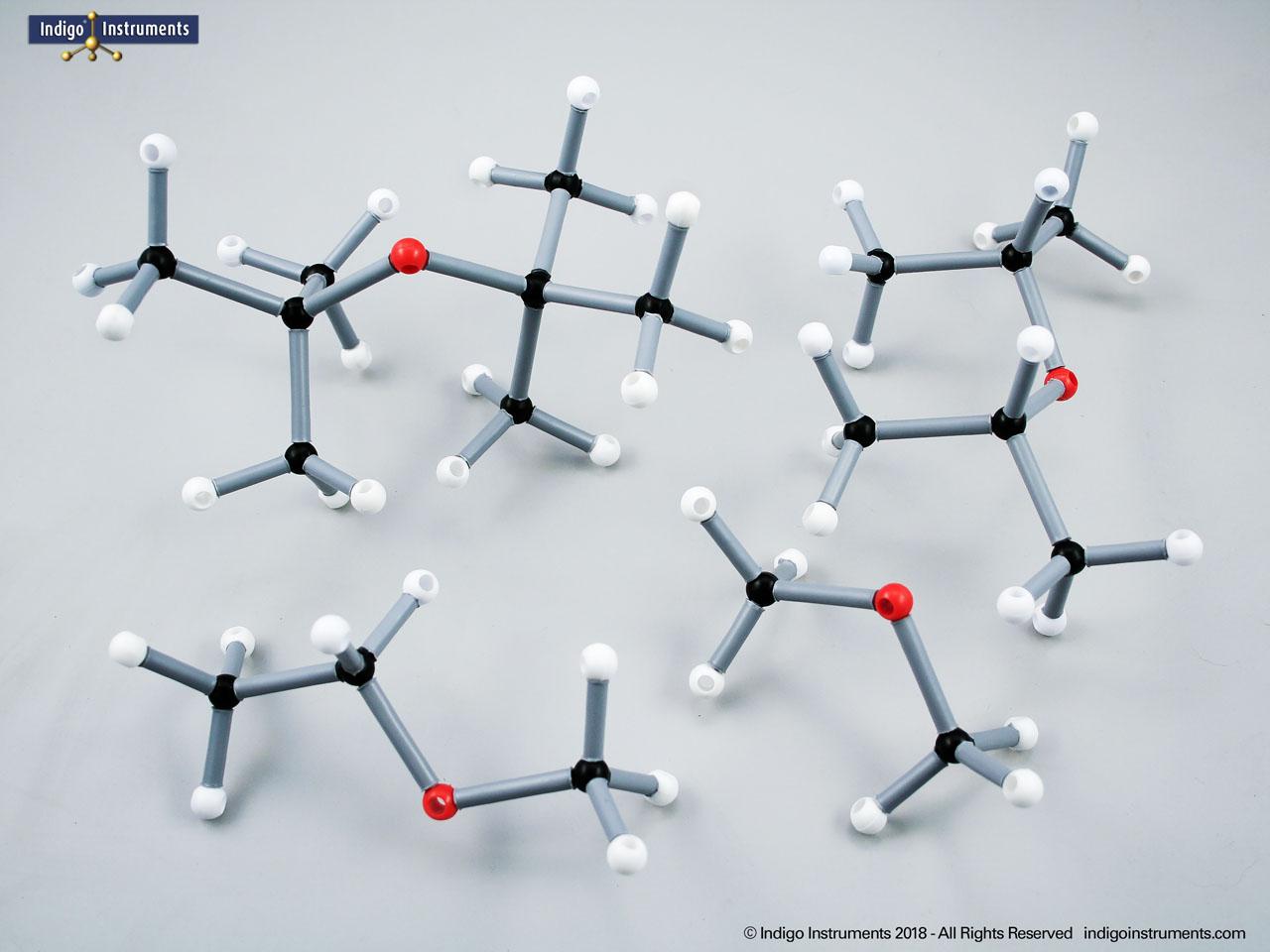
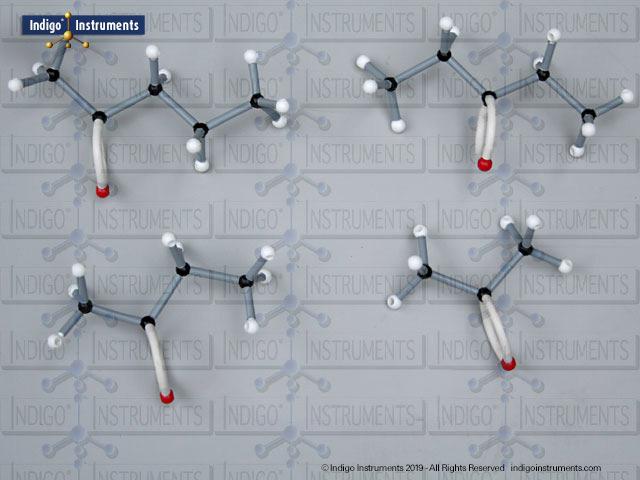
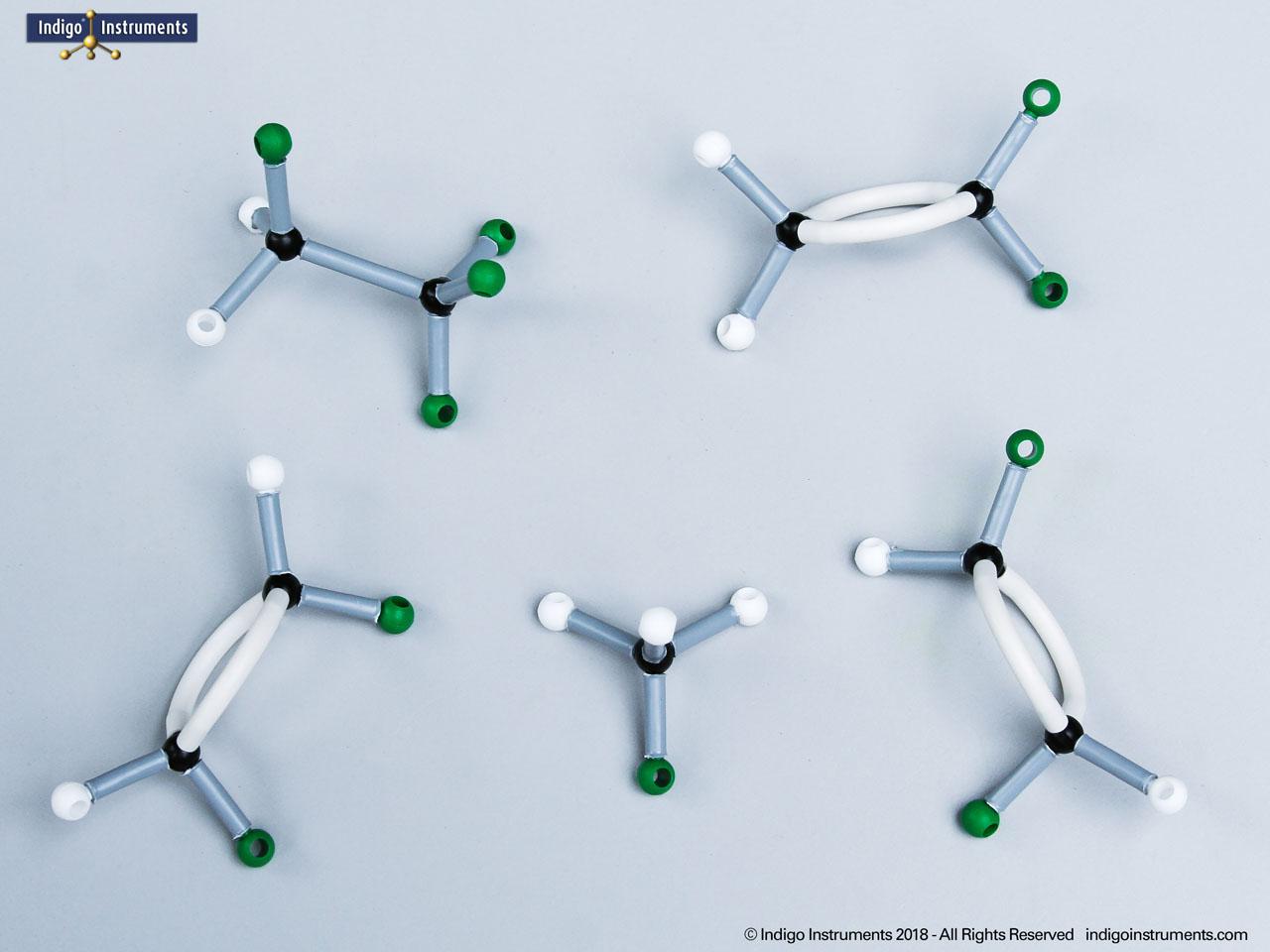
Investigate the nitrile functional group with Orbit molecular models. Learn about key compounds, chemical reactivity, biological roles, and more as they relate to chemical & biological applications.
Nitriles are organic compounds containing the carbon-nitrogen triple bond (-C≡N), a functional group important in both synthetic organic chemistry and biochemical contexts. In chemistry, nitriles are studied for nucleophilic addition, hydrolysis to carboxylic acids, and their role as versatile intermediates in the preparation of amides, amines, and heterocycles. In biology and medicine, nitrile-containing molecules occur in pharmaceuticals, natural products, and metabolic intermediates. Orbit nitrile molecular models allow students to visualize linear geometry, triple-bond electron density, and functional group interactions, making them valuable tools for chemistry majors and biology, nursing, or premed students.
Nitrile Functional Group Comparison of Educational Needs
| Compound | Chemistry Focus | Biology / Medicine / Nursing Focus |
|---|---|---|
| Acetonitrile | Simple aliphatic nitrile; solvent and intermediate; studies nucleophilic addition and hydrolysis. | Used in biochemical extractions; low toxicity but relevant for laboratory safety training. |
| Benzonitrile | Aromatic nitrile; demonstrates electrophilic aromatic substitution and nitrile reactivity. | Present in some plant metabolites; useful as a model for bioactive aromatic nitriles. |
| Cyanoalanine | Natural amino acid derivative; illustrates nitrile in biomolecule synthesis and enzyme-mediated transformations. | Intermediate in cyanogenic metabolism; relevant for understanding metabolic pathways and detoxification. |
| Rilpivirine (Pharmaceutical Nitrile) | Shows nitrile as a functional group in drug design and SAR studies. | Used as an antiretroviral; emphasizes medicinal chemistry applications of nitriles. |
| Malononitrile | Active methylene compound; illustrates condensation reactions and Knoevenagel mechanisms. | Minimal direct biological relevance; model for enzyme mimic studies. |
Important Learning Outcomes
- Chemistry Majors Should Be Able to:
Understand linear geometry of CN triple bond and bond polarity.
Explore nucleophilic addition, hydrolysis, and reduction reactions.
Examine nitriles as synthetic intermediates in amide, amine, and heterocycle formation.
- Biology, Nursing, Premed Majors Should Be Able to:
Recognize nitrile-containing natural products and pharmaceuticals.
Understand metabolic pathways involving nitriles.
Appreciate biochemical and toxicological relevance of nitriles.
Visualize linear geometry and carbon-nitrogen triple bond.
Features & Benefits of 68845NV Framework Molecular Models for Teaching Nitriles
| Features | Benefits |
|---|---|
| Accurate representation of the carbon–nitrogen triple bond (C≡N) | Helps students visualize linear geometry and understand bond polarity and electron density |
| Color-coded atoms for carbon and nitrogen | Enhances recognition of functional groups and their electronic properties |
| Durable Orbit components | Supports repeated classroom and laboratory use without wear |
| Replaceable R-group modules | Enables demonstration of different aliphatic and aromatic nitriles for reactivity and structural comparisons |
| Compatible with other Orbit functional group models | Allows integration into multi-step organic reactions and biomolecule constructions |
| Modules illustrating nucleophilic addition reactions | Facilitates understanding of hydrolysis to amides, reduction to amines, and other transformations |
| Supports linear and cyclic nitriles | Demonstrates steric and electronic effects in diverse molecular contexts |
| Instructor guides & challenge builds included | Provides stepwise exercises for mechanism visualization, reactivity trends, and structural analysis |
Indigo Instruments has stocked genuine Cochranes of Oxford molecular model parts for 30+ years. Customize or replenish any model set/kit we have ever sold!