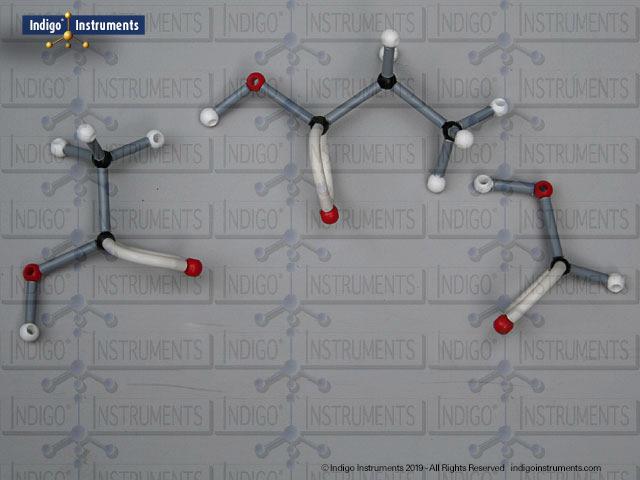
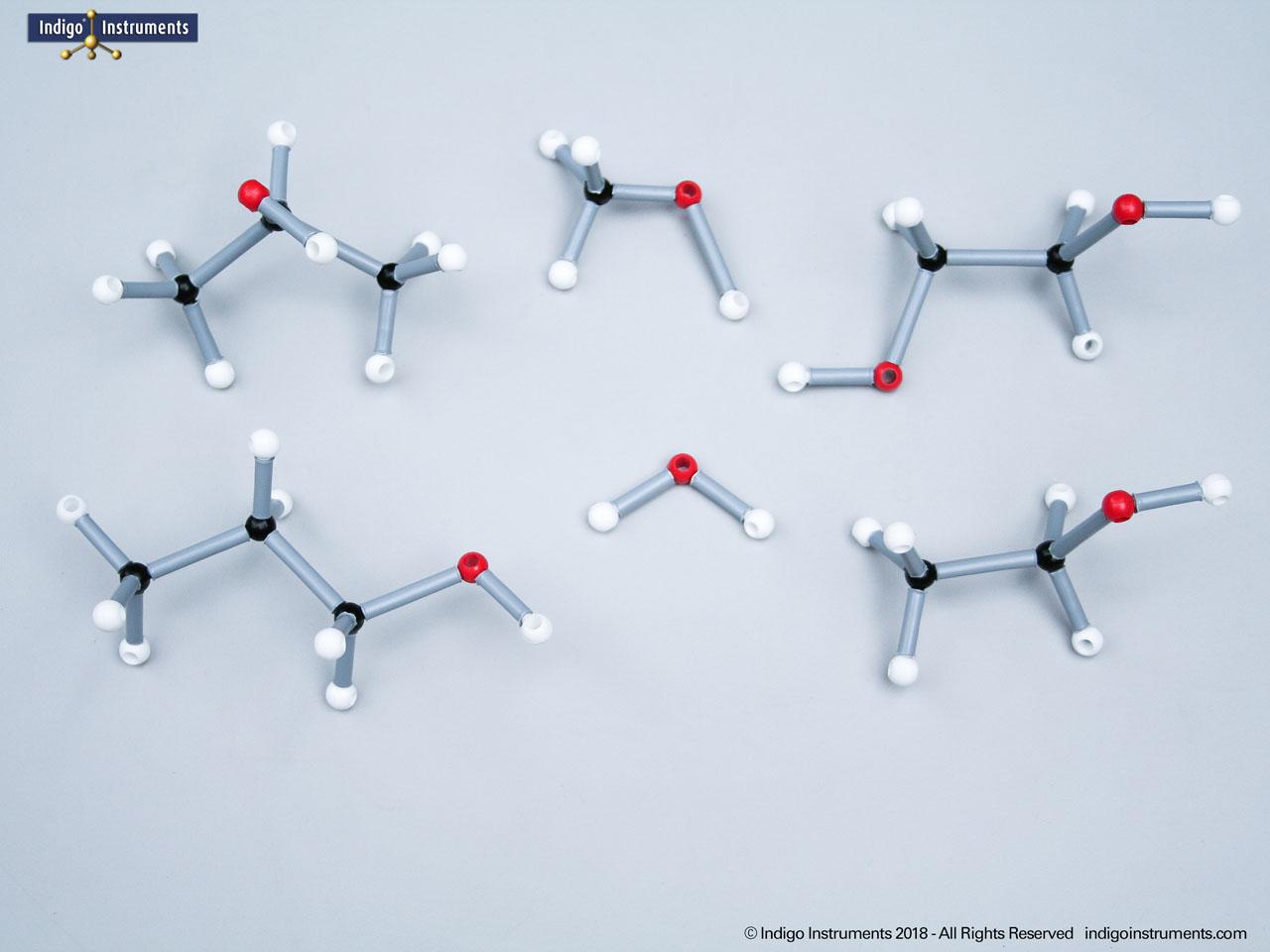
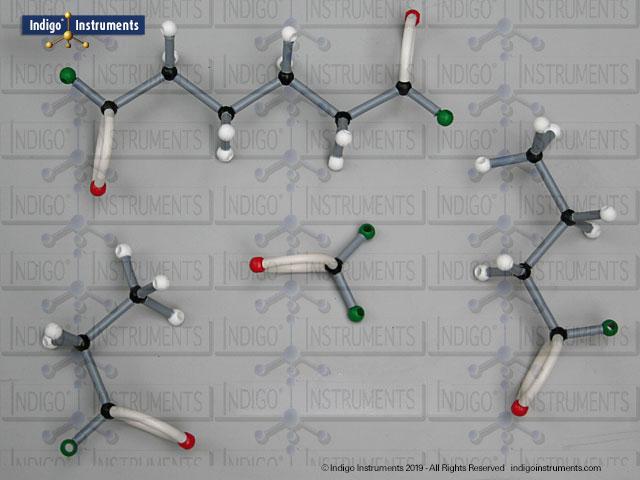
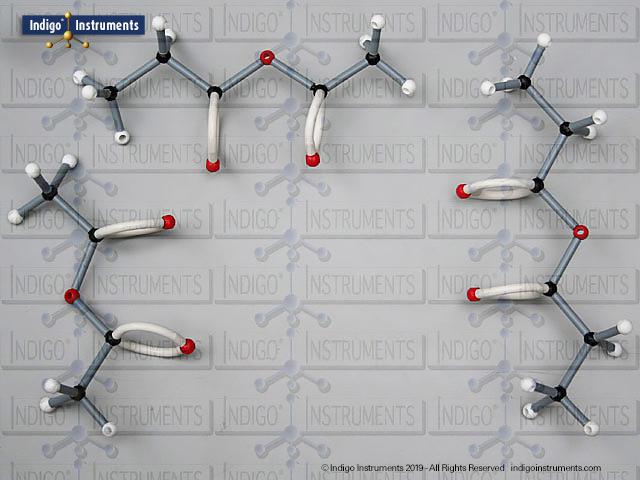
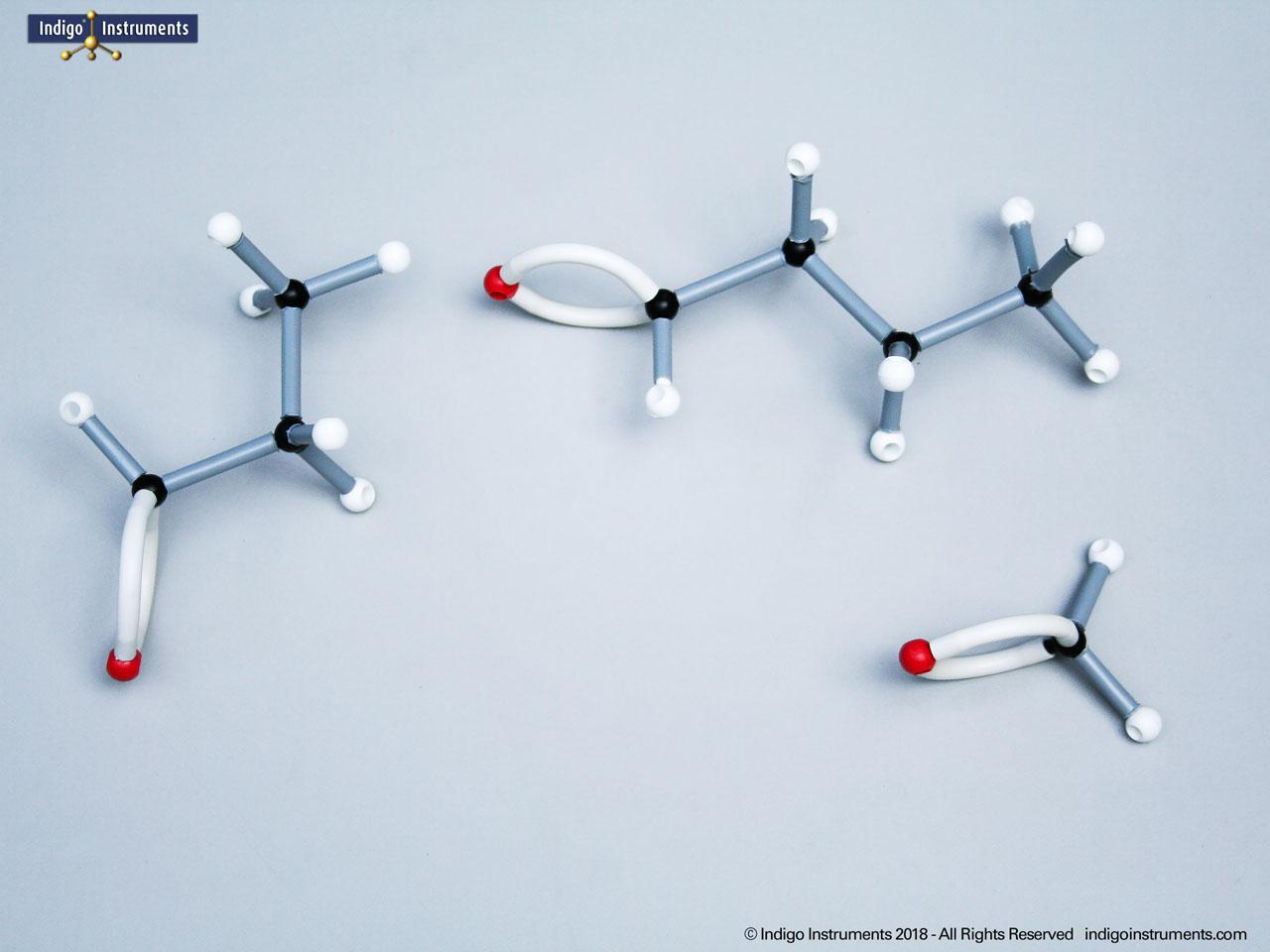
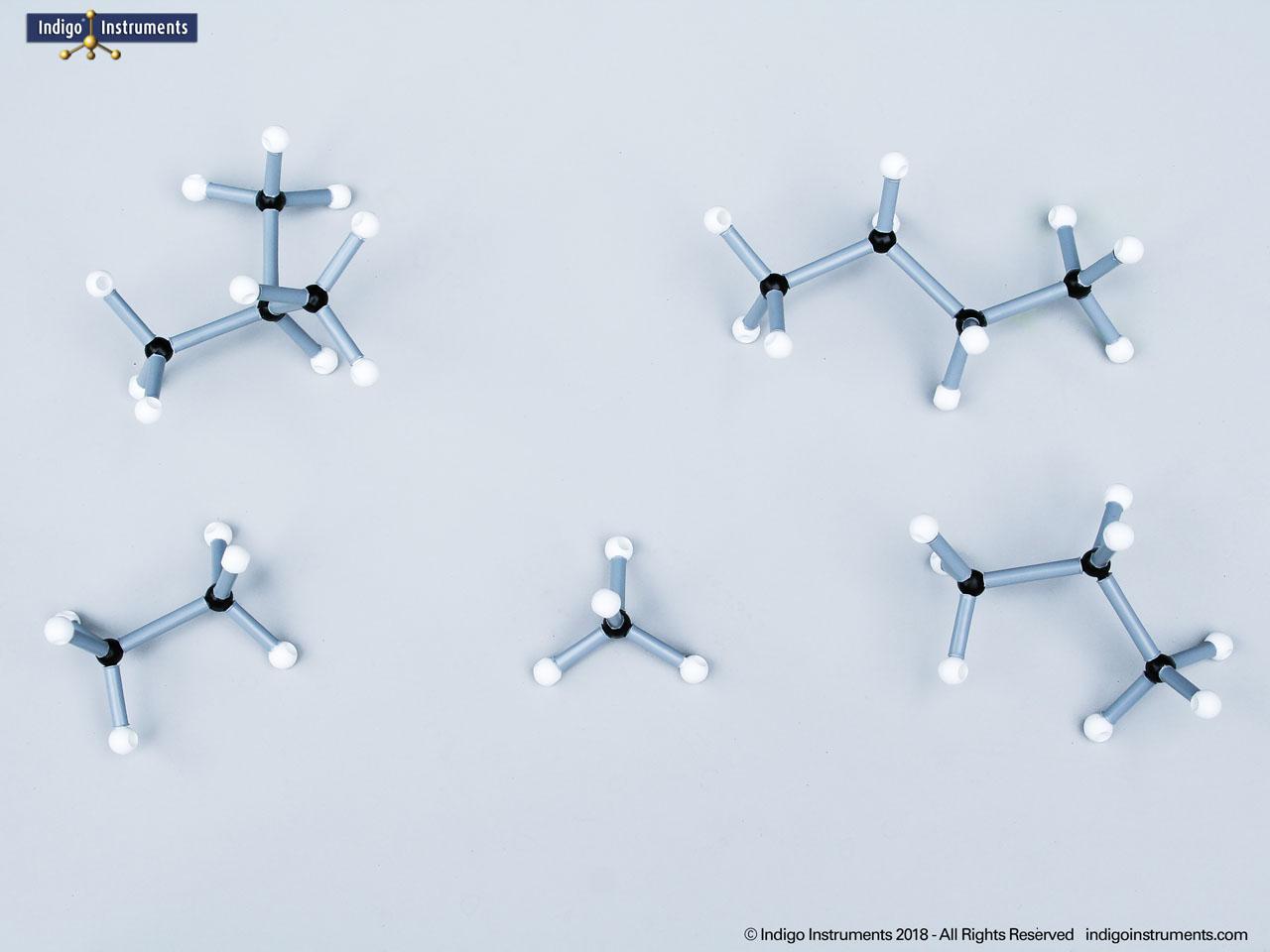
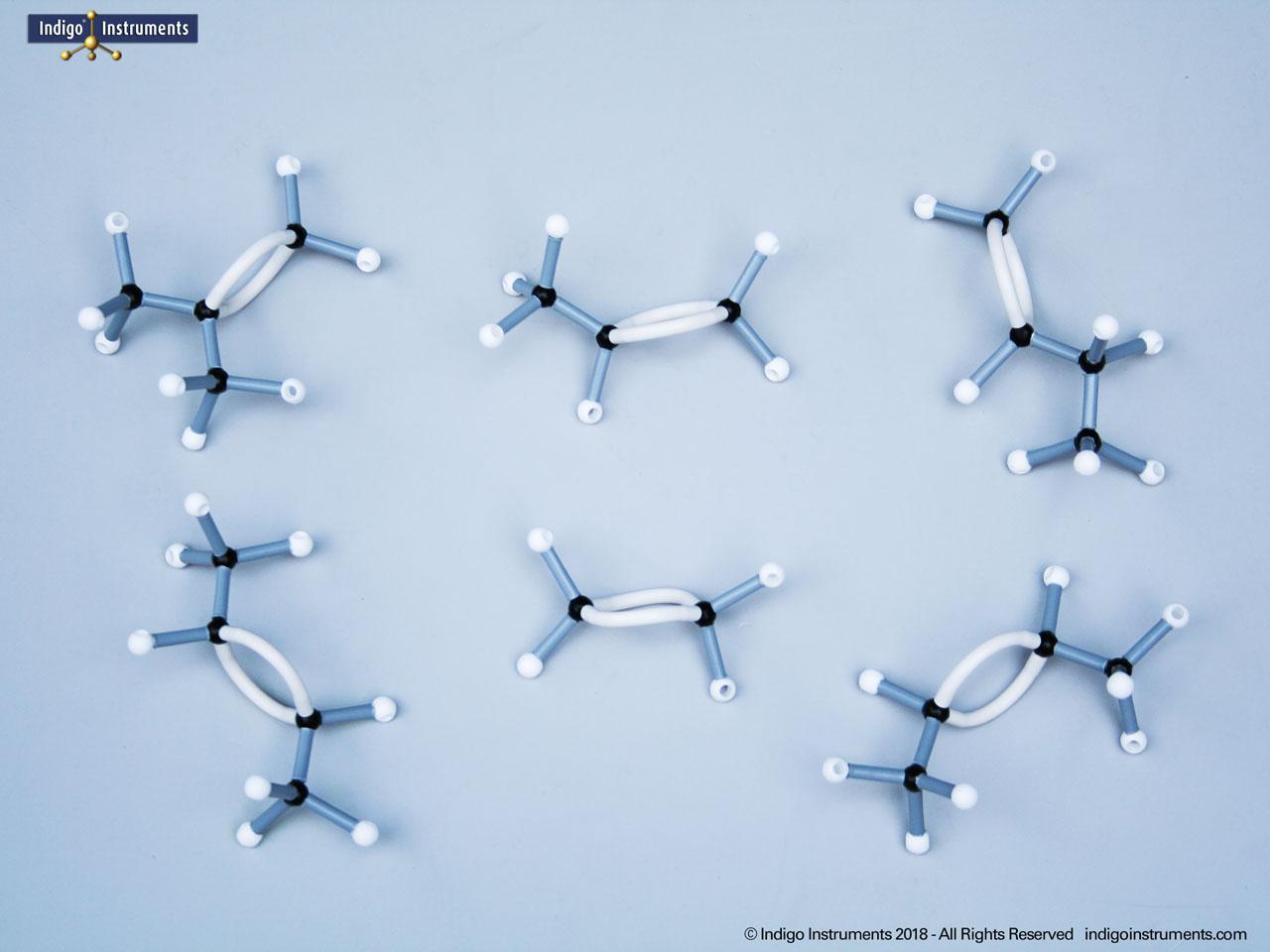
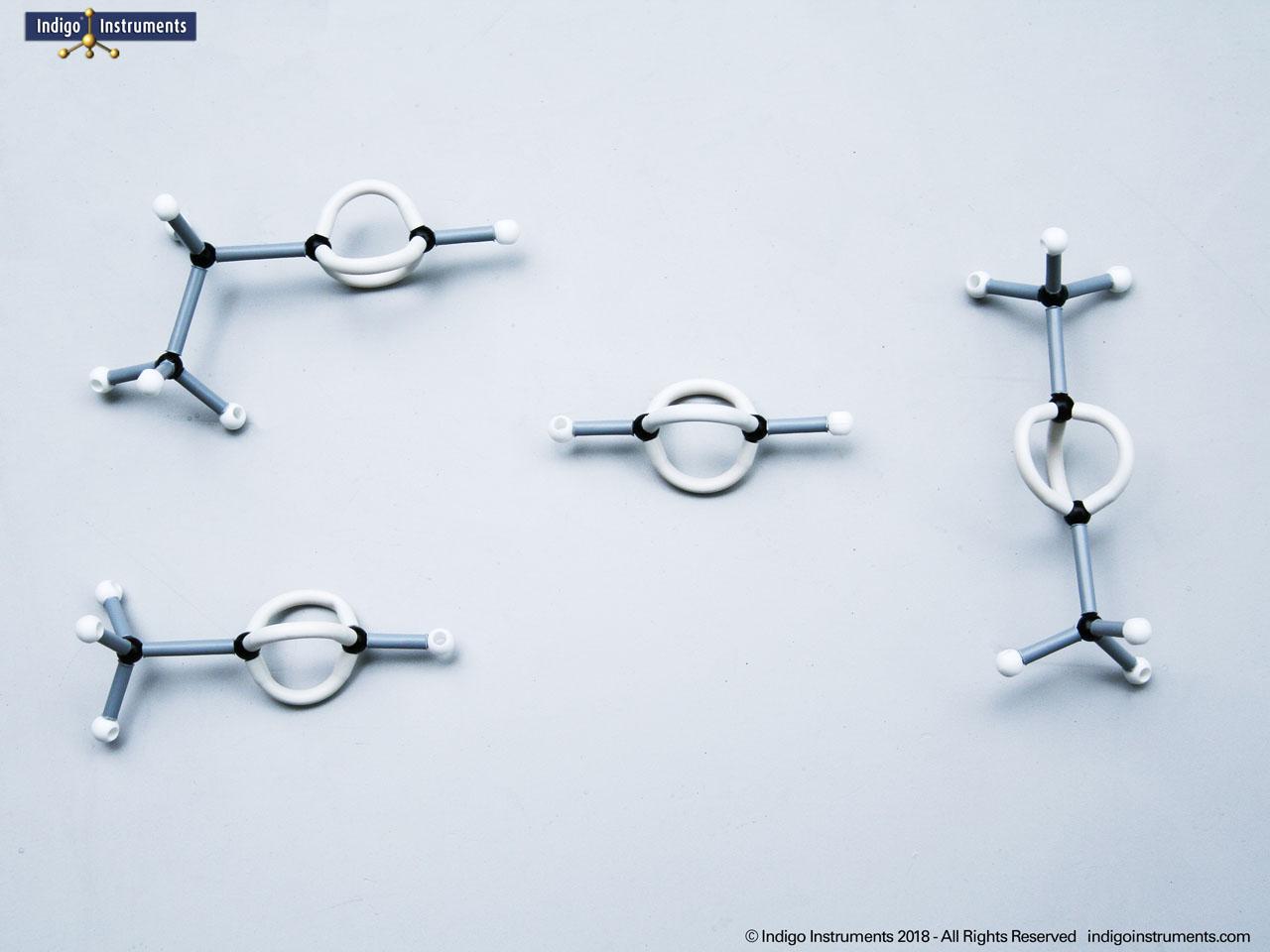
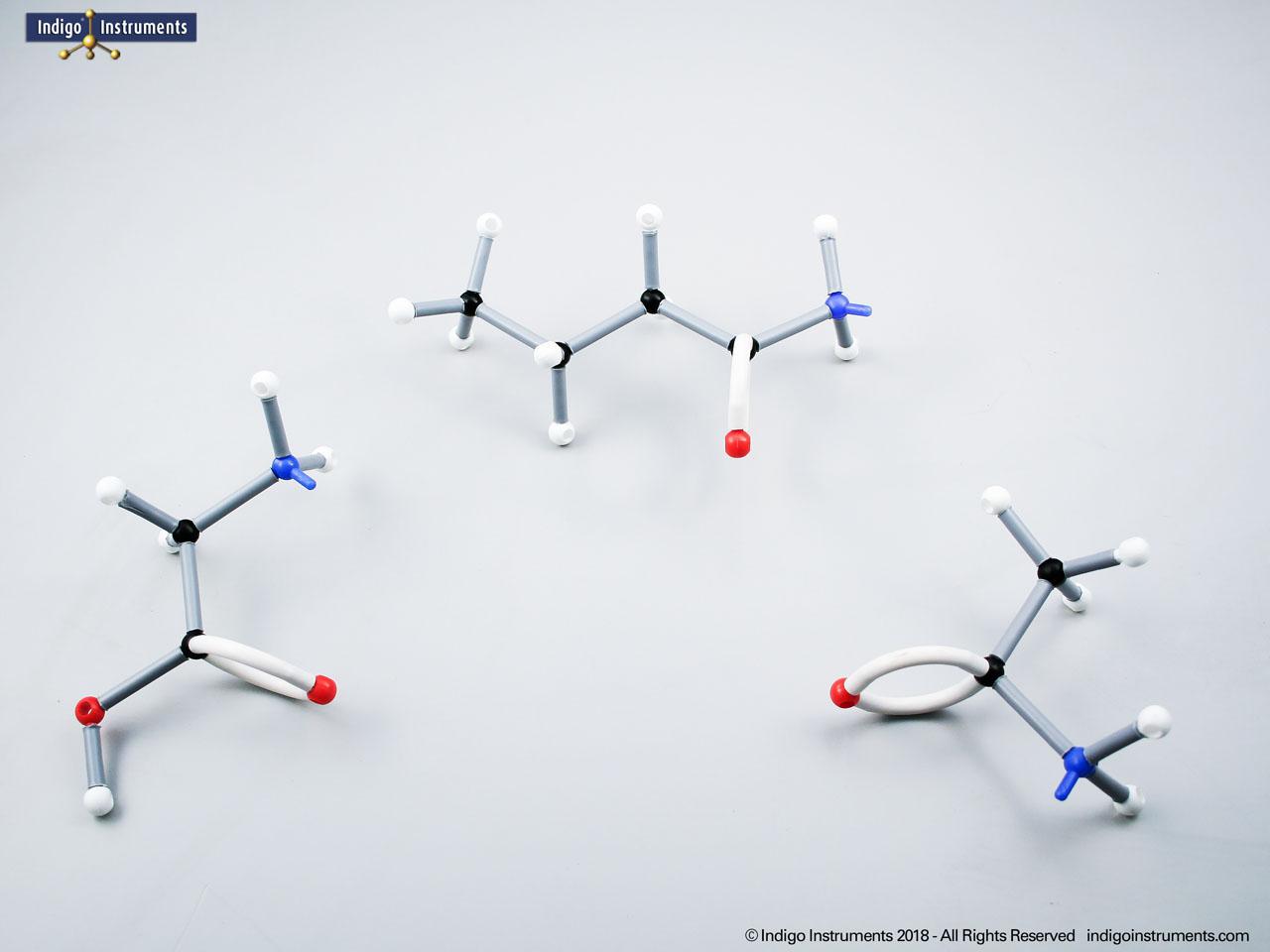
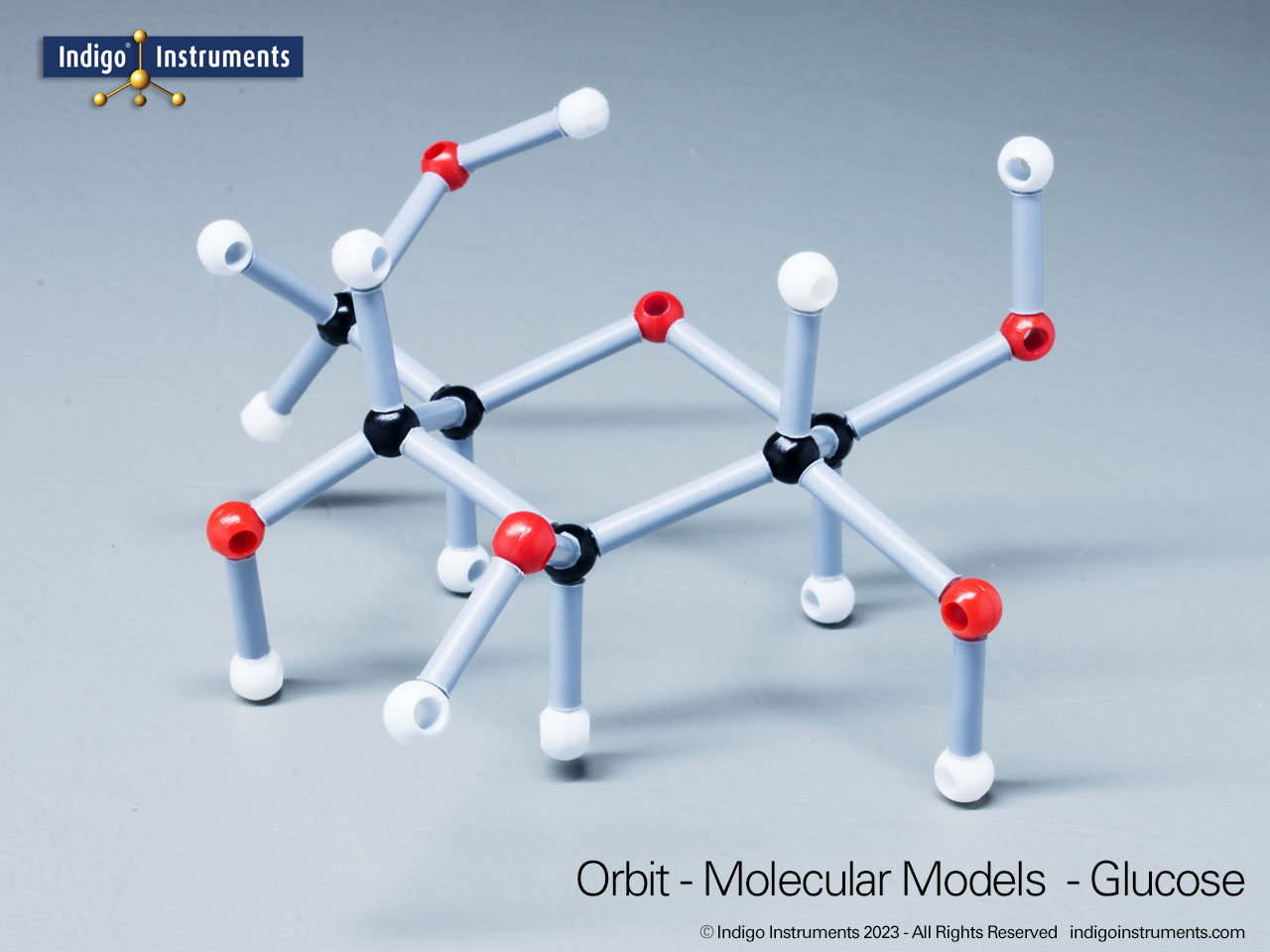
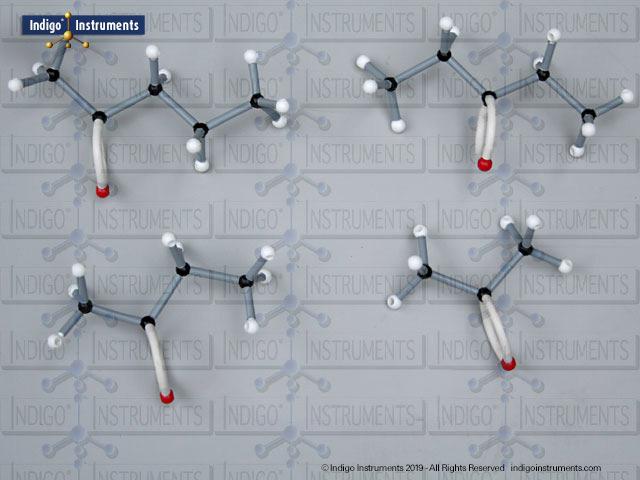
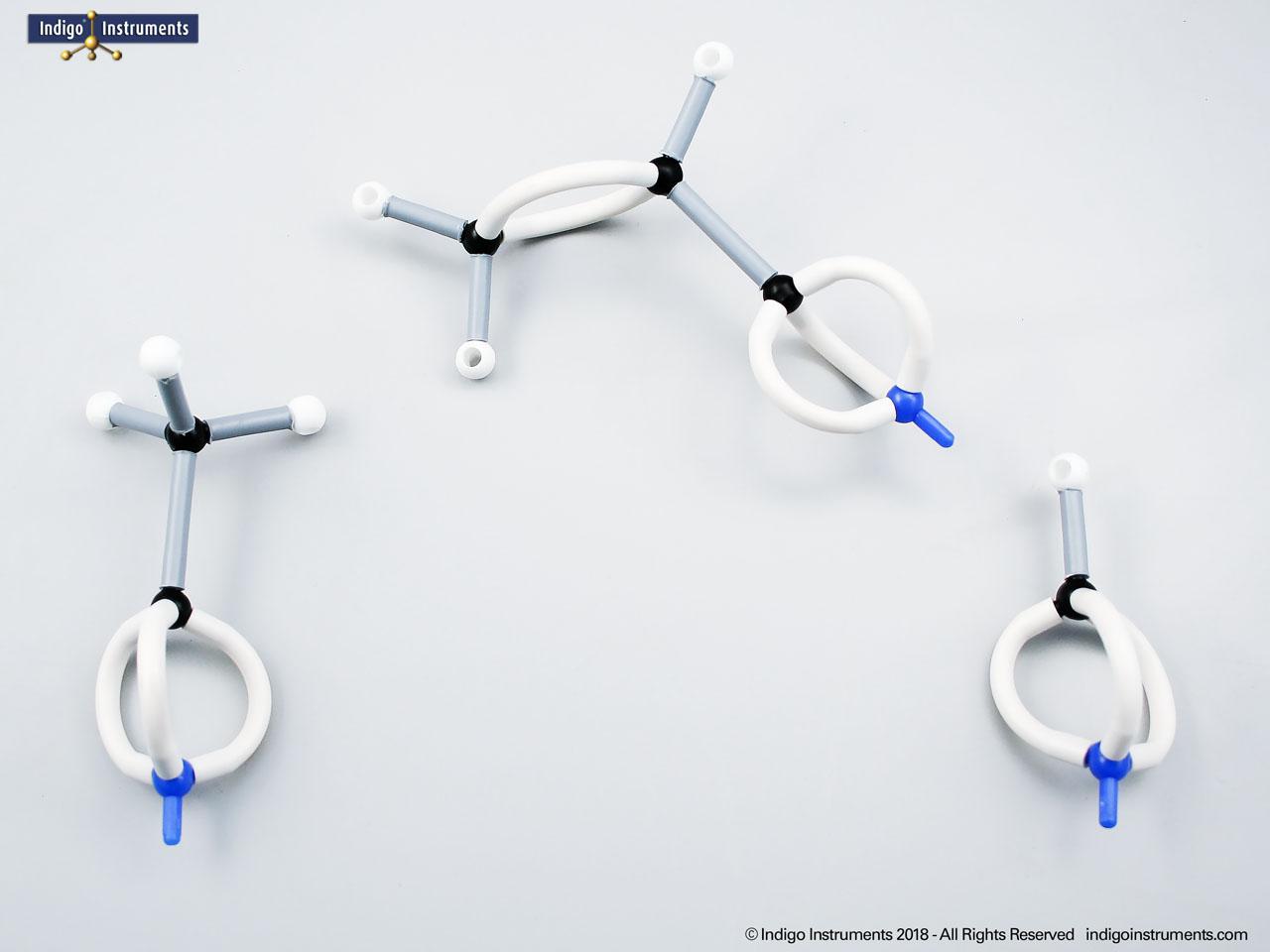
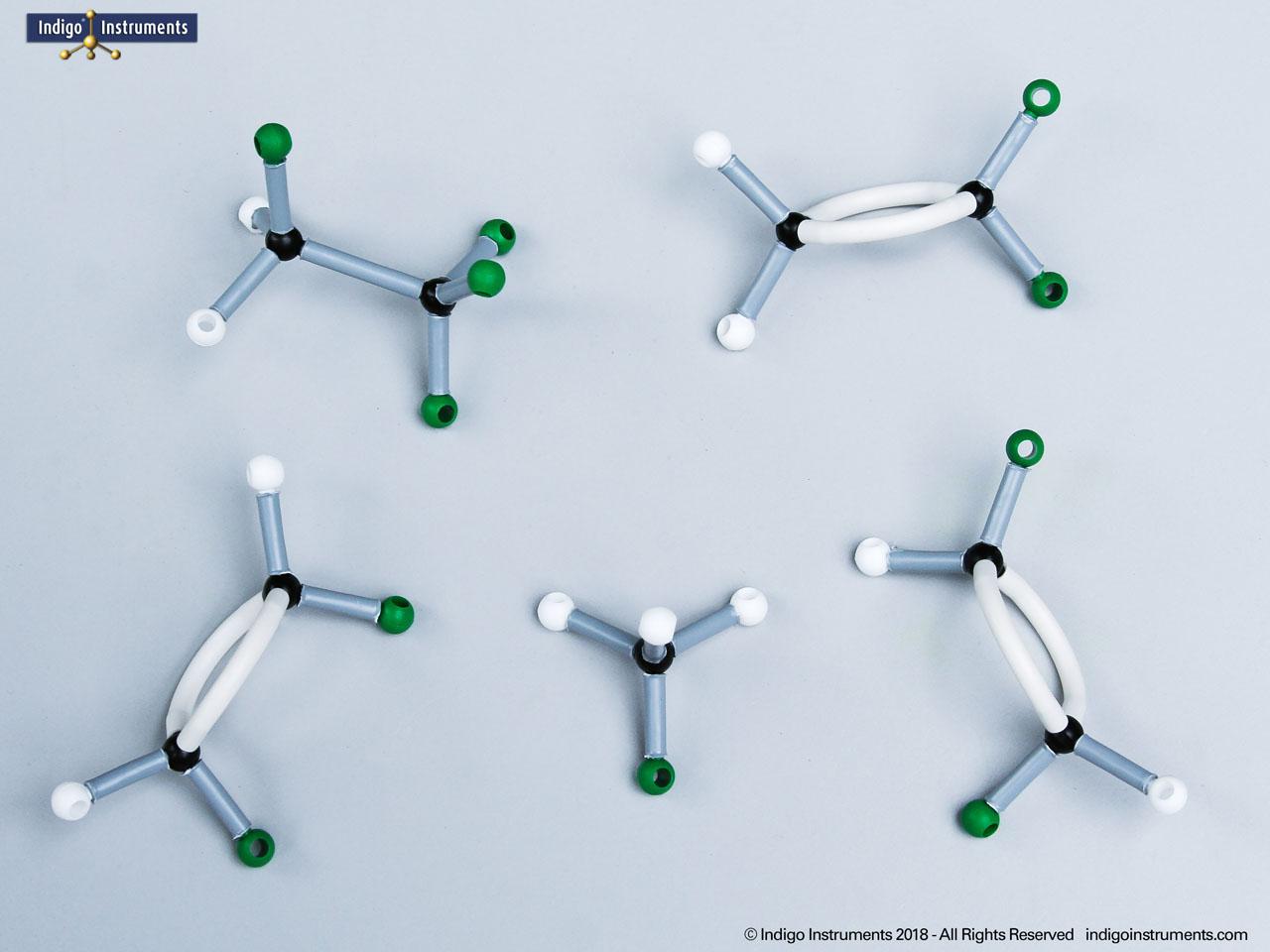
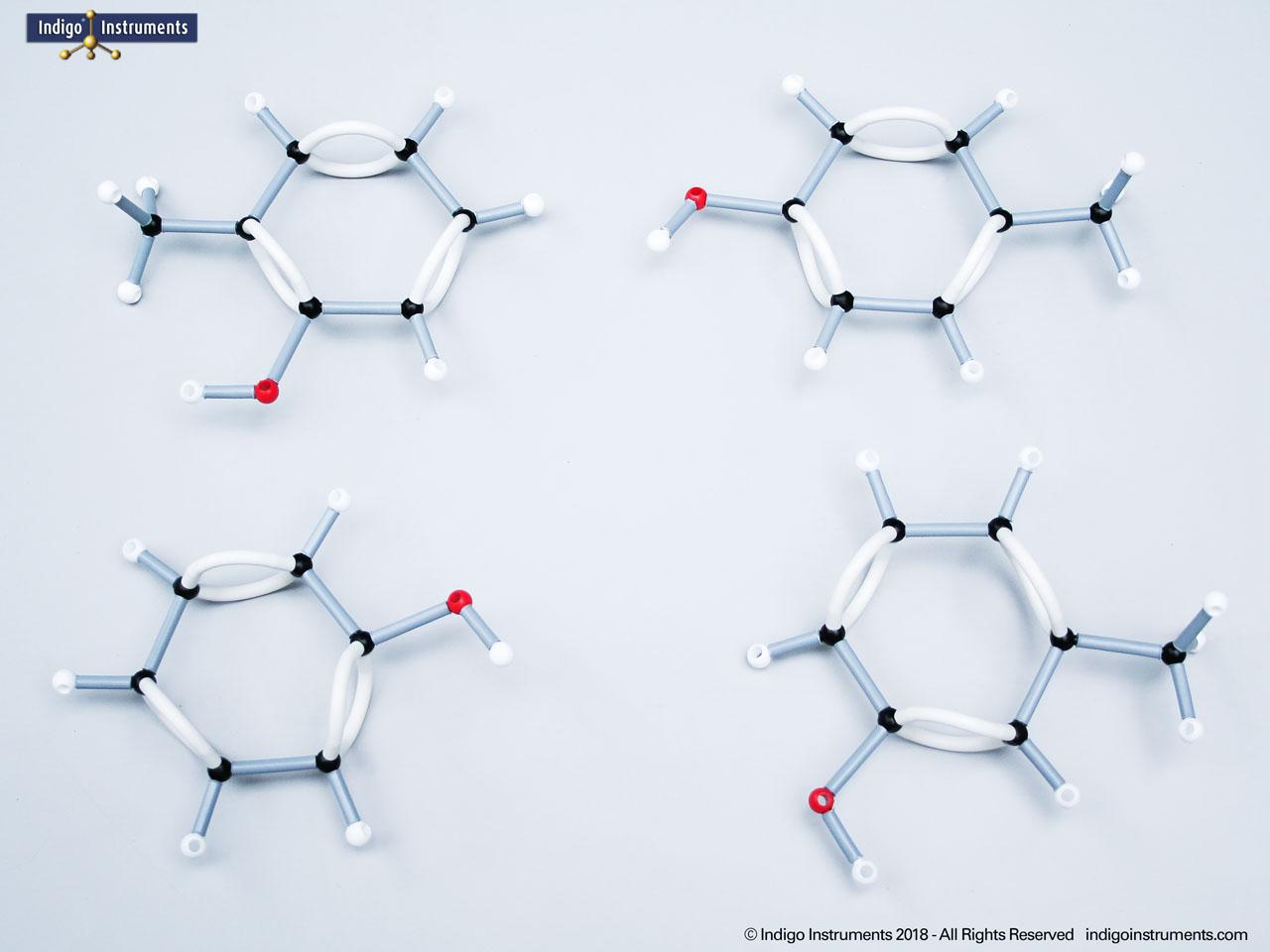
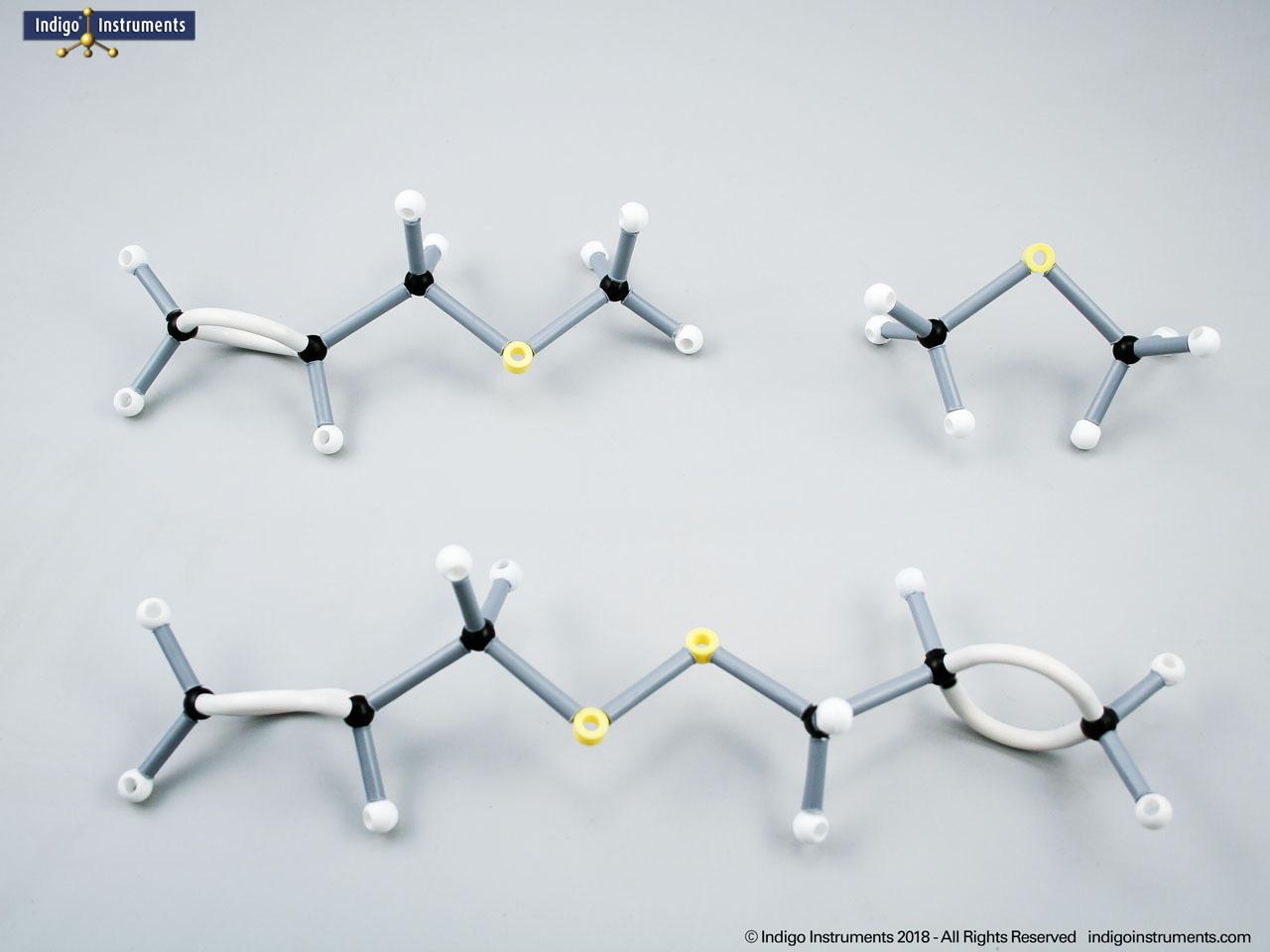
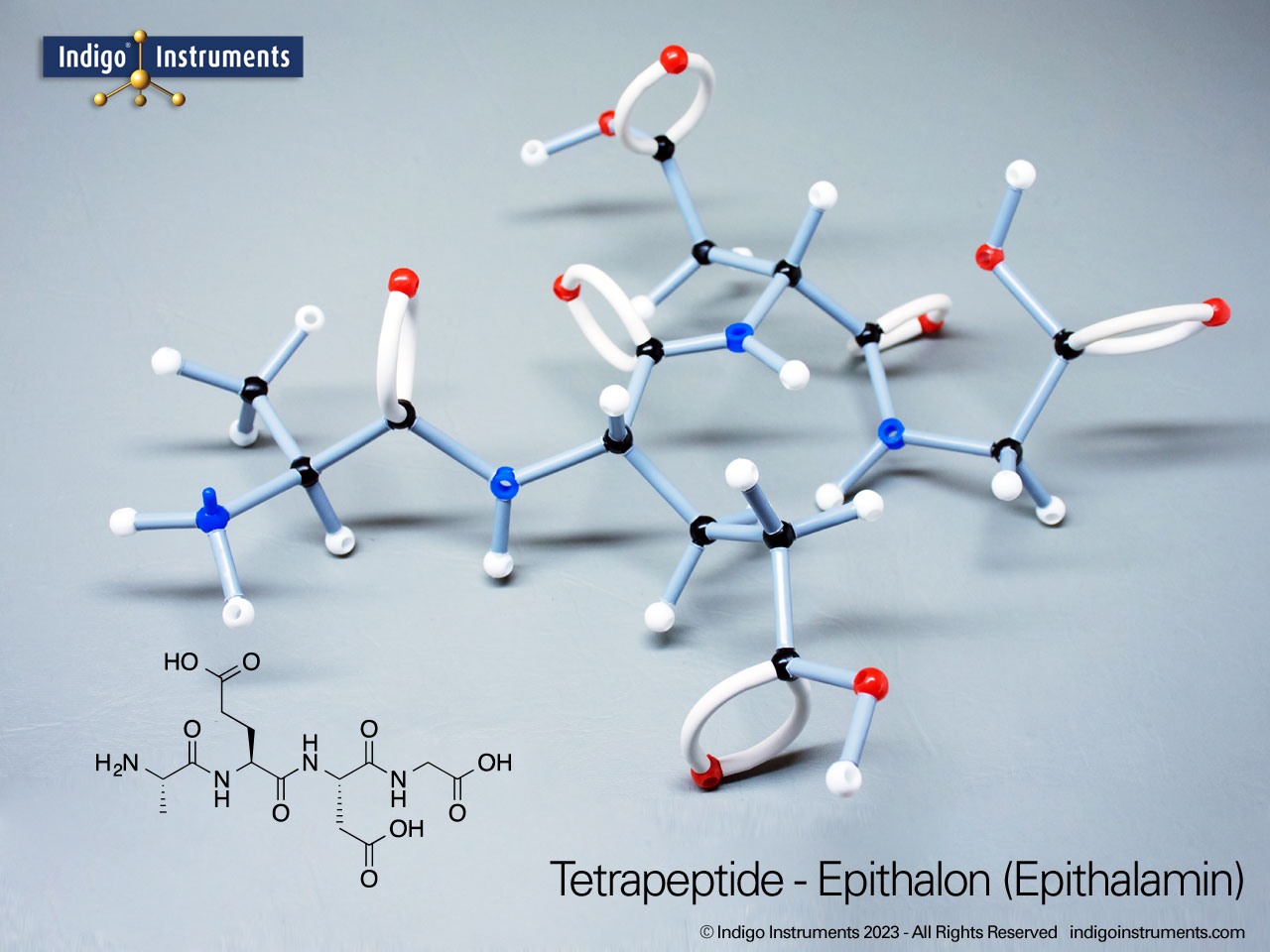
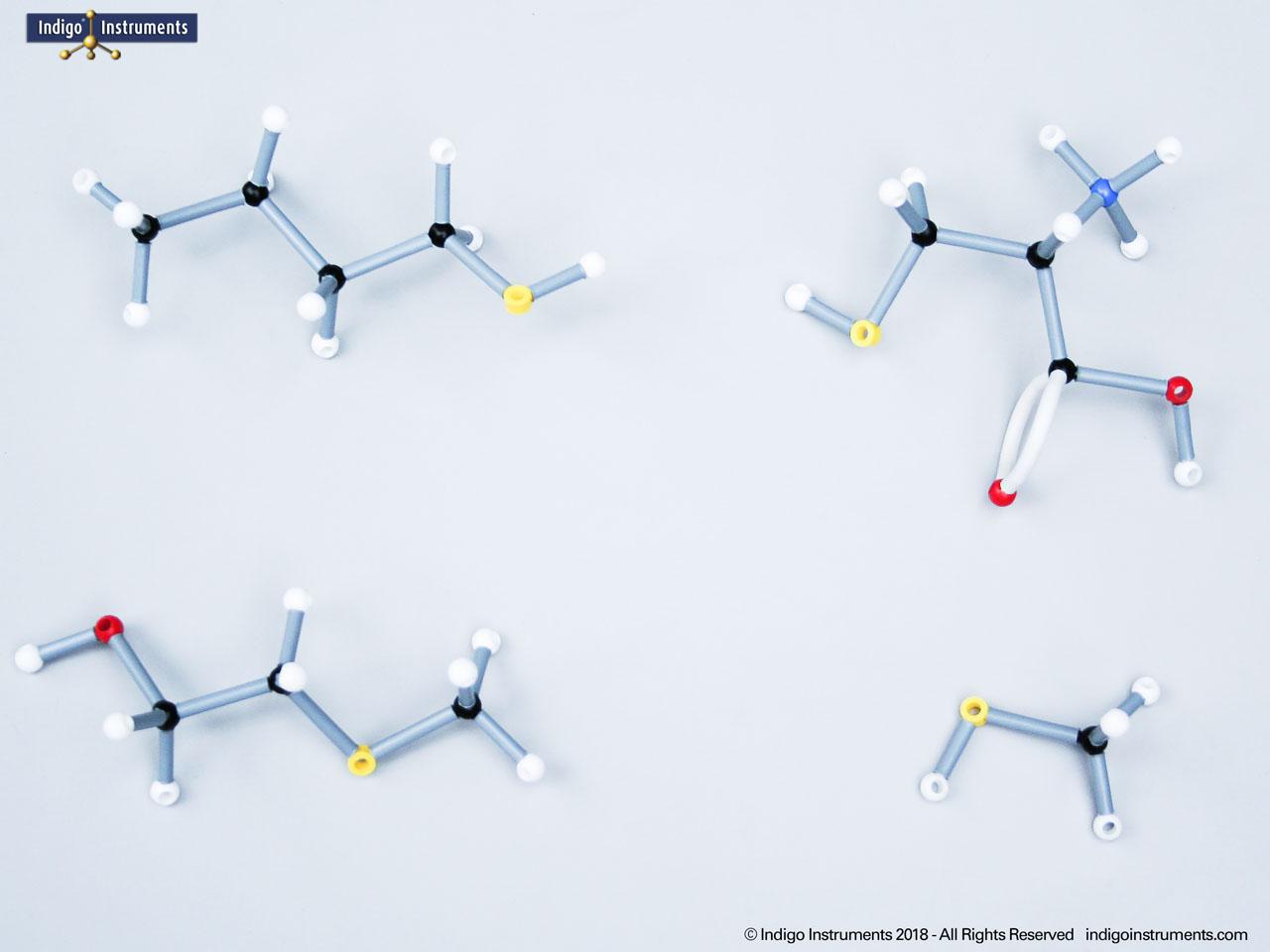
Build accurate 3D carboxylic acid structures with the 68845NV Organic Chemistry molecular model set. Ideal for studying acid-base chemistry, esterification, and biological molecules like fatty acids and amino acids.
Carboxylic acids are central to both synthetic chemistry and life’s energy pathways. In particular, how citric acid fuels the Krebs cycle or how fatty acids form cell membranes. This model kit helps students connect structure to role and function across different scientific perspectives.
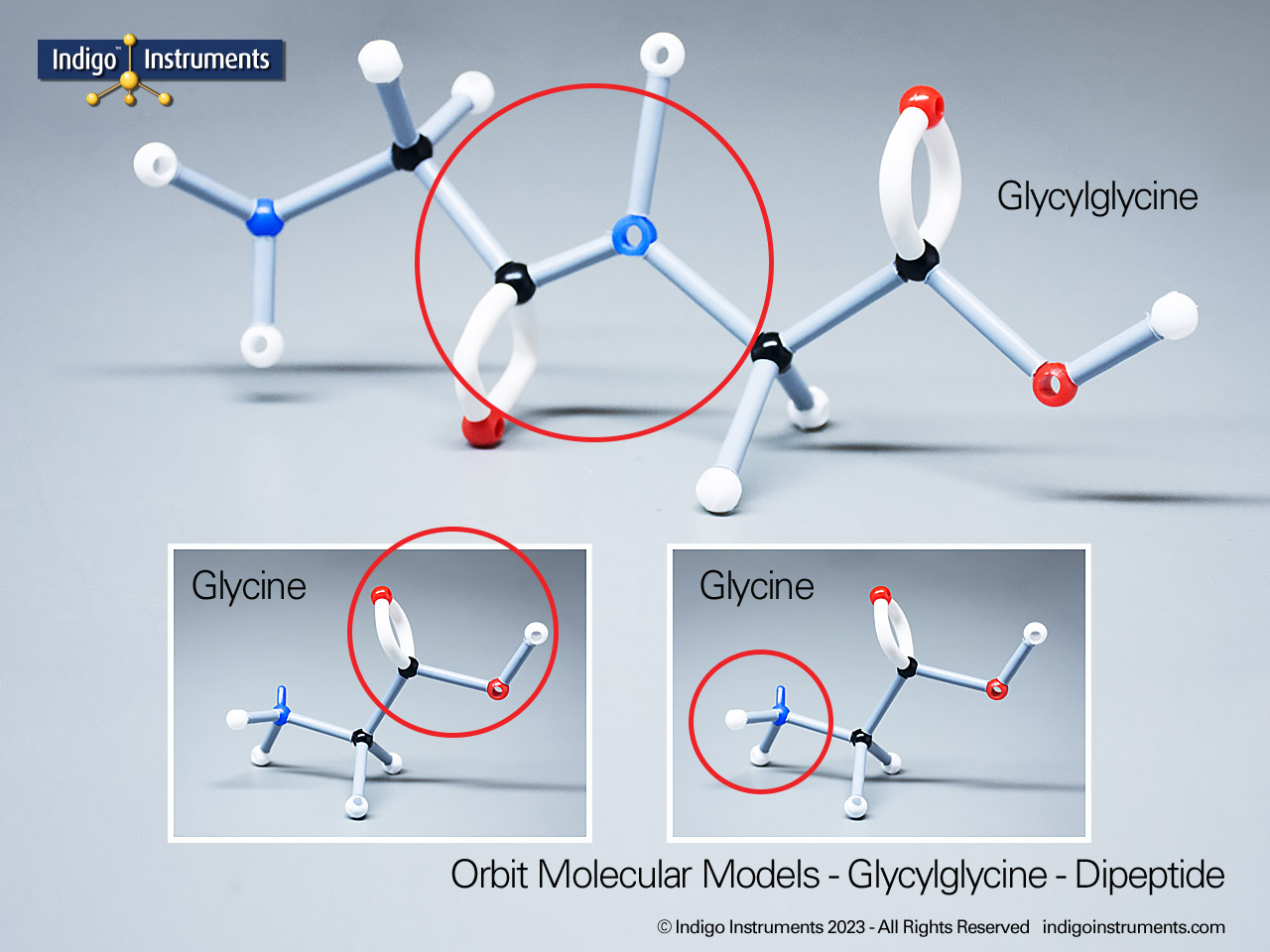
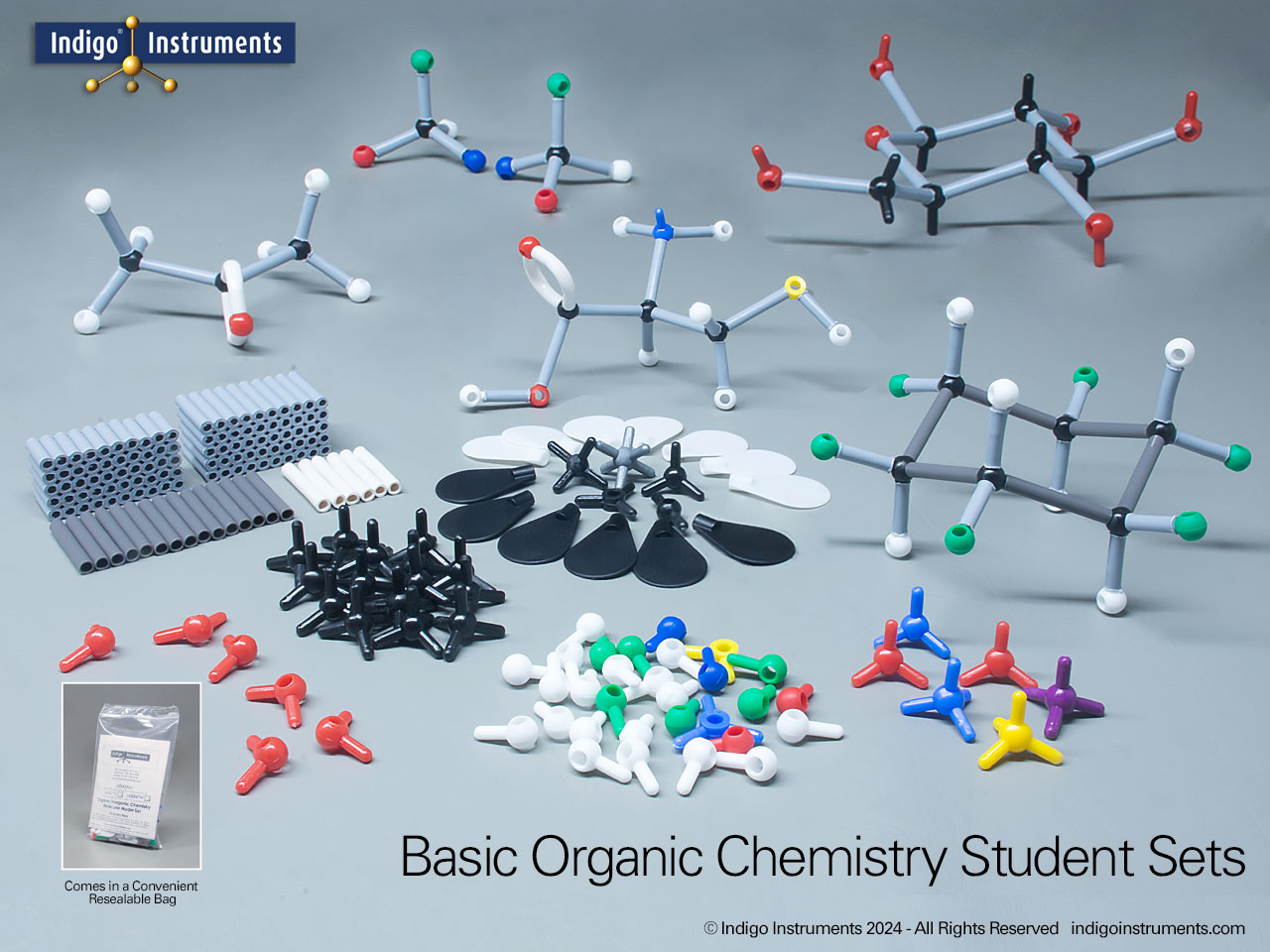
The 68845NV student model set includes 16 carbons and 18 hydrogens which will allow you to build a variety of carboxylic acid structures. These are important basics for both organic chemistry and biochemistry. You can build any of the essential amino acids with this set.
| Compound | Chemistry Focus | Biology / Medicine / Nursing Focus |
|---|---|---|
| Formic acid (HCOOH) | Smallest carboxylic acid; strong hydrogen-bond donor; easily oxidized; forms formate salts/esters. | Found in insect venoms; occupational/toxic exposure risk (skin/eye irritation); simple model for acid/base teaching. |
| Acetic acid (CH3COOH) | Prototype monocarboxylic acid; pKa 4.76; forms acetates; nucleophilic acyl substitution chemistry. | Vinegar component; acetyl group donor in metabolism (acetyl-CoA relevance); topical antiseptic use and industrial safety. |
| Propionic acid (C2H5COOH) | Short-chain fatty acid (SCFA); similar reactivity to acetic acid; used in esterification and carbonation studies. | Produced by gut microbes; food preservative; implicated in gut–brain axis research and metabolic signaling. |
| Butyric acid (C3H7COOH) | SCFA with strong odor; important in fermentation chemistry and colonic epithelial energy metabolism. | Major energy source for colonocytes; anti-inflammatory effects in the gut; relevance to post-antibiotic recovery and IBS. |
| Benzoic acid (C6H5COOH) | Aromatic carboxylic acid; resonance-stabilized; undergoes electrophilic substitution on ring and formation of benzoates. | Common preservative (benzoates); low acute toxicity but allergy/irritation considerations; environmental persistence notes. |
| Salicylic acid (o-hydroxybenzene-carboxylic acid) | Phenolic + carboxylic functionality; acid/base chemistry and intramolecular hydrogen bonding; precursor to esters. | Topical keratolytic and acne treatment; nasal/skin irritation potential; parent compound of aspirin (acetylation reduces irritation). |
| Acetylsalicylic acid (Aspirin) | Acetylated salicylate ester of a carboxylic acid; undergoes hydrolysis to salicylate; irreversible COX acetylation chemistry. | Analgesic/antipyretic/antiplatelet; dosing and bleeding-risk considerations; rapid absorption and metabolic pathways important clinically. |
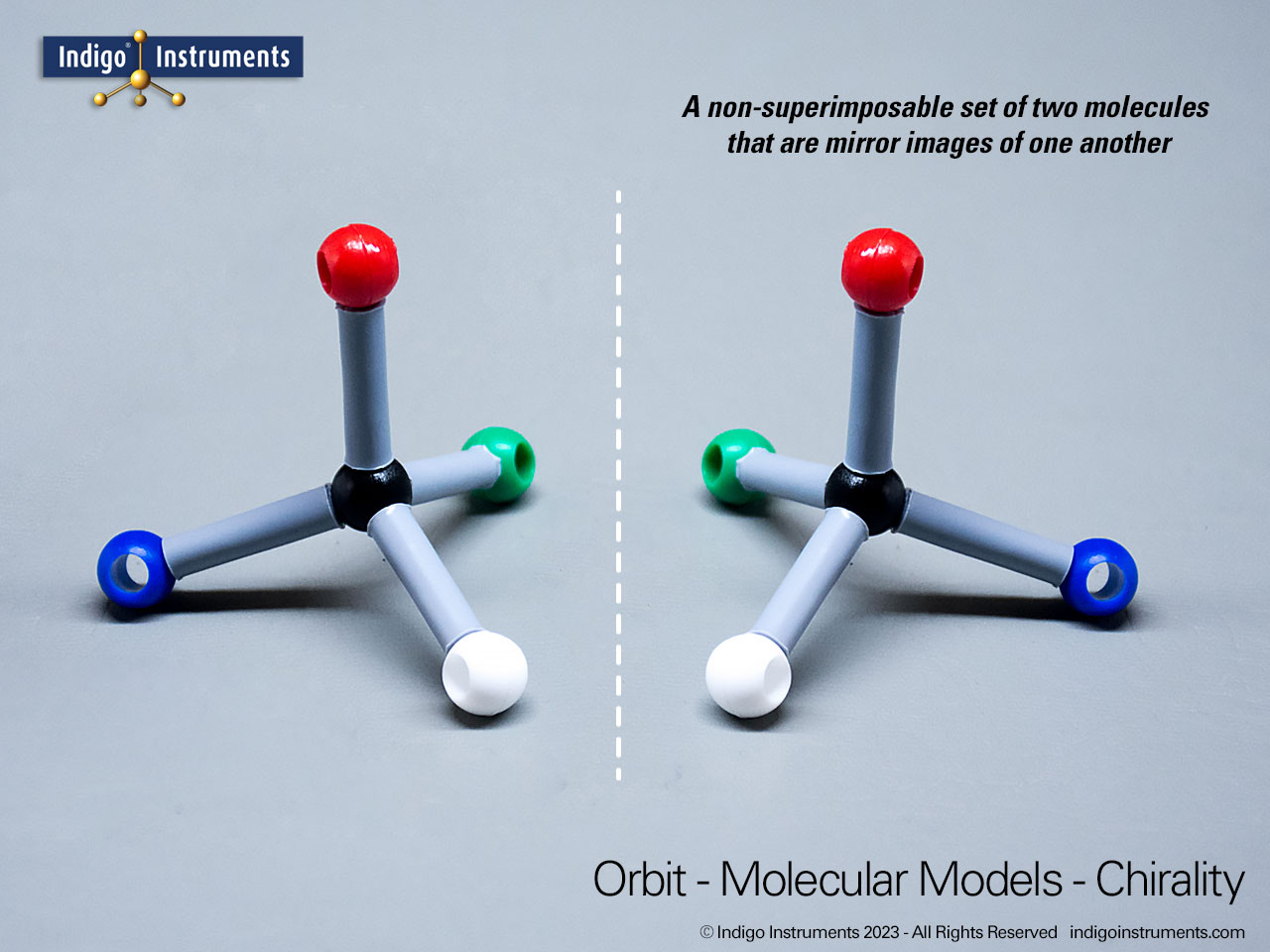
| Lactic acid (2-hydroxypropanoic acid) | Hydroxy carboxylic acid; exists as L/D enantiomers; substrate in redox chemistry (lactate/pyruvate interconversion). | Marker of anaerobic metabolism (lactate); topical uses in dermatology; metabolic acidosis guidance and exercise physiology relevance. |
| Citric acid (2-hydroxypropane-1,2,3-tricarboxylic acid) | Tri-carboxylic acid; chelating properties; central in chelation and buffering; key TCA cycle intermediate. | Core of cellular energy metabolism (Krebs cycle); used as food additive and anticoagulant in blood collection; metabolic and rehydration contexts. |
| Oxalic acid (C2O4H2) | Small dicarboxylic acid; strong chelator of calcium (forms insoluble oxalates); crystalline salt formation. | Kidney stone formation risk (calcium oxalate); plant-derived exposure considerations; stone prevention counseling. |
| Succinic acid (butanedioic acid) | Dicarboxylic TCA cycle intermediate; participates in redox-linked metabolic steps and anhydride chemistry. | Metabolic intermediate in energy pathways; used in some clinical formulations; relevance to mitochondrial function and sepsis research. |
| Palmitic acid (C16:0) | Common saturated long-chain fatty acid; hydrophobic tail chemistry, melting point and packing/van der Waals trends. | Major dietary saturated fat; membrane lipid component; implications for inflammation, metabolic disease, and wound/skin formulations. |
| Oleic acid (C18:1 cis-9) | Monounsaturated fatty acid; Cis-double bond introduces kink affecting packing and fluidity; undergoes oxidation chemistry. | Heart-healthy MUFA; membrane fluidity and signaling; used in topical emollients and nutrition counseling. |
| Arachidonic acid (20:4(ω−6)) | Polyunsaturated fatty acid (PUFA); precursor to eicosanoids via COX/LOX pathways; sensitive to peroxidation. | Source of prostaglandins/leukotrienes (inflammation, pain); clinical relevance to anti-inflammatory drugs and nutrition balance. |
| Aspartic acid / Glutamic acid (acidic amino carboxylic acids) | Amino acids bearing carboxylate side chains at physiological pH; acid-base behavior, zwitterions, and side-chain reactivity. | Neurotransmitter precursors and metabolic roles; clinical relevance in amino-acidopathies, nutrition, and acid–base disturbances. |
Chemistry Majors Should be Able to:
Biology, Nursing & Premed Majors Should be Able to:
| Feature | Benefit |
|---|---|
| Accurate trigonal planar geometry for the carbonyl carbon | Helps students visualize molecular shape and predict reactivity in acid-base and esterification reactions. |
| Distinctive color-coded oxygen atoms | Clarifies the difference between hydroxyl and carbonyl oxygen atoms in the same group. |
| Interchangeable components | Allows easy transformation into related groups like esters or amides for teaching functional group interconversion. |
| Durable Orbit connectors | Provides long-lasting use for classroom demonstrations or lab exercises. |
| Cross-disciplinary relevance | Links chemical structure to biological molecules like fatty acids and amino acids. |
Indigo Instruments has stocked genuine Cochranes of Oxford molecular model parts for 30+ years. Customize or replenish any model set/kit we have ever sold!
| Compound | Chemistry Focus | Biology / Medical Relevance |
|---|---|---|
| Acetic Acid | Simple carboxyl acid—acidity, esterification, and solvent use | Component of vinegar; central to digestion and metabolism via acetyl-CoA |
| Citric Acid | Tricarboxylic acid—structure, chelation, and acidity | Key intermediate in the Krebs (citric acid) cycle |
| Palmitic Acid | Long-chain saturated fatty acid-hydrophobic interactions and melting point effects | Common lipid component; energy storage and cell membranes |
| Aspartic Acid | Amino acid with –COOH and amine functional groups | Protein building block; involved in urea cycle and neurotransmission |
| Benzoic Acid | Aromatic carboxylic acid—electrophilic substitution and acidity trends | Food preservative; antimicrobial properties |
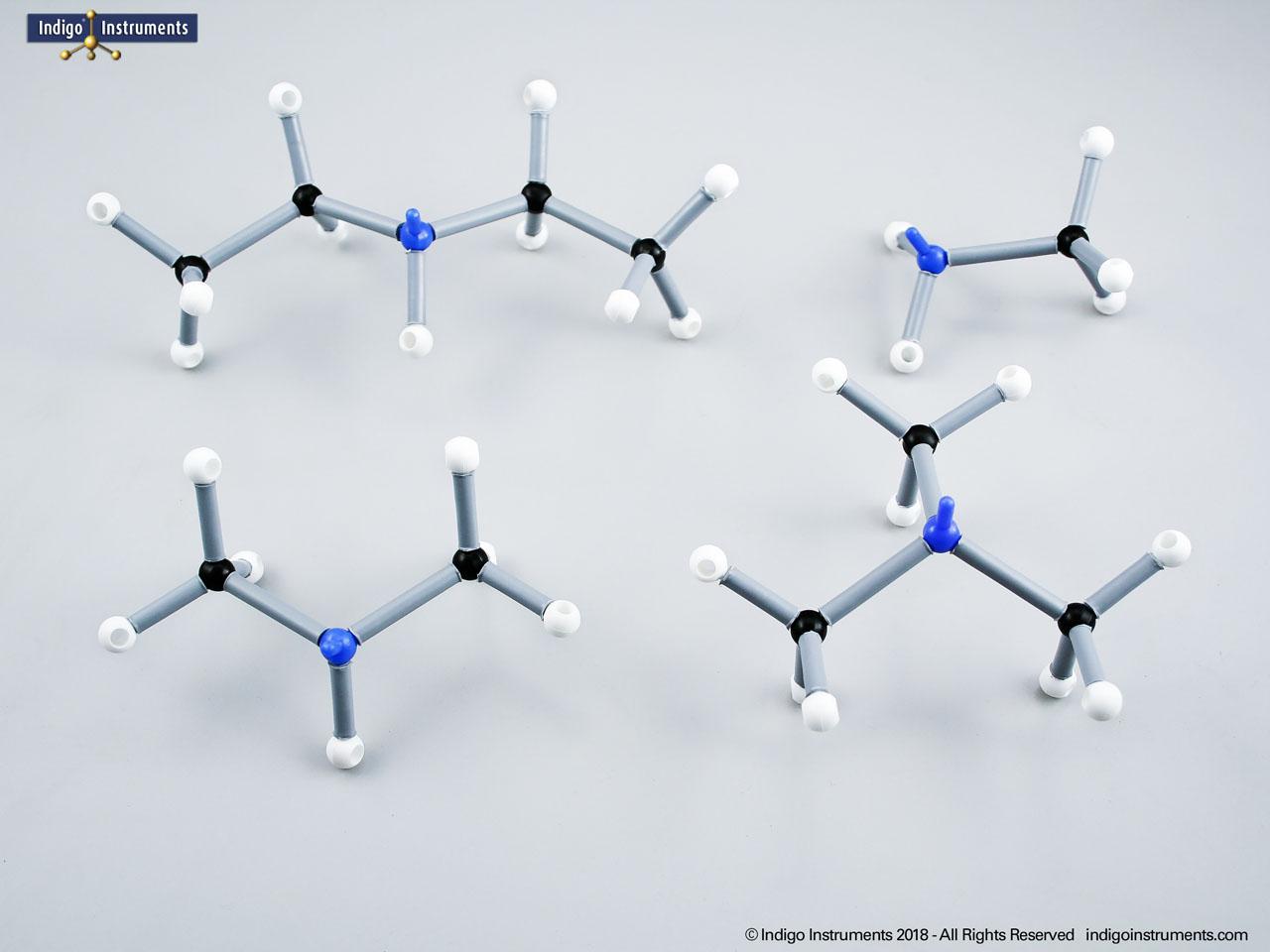
Use the Orbit 68845NV Basic Organic Chemistry Model Set in conjucntion with the Indigo® Instruments 3D Molecular Model Builder (choose Orbit Basic Style to match this set) to view or assist in building the carboxylic acids shown in the image or the examples above chosen from the many thousands listed in the NIH database.
I've had consistently great service from this company. Our students seem to really appreciate the reasonable price. In the years that we've used this product, not one has been returned due to defects.
Considering how many of these we sell to schools every year, that is high praise indeed. Thanks letting us know.