Thiol Functional Group Compound Models

SKU: 68845NV
$17.00USD or lower Each

Save More When You Buy More!
Quantity1+10+ 100+ 
Price for each$17.00USD$16.30USD$15.90USD
Your savings - 4.12%6.47%
Qty:
[5]   5 Reviews    | Write a Review

Explore thiol functional groups in chemistry and biology applications with key examples using the Orbit 68845NV molecular model set.

Thiols, also known as mercaptans, are organic compounds containing a sulfur-hydrogen (-SH) group attached to a carbon. They play critical roles in chemistry, from nucleophilic reactions and disulfide bond formation to redox chemistry, as well as in biology, where cysteine residues contribute to protein structure and enzyme activity. Orbit thiol molecular models help students visualize stereochemistry, sulfur bonding, and molecular conformation, making them ideal for chemistry majors studying reaction mechanisms, and for biology, premed, and nursing students exploring enzyme active sites, protein folding, and cellular redox processes.

Thiol Functional Group Comparison of Educational Needs

Compound Chemistry Focus Biology / Medicine / Nursing Focus
Methanethiol Simple thiol; illustrates acidity of SH group, nucleophilic substitution, and oxidation to disulfides. Used in flavoring and odor studies; limited biological relevance.
Ethanethiol Example for studying thiol nucleophilicity and sulfide formation in organic reactions. Occurs in trace amounts in metabolism; relevant in smell perception studies.
Cysteine Illustrates thiol participation in redox chemistry, disulfide bond formation, and protein reactivity. Essential amino acid; forms disulfide bridges critical for protein tertiary structure and enzyme function.
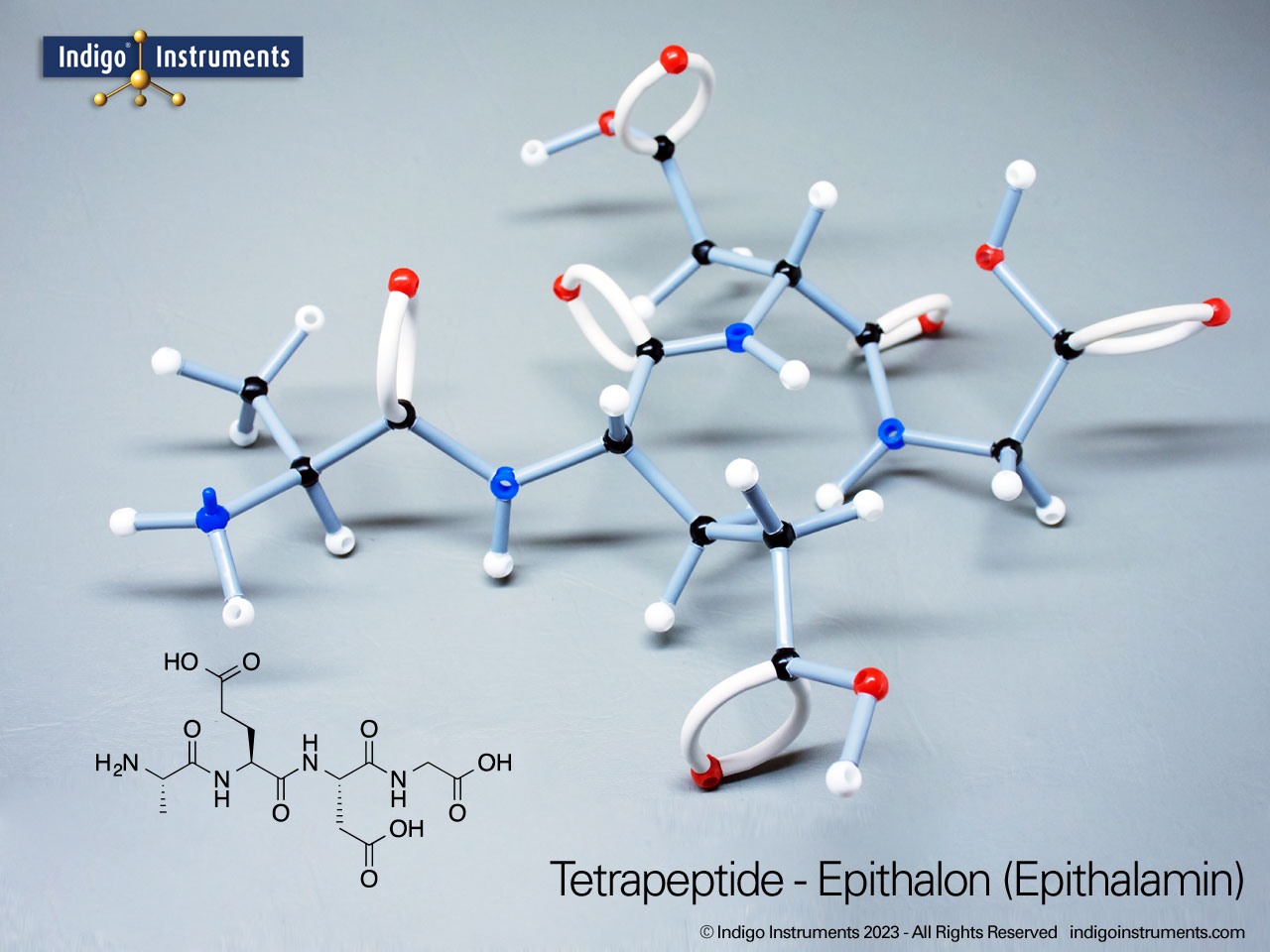
Glutathione (γ-L-glutamyl-L-cysteinylglycine) Model for tripeptide thiol reactivity; used to teach oxidation-reduction reactions and conjugation chemistry. Key antioxidant in cells; maintains redox balance, detoxifies reactive oxygen species, and supports immune function.
Thiophenol Aromatic thiol; demonstrates acidity, nucleophilicity, and aromatic substitution reactions. Limited direct biological role; sometimes used as analogs to study enzyme-catalyzed aromatic thiol reactions.

Important Learning Outcomes

  • Chemistry Majors Should Be Able to:
    Understand thiol acidity and nucleophilicity.
    Learn mechanisms for disulfide formation and redox reactions.
    Explore thiol reactions in aromatic and aliphatic contexts.
  • Biology, Medicine, and Nursing Majors Should Be Able to:
    Recognize the role of cysteine and glutathione in protein structure and cellular redox balance.
    Understand disulfide bridges in tertiary protein folding.
    Appreciate thiols’ contributions to enzyme active sites and antioxidant defence.

Features & Benefits of Orbit Framework Molecular Models for Teaching Thiol Structure

  • Visualize -SH group geometry and sulfur atom positioning.
  • Build disulfide bridges and explore redox reactions.
  • Demonstrate thiol participation in biological molecules such as cysteine and glutathione.
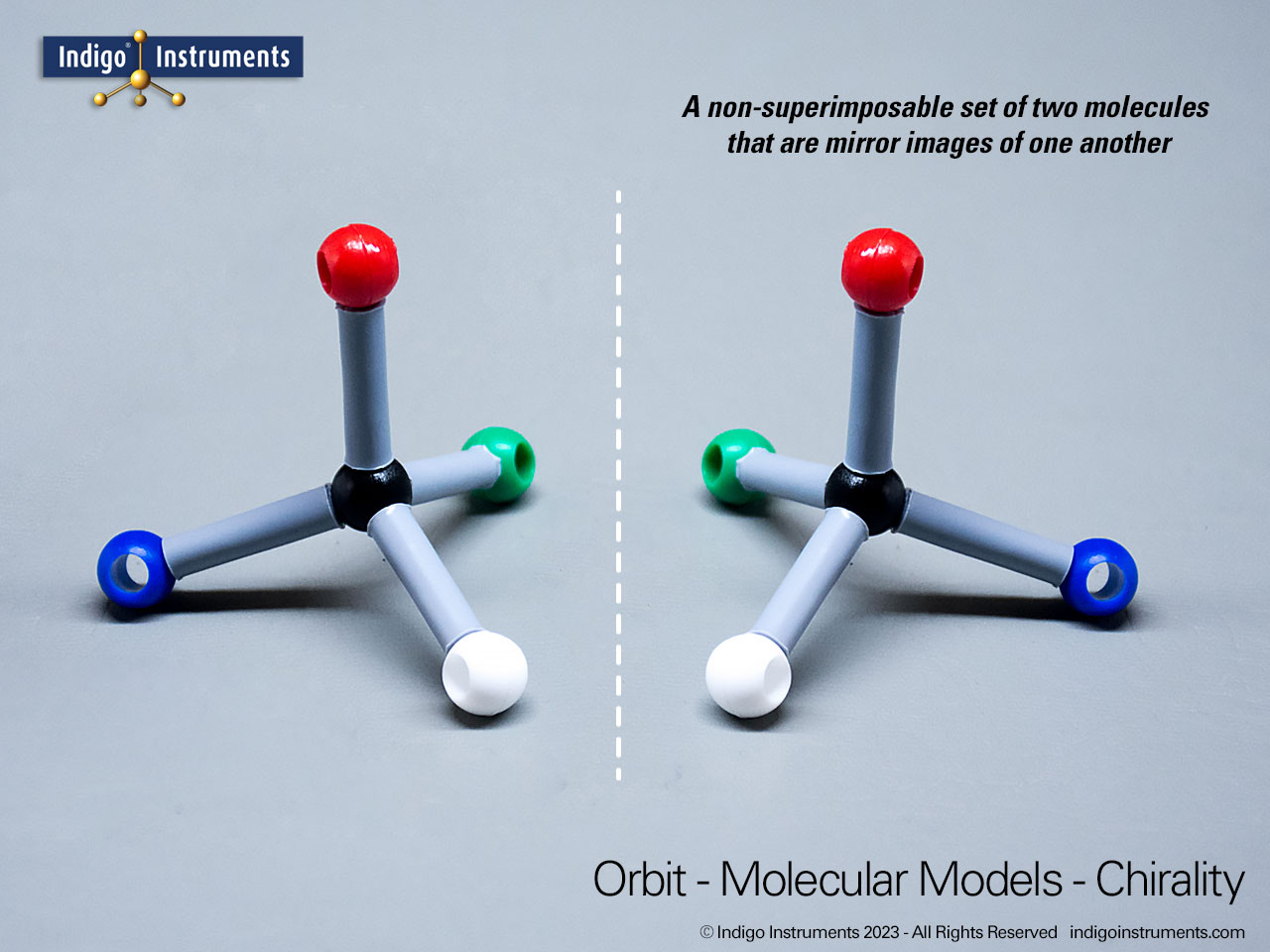
  • Highlight functional group reactivity and stereochemistry.
  • Compatible with teaching both chemistry mechanisms and biology/medicine applications.

Indigo Instruments has stocked genuine Cochranes of Oxford molecular model parts for 30+ years. Customize or replenish any model set/kit we have ever sold!
Details

Key Thiol Functional Group Examples for the Classroom

Compound Chemistry Use Case Biology / Medicine Relevance
Methanethiol Teaches SH group acidity and nucleophilic substitution; oxidation to dimethyl disulfide. Trace metabolic occurrence; used for smell studies and lab exercises.
Cysteine Model for disulfide bond formation; redox reactivity. Essential amino acid; forms disulfide bridges in proteins, critical for structure and enzyme activity.
Glutathione Tripeptide thiol for oxidation-reduction and conjugation reactions. Major cellular antioxidant; protects cells from oxidative stress and supports detoxification.
Thiophenol Aromatic thiol; teaches nucleophilic and electrophilic reactions. Analog studies for enzyme-substrate interactions; limited direct biological role.

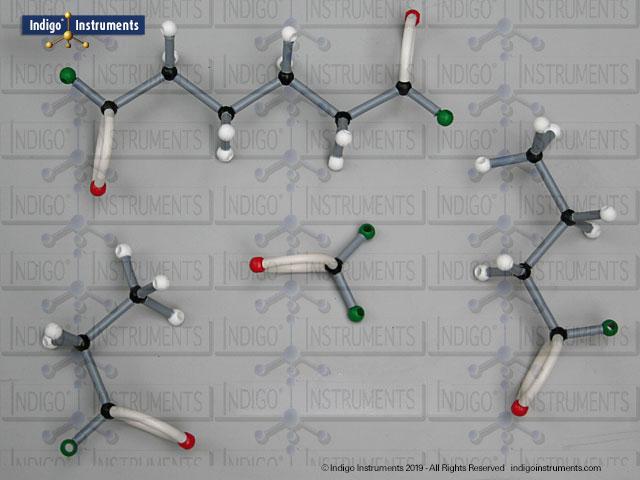
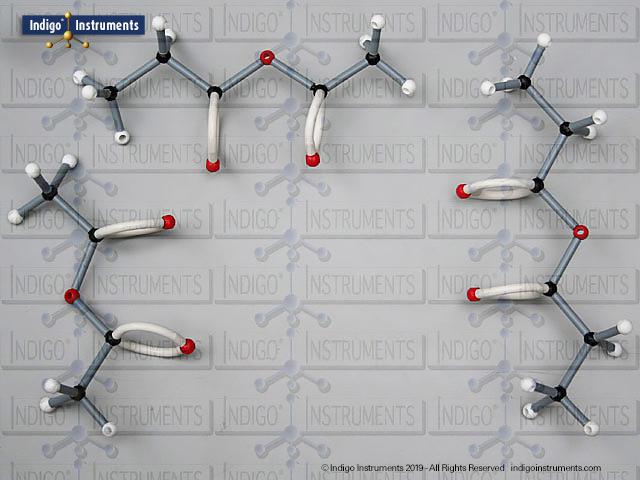
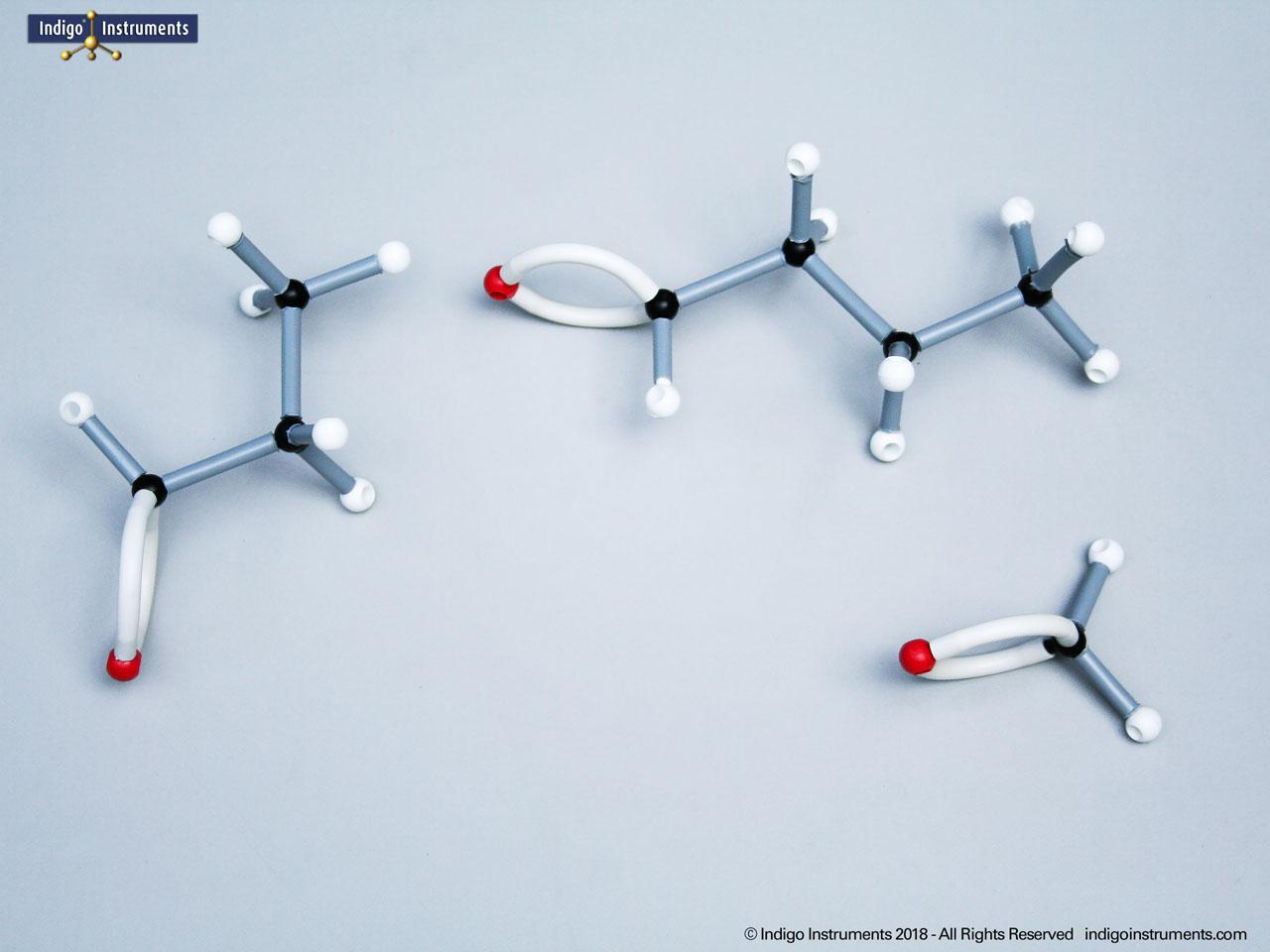
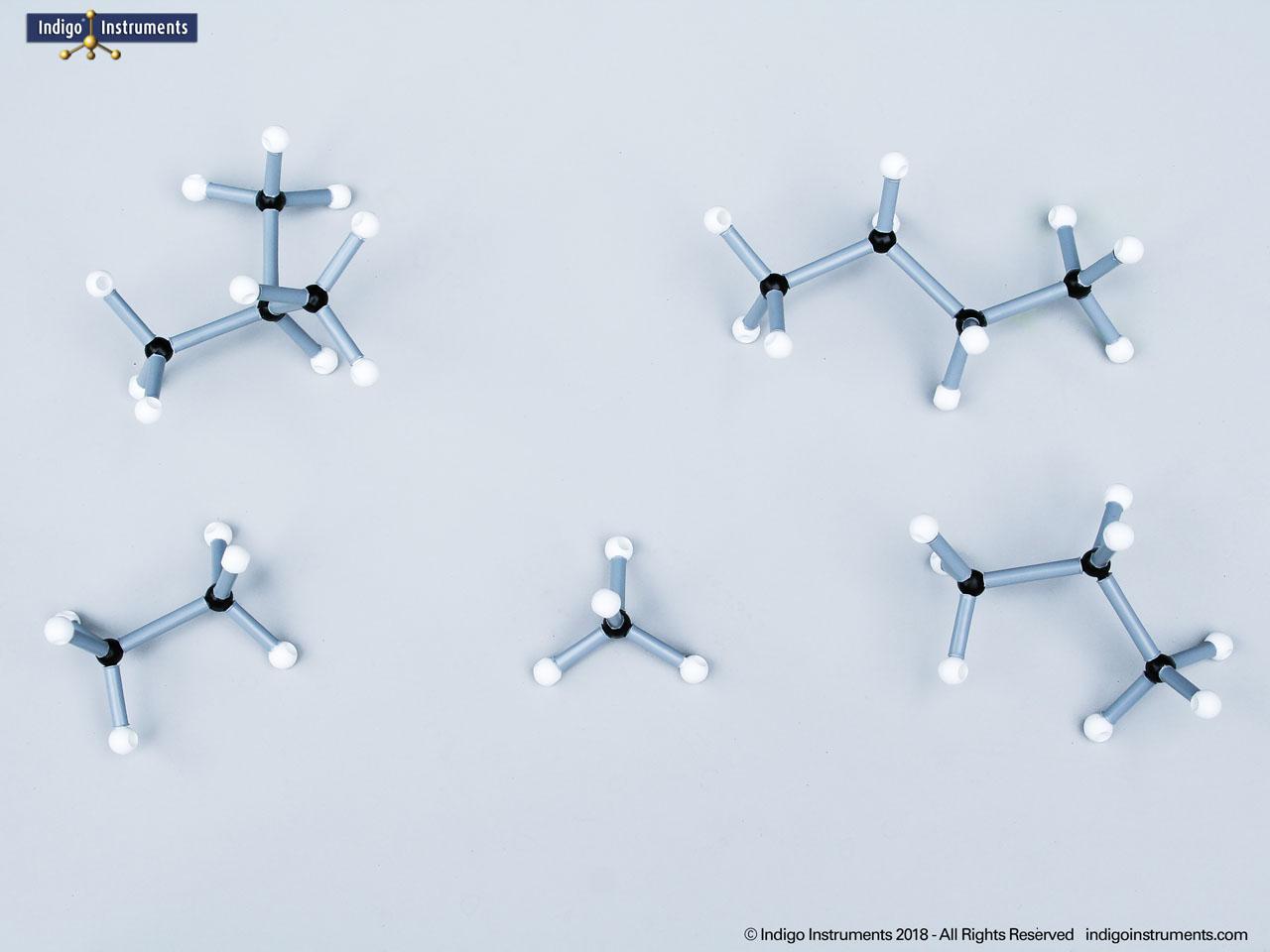
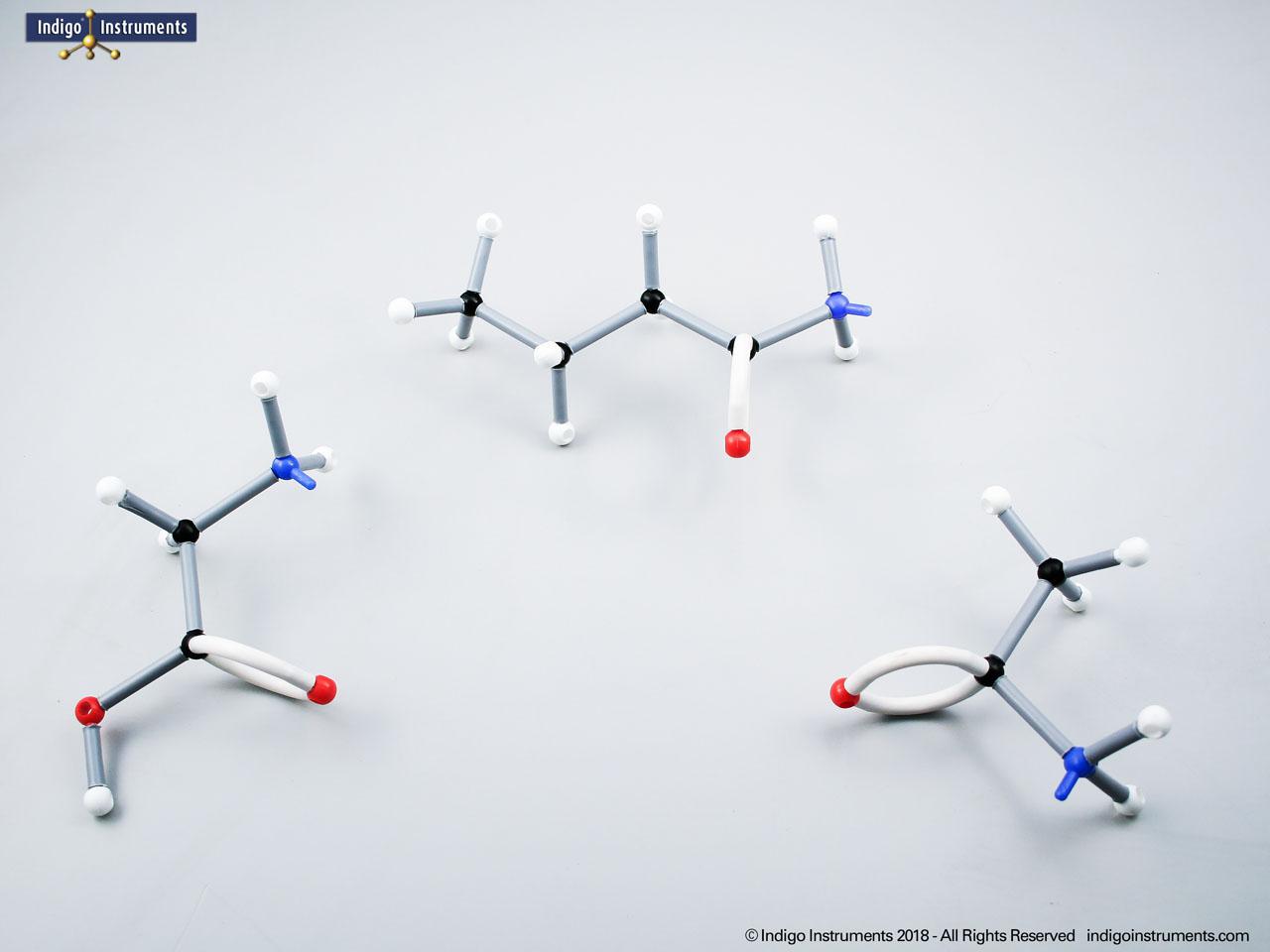
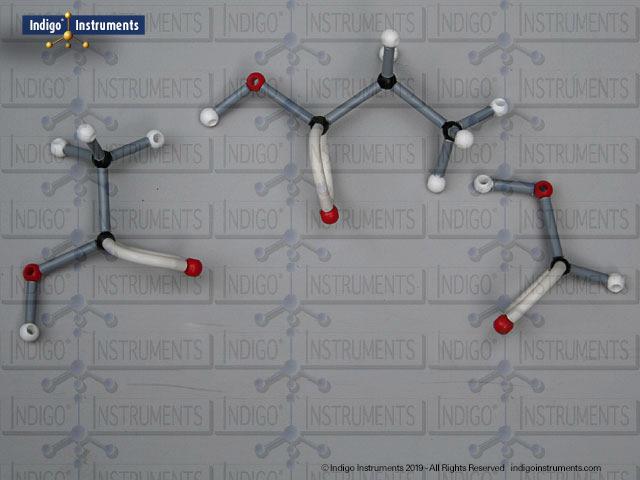
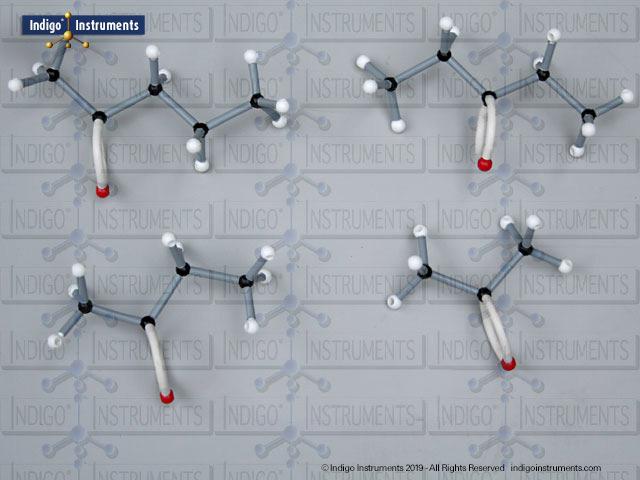
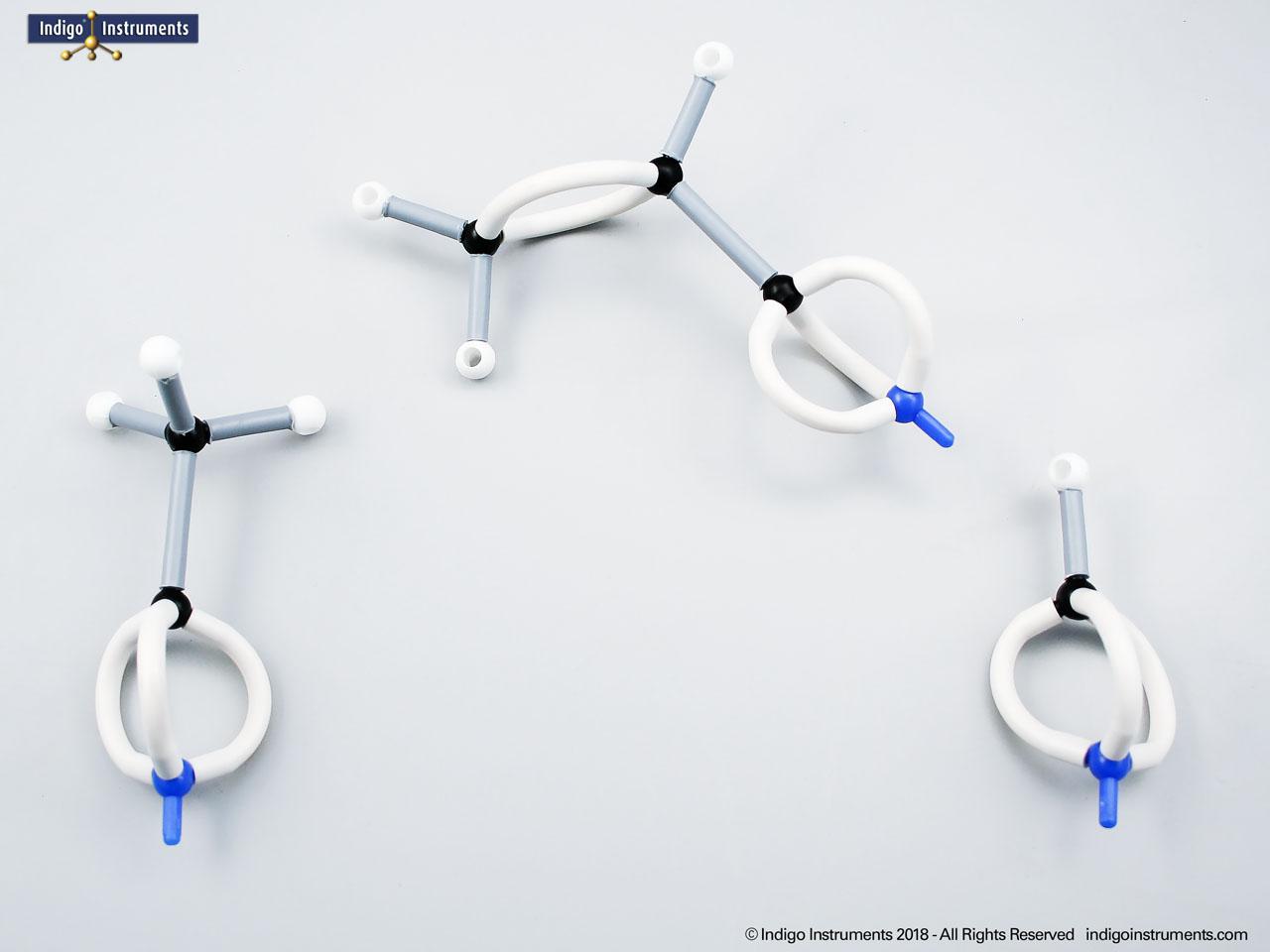
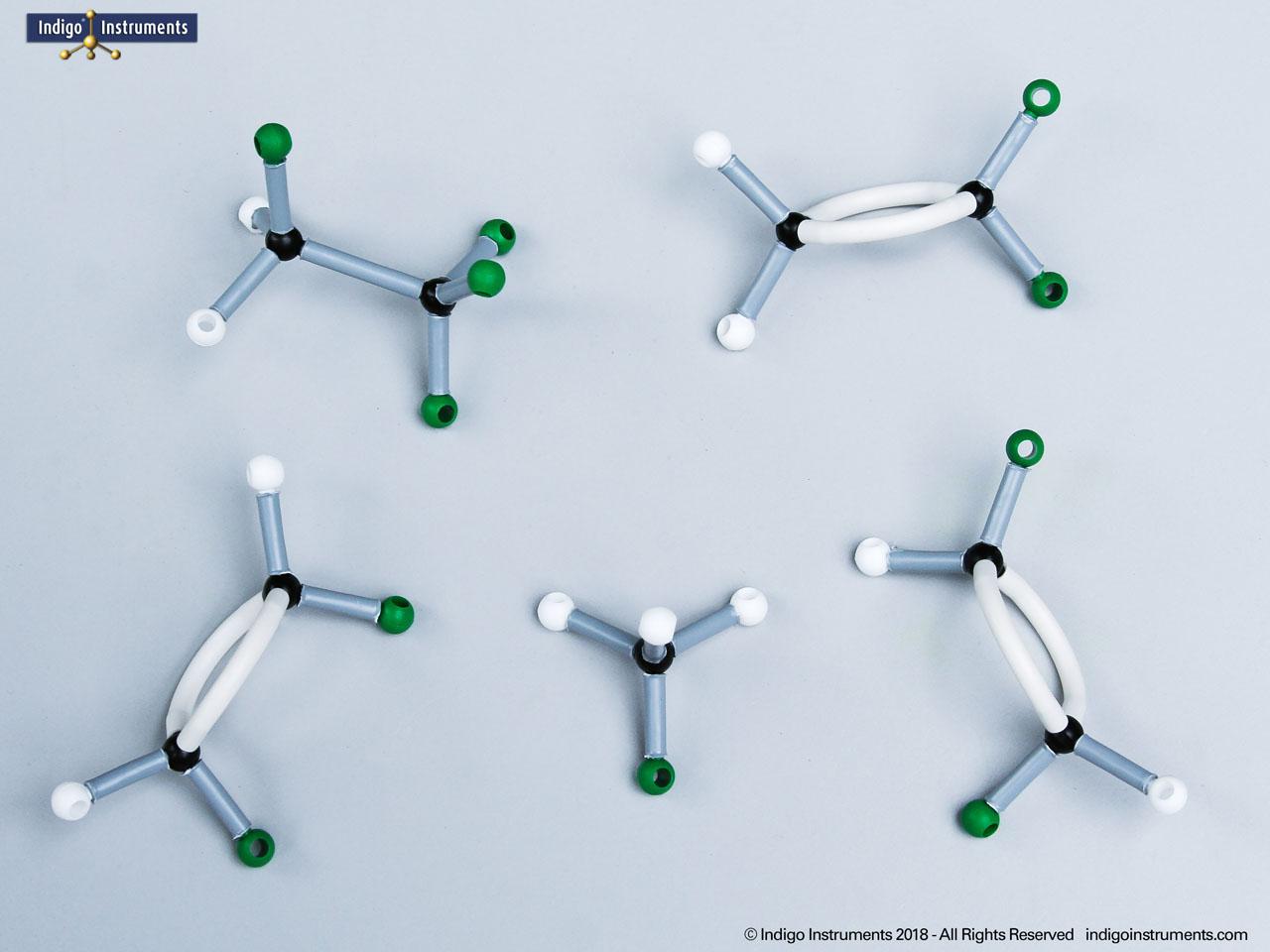
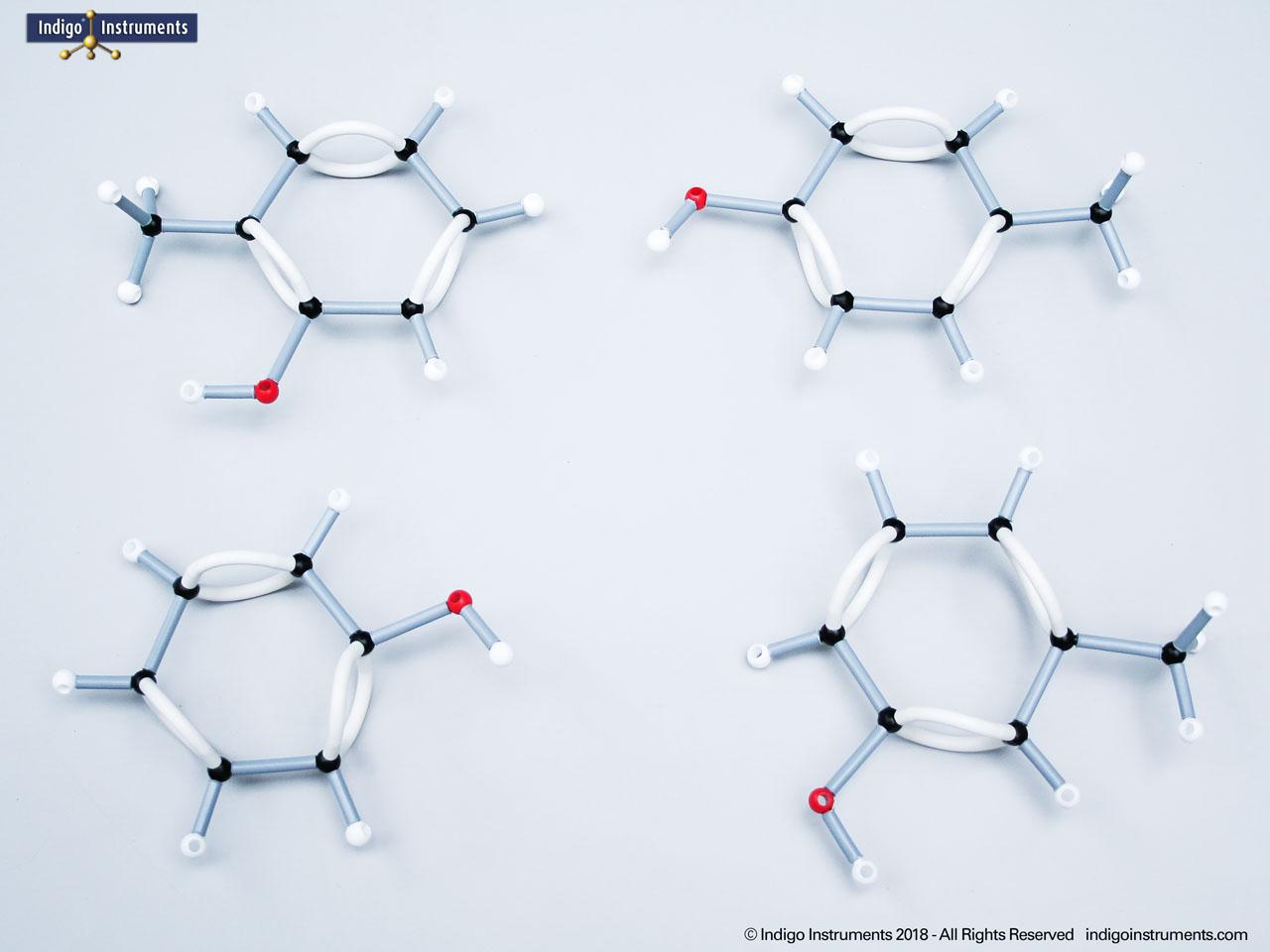
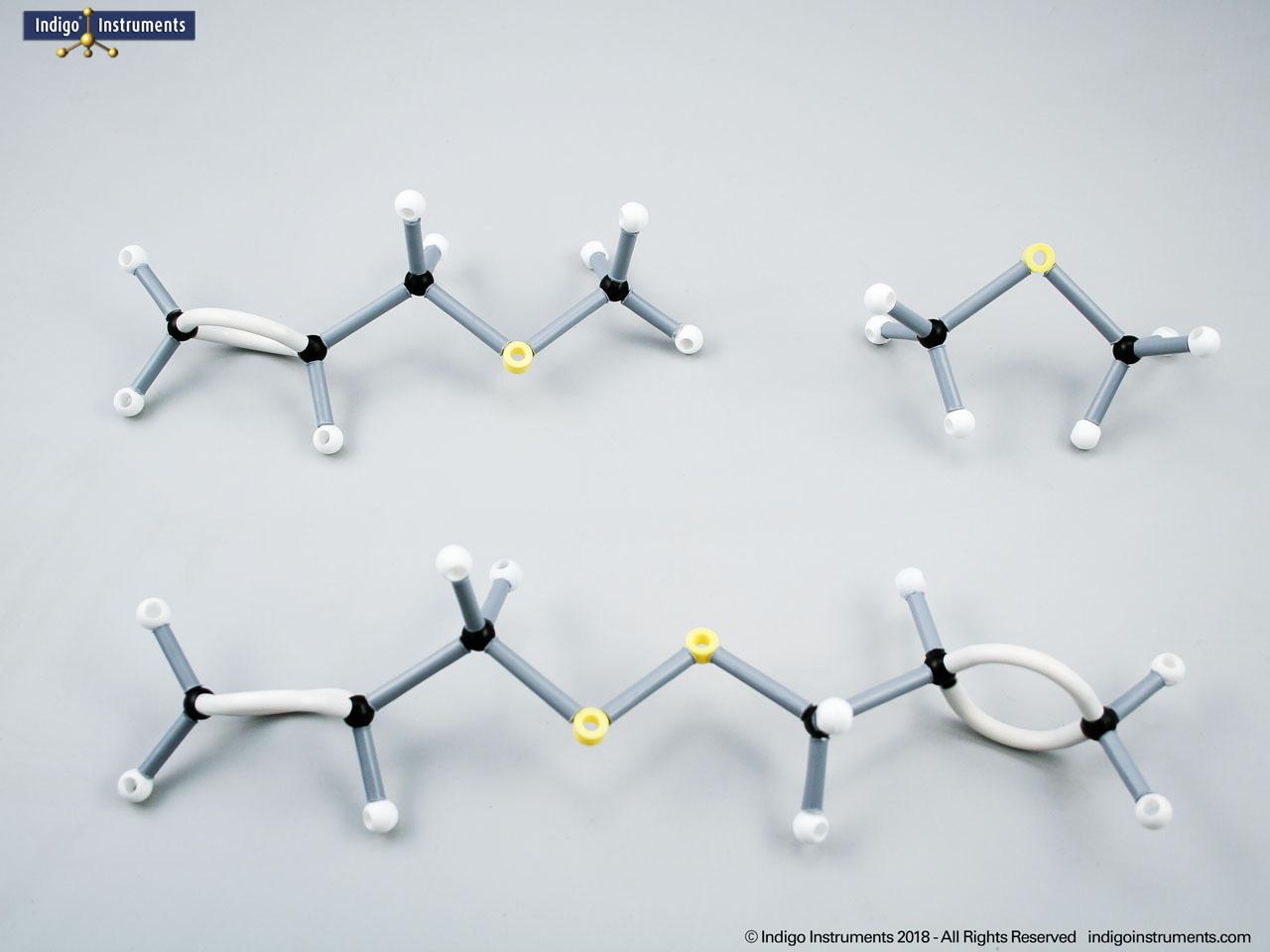
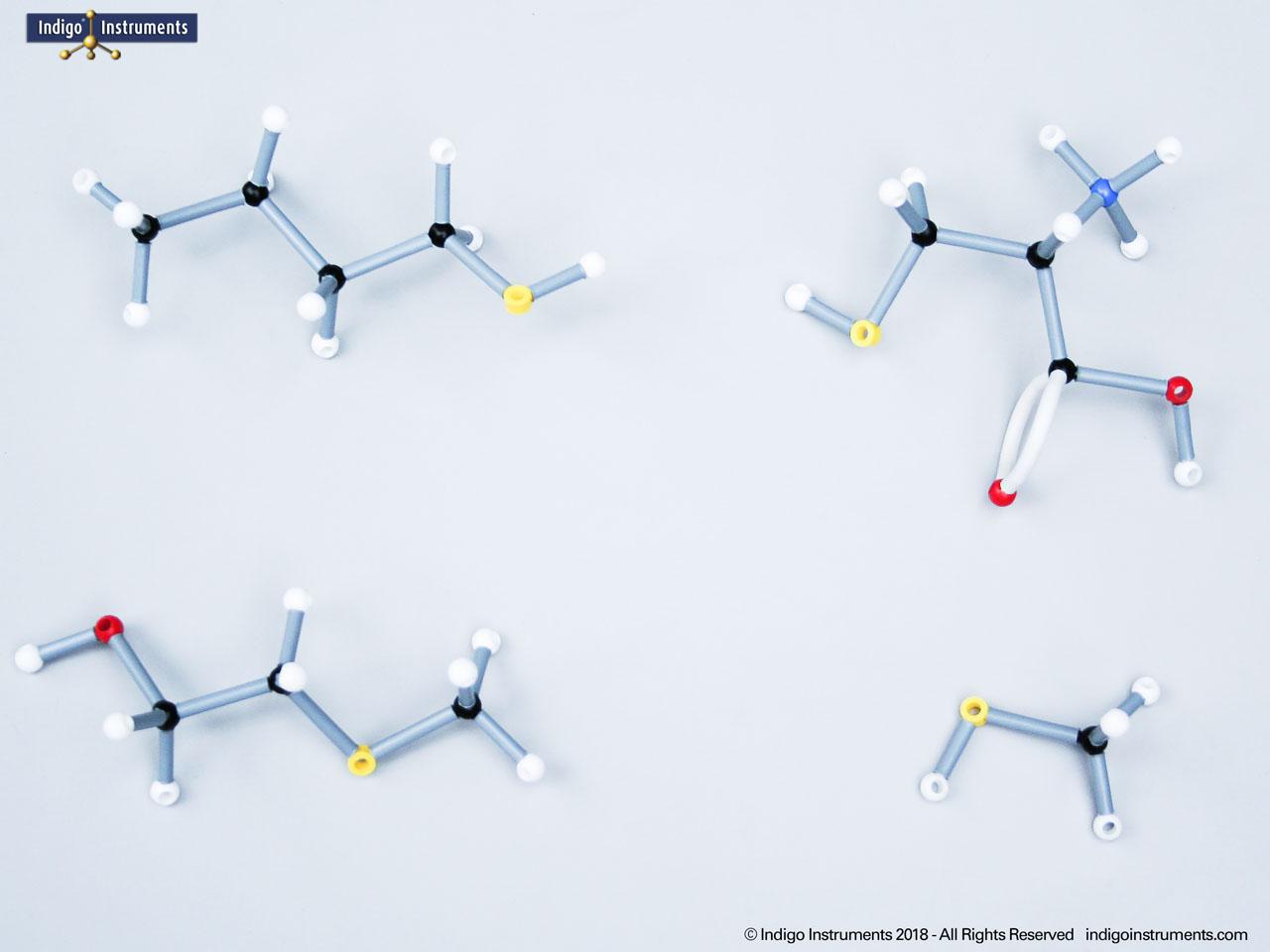
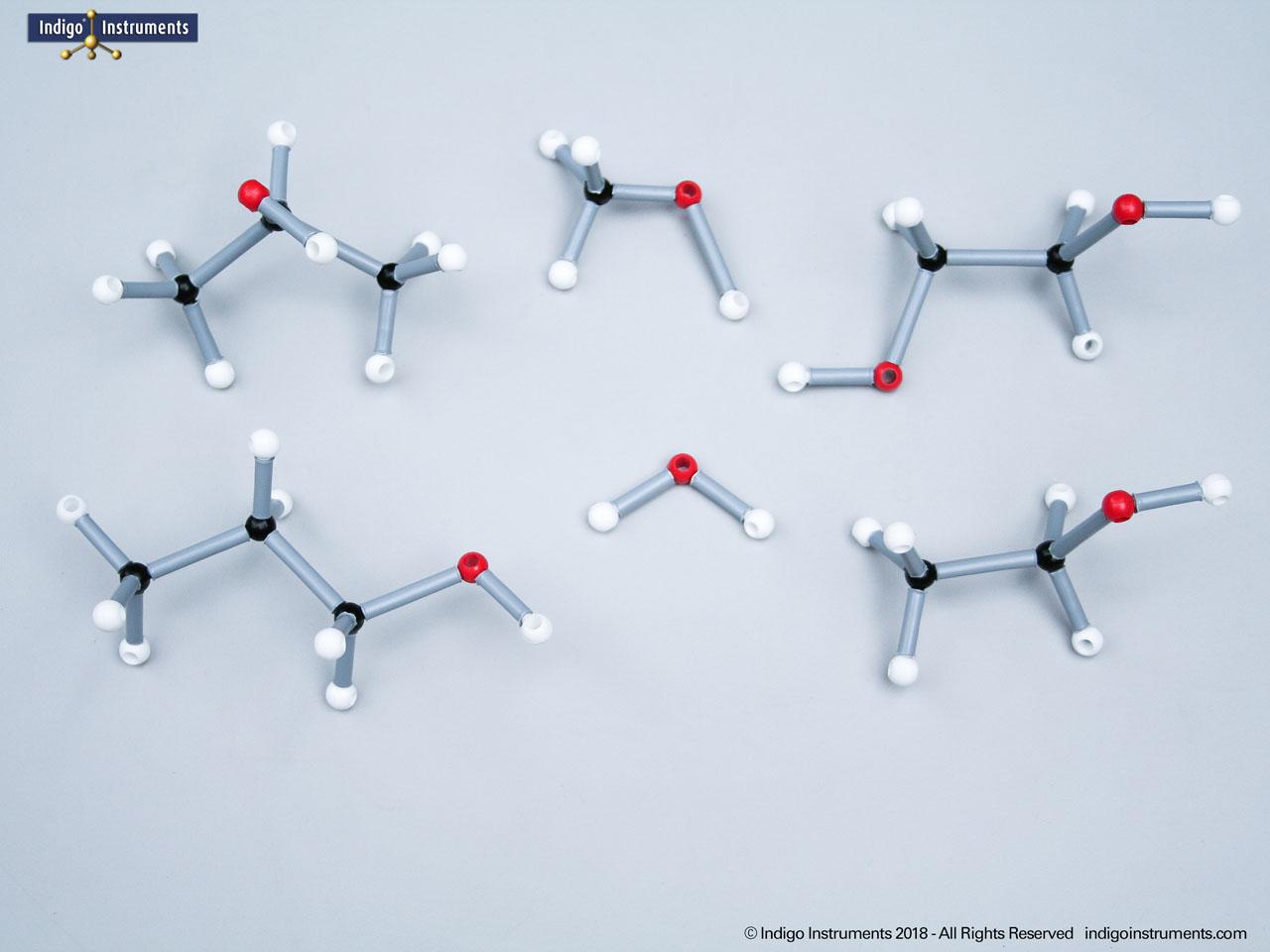
Four thiols are shown in the image, methanethiol, butanethiol, 2-(methylthio)ethanol which is a flavoring agent and an amino acid, cysteine. You would need to buy extra sulfur atoms, part number 68828C, to build more than one of these at a time. Build these with the 68845NV molecular model set & many other thiols listed in the NIH database with help from the Indigo® Instruments 3D Molecular Model Builder

Related information or images
Parts
Reviews (5)
2020-09-10
This model kit is great for improving knowledge of molecular structures for organic chemistry.
— Jan
2020-05-31
I bought the product for a university class and it met expectations. Great service and fast shipping.
— Miri
— Indigo: Thank you for the review. Good luck this term.
2019-09-23
Great product, fast shipping, excellent customer service!
— Courtney
2019-08-15
Bought two of these because I prefer them to the one used at the university. Easy to use and has a good flexibility.
— Thierry
2018-04-16

I've had consistently great service from this company. Our students seem to really appreciate the reasonable price. In the years that we've used this product, not one has been returned due to defects.

— Becki
— Indigo:

Considering how many of these we sell to schools every year, that is high praise indeed. Thanks letting us know.

Review This Product Now!