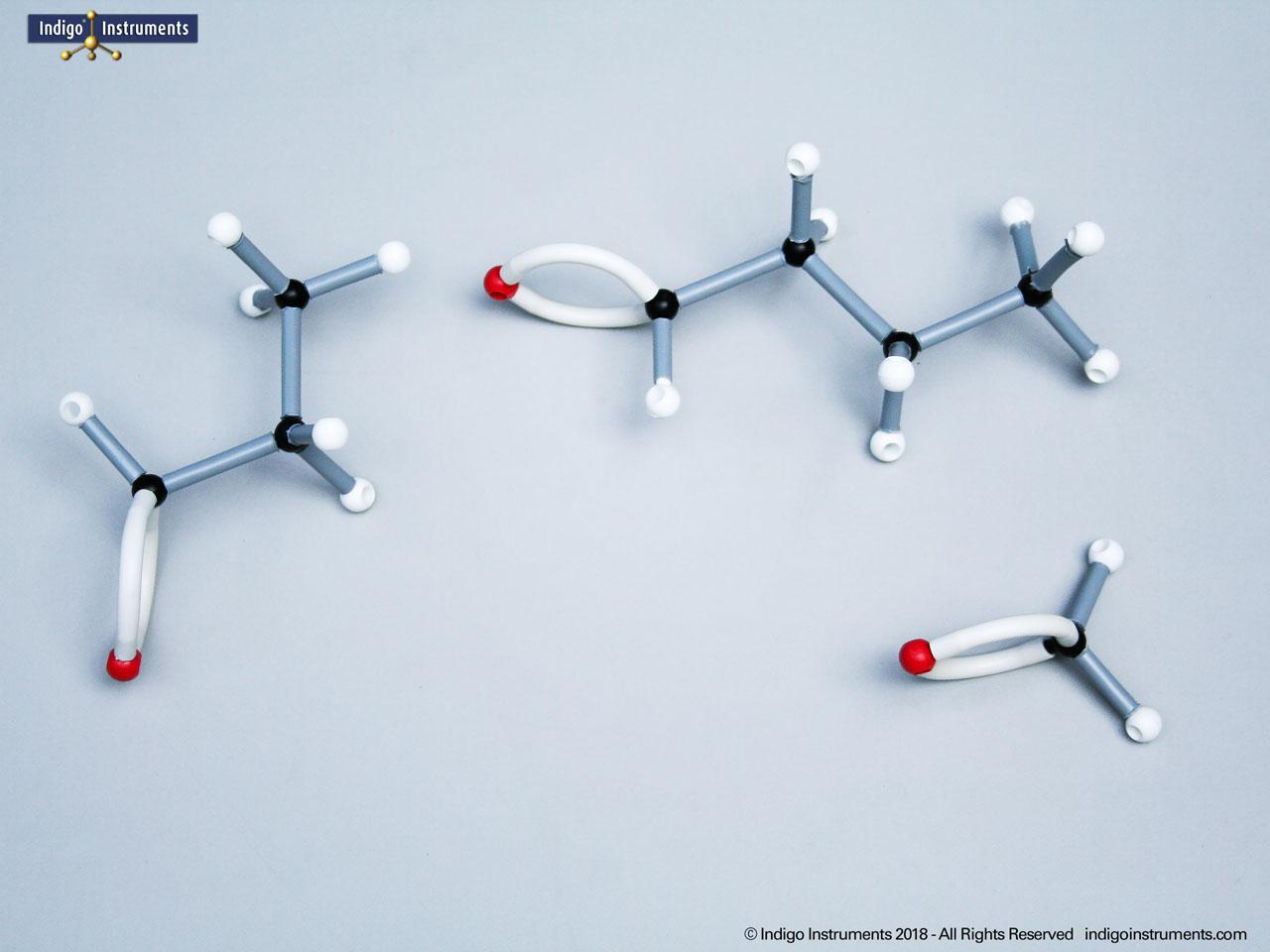
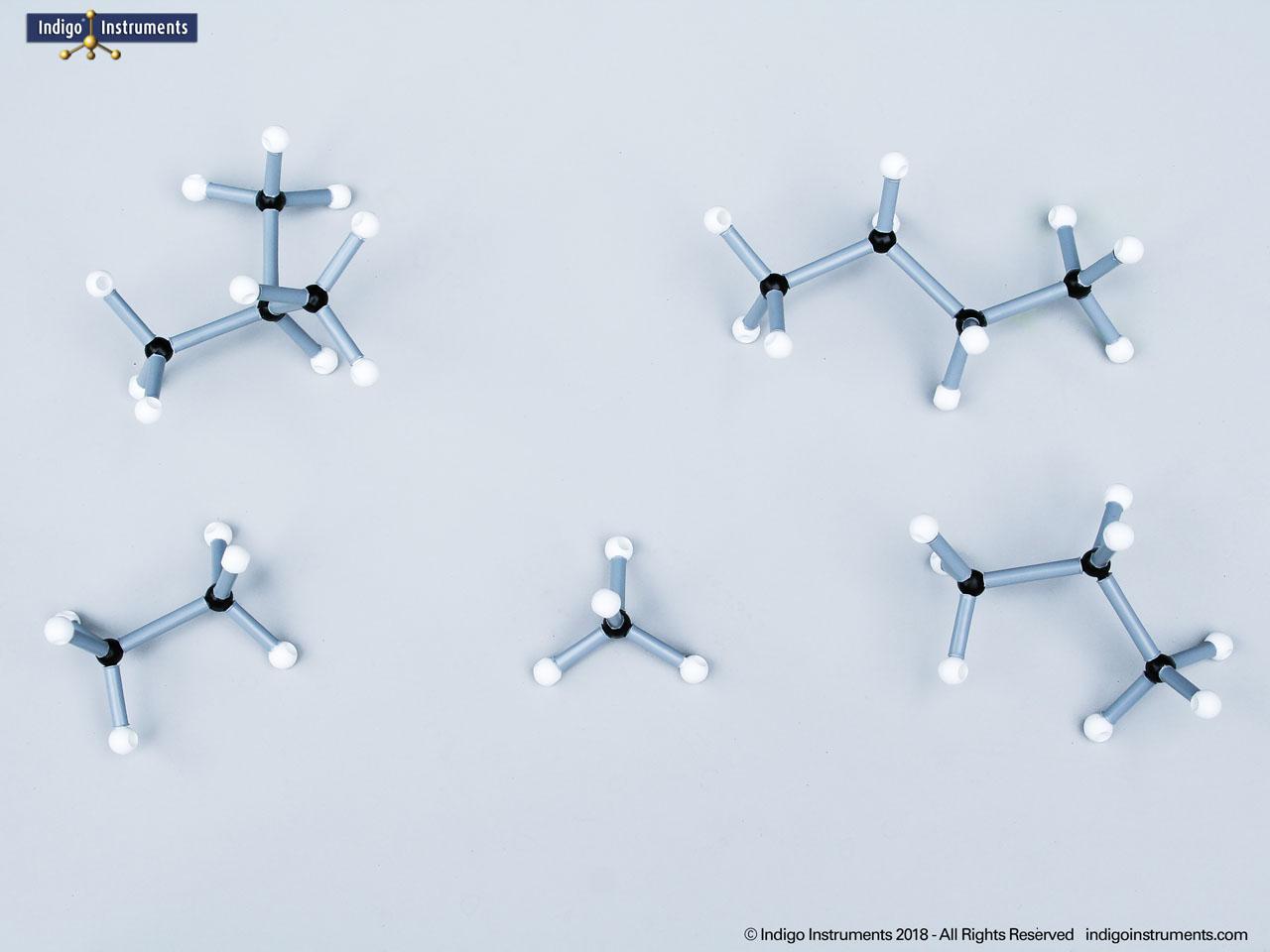
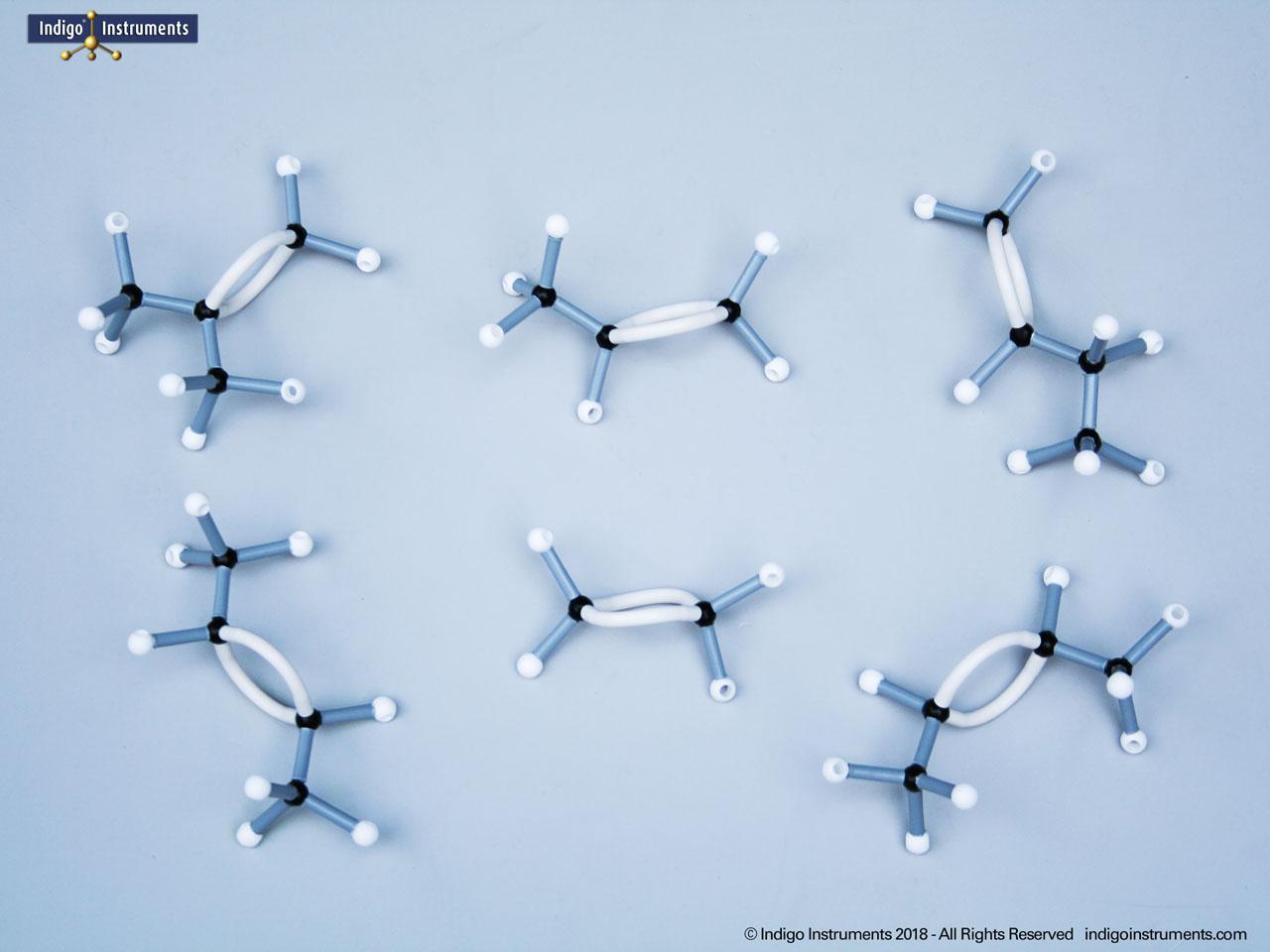
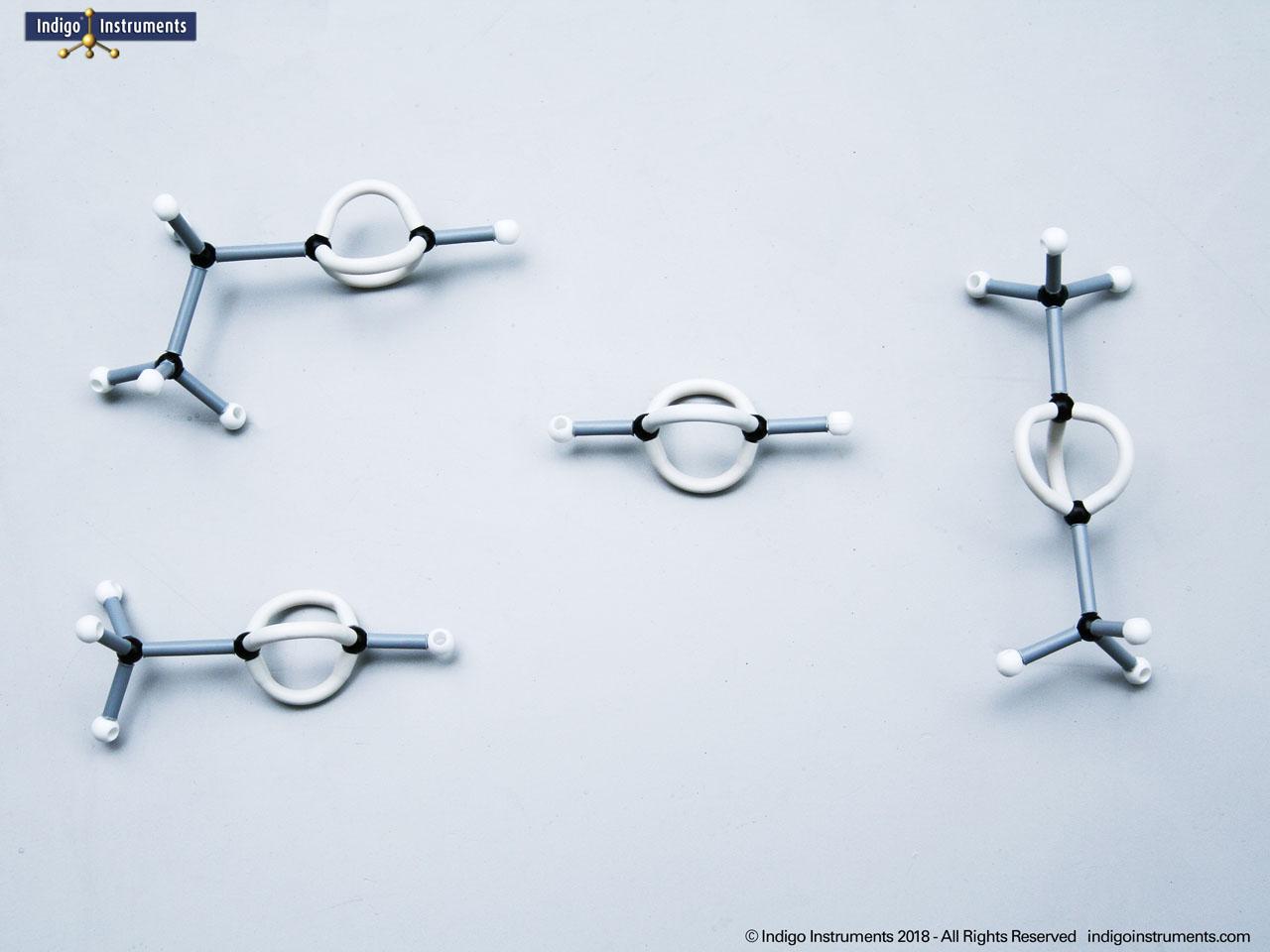
Ether Functional Group Molecule Structure
SKU: 68845NV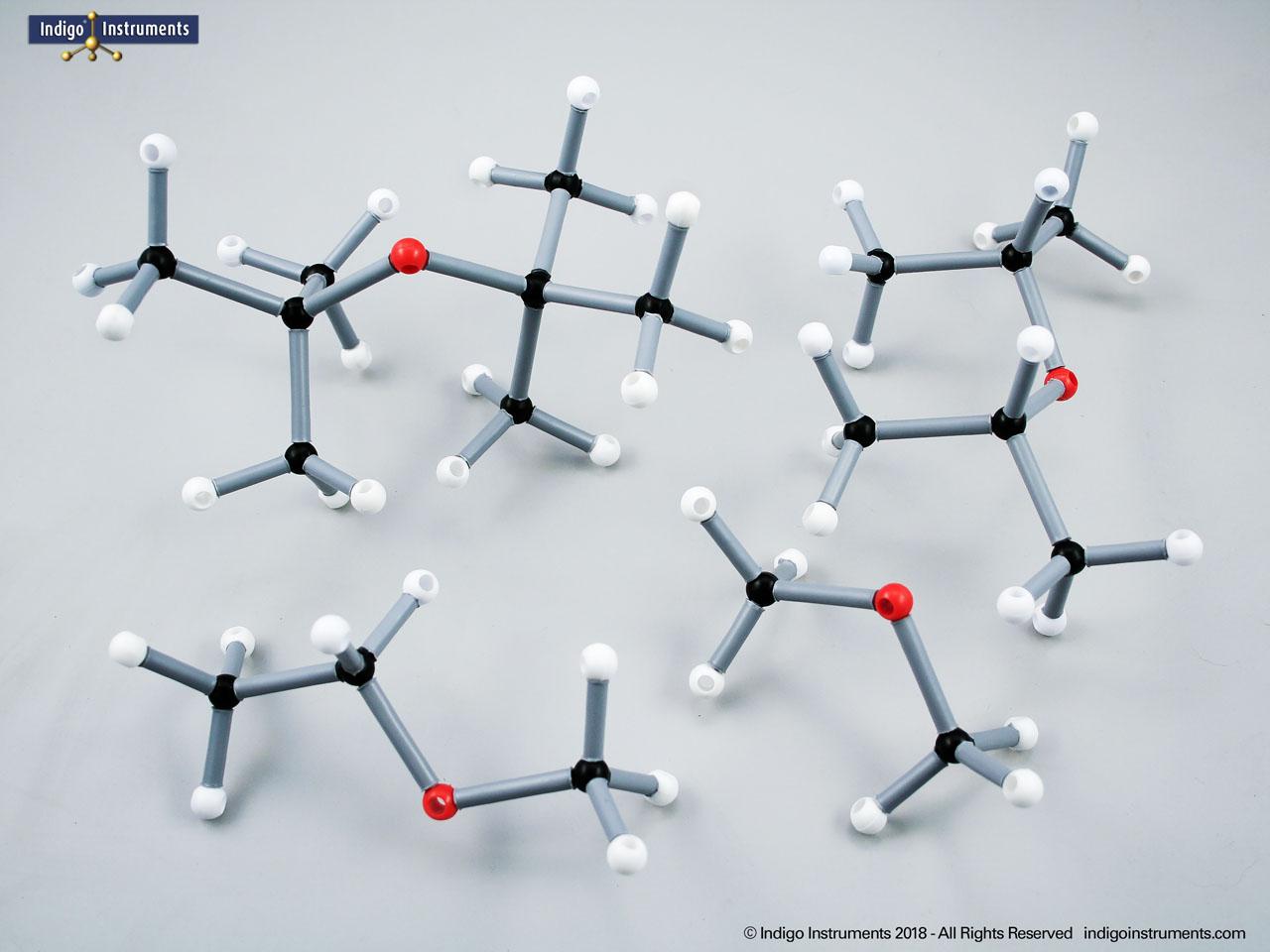
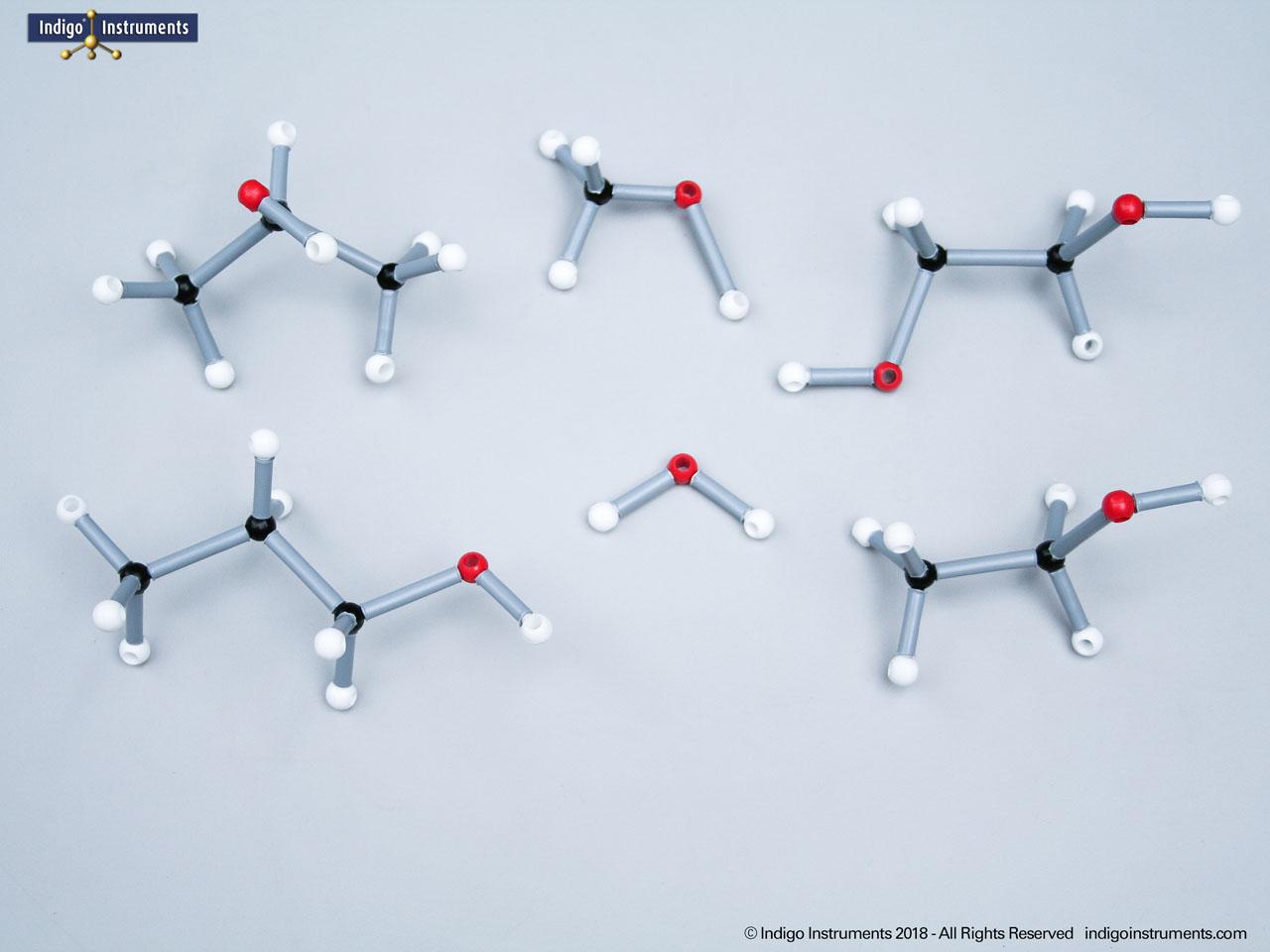
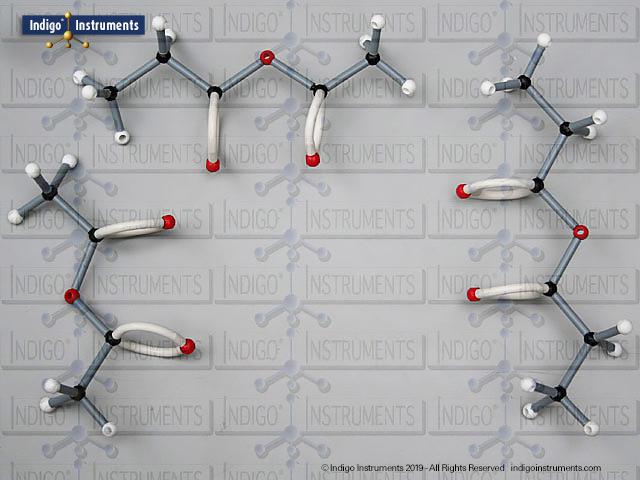
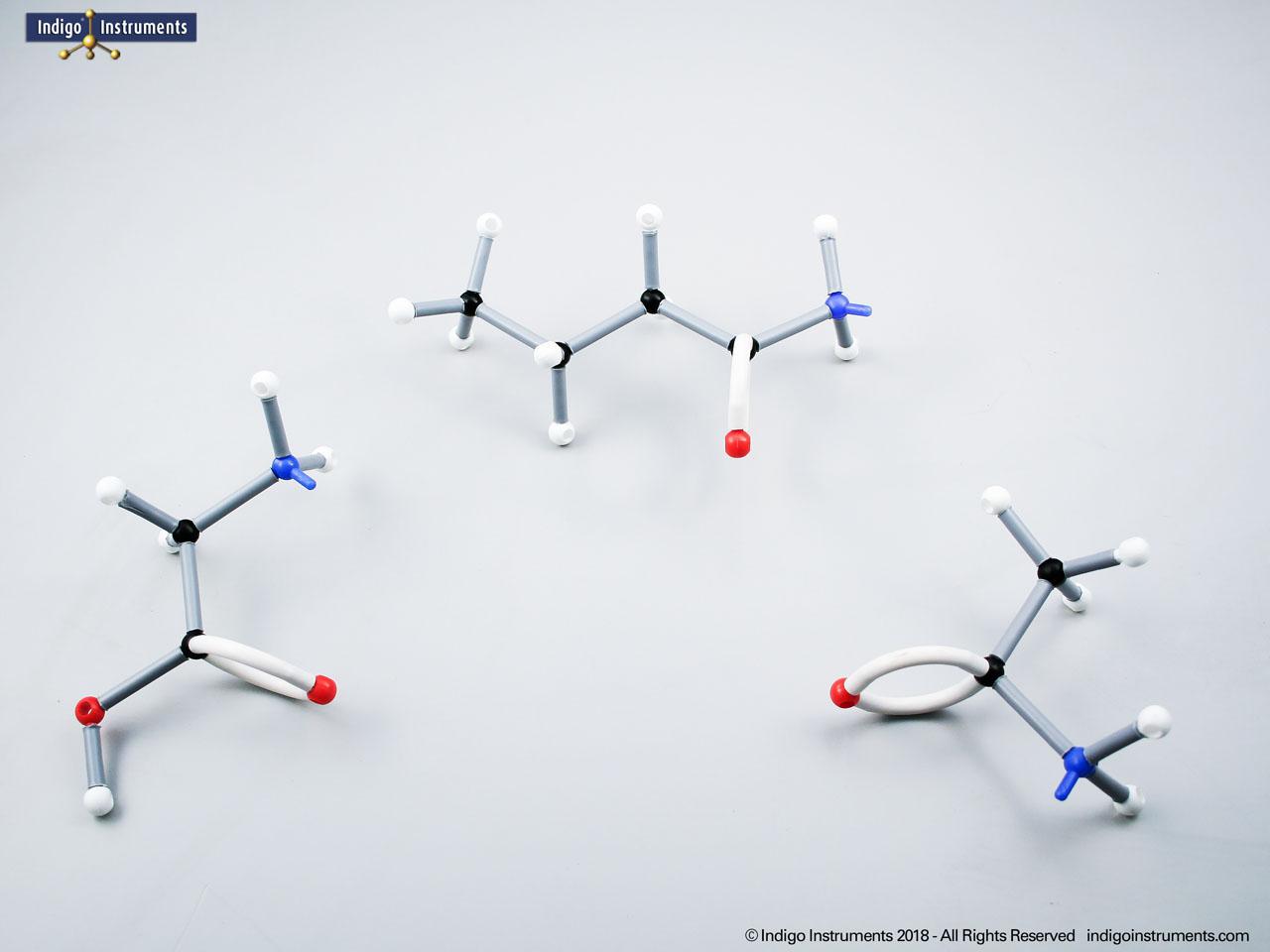
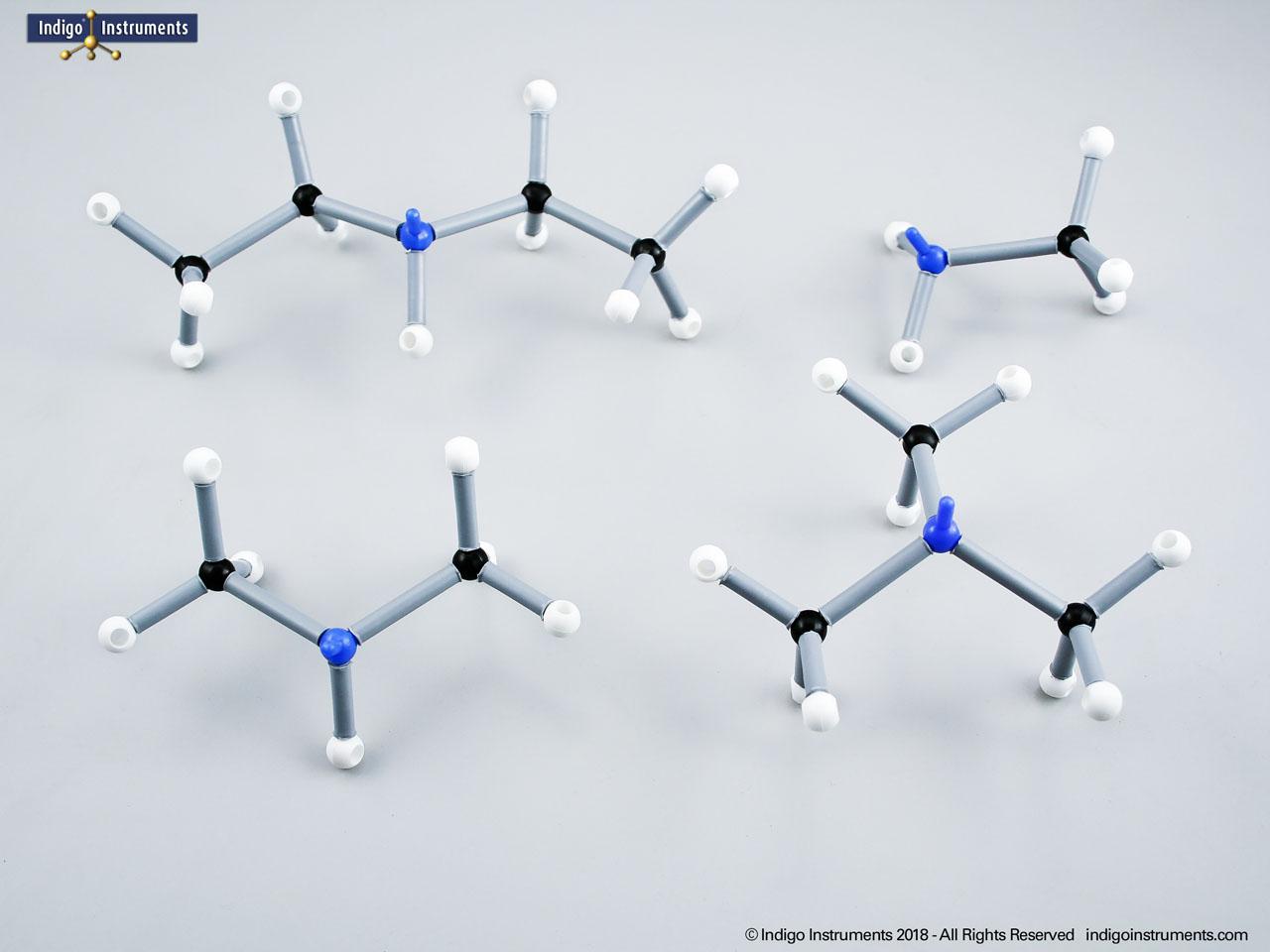
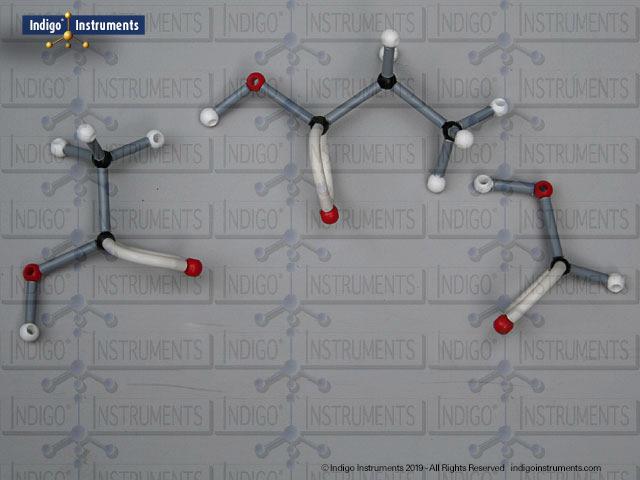
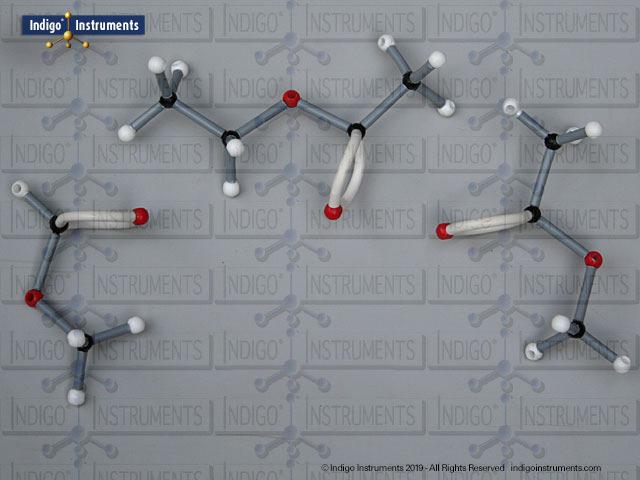
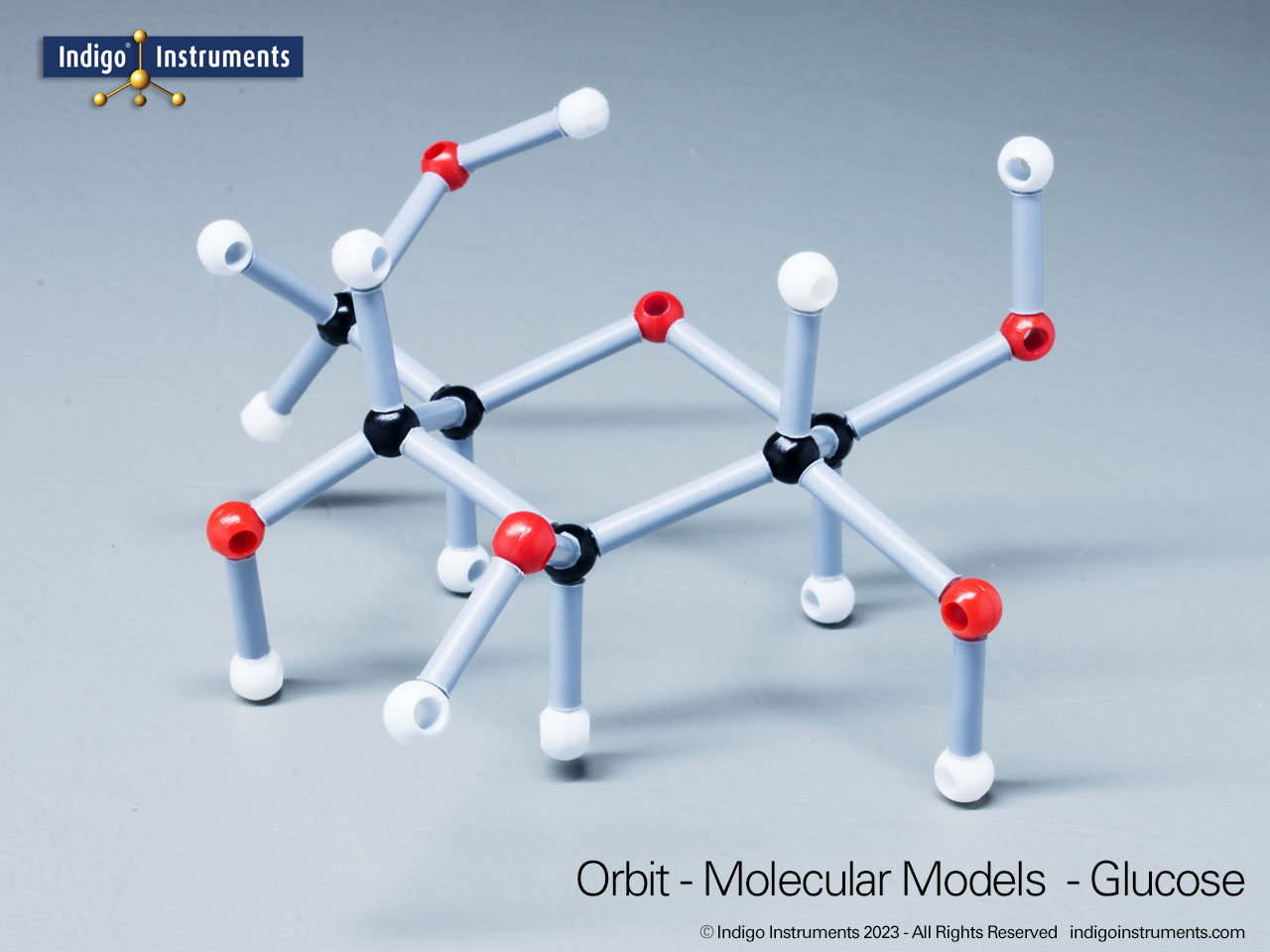
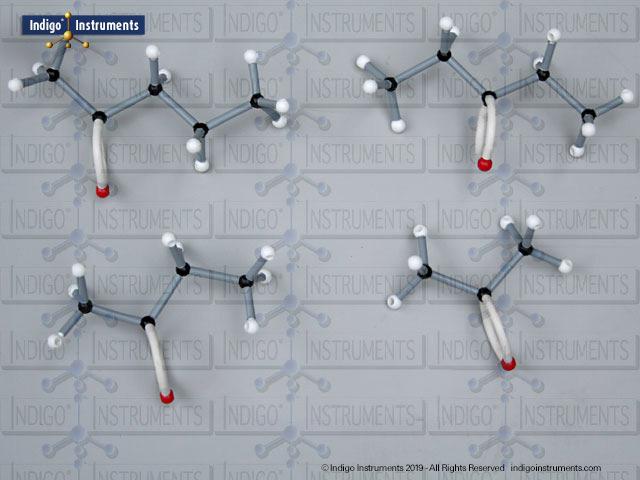
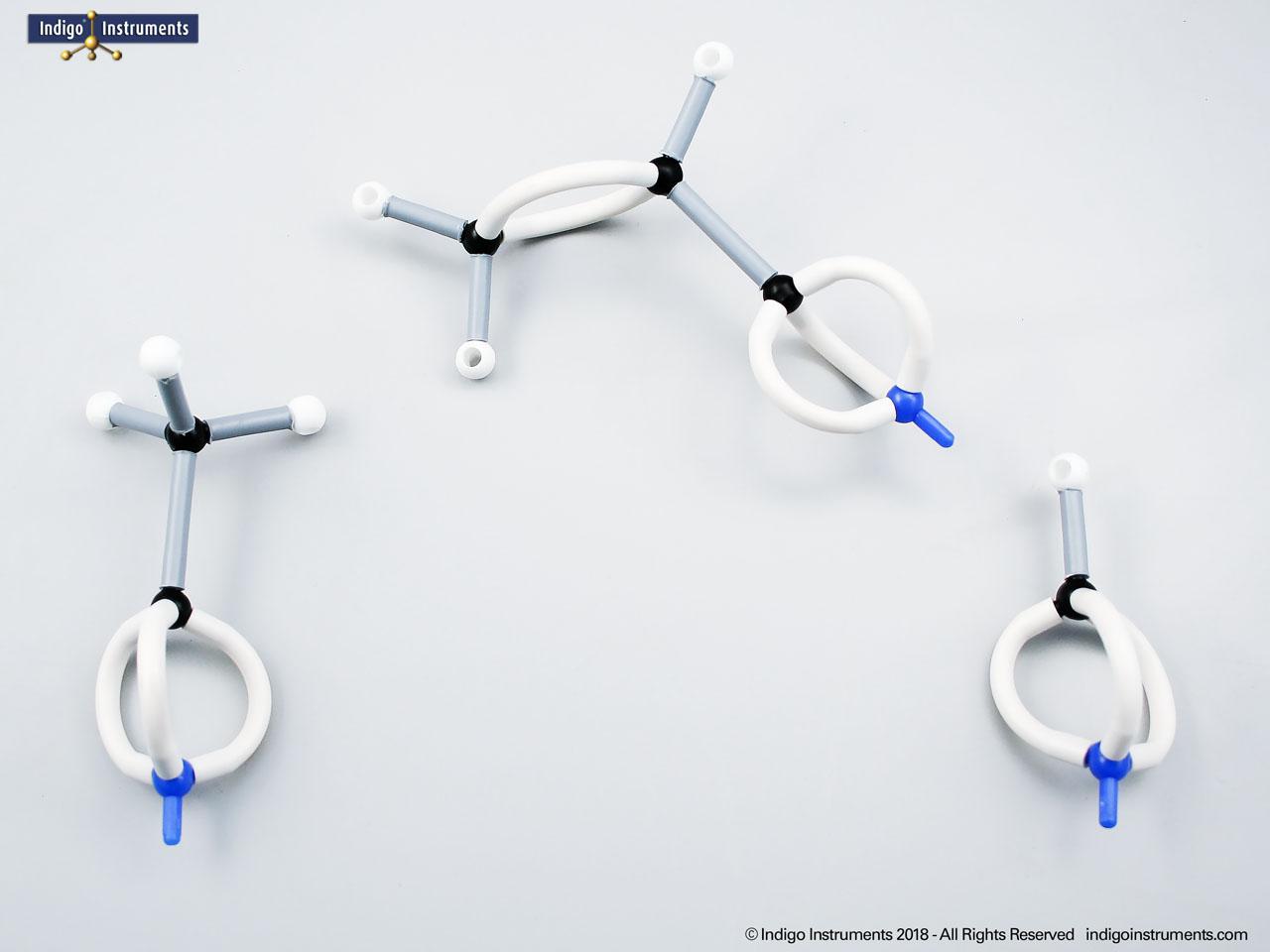
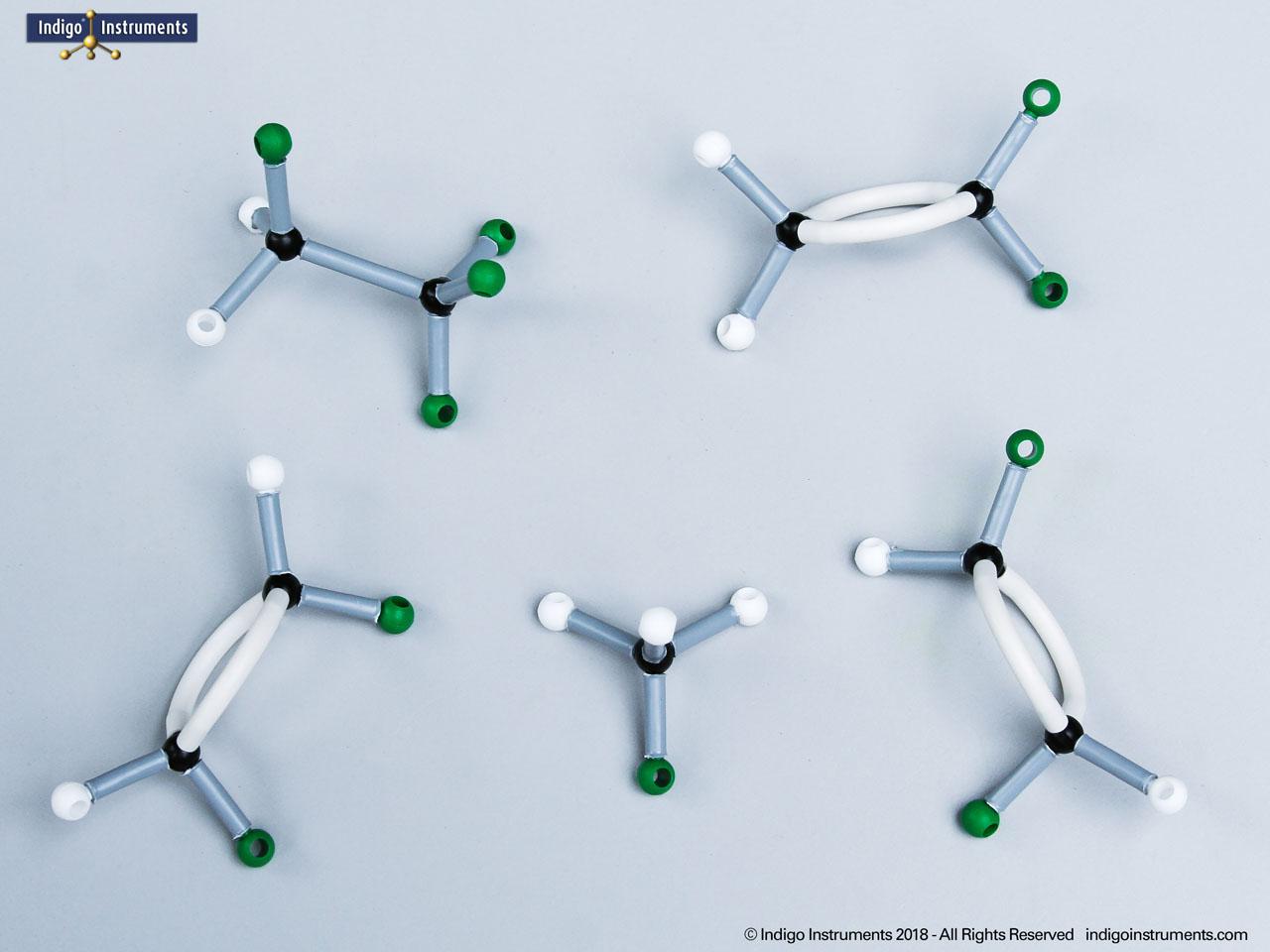
Explore the structure and bonding of ethers with molecular models. Ideal for teaching organic chemistry and biology students how ether linkages influence reactivity, solubility, & biological roles.
Ethers organic compounds with an oxygen atom bonded to two alkyl or aryl groups (R–O–R′). This oxygen bridge profoundly influences the compound’s polarity, hydrogen bonding capacity, and overall reactivity. In chemistry, ethers are studied for their relatively low reactivity compared to alcohols, their solubility patterns, and their role as solvents. In biology and medicine, ether linkages are found in naturally occurring compounds such as phospholipids and certain anesthetics. These molecular models allow students to visualize bond angles, electron density distribution, and steric effects, and make essential teaching tools for understanding this important functional group.
What Different Students Need to Know About the Ether Functional Group
| Compound | Chemistry Focus | Biology / Medicine / Nursing Focus |
|---|---|---|
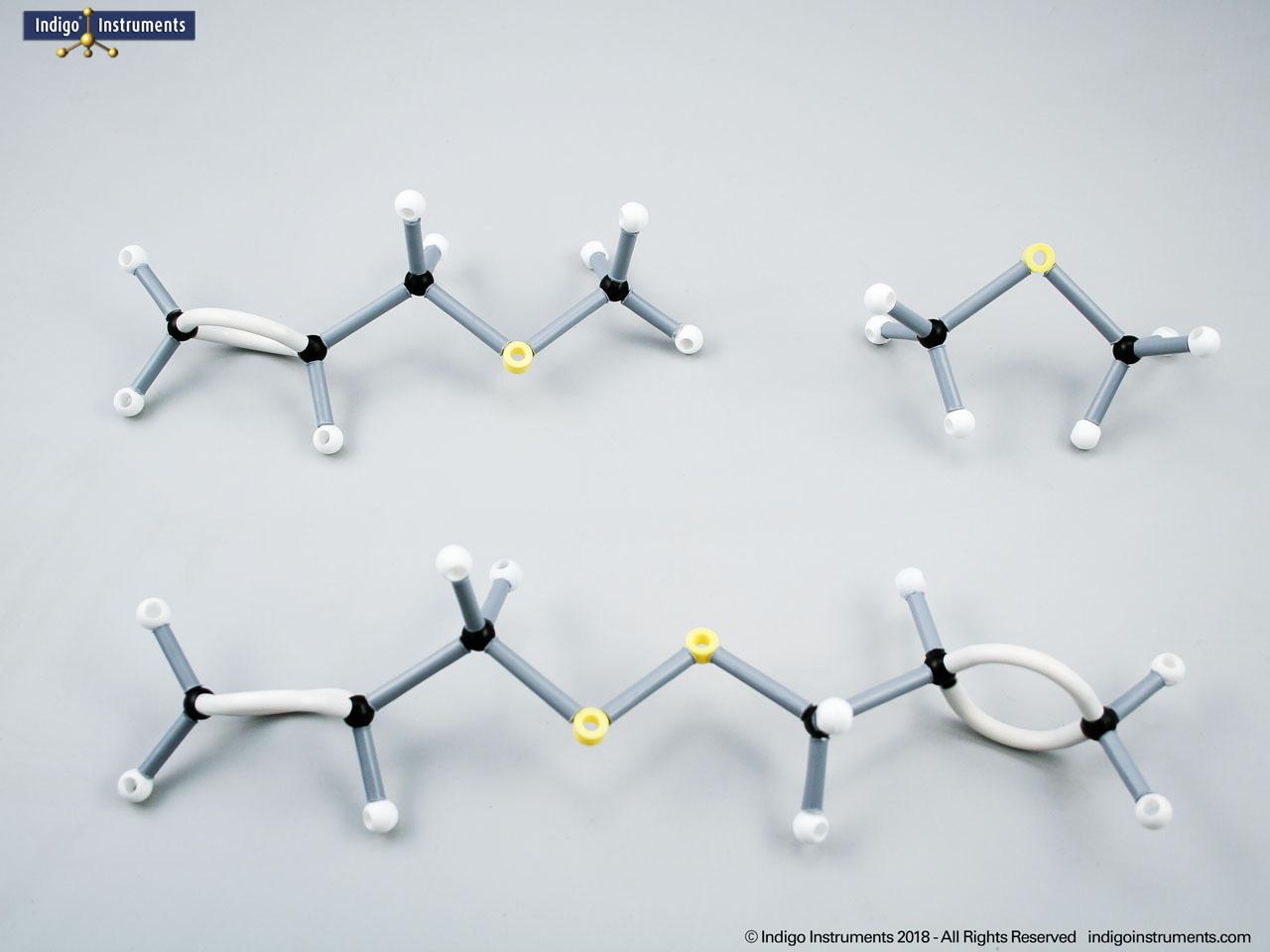
| Diethyl ether | Classic example of an ether; relatively nonpolar; volatile with low boiling point | Historically used as one of the first general anesthetics; replaced due to flammability and side effects |
| Dimethyl ether | Simple ether; demonstrates low boiling point and polar C–O bonds | Used as a propellant in inhalers; being explored as a cleaner fuel alternative |
| Tetrahydrofuran (THF) | Cyclic ether; important polar aprotic solvent in organic chemistry | Solvent for drug formulations and polymer production; must be handled carefully due to potential toxicity |
| Epoxides (e.g., ethylene oxide) | Highly strained cyclic ethers; reactive intermediates in synthesis | Ethylene oxide used as a sterilizing agent for medical equipment; toxic and carcinogenic risks |
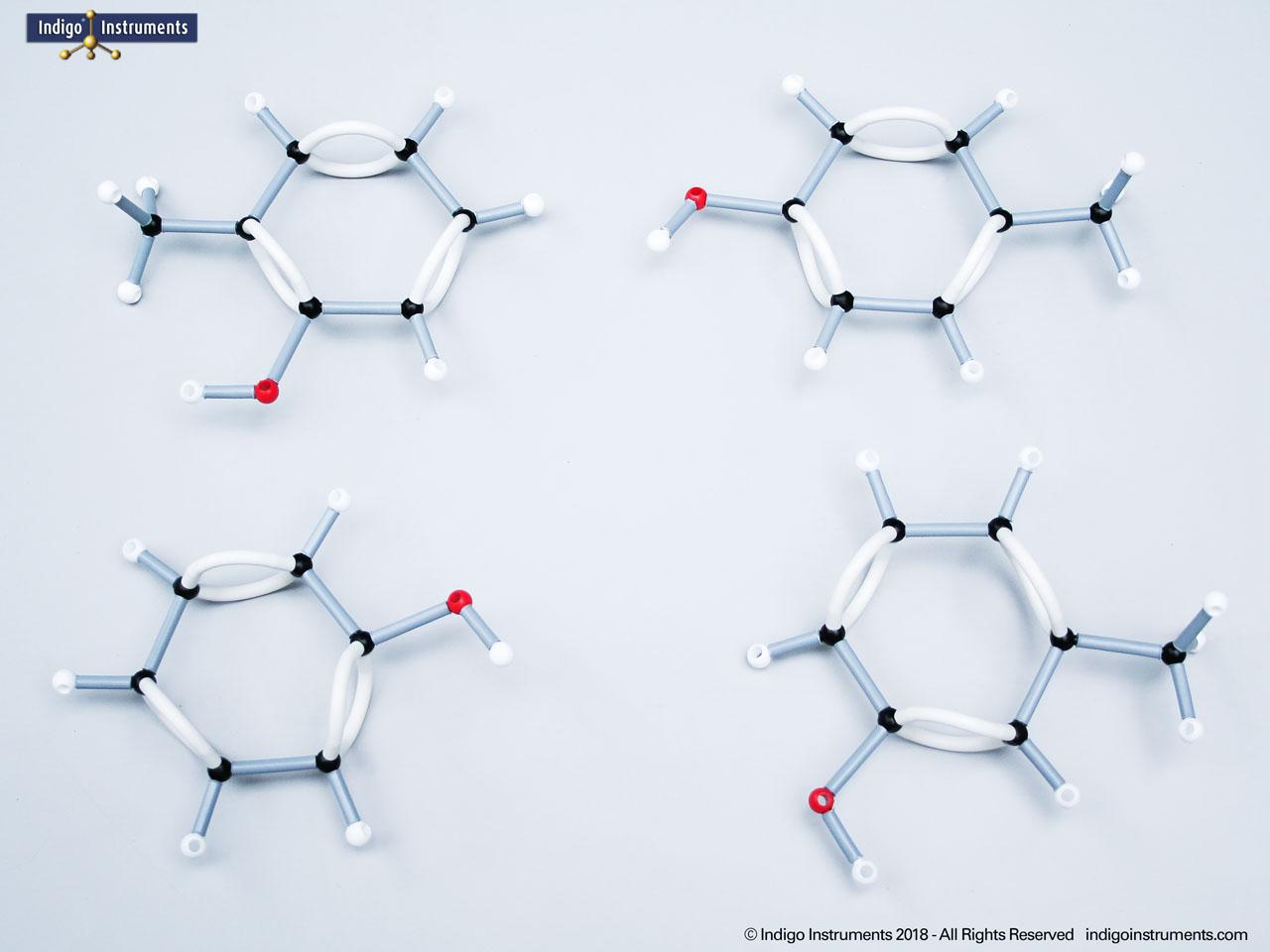
| Anisole (methoxybenzene) | Aromatic ether; resonance and electron-donating effects studied in organic chemistry | Present in natural products and pharmaceuticals; contributes to aroma and bioactivity |
Important Learning Outcomes
Chemistry Majors Should be Able to:
- Identify and name ethers according to IUPAC and common naming conventions.
- Predict ether physical properties (boiling point, solubility) based on structure.
- Understand synthesis routes including Williamson ether synthesis and acid-catalyzed dehydration of alcohols.
- Analyze ether cleavage mechanisms under acidic conditions.
- Relate electronic structure to ether reactivity in substitution and oxidation reactions.
Biology, Nursing & Premed Majors Should be Able to:
- Recognize ether linkages in biologically relevant molecules (e.g., glycerol ethers in membrane lipids).
- Relate ether polarity to membrane solubility and transport across lipid bilayers
- Understand the stability of ether bonds in biological systems vs. ester bonds.
- Link structure to the function of ether-containing anesthetics (e.g., diethyl ether).
- Appreciate ether chemistry in the design of drug delivery systems and lipid-based formulations.
Features & Benefits of the 68845NV Organic Molecular Model Set for Teaching Ether Structures
| Features | Benefits |
|---|---|
| Accurate depiction of R–O–R′ bonds | Helps students visualize ether connectivity and oxygen lone pairs for reaction understanding |
| Color-coded atoms with correct bond angles | Enhances recognition of polarity and spatial geometry of ether molecules |
| Durable Orbit components | Supports repeated classroom and lab use without degradation |
| Supports cyclic ethers (e.g., tetrahydrofuran, epoxides) | Allows exploration of ring strain, reactivity, and cyclic ether chemistry |
| Compatible with other Orbit functional group models | Enables construction of complex molecules including multifunctional systems |
| Easy to assemble and reconfigure | Encourages hands-on learning and rapid demonstration of chemical reactions and mechanisms |
Indigo Instruments has stocked genuine Cochranes of Oxford molecular model parts for 30+ years. Customize or replenish any model set/kit we have ever sold!