Acetylene Molecular Model + Orbitals

SKU: 68823W
$19.95USD or lower Each

Save More When You Buy More!
Quantity1+2+ 3+ 10+ 
Price for each$19.95USD$19.70USD$19.45USD$18.95USD
Your savings - 1.25%2.51%5.01%
Qty:

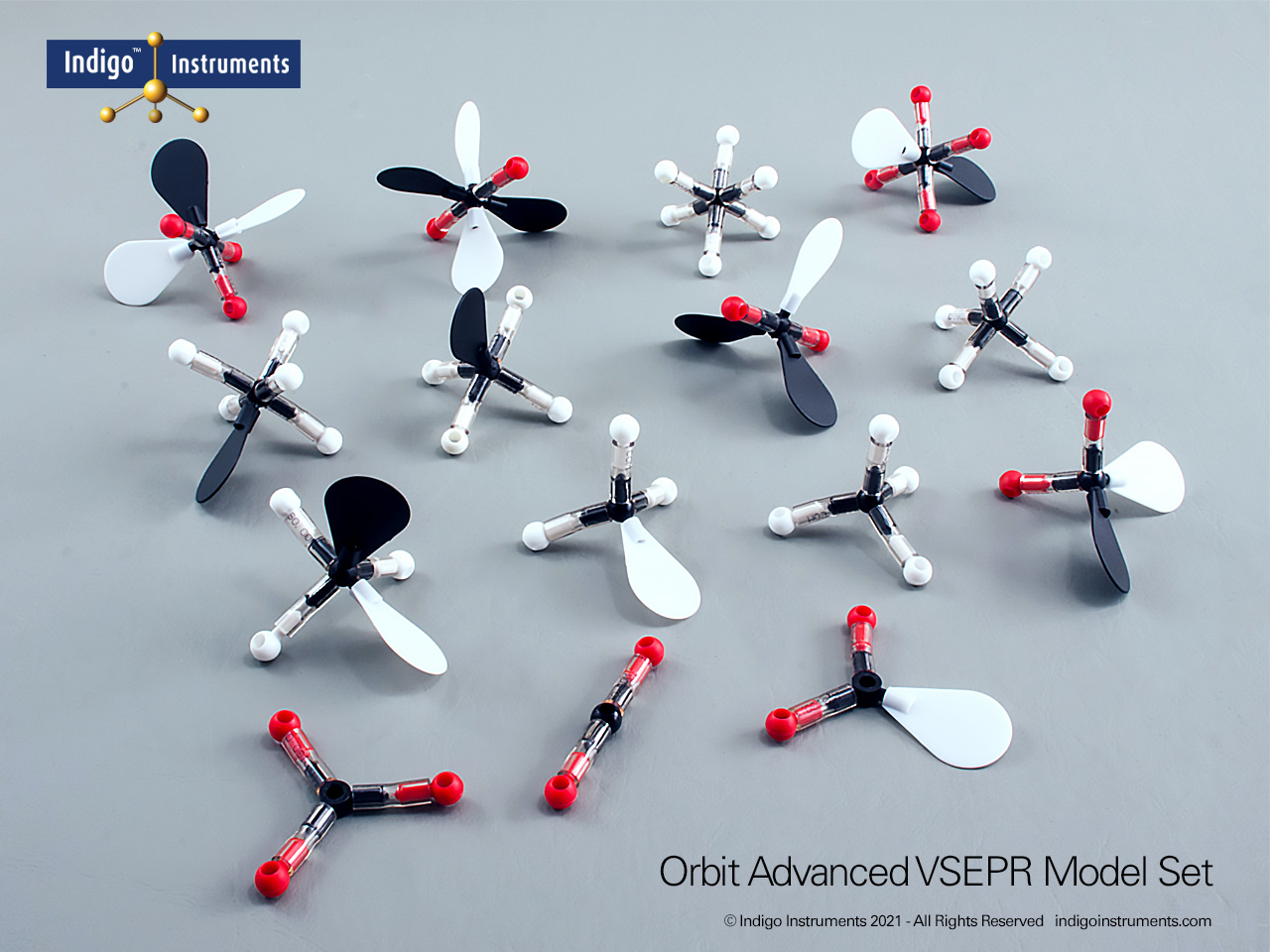
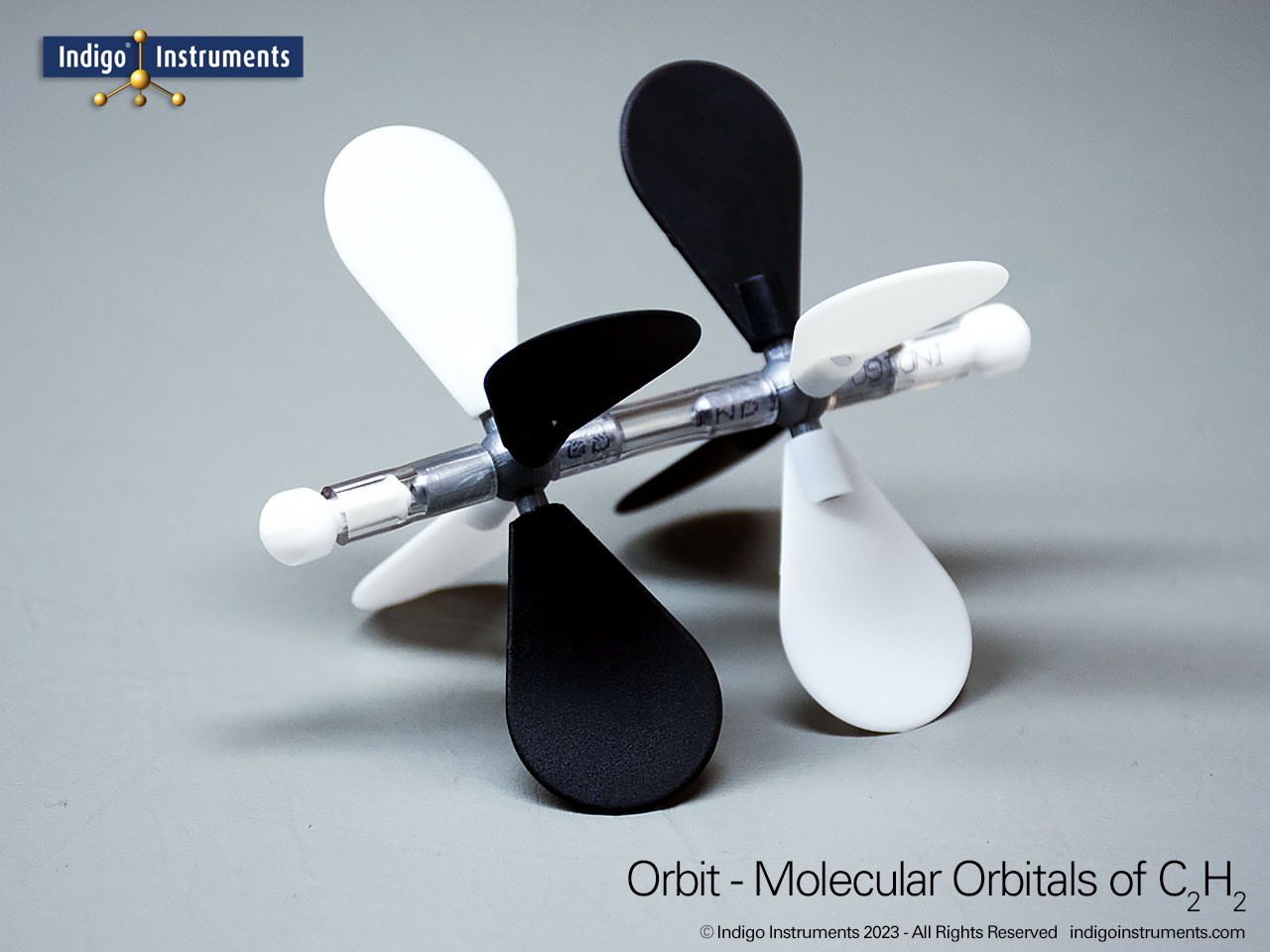
Visualize acetylene (C2H2) with Indigo octahedral atoms and orbitals. Compare molecules of saturated hydrocarbon and unsaturated aliphatic hydrocarbon chains with the Indigo® VSEPR model kit.

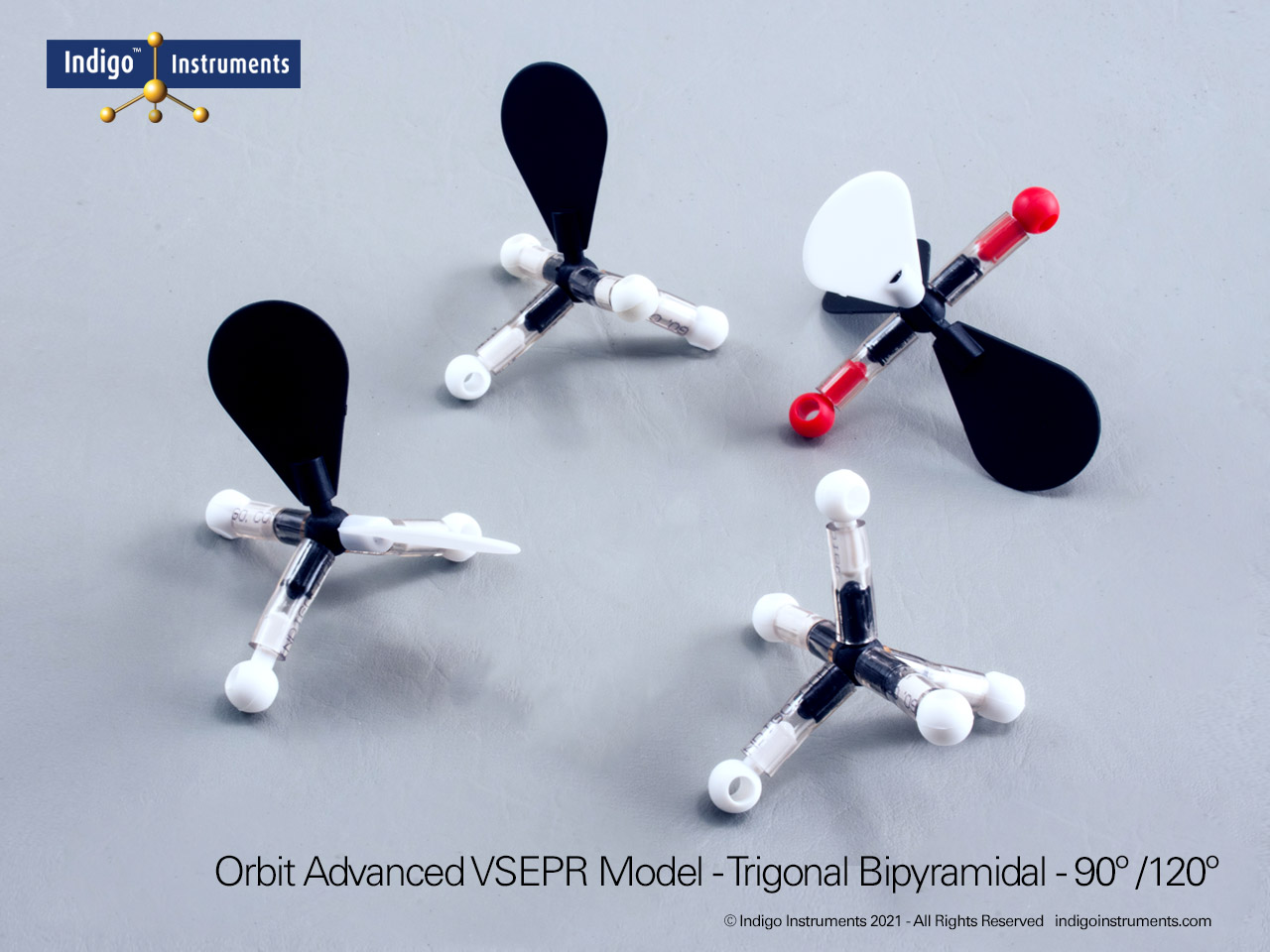
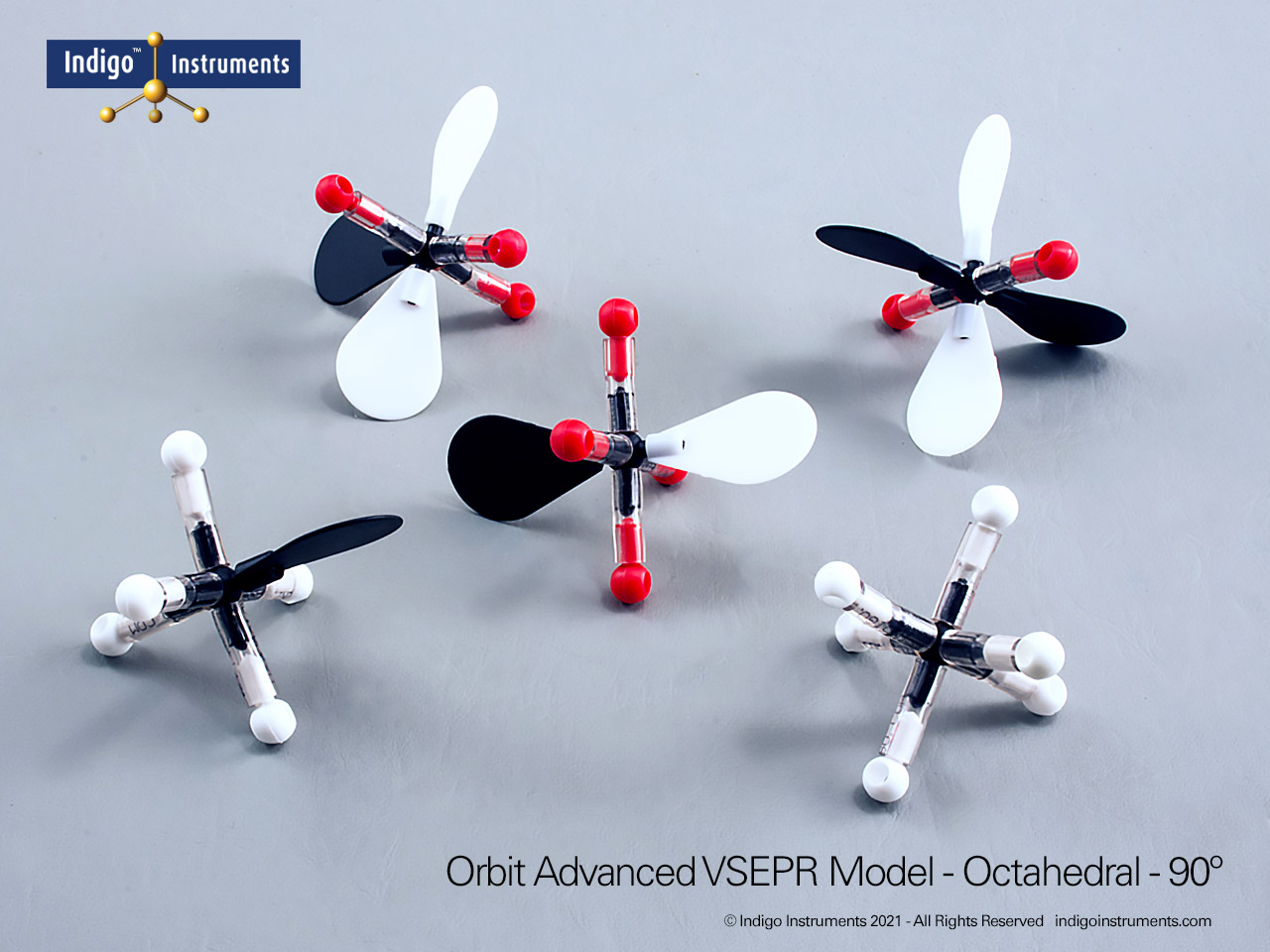
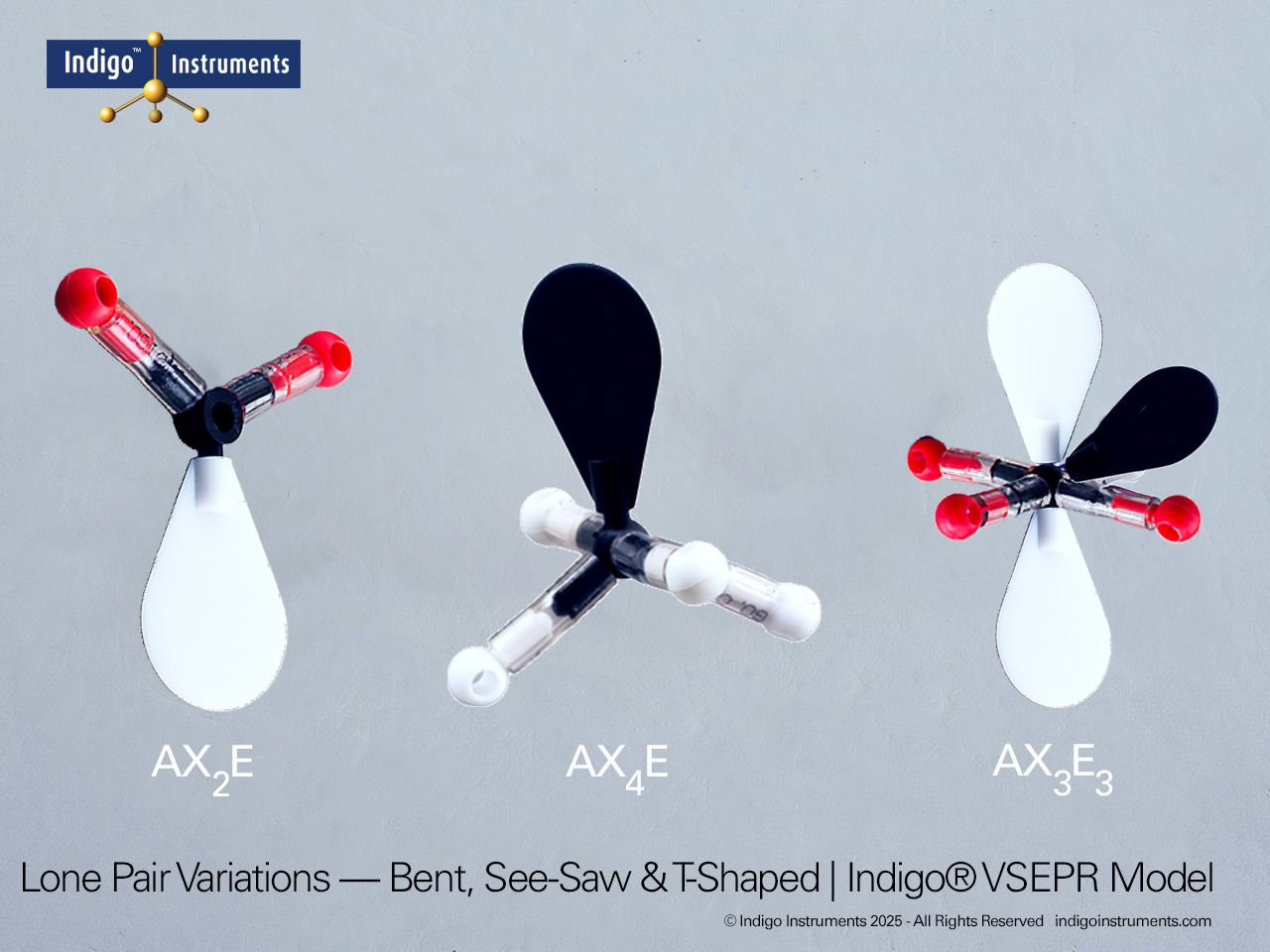
Build a molecular model of acetylene (C2H2) using the 4 black octahedral atoms and four white orbitals in the Indigo® VSEPR model kit. This setup allows students to see the linear geometry of the molecule, the triple bond between the carbon atoms, and the sp hybridization of each carbon. Using color-coded orbitals, learners can visualize sigma and pi bond formation and understand electron pair distribution in an unsaturated hydrocarbon.

The acetylene model demonstrates key concepts in organic chemistry, including linear molecular geometry, sp hybridization, and the difference between single, double, and triple bonds. By manipulating the orbitals and seeing the alignment of the carbon and hydrogen atoms, students gain intuition for bond angles (180o), orbital overlap, and electron density. This hands-on approach makes abstract concepts such as unsaturation, molecular orbitals, and electron delocalization tangible, reinforcing both spatial reasoning and chemical bonding principles.

Details

Learning Outcomes Table

Learning Outcome Description
Visualize Triple Bonds See the linear alignment of two sp-hybridized carbon atoms forming one sigma and two pi bonds in C2H2.
Understand Hybridization Recognize sp hybridization in carbon and the orientation of orbitals in a linear molecule.
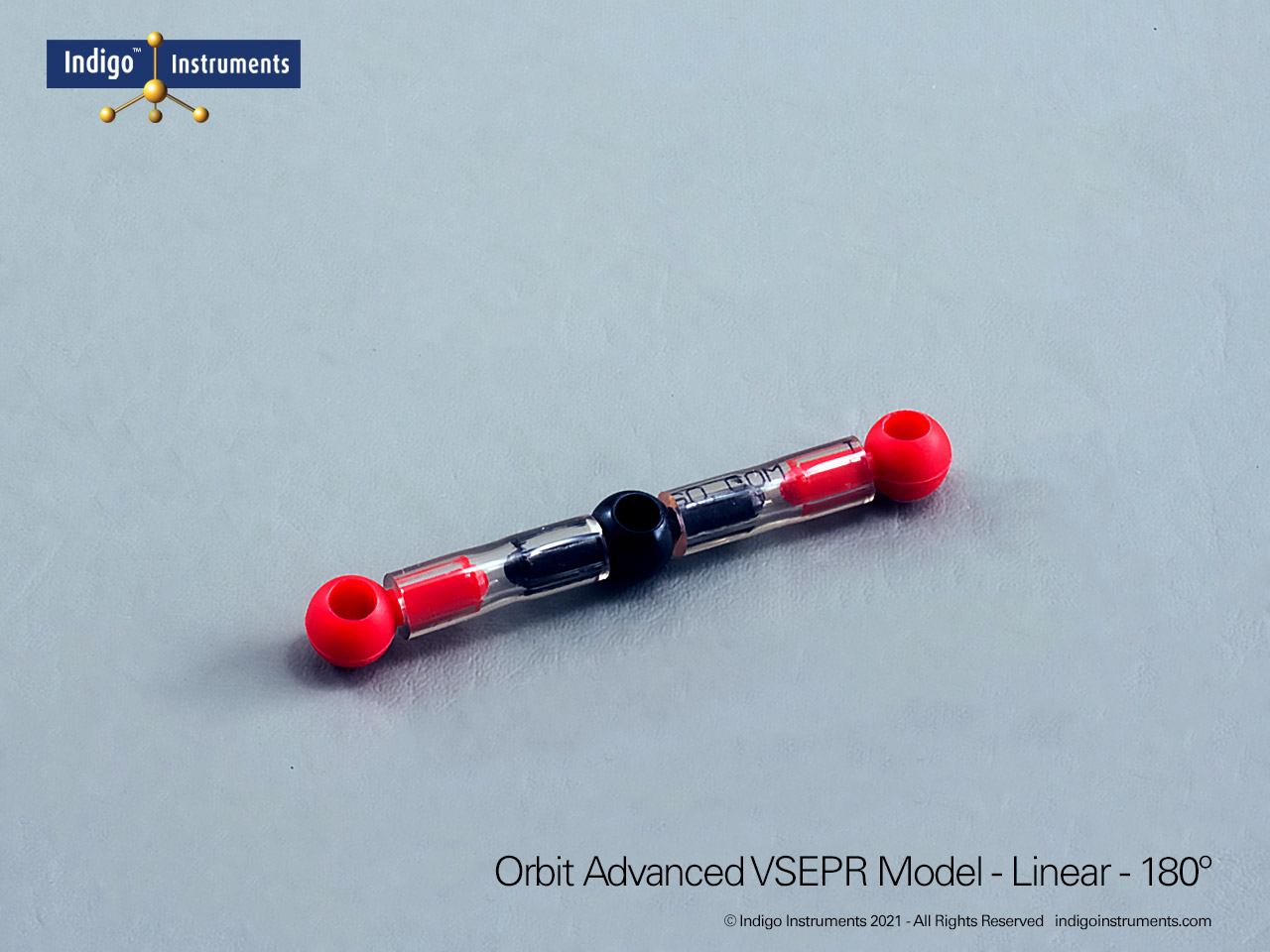
Identify Linear Geometry Observe the 180o bond angles between the C–C triple bond and the terminal hydrogen atoms.
Compare Saturated vs Unsaturated Understand how a triple bond creates unsaturation compared with single bonds in alkanes.
Explore Electron Density Use orbital visualization to see sigma and pi bonding and electron distribution along the C≡C bond.

Indigo Instruments has held inventory of genuine Cochranes of Oxford (Orbit) parts for 30+ years (See Skeletal (Orbit/Minit)). You can customize or replenish any model we have ever sold.

Related information or images
Parts
Specifications

The parts listed on this page are for the entire kit, not the molecules(s) shown. You can augment this geometry with additional pieces listed on the Orbit Components page.

Reviews ()
Review This Product Now!


Frequently Asked Questions

FAQ for Acetylene Molecular Model + Orbitals

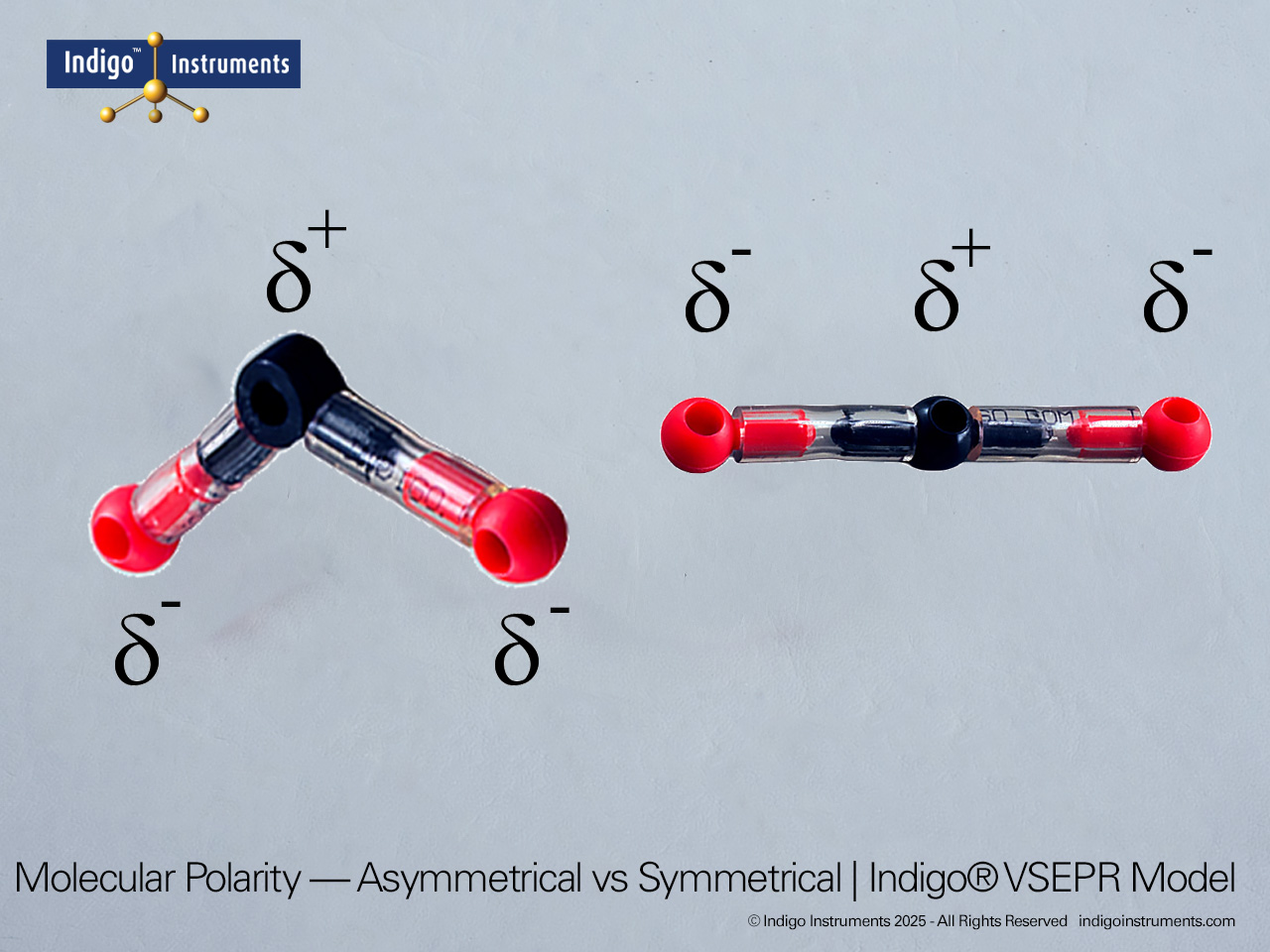
Acetylene (C2H2) has a linear geometry with 180o bond angles due to sp hybridization of the carbon atoms.

Each carbon forms one sigma bond with the other carbon and two pi bonds, and one sigma bond with hydrogen, forming a triple bond overall.

Each carbon atom uses one s orbital and one p orbital to form two sp-hybrid orbitals, aligned linearly, while the remaining two p orbitals form perpendicular pi bonds.

Because of its triple bond, acetylene contains fewer hydrogen atoms than the corresponding alkane (ethane), making it unsaturated and chemically reactive.