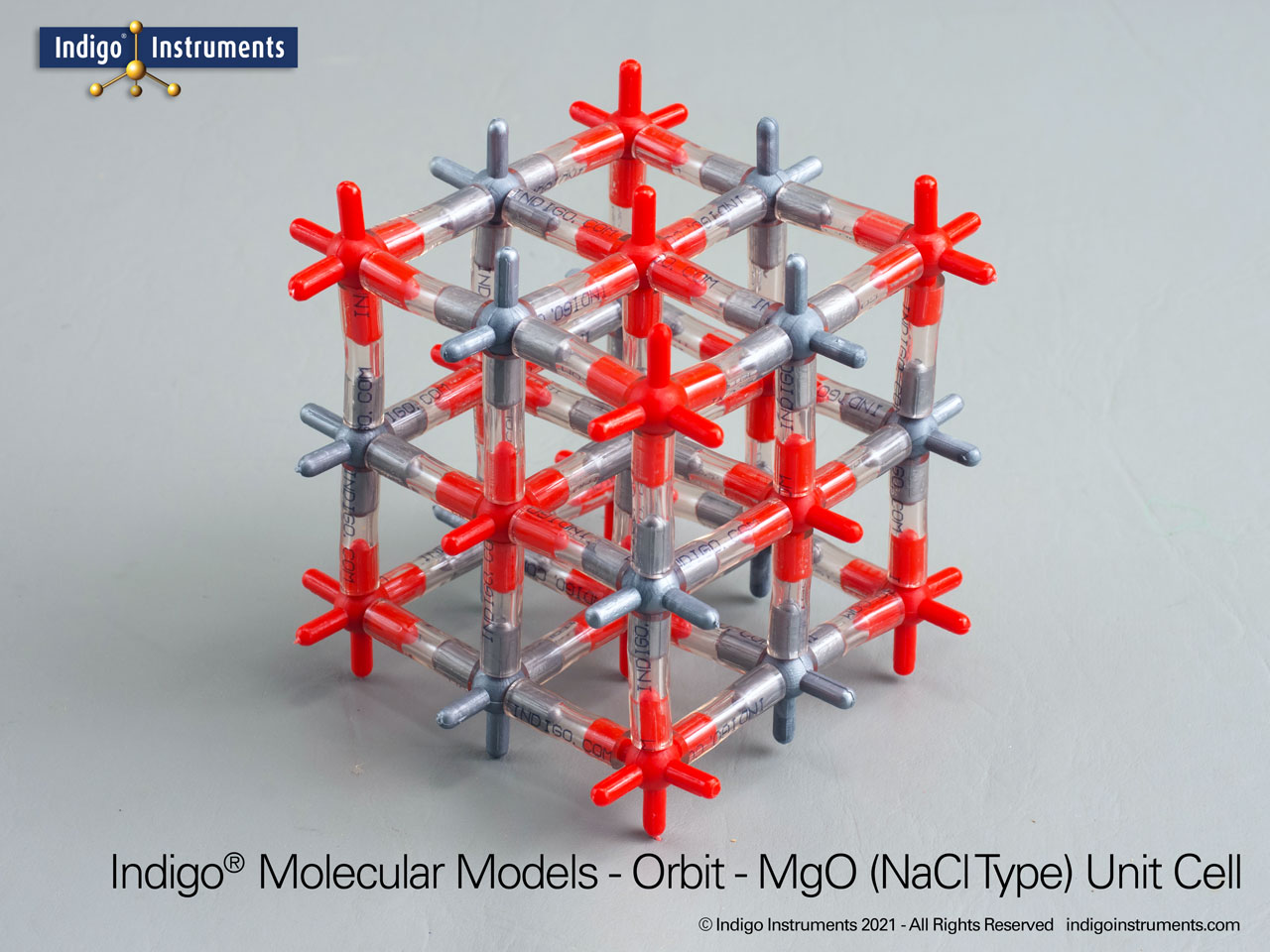
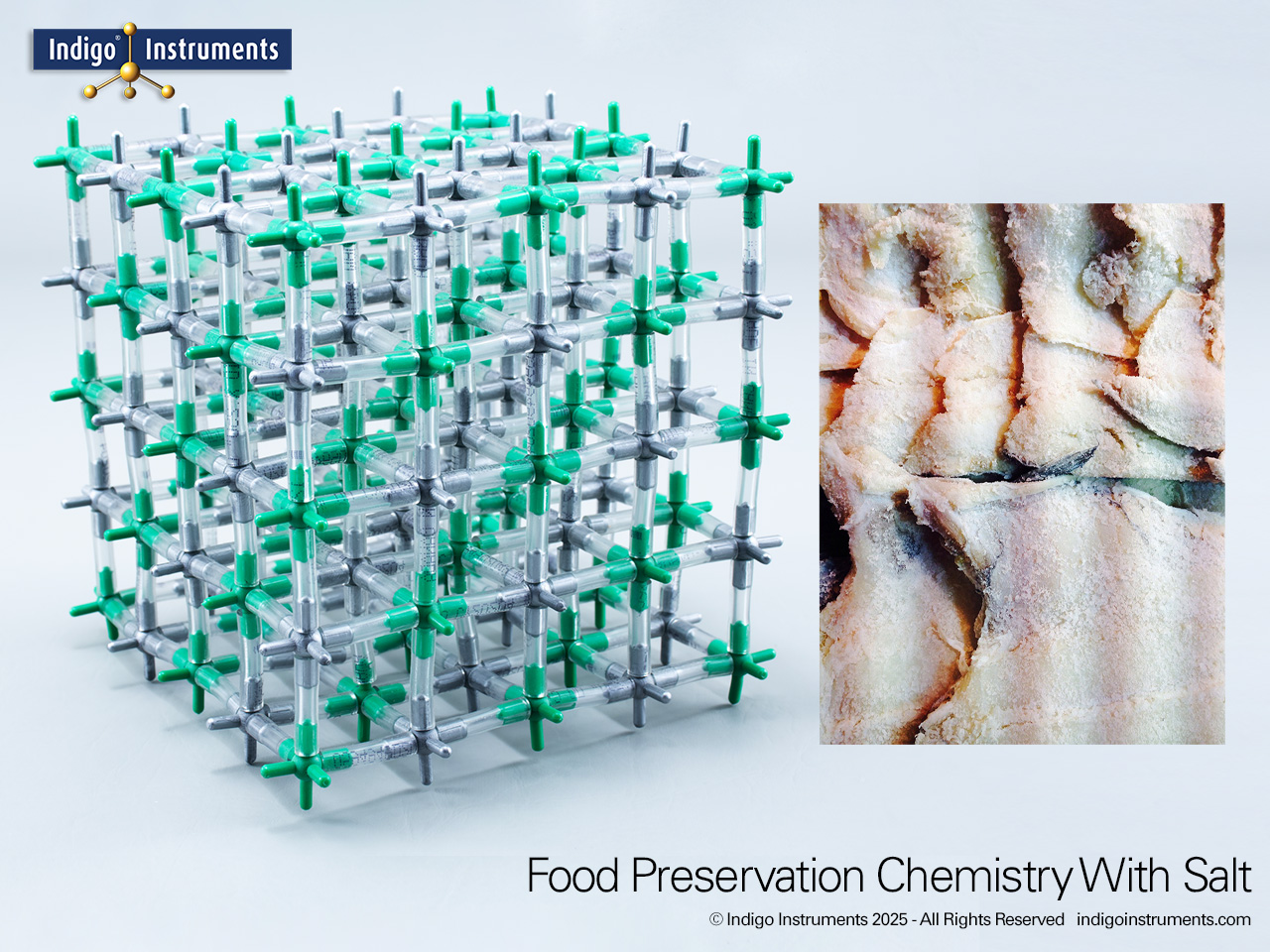
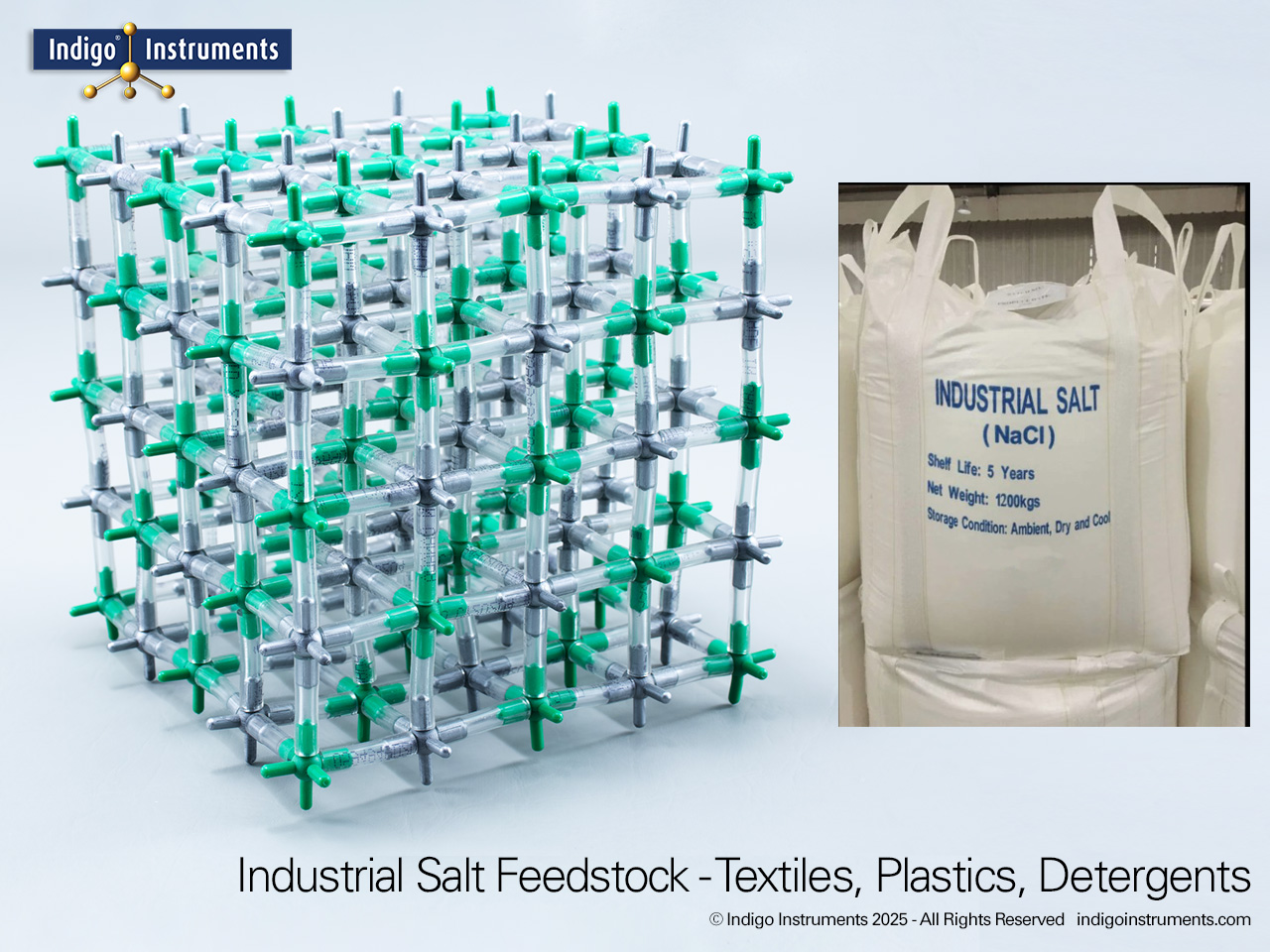
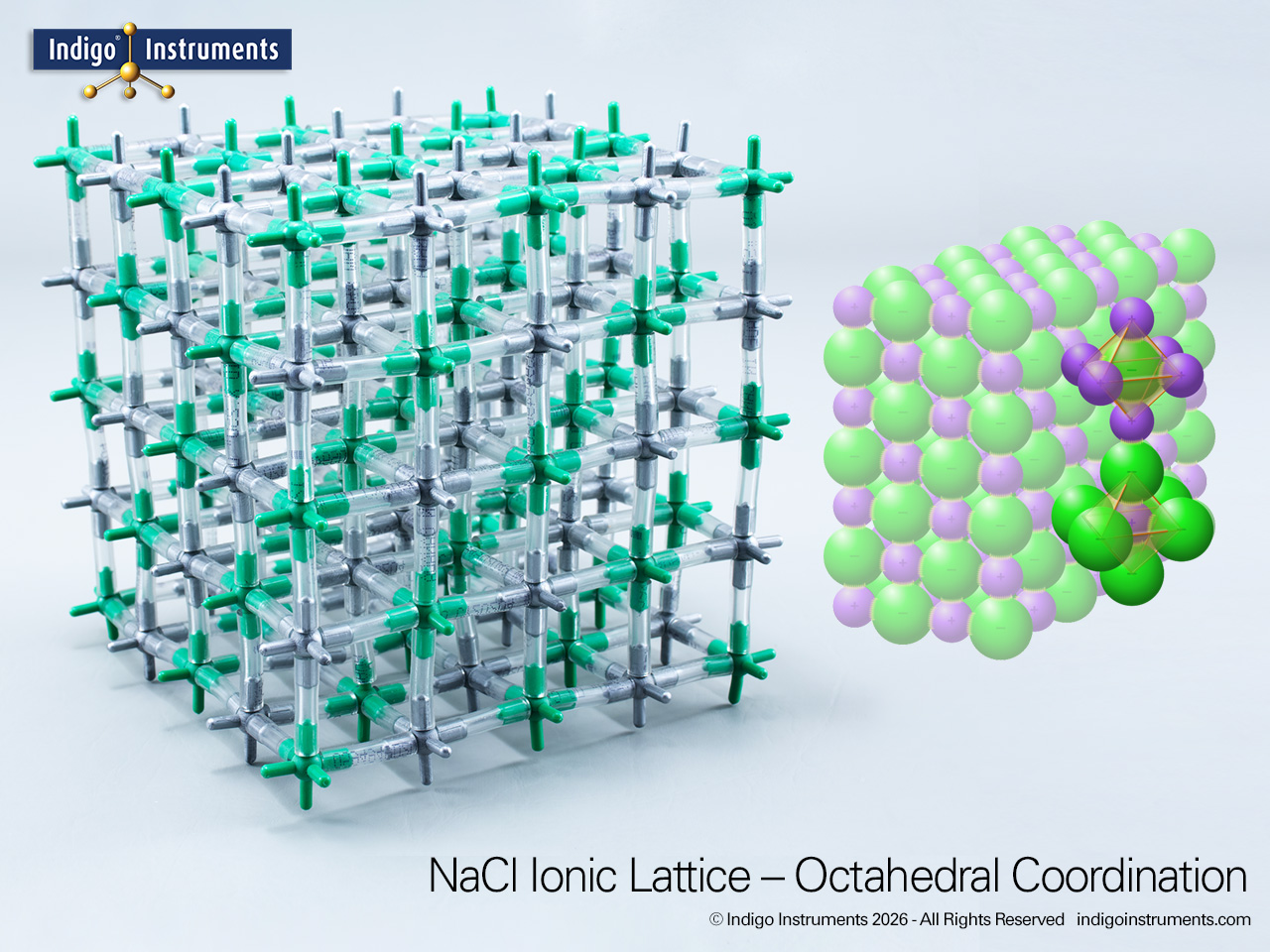
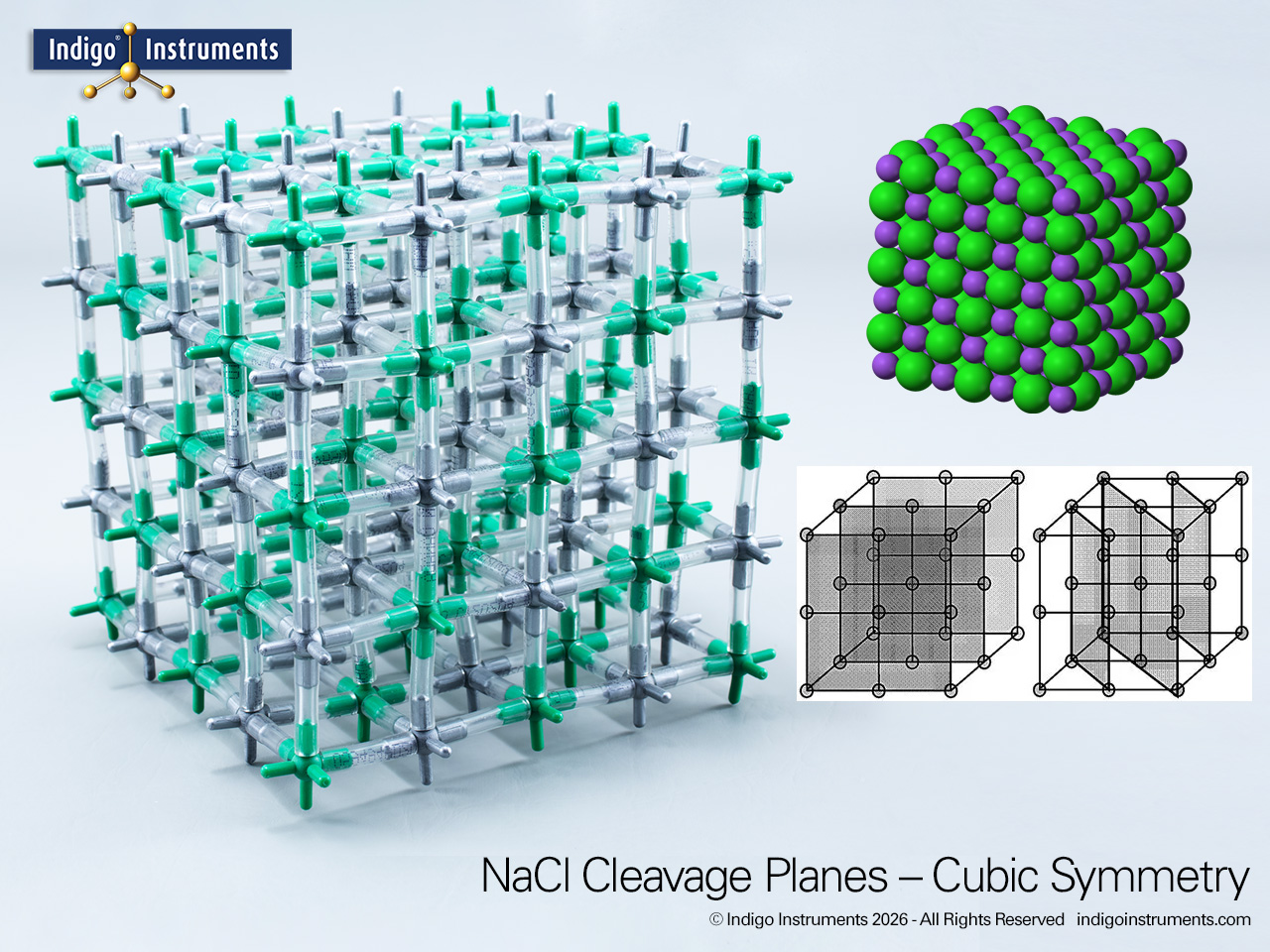
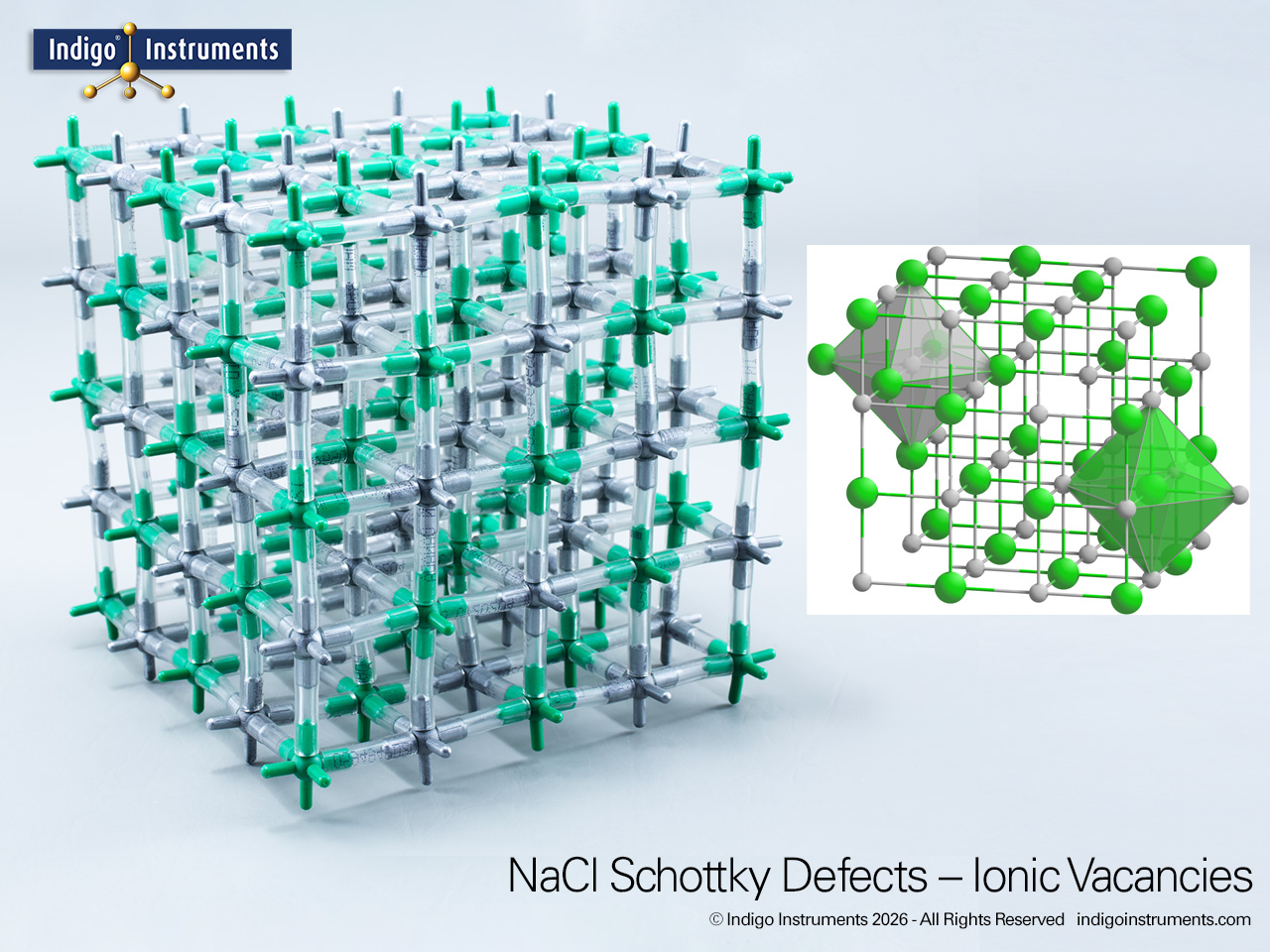
NaCl Crystal Lattice Schottky Defects Model

SKU: 68791W
$54.95USD Each

Qty:

Learn how point defects in NaCl crystals affect lattice structure, ionic mobility, and conductivity. Explore Schottky and Frenkel vacancies with this hands-on Indigo® NaCl model.

Understanding NaCl point defects is fundamental for solid-state chemistry, materials science, and ionic conduction. Schottky and Frenkel defects explain why ionic solids conduct electricity when molten or in aqueous solution, and why lattice density and mechanical properties vary. Modelling defects helps students visualize vacancy formation, charge balance, and defect migration, and provides a bridge to more advanced topics like semiconductor doping, non-stoichiometric compounds, and defect-driven properties in ceramics.

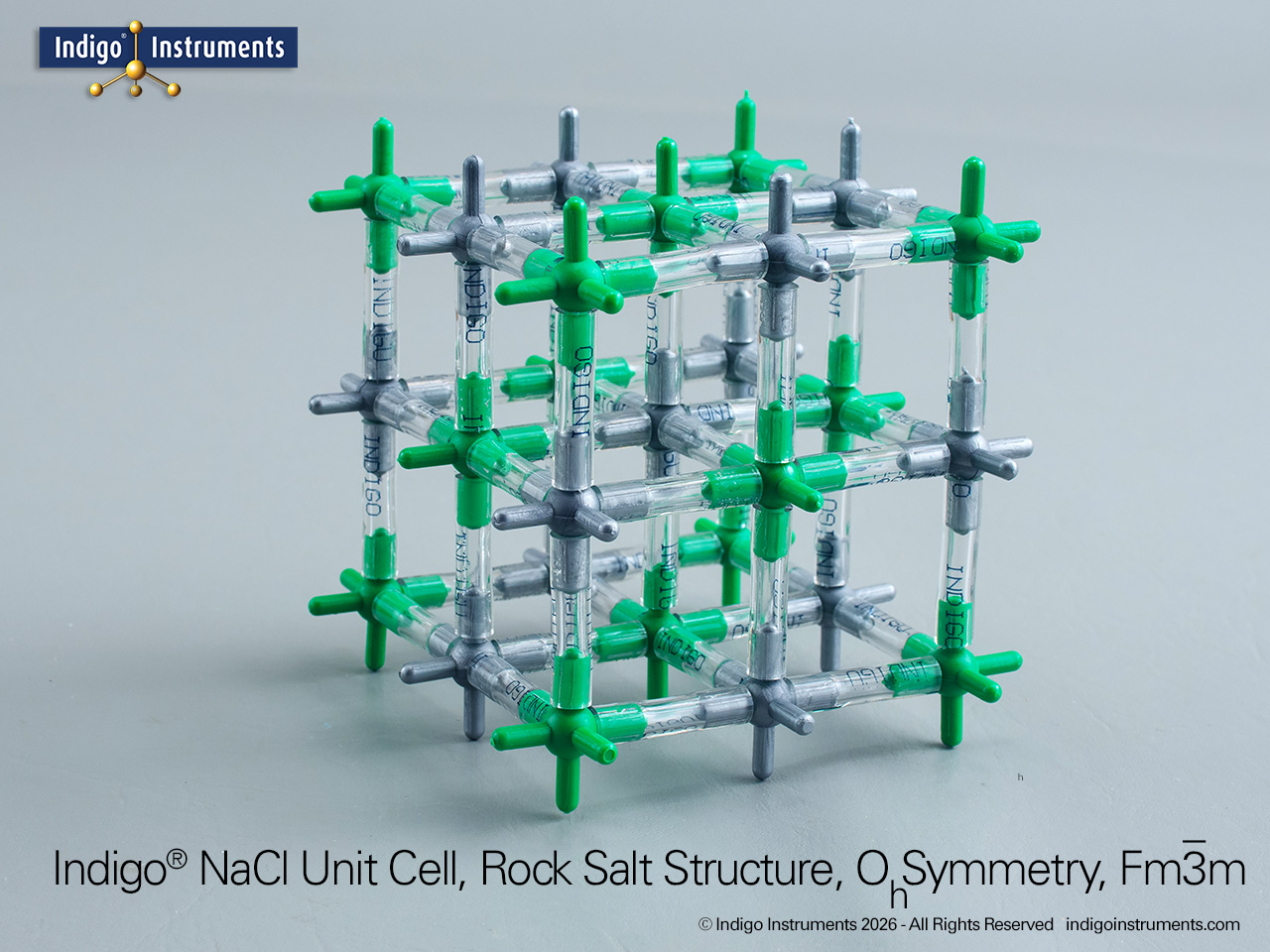
Explore the invisible imperfections of NaCl crystals with an Indigo® molecular model; manipulate the lattice model to simulate Schottky and Frenkel defects and see how atomic-scale vacancies affect real materials.

Indigo Instruments has held inventory of genuine Cochranes of Oxford (Orbit) parts for 30+ years (See Skeletal (Orbit/Minit)) that are compatible with every molecular model we have sold since day 1. This level of quality may appear expensive but no parts support from other vendors costs even more.

Details

EVTF: Educational Value Table Framework

Concept Description Activity Learning Link
Schottky Defects Equal numbers of cations and anions are missing from the lattice, maintaining charge neutrality but creating vacancies that reduce density. Remove pairs of Na+ and Cl- ions from the model; observe how vacancies are distributed throughout the lattice. Connects to ionic conductivity, lattice density, and real-world crystal imperfection effects.
Frenkel Defects A cation moves from its lattice site to an interstitial site, forming a vacancy–interstitial pair that preserves overall stoichiometry. Displace a Na+ ion in the model to an interstitial position; discuss how this modifies local geometry and ionic mobility. Illustrates defect migration and the difference between vacancy and interstitial defects.
Defect Formation Energy Defects require energy to form, which influences defect concentration, ionic diffusion, and crystal stability at different temperatures. Compare model with and without defects; discuss lattice energy differences and the effect on melting point or conductivity. Links microscopic defect concepts to thermodynamics and solid-state properties.
Ionic Mobility & Conductivity Point defects enable ions to move within the lattice, increasing electrical conductivity in molten or aqueous NaCl. Simulate ion movement by shifting defective ions in the model; relate to experimental conductivity data. Reinforces how defects directly impact observable properties in solids.
Non-ideal Crystal Behavior Even small concentrations of defects lead to deviations from perfect lattice behavior, influencing mechanical, thermal, and optical properties. Compare pristine vs defective models; discuss implications for materials science and engineering applications. Bridges theoretical crystal models to real-world material behavior.
Related information or images
Parts
Reviews ()
Review This Product Now!