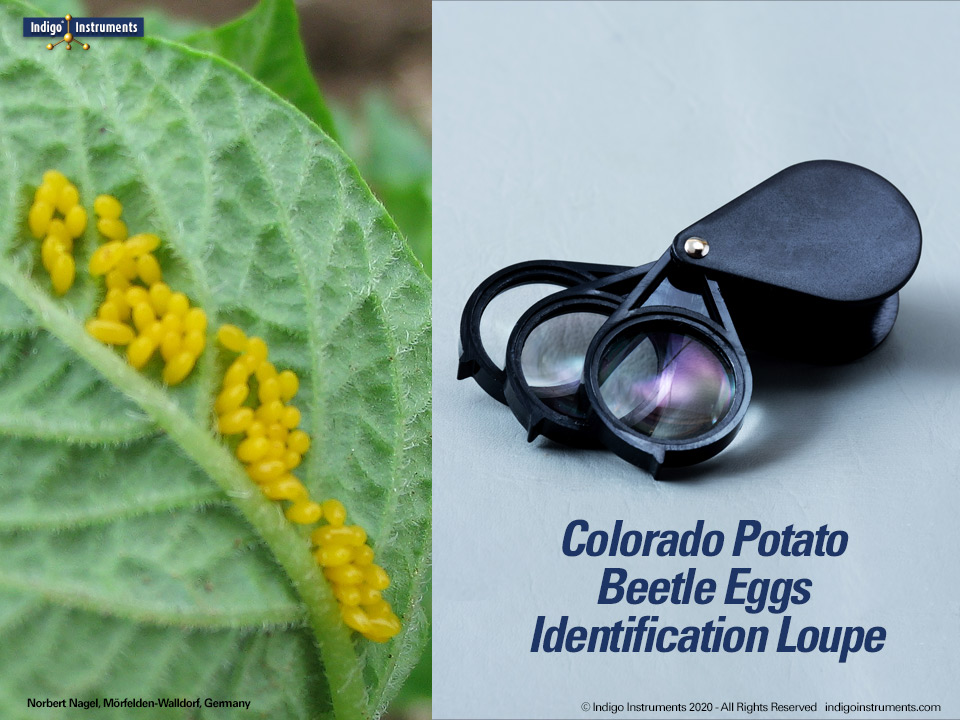
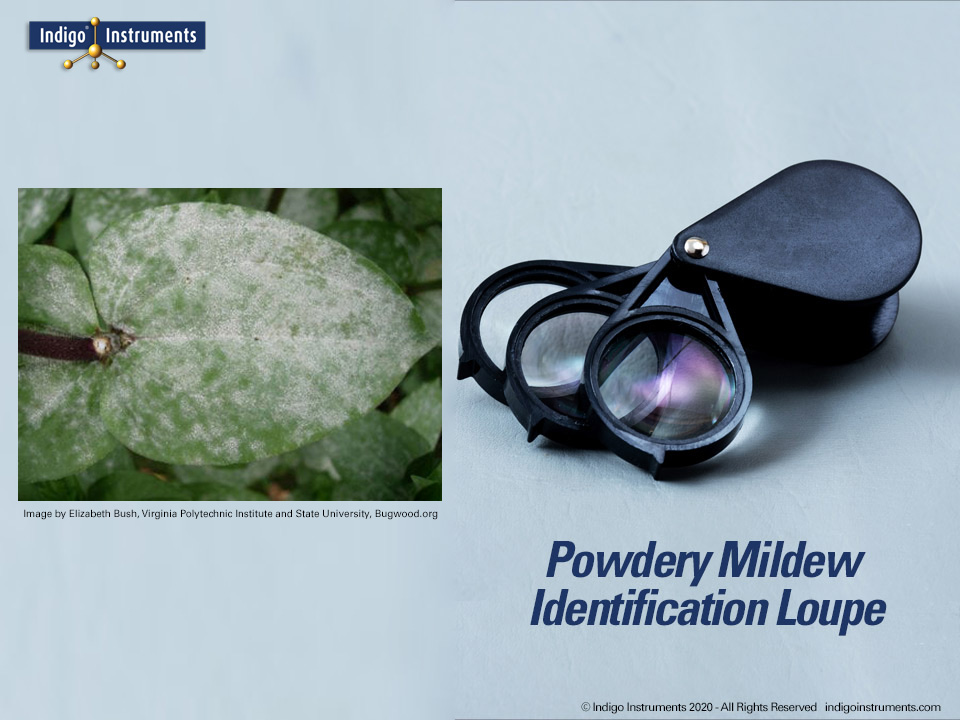
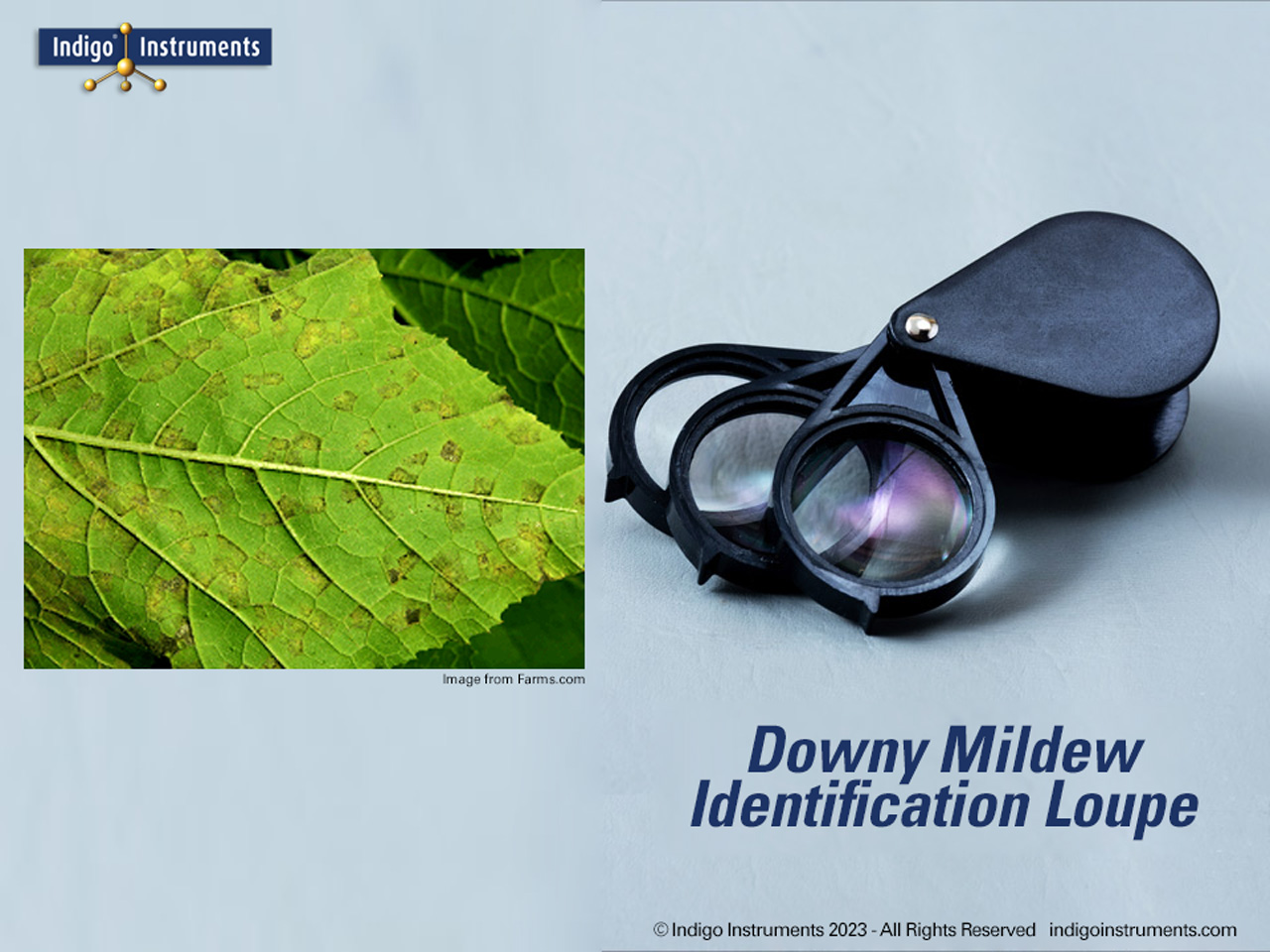
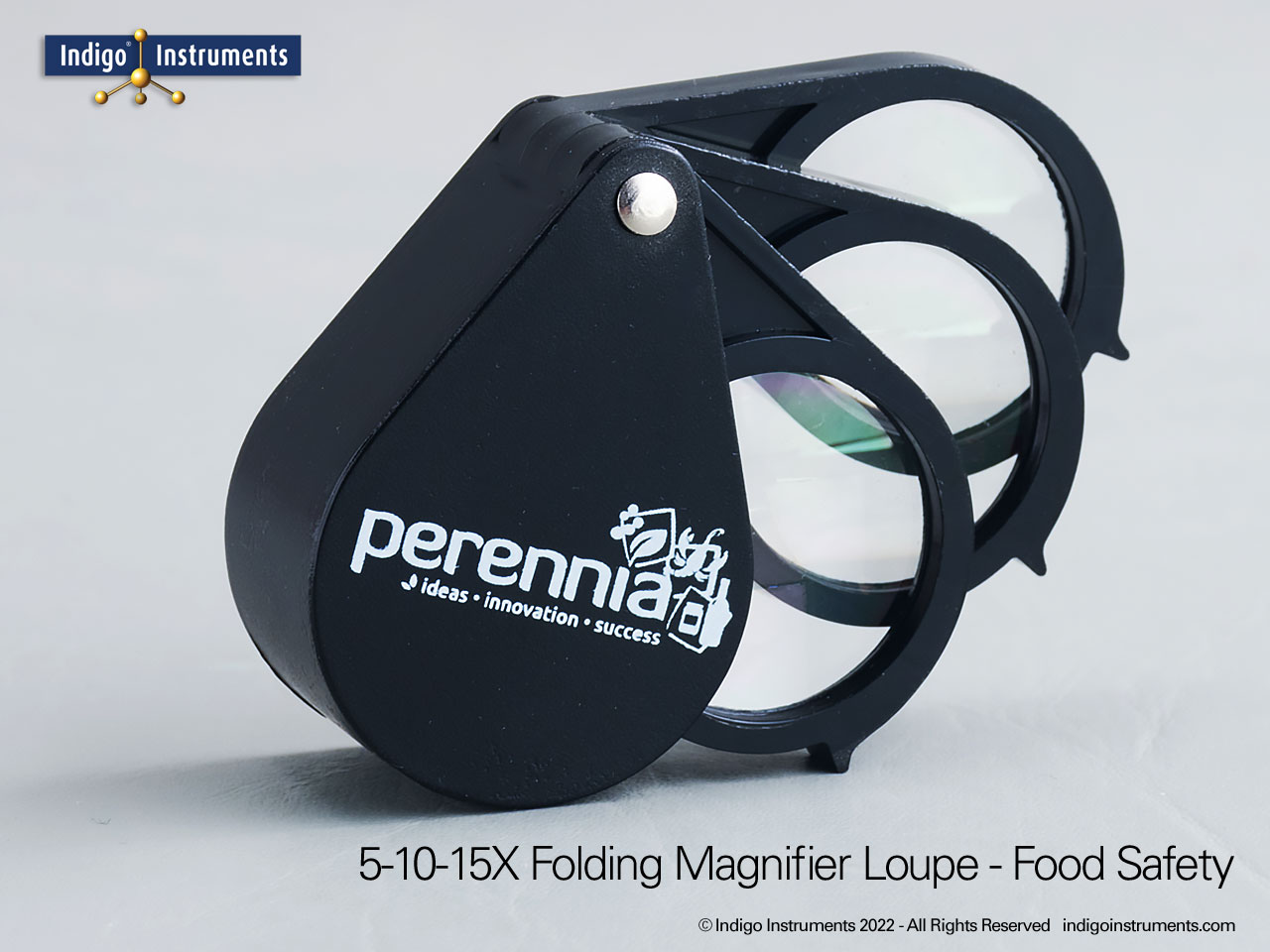
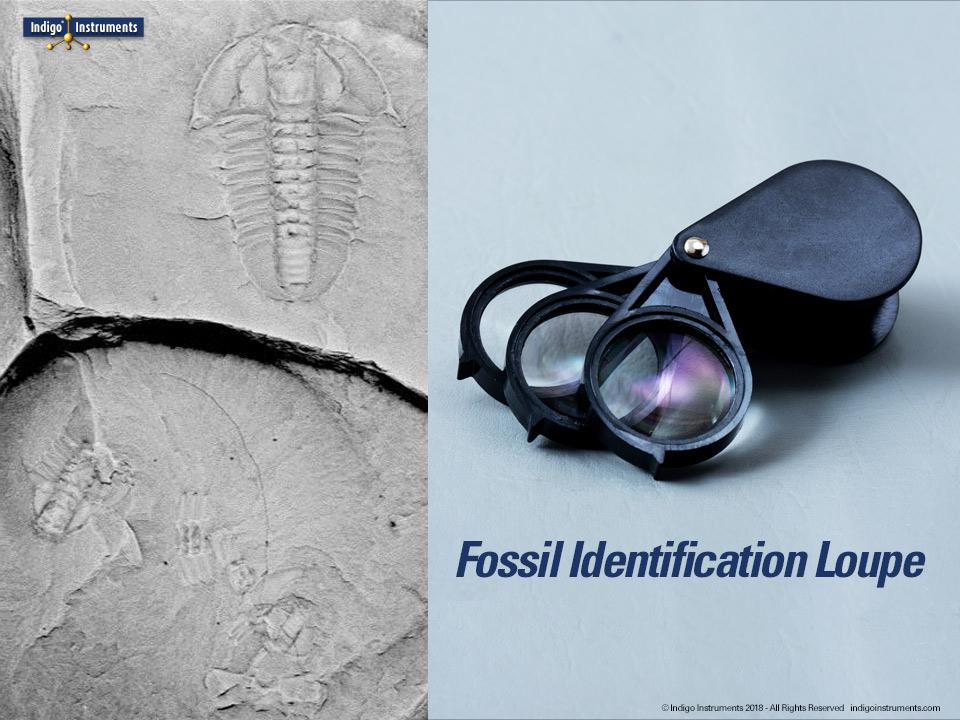
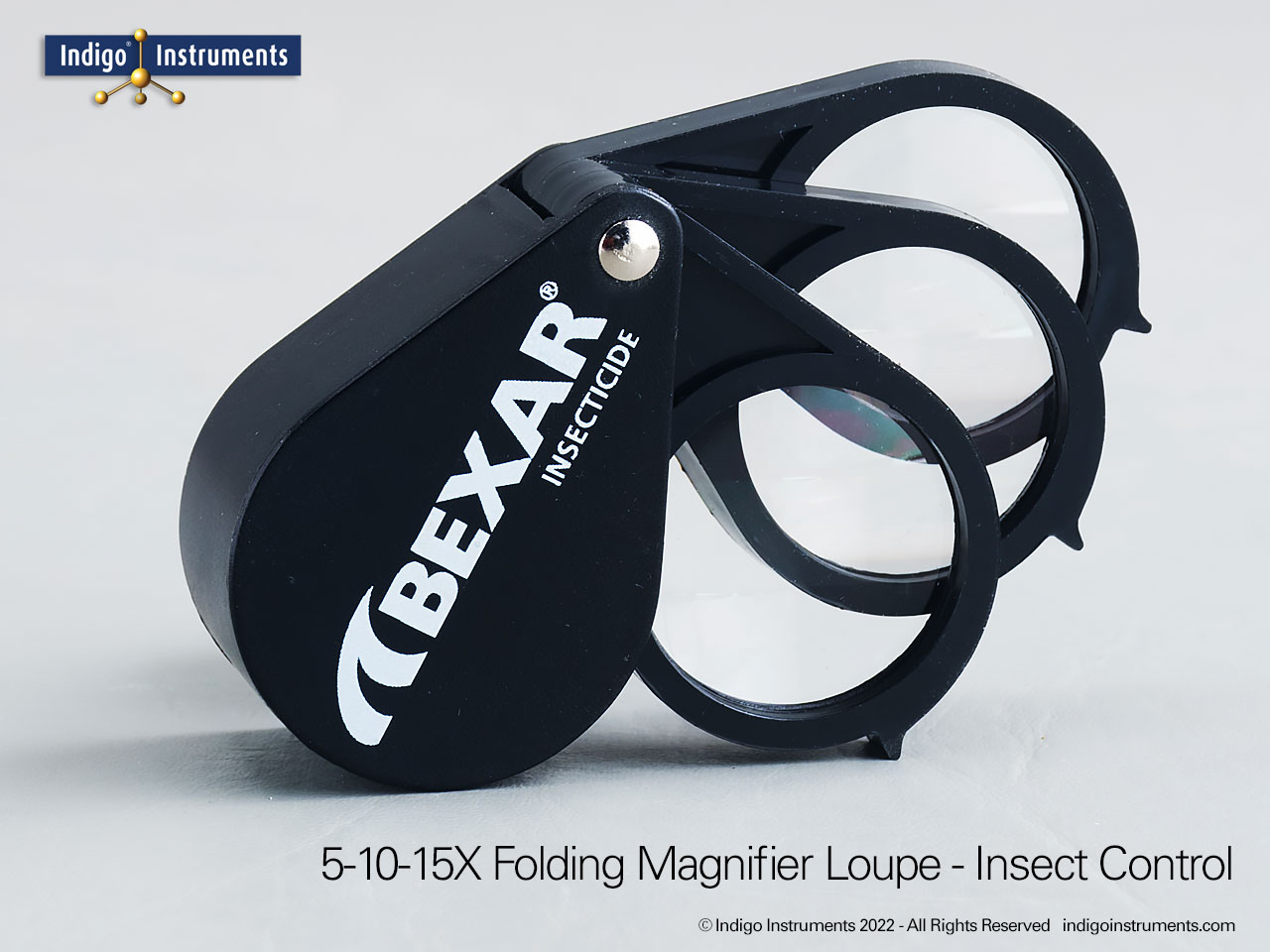
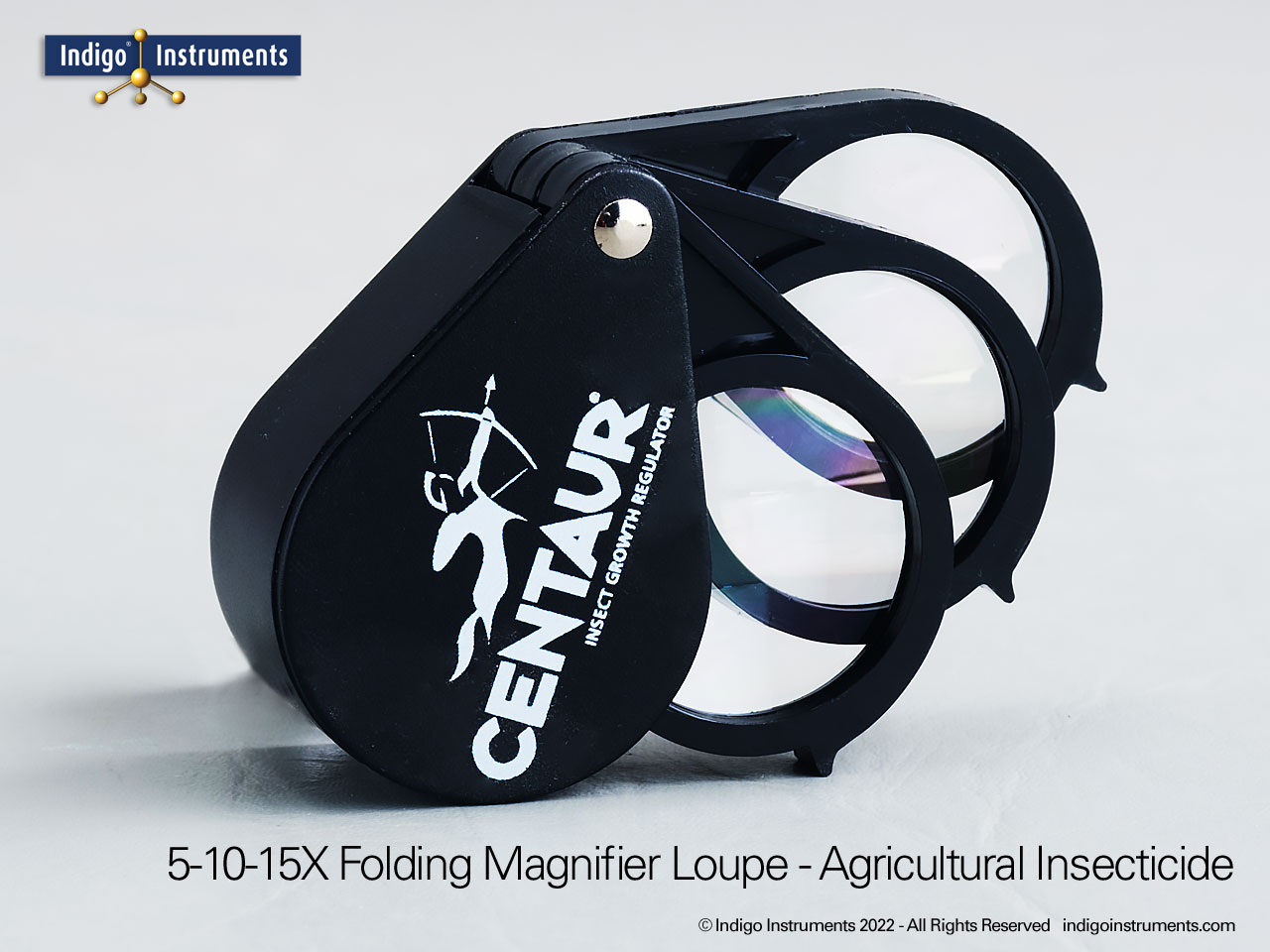
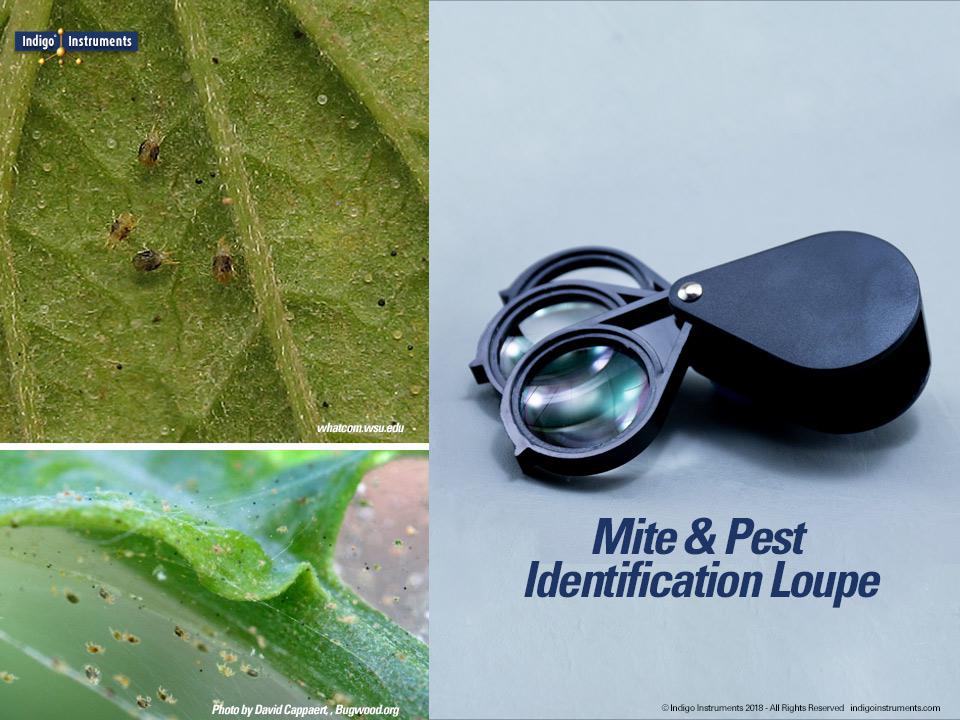
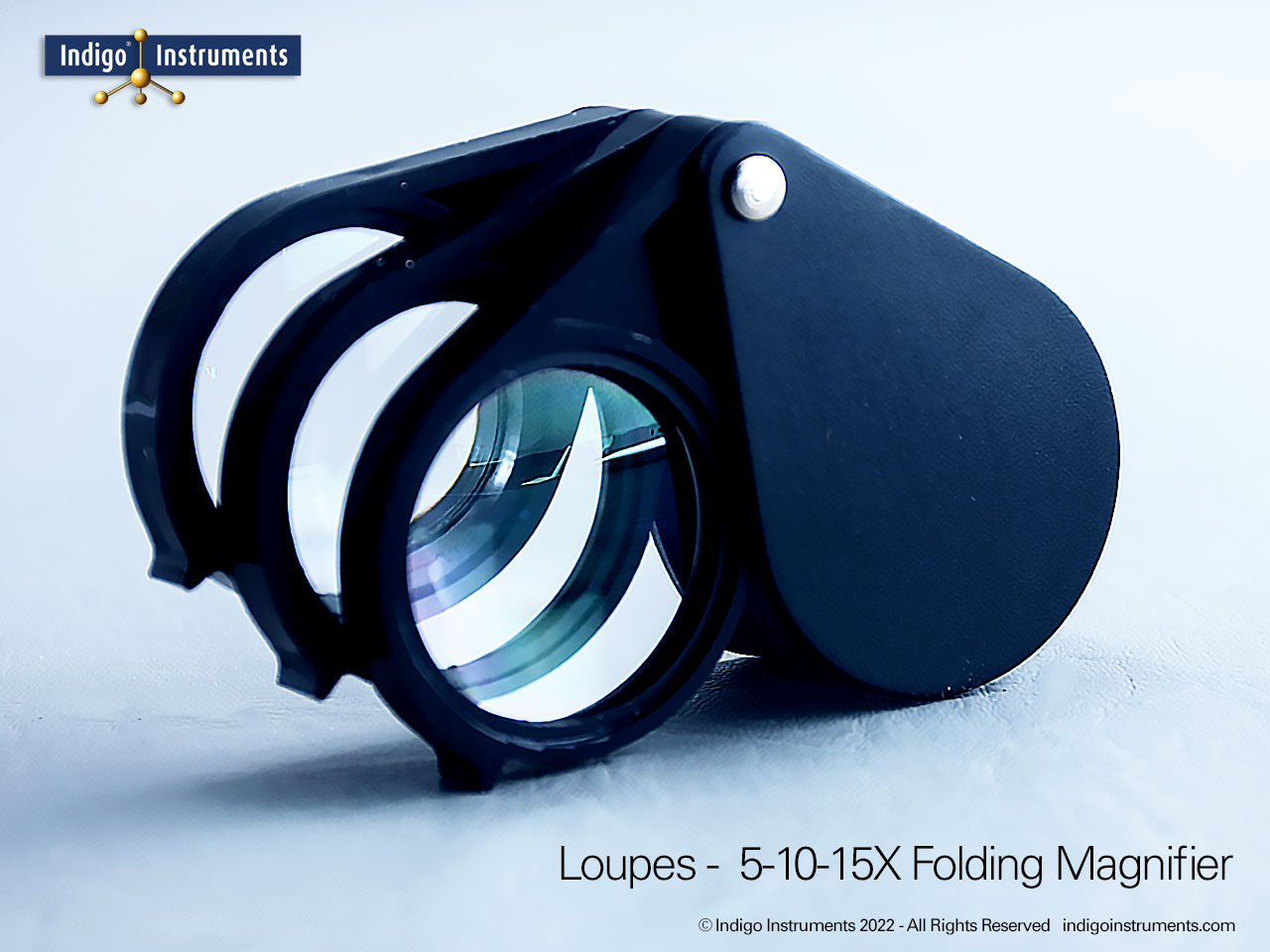
Colorado potato beetles are serious agricultural insect pest defoliators. Commercial farms need limit leaf damage that can ruin an entire crop for serious yield loss. This 15X hands lens helps identify its bright yellow-orange oval eggs or its early larval instar with black legs & black spots. It can also help distinguish CPB from false potato beetle egg masses for effective biological, chemical or cultural control Potato Pest Management.
Cultural control protects natural predators and limits pesticide resistance. Hand removal of unhatched eggs from the undersurface of the host plant's leaves is something a home gardener can do for eggplant, peppers or tomatoes but is not practical for commercial potato fields.
IPM recommends biological control with beneficial insects like the two-spotted stink bug (aka double-eyed soldier bug), Perillus bioculatus which is a natural predator of the potato beetle.
Other natural insect predators include ground beetles, ladybugs, and green lacewings, Bacillus thuringiensis, a bacterium, is most effective against newly hatched larvae can kill CPB 1st and 2nd instars. It is less effective against larger CPB larvae and adults. Adults can be drowned using dish soap to break water surface tension so they sink and drown.
Chemical control involves the use of insecticides in commercial fields supporting agricultural crops. Foliar spraying should be done right after egg hatching but before serious plant damage occurs. Beetles show multiple cross-pesticide resistance development. The first instance of Colorado potato beetle resistance to synthetic organic pesticides occurred with DDT in 1952. It has since extended to organophosphatea, carbamates, & pyrethroids limiting insecticide treatment as a control option.
Insect growth regulators for immature stages of insects are proving more effective.
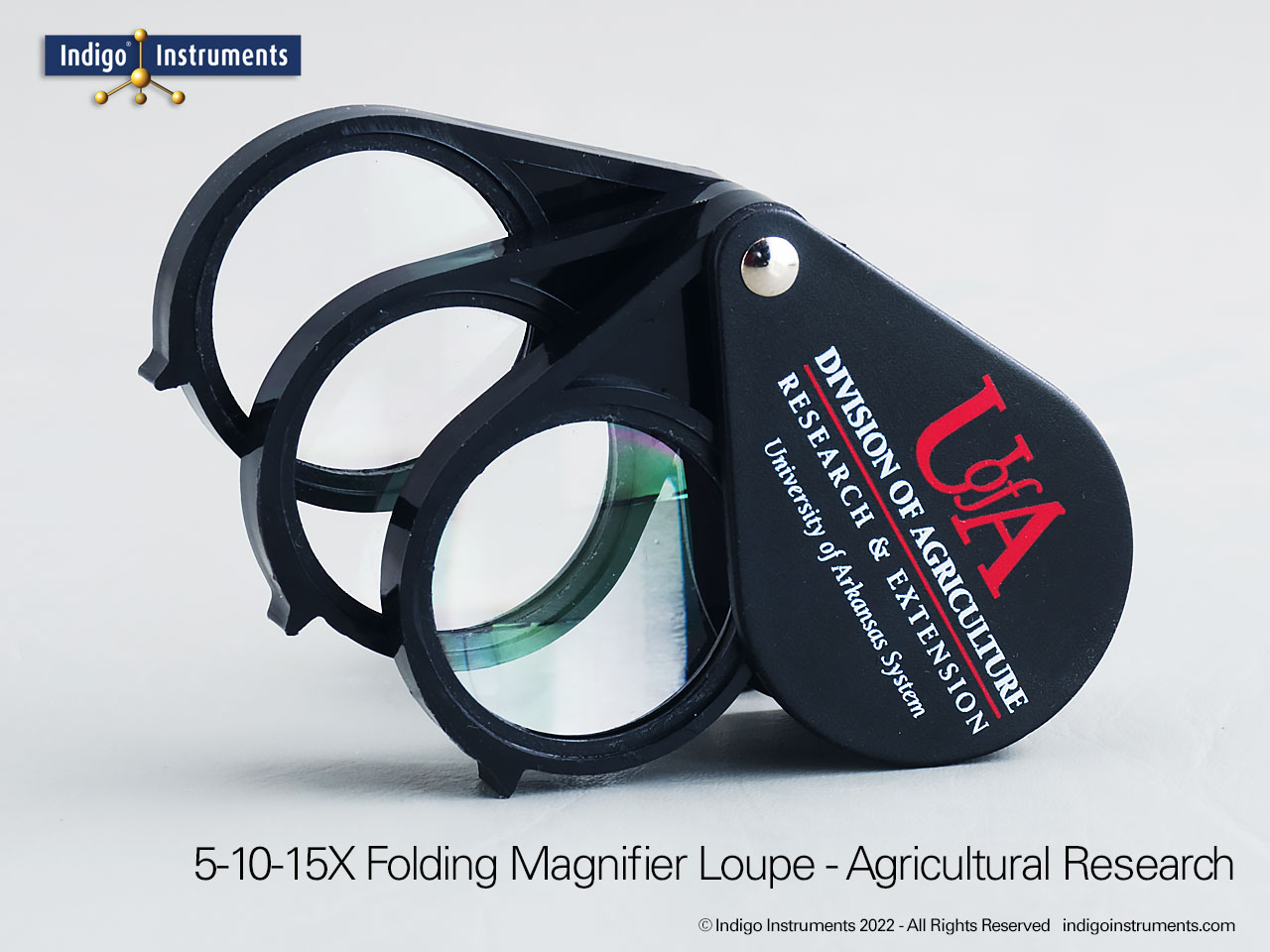
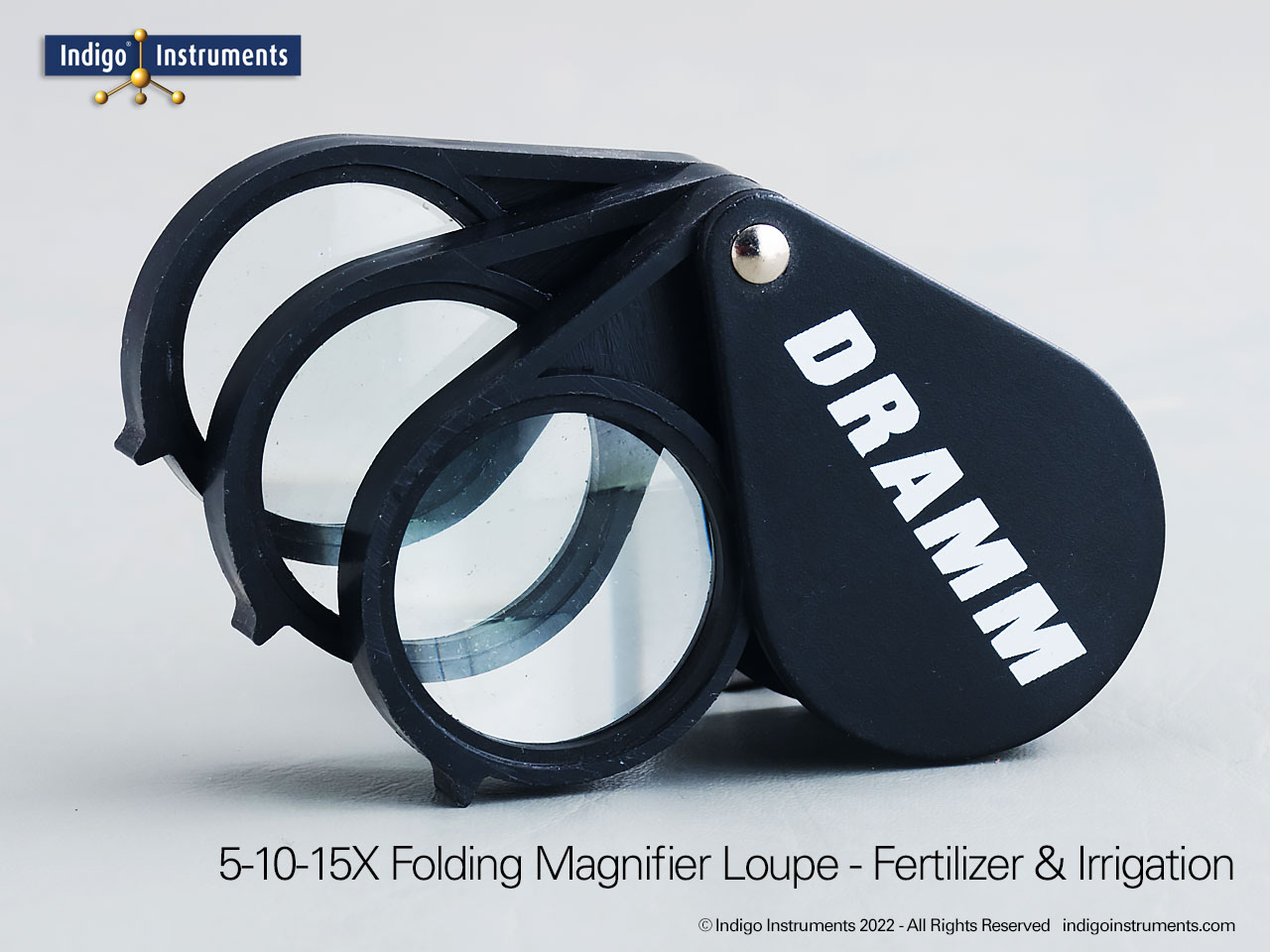
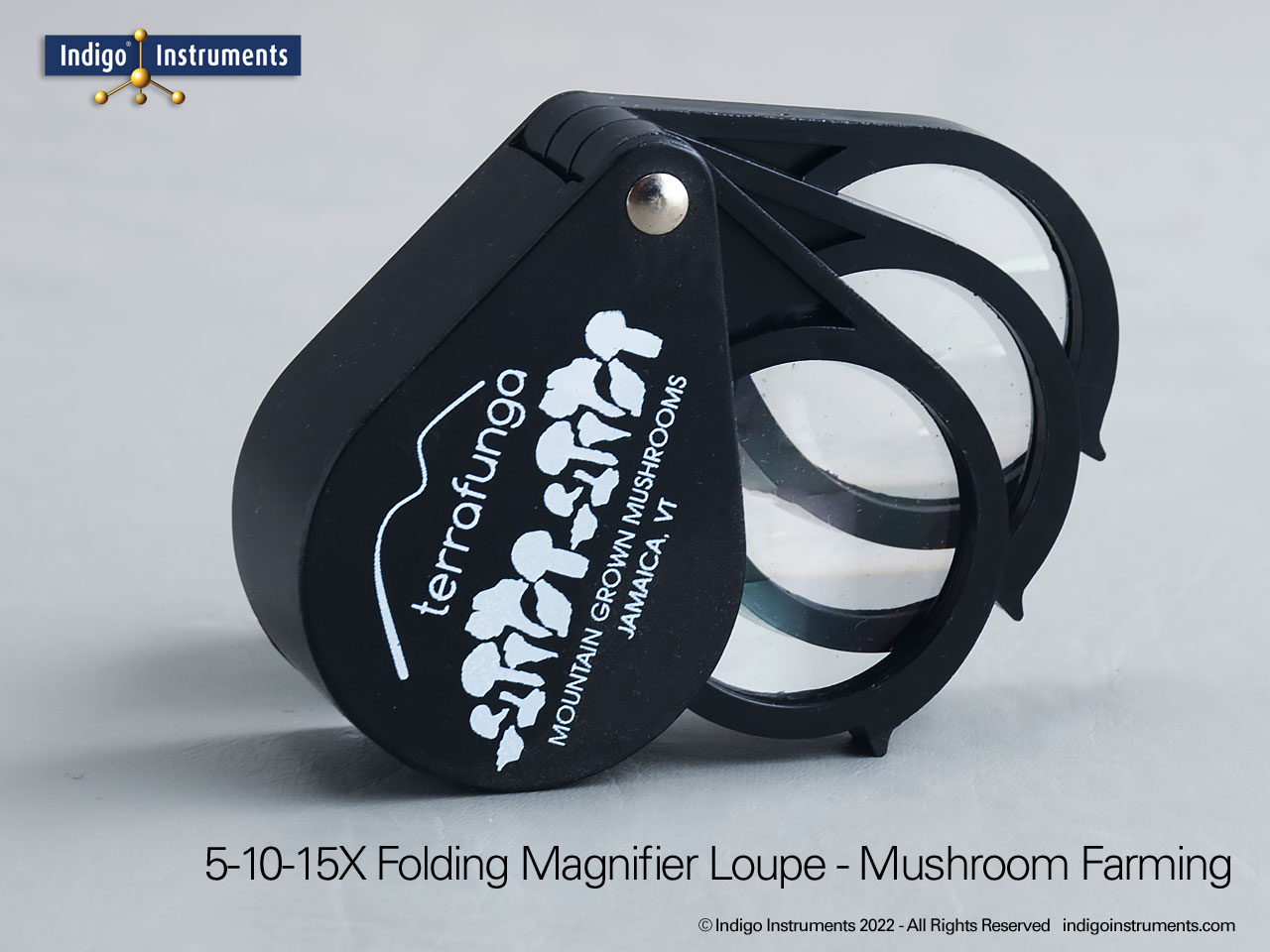
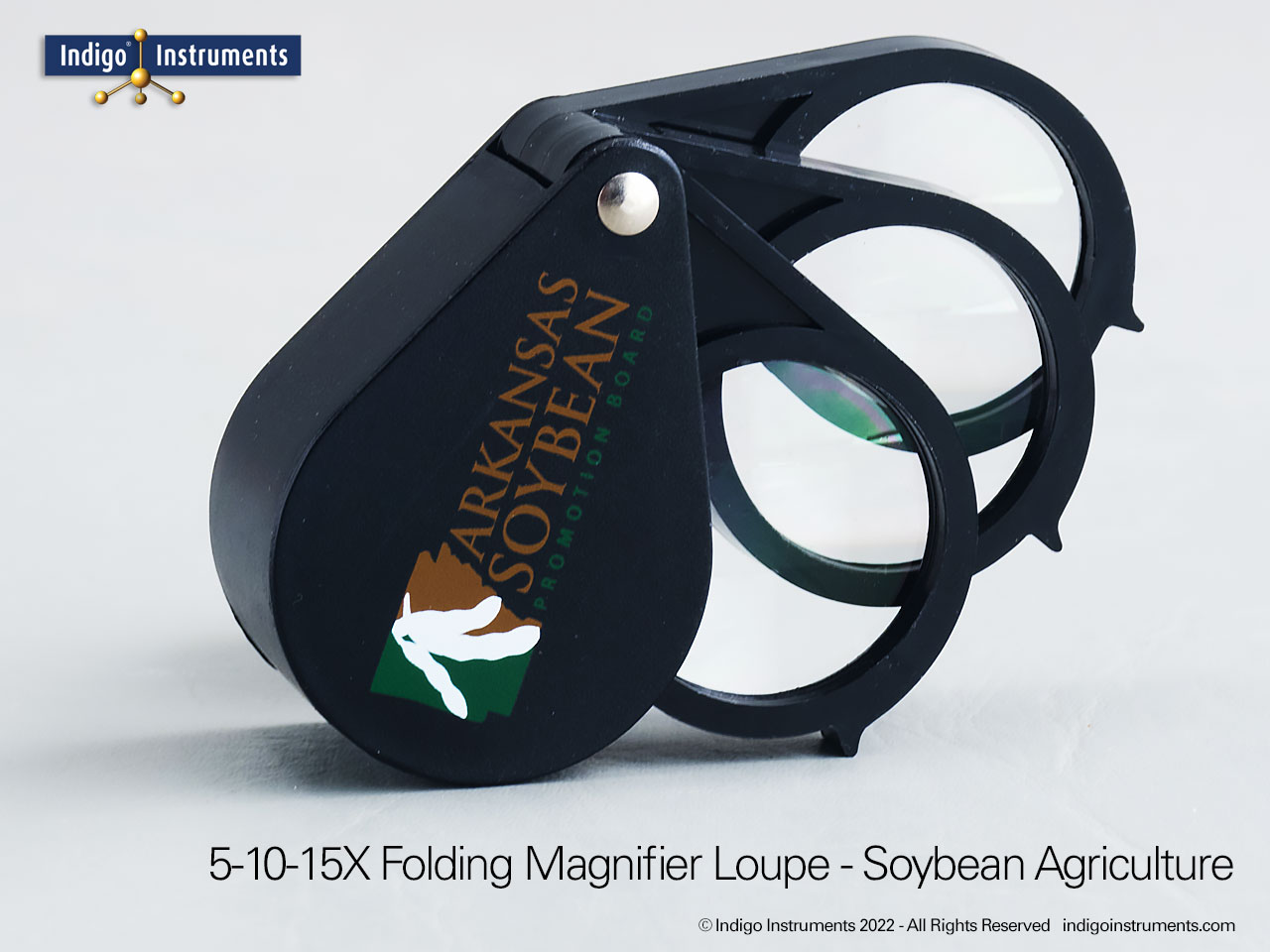
We've offered this quality loupe since 2002 for conventional & promotional giveaway uses. See Branding & Related Products below for adding a logo (NOT included).
One customer says this in a Google Review "...loupes for studying plants and fungi...for my children...well made, well priced...easy to order online....highly recommend.
Need greater detail &/or a visual record? Read: Phone Camera Loupe “Dissecting Microscope” to magnify up to 50X & view the details on bugs, leaves, rocks, coins, stamps, snowflakes & more
| P/N | Description | QTY |
|---|---|---|
| 23204 | 30mm/15x 50mm/10X Folding Magnifiers for Mac Degeneneration | 1 |
No complaints for the price! It produces clear images easily. The plastic seems durable enough, but I have not tested it. The only improvement I would like to see is some sort of attachment point for a lanyard or cord. I have used it to examine some of the Brood X cicadas and various other insects and plants. Very helpful for the curious biologist though you won't be able to see cells unless they are abnormally large. Also, Indigo Instruments has great customer service!
For each Related Product, enter the quantity you would like to order and click the Add to Cart button beside the item.
Home gardeners can remove eggs & larvae by hand. Commercial potato farmers can use biological control with natural insect predators or a bacterium such as B. thuringiensis. Insecticides are an option but resistance is a growing problem. Newer botanical biopesticides such as Azadirachtin essentially starve CPB larvae with little impact on beneficial pollinators, etc.
Options include:
Adult and larval Colorado potato beetles can defoliate the above ground plant. These leaves support the underground tuber growth & this can lead to entire crop destruction at significant yield loss to commercial farms.
Hand removal of eggs & larvae at an early stage is the simplest & most practical for home gardeners. Commercial farms that practise Integrated Pest Management may use natural insect or bacterial predators. Newer botanical derived biopesticides starve CPB larvae & limit the harm to important pollinators such as bees that could be in the area.
Thanks for the review & feedback. We haven't been able to get a version with both a loop to attach a lanyard & a flat surface to allowing branding (printing). Our Phone Camera Dissecting Microscope shows a close up of a fly but we recommend the 10X 23mm for its better depth of field. It might also allow you to see cells such as leaf stomata or cork.