Microgreens & Sprouts Quat Residue Testing
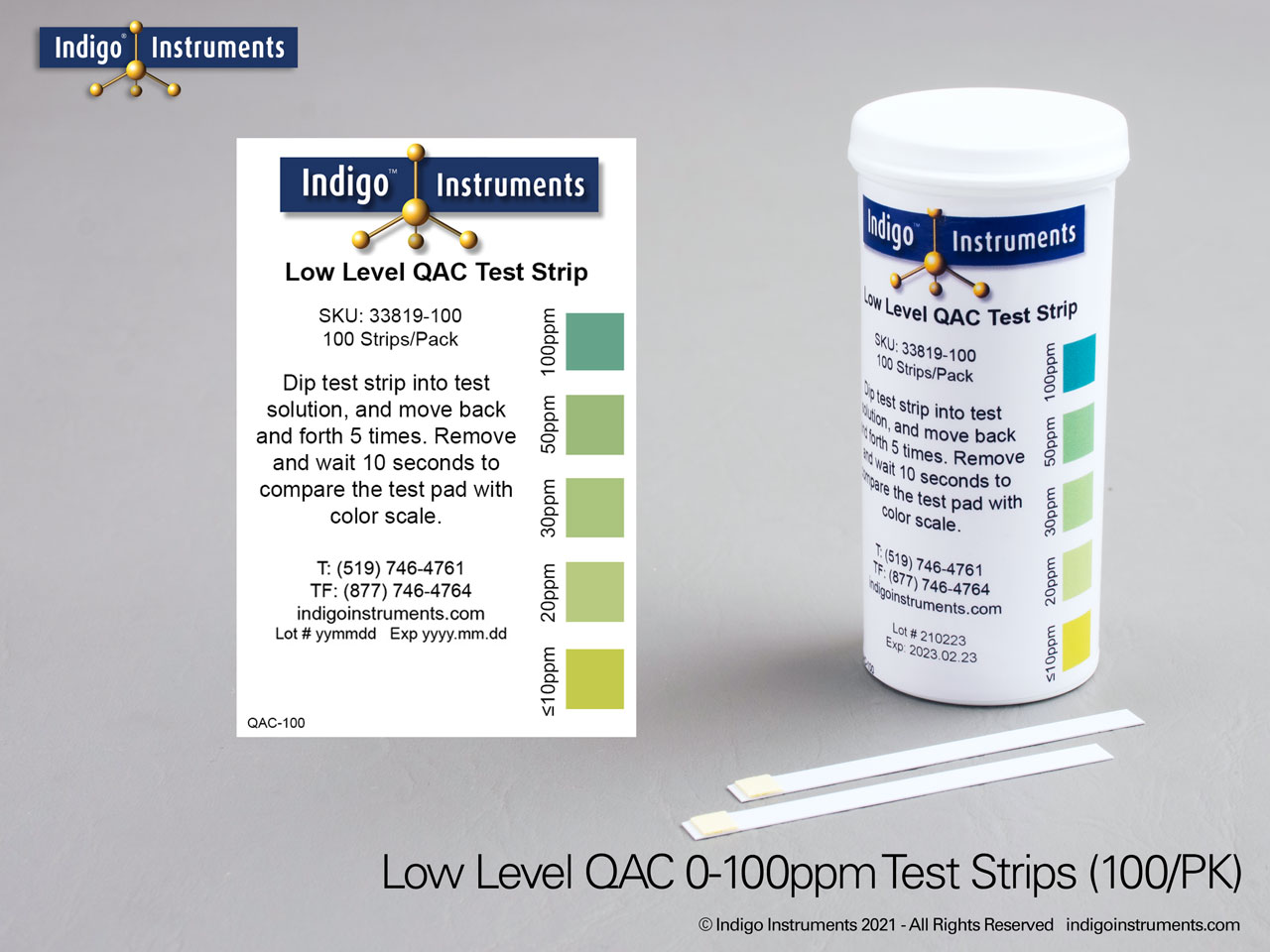
SKU: 33819-100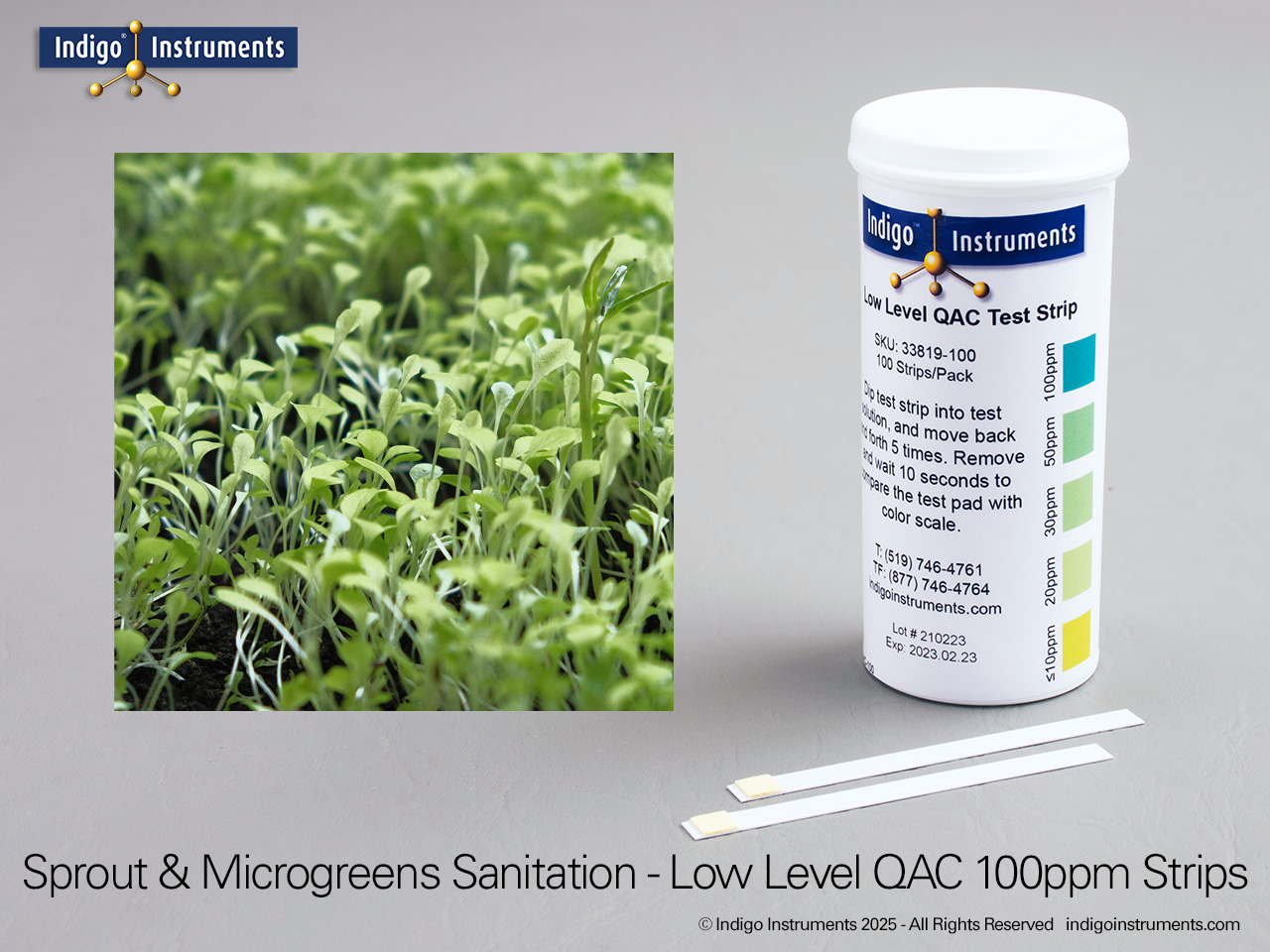
Safeguard microgreens and sprouts with Indigo® residual quat test strips. Verify sanitizer rinses are ≤100 ppm (detectable down to 10 ppm) to protect vegan and raw diets, meet HACCP/FSMA standards, and prevent microbial risks in high-moisture growth environments.
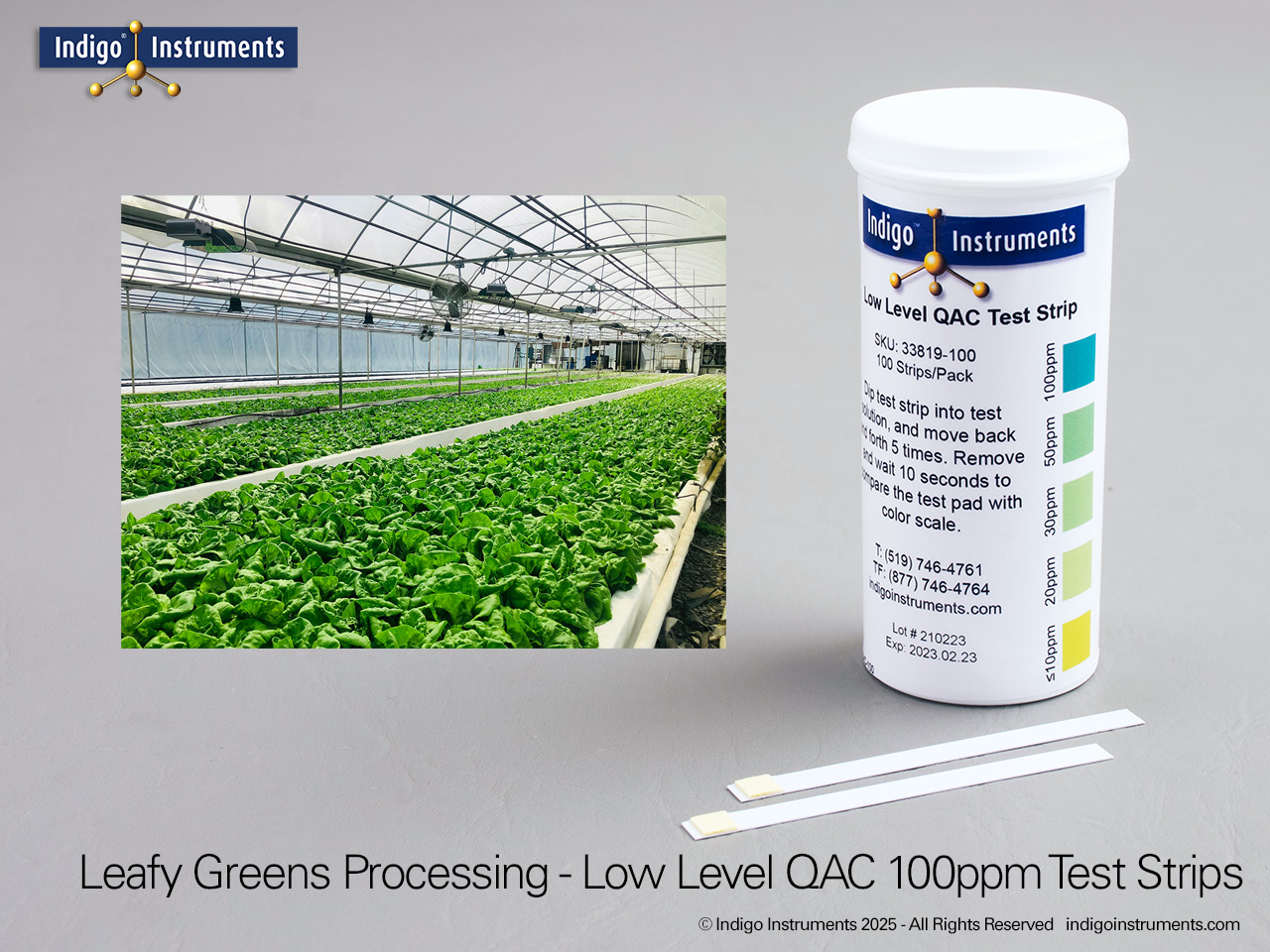
Microgreens and sprouts are prized by consumers seeking fresh, nutrient-dense foods and are especially popular in vegan, vegetarian, and raw diets. Because these delicate products are consumed raw without a kill step, they are particularly vulnerable to foodborne pathogens such as E. coli and Salmonella. In indoor farming and hydroponic facilities, quaternary ammonium sanitizers (QACs) are widely used to disinfect trays, irrigation systems, and harvest equipment.
However, residual sanitizer levels must be tightly controlled to protect both consumer safety and probiotic gut health associated with vegan lifestyles. Indigo® residual quat test strips provide fast, reliable verification that sanitizer residues are ≤100 ppm, with sensitivity down to 10 ppm, ensuring compliance with HACCP, FSMA, and organic certifications while maintaining consumer trust.