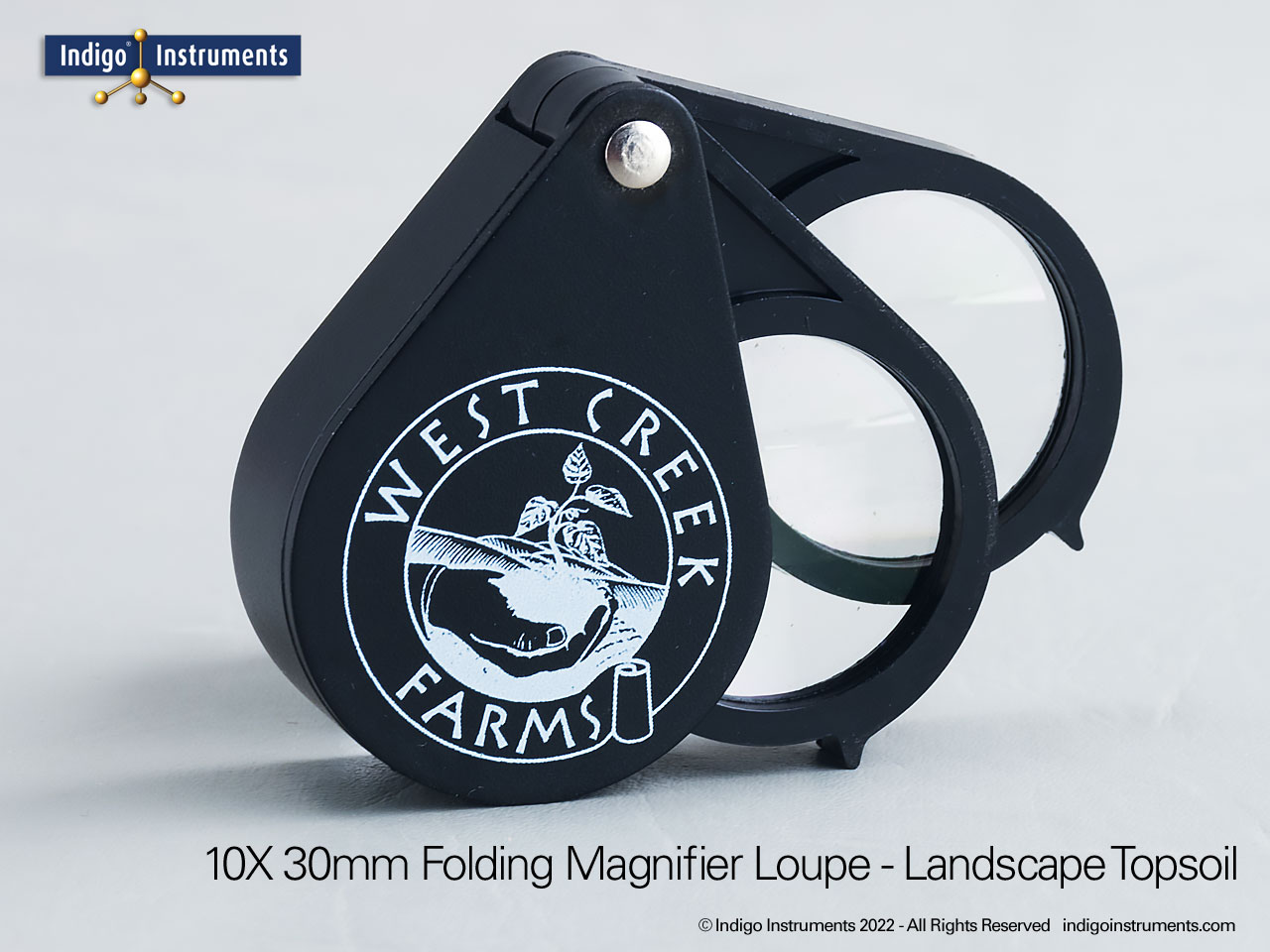
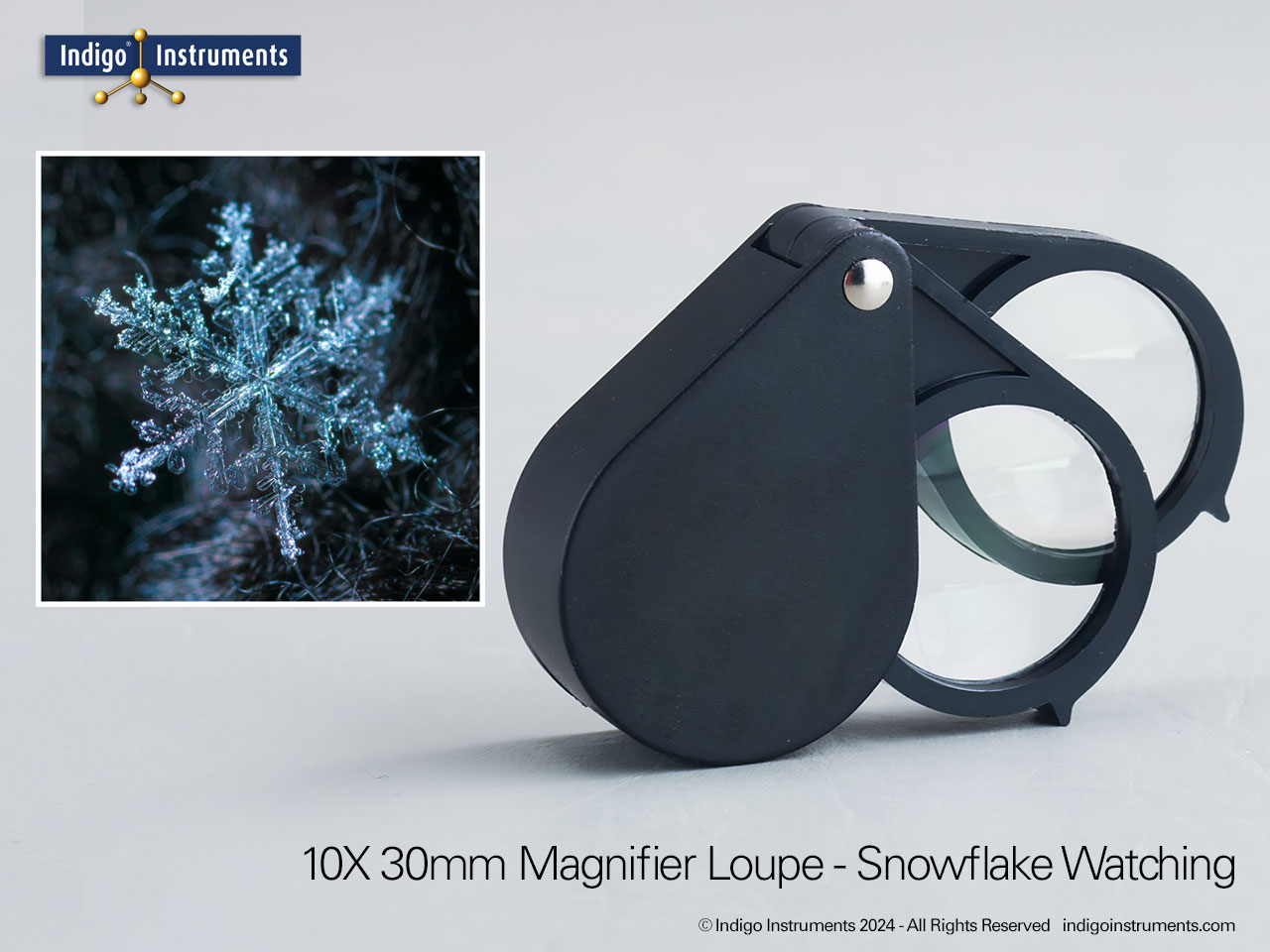
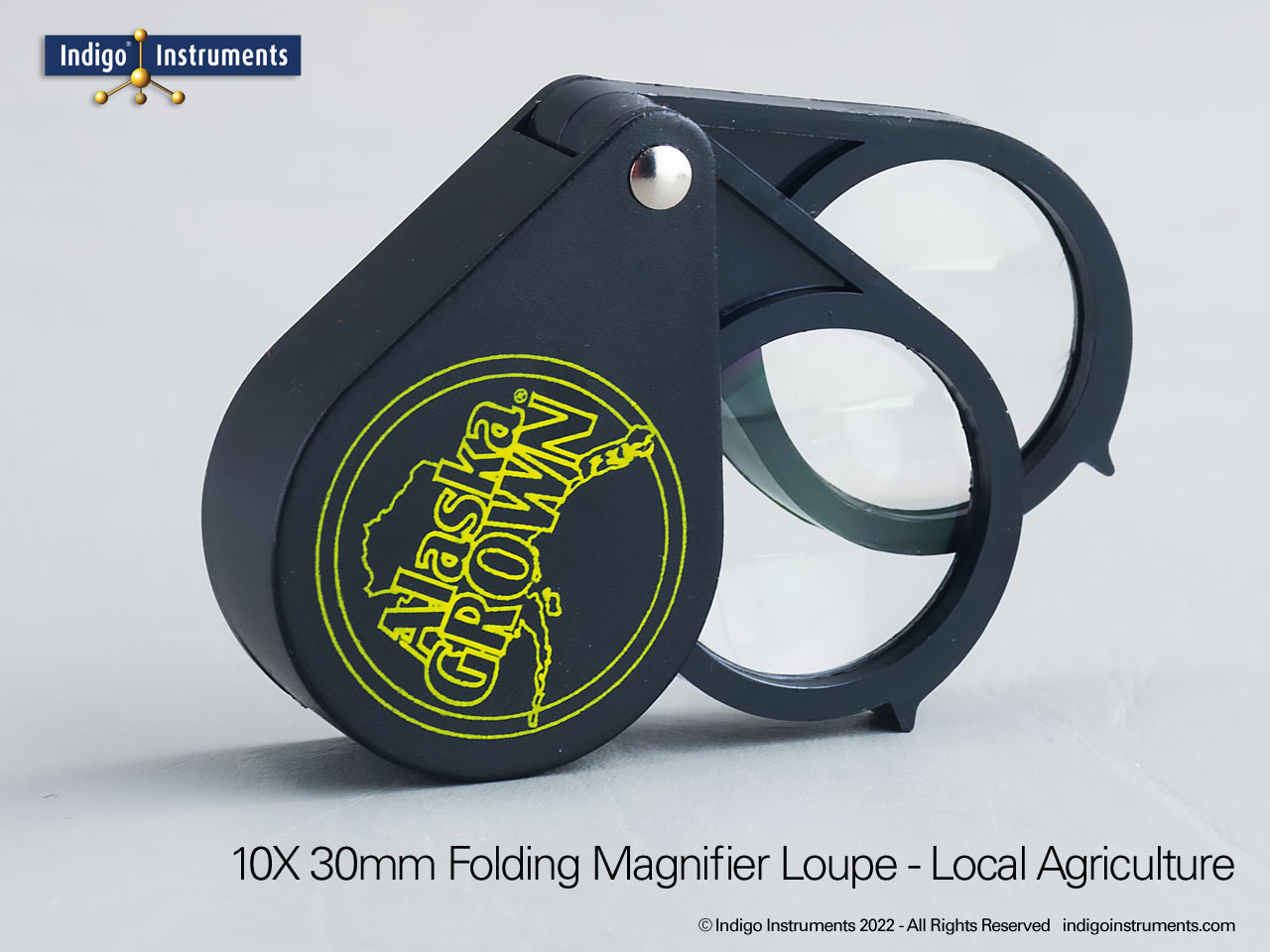
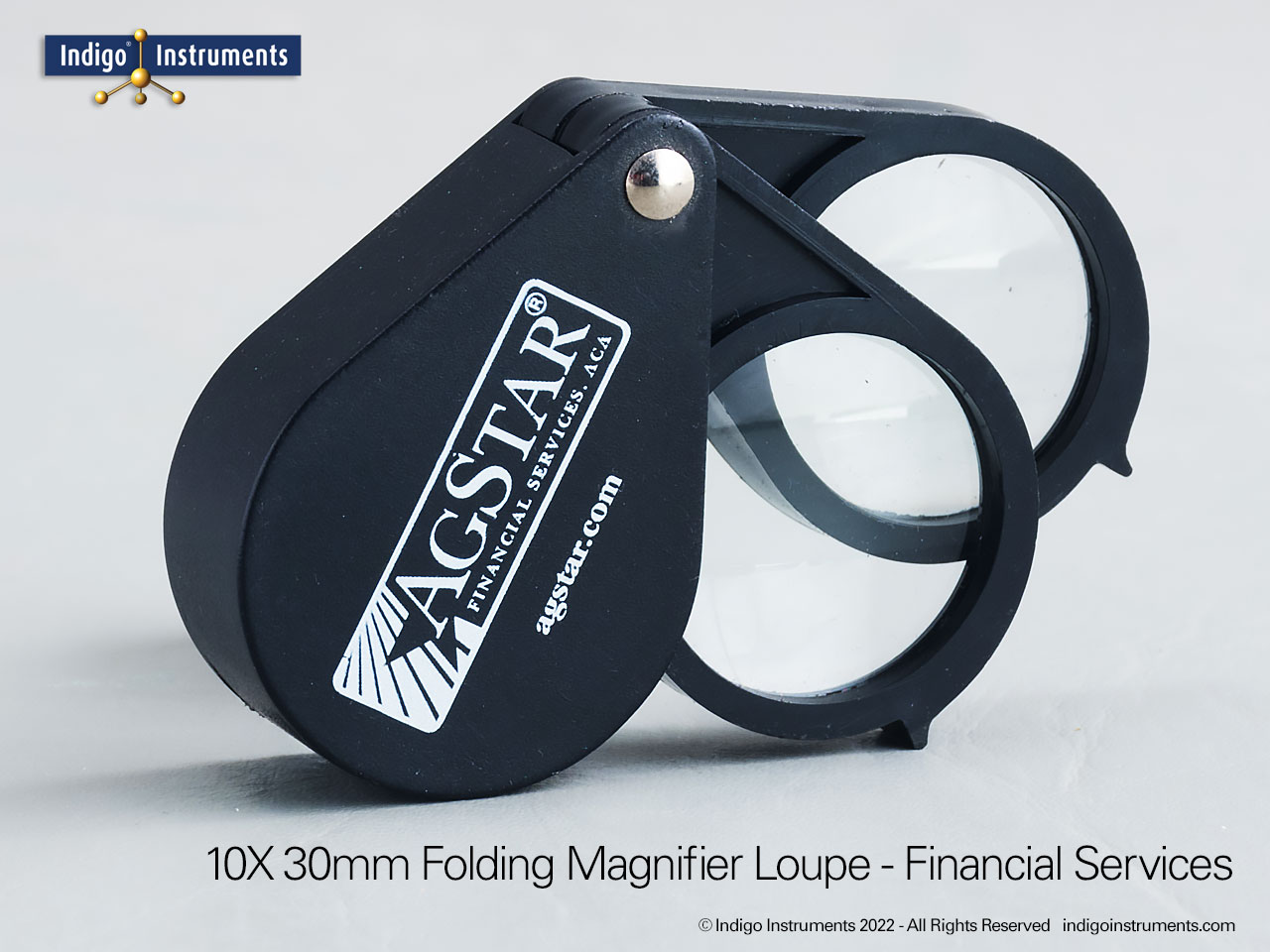
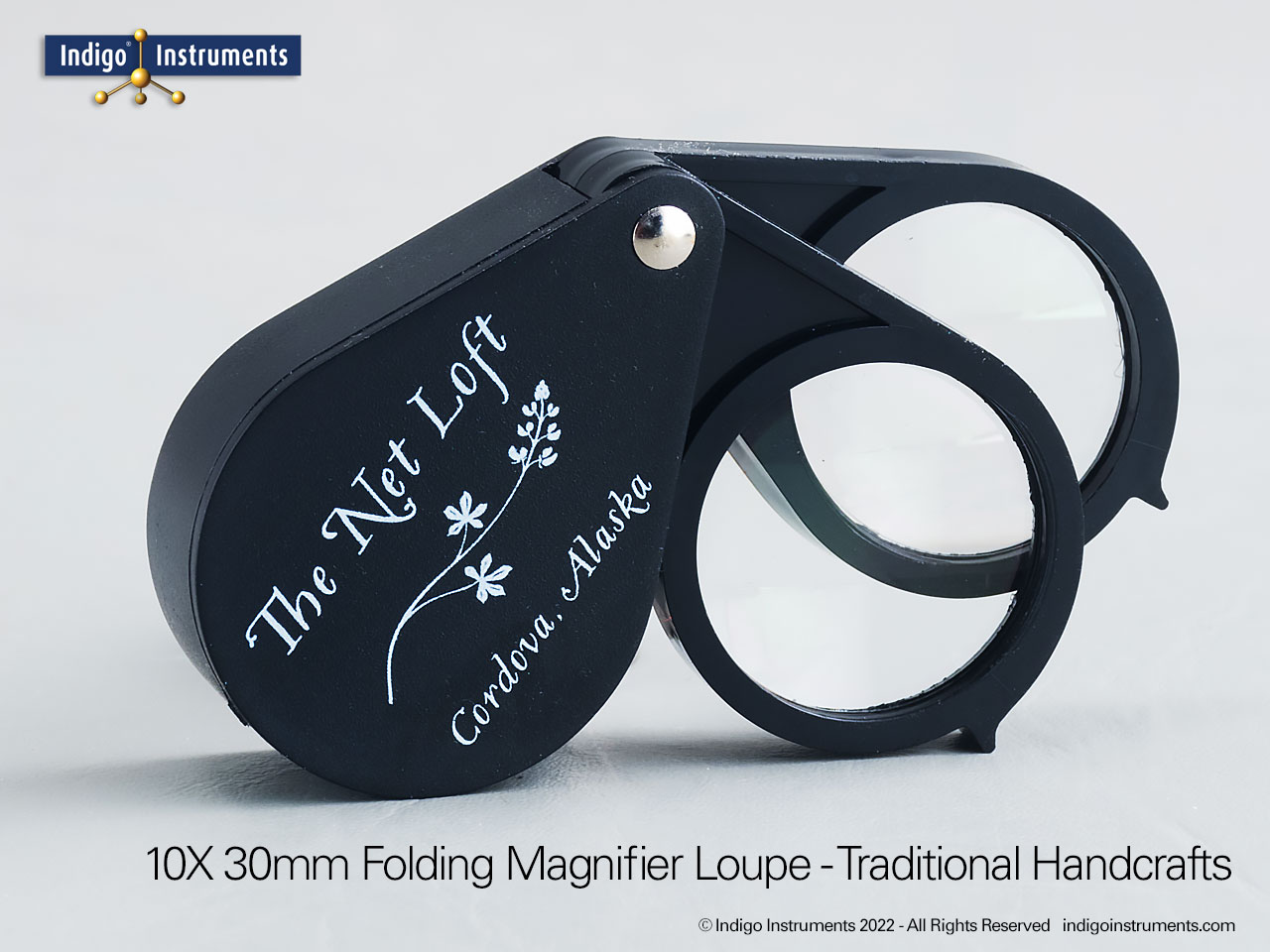
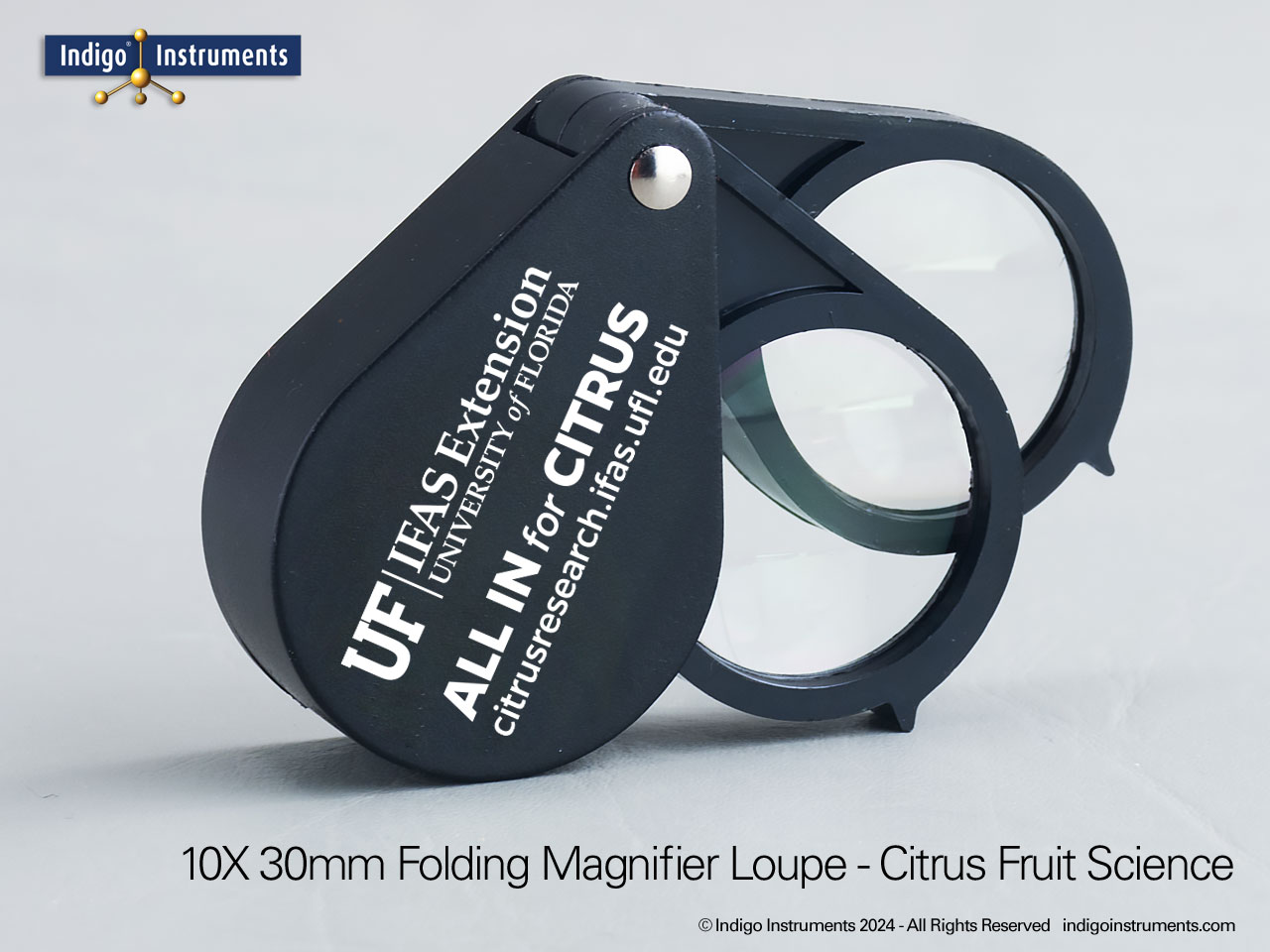
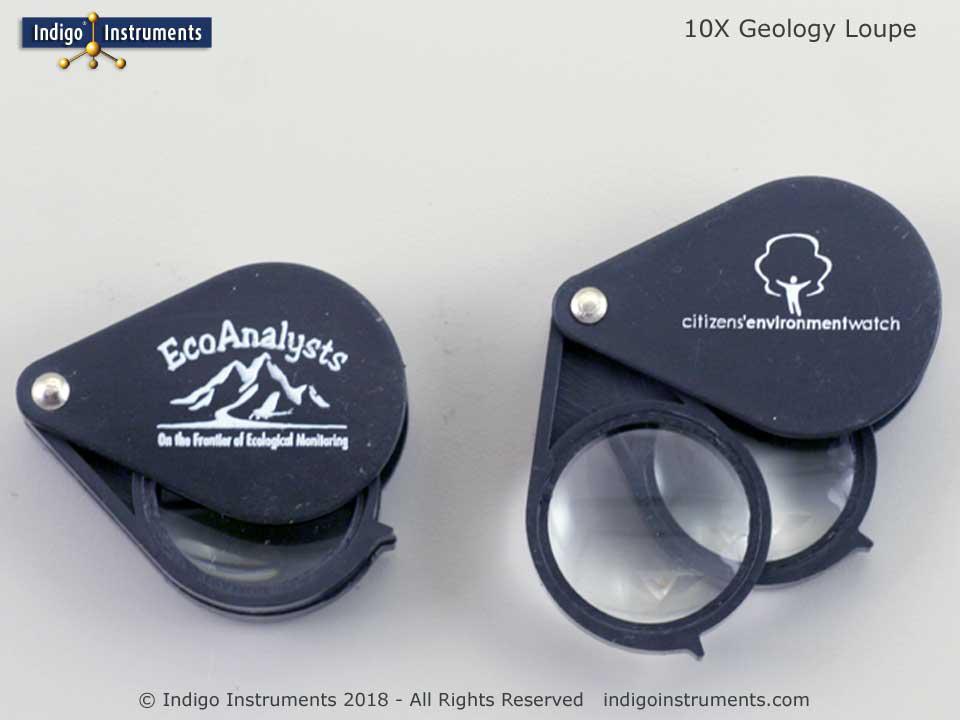
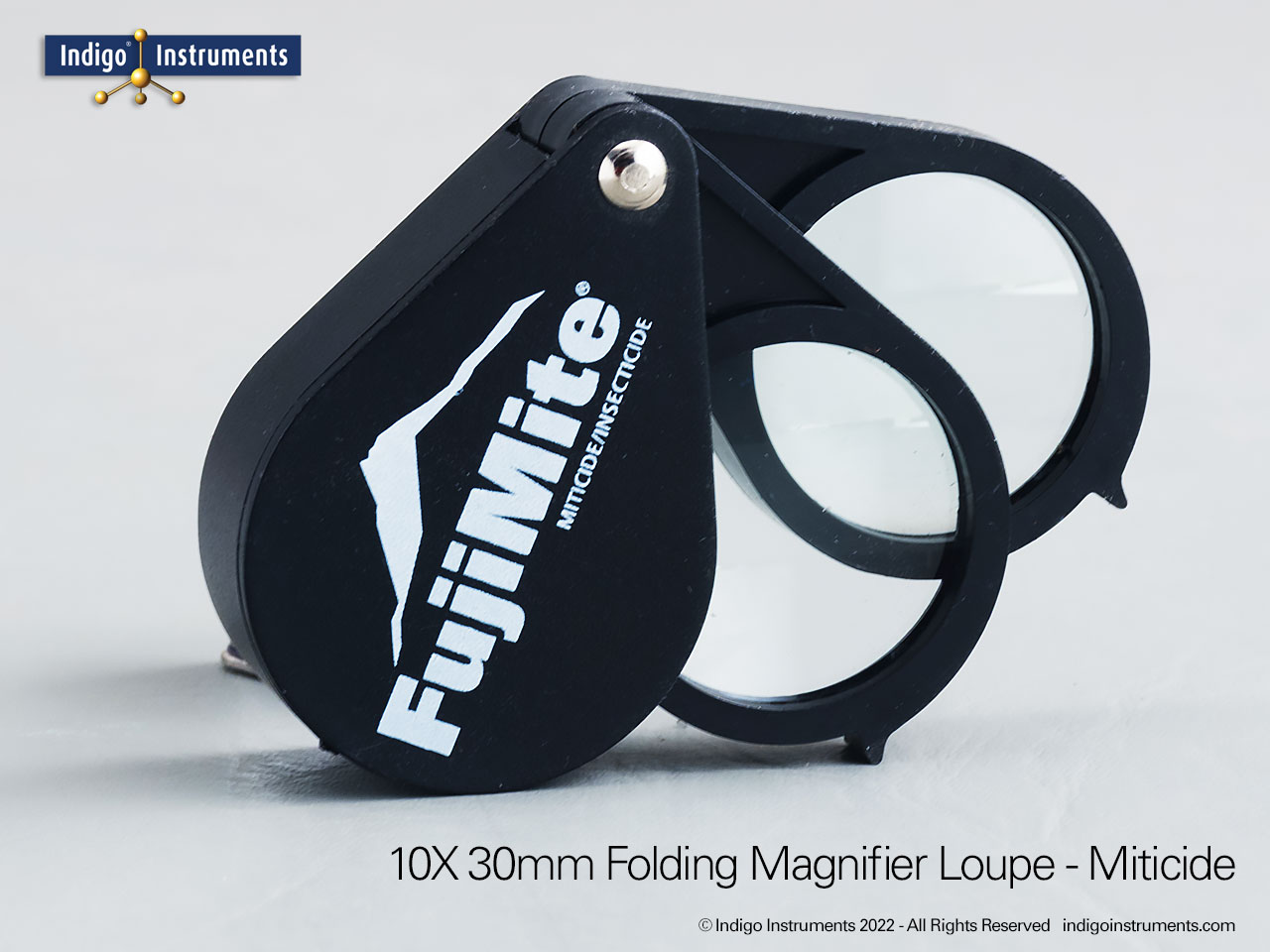
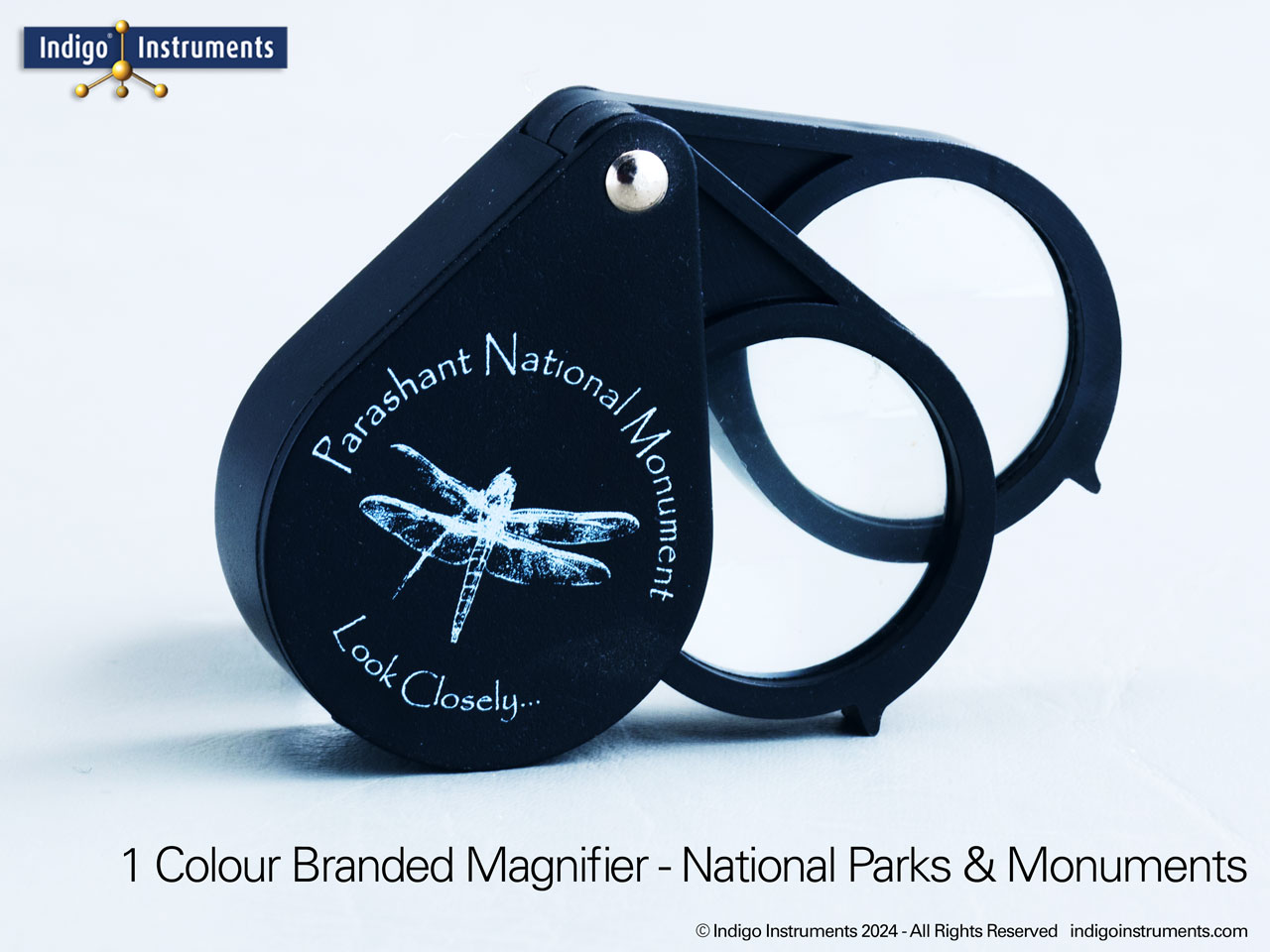
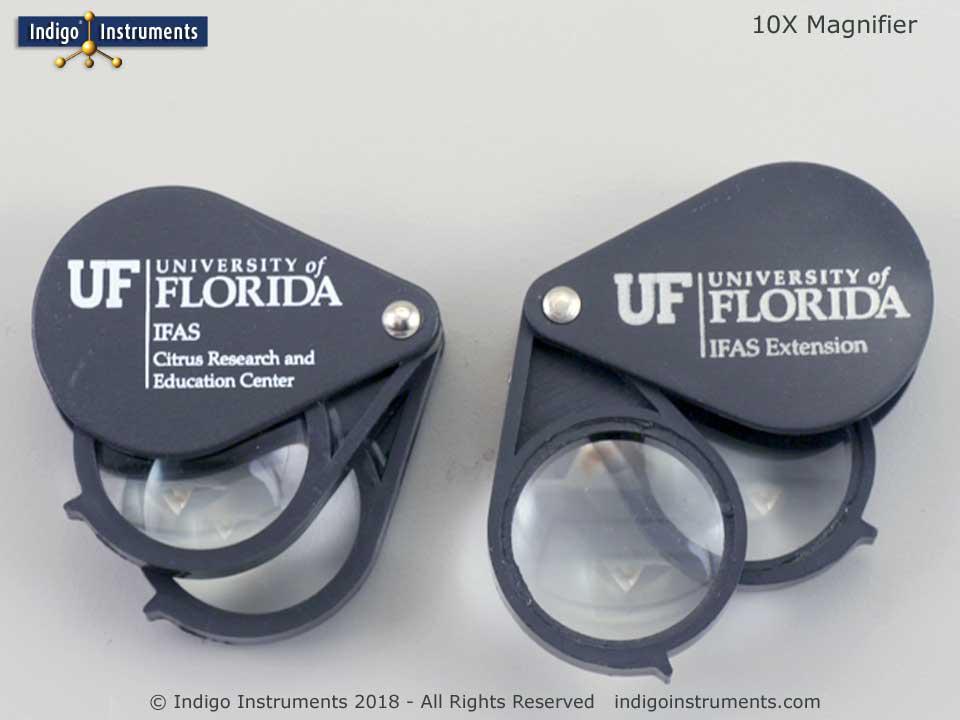
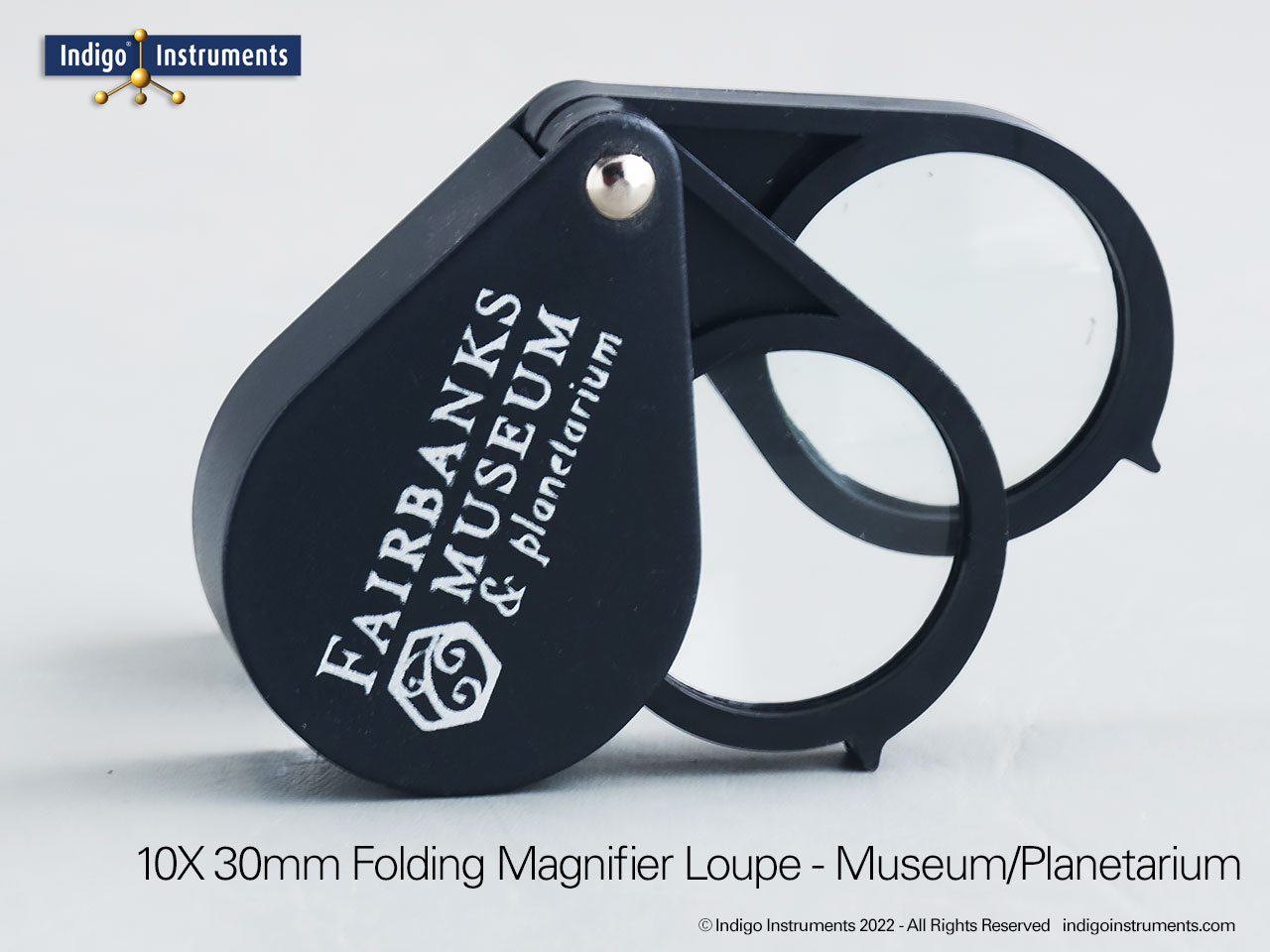
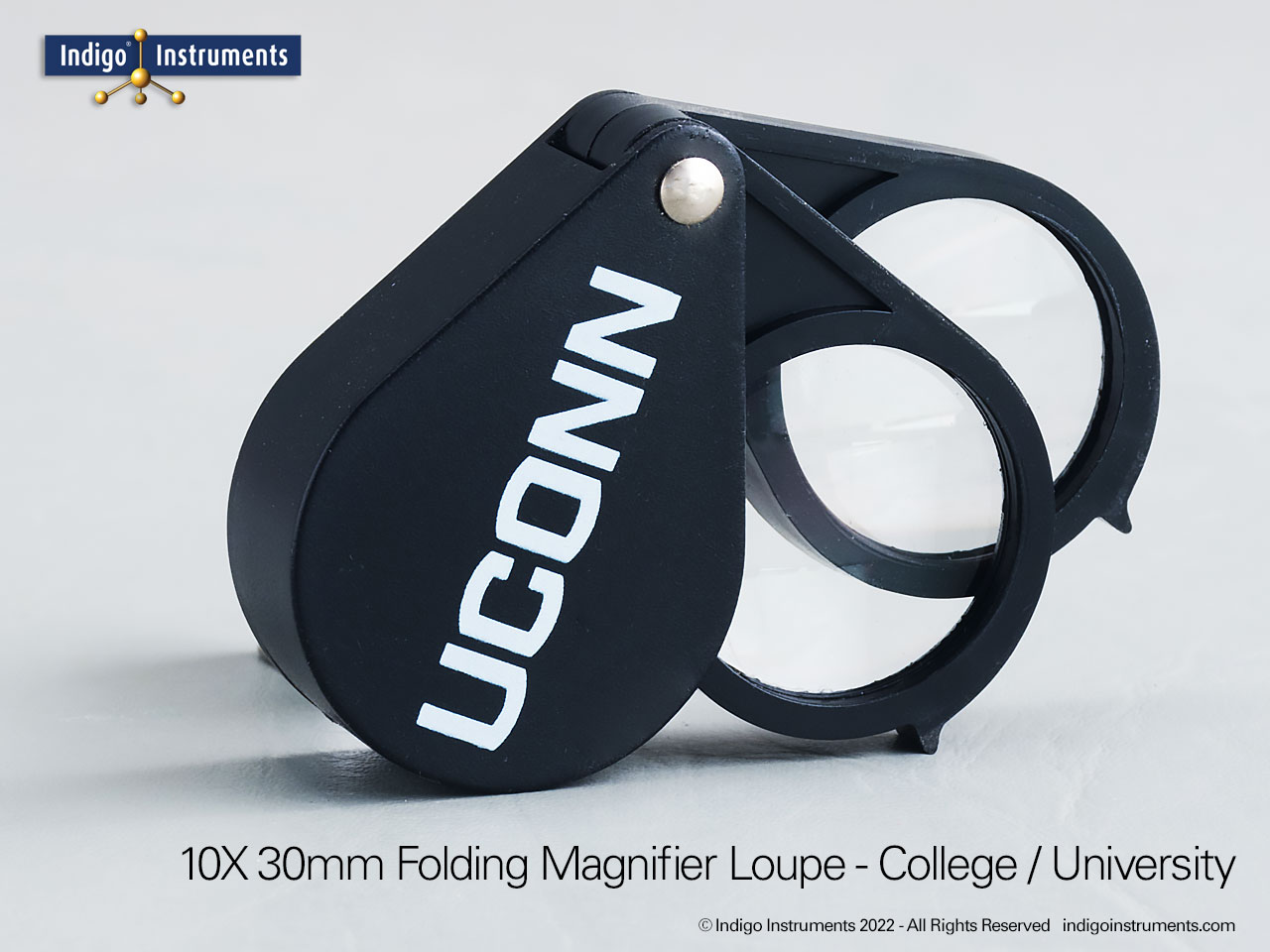
The Indigo™ 10X hand lens is suitable for plant identification and fieldwork for students, hobbyists, and professional botanists. When it comes to cost & performance, this is our best pocket magnifying glass for botany, gardens, leaves, flowers, stems, and roots.
Finding the best hand lens for botany means being able to see details that the unaided eye can’t resolve. This 10X botanist hand lens helps reveal plant features that matter for identification: leaf margins and hairs (trichomes), venation, stamen and pistil structure, petal surfaces, and root nodules. As one of the best magnifying glasses for plants, it provides clear magnification of flower anatomy, seed patterns, fungal spots, and small insects that affect plant growth. Whether you’re collecting specimens, surveying biodiversity, or examining native and invasive species, this Indigo™ botany pocket loupe magnifier helps you confidently classify species and observe important diagnostic features outdoors or in the lab.
This Indigo™ 10X field magnifier is a versatile plant magnifier, ideal for close examination of leaf textures, epidermal cells, stomata, bud scales, and lichens. Many botanists rely on a botanical magnifying glass to look for subtle traits such as stem ridges, leaf bases, sori in ferns, resin glands, bracts, pollen, fungal growth, and insect damage. As a durable magnifying glass for plants, it supports taxonomy, plant pathology, greenhouse monitoring, native plant studies, and environmental fieldwork. Whether you need a botanist hand lens for ecosystem surveys, species identification, or conservation work, this 10X Indigo™ model is a reliable and portable choice for professionals, students, and gardeners.
A 10X hand lens is an essential tool for students and botanists in the field, classroom, or laboratory. It enables direct learning by revealing fine morphological traits used in taxonomy and classification such as flower parts, seed morphology, leaf surface patterns, and evidence of pests or diseases. In ecology, biology, and horticulture courses, students can examine live specimens, compare species, and practice identification skills. This magnifier also complements hands-on activities, including herbarium work, field journaling, plant breeding studies, pollinator ecology, and greenhouse plant care.
Field magnifiers are often used by attendees for taxonomy workshops, species identification, and research excursions at trade shows, conferences & meetings where they feel like professional tools, not throwaway swag. They are suggested for companies selling instruments, greenhouse technology, lab equipment, or recruiting scientists:
This magnifier is also a functional promotional item for land management, habitat restoration, invasive species control, and field-based environmental monitoring. Meetings related to Conservation, Environment & Field Biology can include:
Companies that serve growers, greenhouses or plant pathology can use these as giveaways or demo tools. Their trade shows/meetings can include:
People in these industries routinely examine: pest damage, grafting success, disease symptoms, seed quality.
This 10X hand lens is useful for both recruitment and outreach at:
Where they can be used for recruiting future plant science students, promoting university departments, building classroom engagement or as giveaways for educational memberships
Branded 10X handlens are widely kept and reused unlike pens, keychains, or USB drives, a magnifier is a durable tool that gets used repeatedly on trails, hikes, or field trips. This can include:
People looking for a field magnifier as a memorable giveaway where a logo stays visible during plant surveys, greenhouse checks, taxonomy workshops, and classroom lessons & more may also search for: branded field magnifier;promotional 10X hand lens for trade shows; botanical conference giveaway;corporate branded magnifying glass;recruiting giveaway for STEM programs;branded tools for field biology;promotional magnifying glass for universities.
One customer says this in a Google Review: "...the best field loupes for students studying geology & best price....".
We've offered this quality loupe since 2002. Buy a few & our delivered cost beats "free" shipping!

10X is the standard for most botanical work because it balances clarity and depth of field. However, higher magnification may be better when you need to view:
Need greater detail &/or a visual record? Read: Phone Camera Loupe “Dissecting Microscope” to magnify up to 50X & view the details on bugs, leaves, rocks, coins, stamps, snowflakes & more
Just the best on the market! Great quality, durability. I use this for more than 10 years with my students for field work.
We use this model in two introductory courses (a general geology course for engineers where 4 exercises cover minerals and rocks, and a mineralogy courses taken by a wide range of students in arts and science programs). Some students prefer its wider field of view to that of the other model we order from Indigo Instruments (their 17-mm glass lens, screw-hinged metal loupe). This loupe is durable, and can stand years of sharing among students learning their minerals and rocks in the classroom. Not designed to be worn on a lanyard, though.
For each Related Product, enter the quantity you would like to order and click the Add to Cart button beside the item.
It depends on what you are trying to do. If your studies include taxonomy where seeds, stem & leaves are multicolored, a 10X doublet hand lens is recommended. If you are viewing & counting stomata or rhizomes or are a gardener wanting to spot insect eggs, an inexpensive 5-10-15X triple lens folding pocket magnifier may be enough.
10X is the standard for botanical work because it shows fine features of leaves and flowers clearly without excessive image shake.
A hand lens makes tiny plant traits visible such as hairs, veins, reproductive structures, pests, and disease features which are essential for accurate identification.
Yes. A 10X magnifier is designed for rugged field use, quick inspection, and portable taxonomy.
Absolutely. It is commonly used in classrooms, field courses, nature education, citizen science, and research settings.
Leaf venation, trichomes, stamen and pistil structures, bud scales, roots, seeds, insects, pathogens, and much more.