Hydrogen Sulfide Farm Safety Test Strips

SKU: 33810-PbAc
$5.35USD or lower Each

Save More When You Buy More!
Quantity1+2+ 3+ 10+ 100+ 
Price for each$5.35USD$5.28USD$5.19USD$5.00USD$4.20USD
Your savings - 1.31%2.99%6.54%21.5%
Qty:
[5]   2 Reviews    | Write a Review

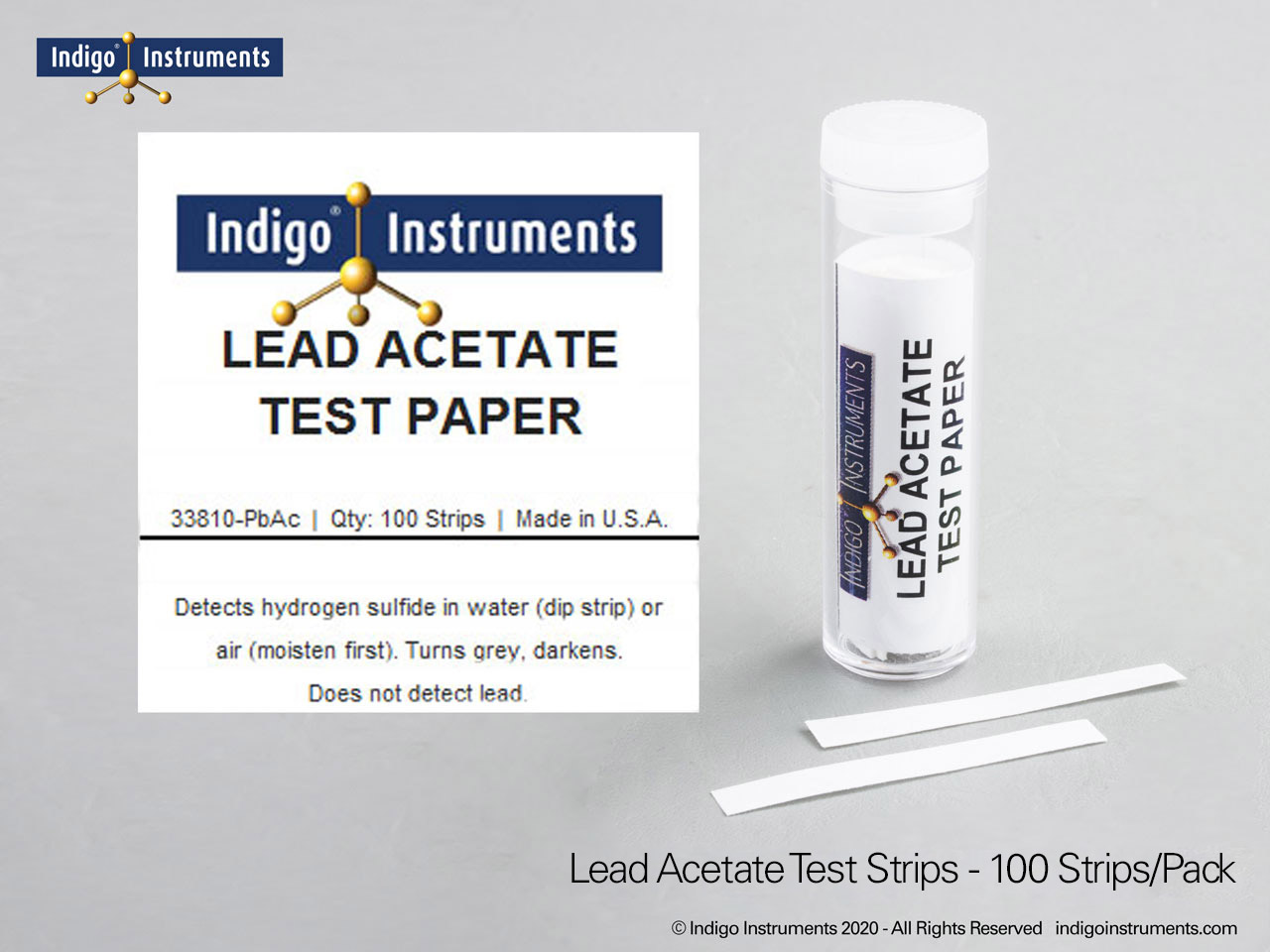
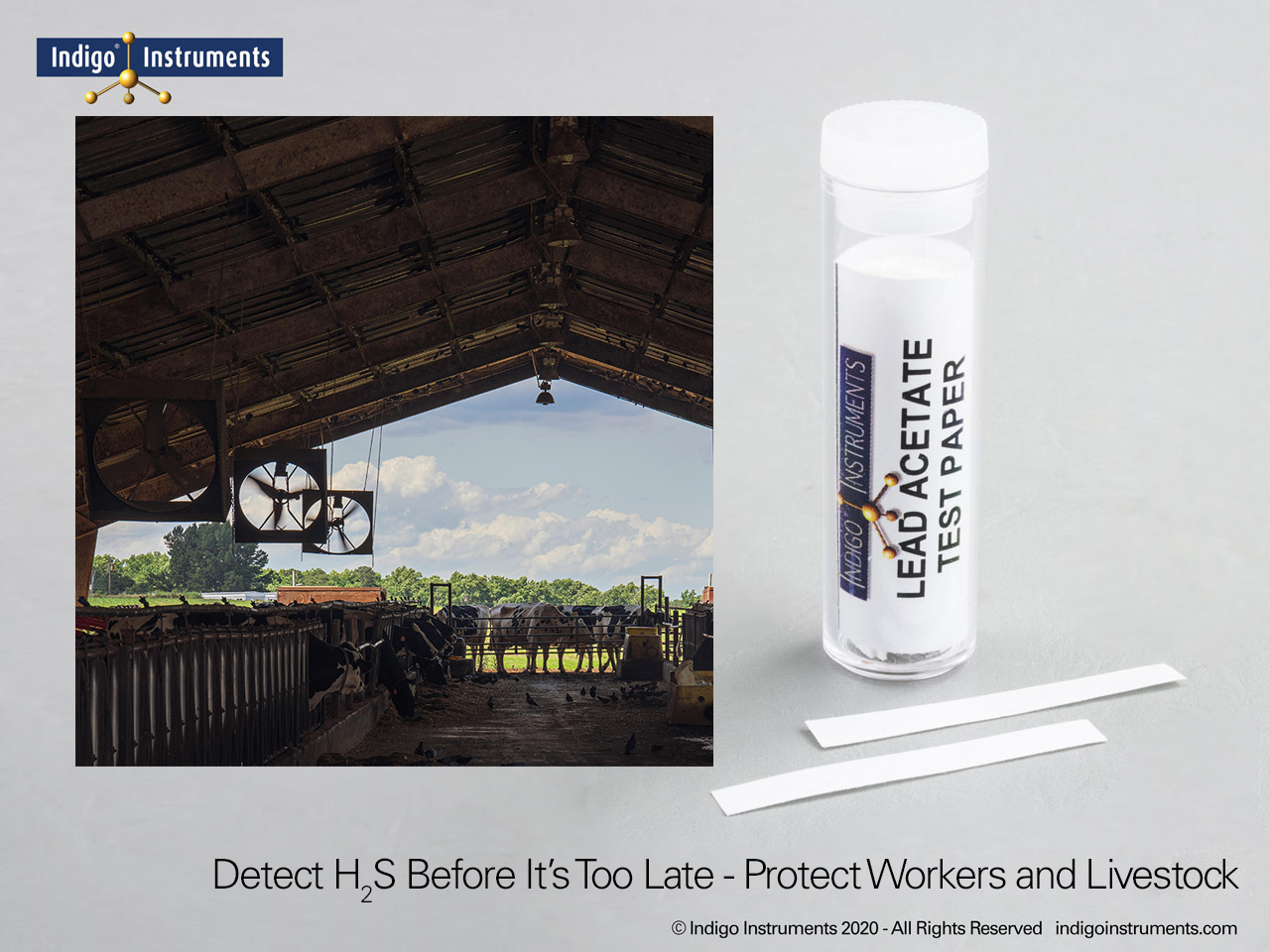
Detect hydrogen sulfide gas in barns, manure pits, and silos. Indigo® Lead acetate test paper provides an early visual warning of toxic H2S buildup to help protect workers and livestock

Hydrogen sulfide (H2S) gas is a silent, deadly hazard in barns, manure pits, and silos where organic waste decomposes under anaerobic conditions. Even low concentrations can cause eye irritation or respiratory distress, while higher levels can be fatal within minutes. Indigo® lead acetate test paper offers a simple, low-cost method for detecting dangerous H2S buildup before entering confined agricultural spaces, no electricity, calibration, or meters required.
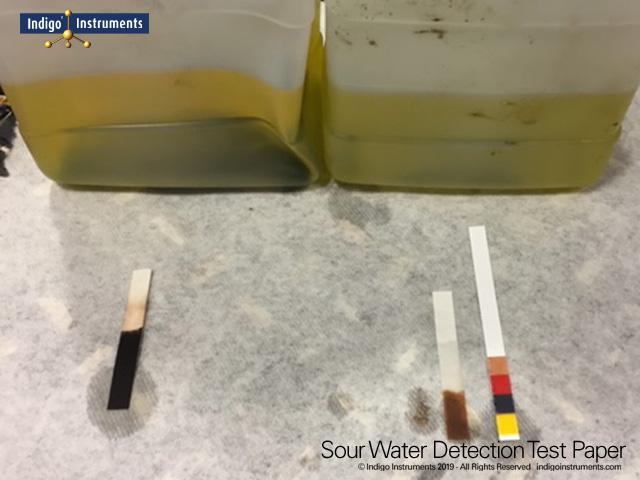
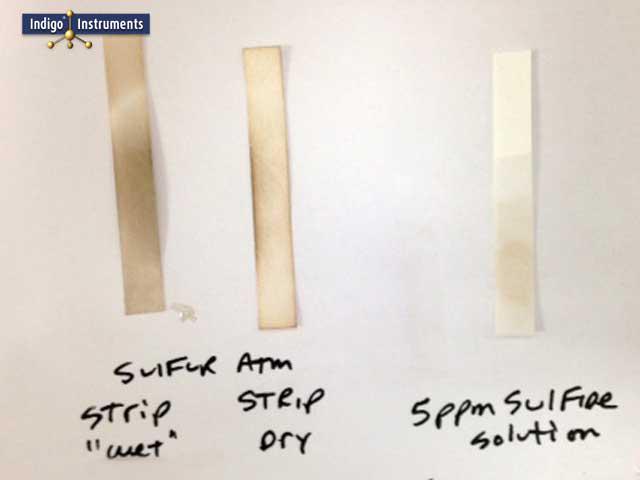
H2S forms naturally during manure storage as sulfate-reducing bacteria break down organic matter. The gas, heavier than air, tends to accumulate near the floor of pits or tanks. When exposed to H2S, lead acetate test paper darkens from white to brown or black as lead sulfide (PbS) forms. This reaction serves as a fast, visible safety check for agricultural operators, training programs, or emergency responders working around confined-space environments.

Why Testing Matters

  • Identify dangerous H?S concentrations before entering pits or silos.
  • Enhance worker safety training for confined-space entry.
  • Monitor manure management areas during agitation or cleaning.
  • Validate ventilation systems and odor mitigation strategies.

Government Regulations & Compliance

  • OSHA 29 CFR 1910.146 defines confined-space entry procedures, including pre-entry atmospheric testing.
  • NIOSH designates H2S as immediately dangerous to life and health (IDLH) at 100 ppm.
  • Agricultural Safety Programs (e.g., U.S. Extension Services, Canadian AgSafe) recommend field checks and portable indicators before entry.
  • Lead acetate paper can supplement or verify electronic gas monitors in training or non-powered locations.
Details

Best Practices

Best Practice Benefit
Attach test paper to pole or stick for pre-entry checks Detects gas presence from a safe distance
Use in combination with mechanical ventilation Confirms air circulation effectiveness
Train workers to recognize blackening as warning sign Improves safety awareness and response
Replace strips regularly in damp environments Ensures continued reliability and sensitivity


Discipline Learning Outcome
Agricultural Safety Recognize sources and risks of H2S in confined animal housing and manure pits
Chemistry Understand lead acetate’s reaction with hydrogen sulfide forming lead sulfide (PbS)
Environmental Science Assess microbial decomposition processes that release reduced sulfur gases
Related information or images
Specifications
  • The number of strips (100) per bag is approximate.
  • Shelf life is 3 years but if bag is properly sealed, they should be good for a minimum of 5 years or more.
Documentation

Test Strip Documentation

Stability Statement Certificate of Analysis SDS
Indigo Lead acetate test strips Stability Statement Indigo Lead acetate test strips Certificate of Analysis Indigo Lead acetate test strips SDS
Reviews (2)
2020-12-02
Exactly what I ordered.
— Randy
2017-01-16

The test strips from Indigo are top notch. They are always competitively priced and shipped on time. The best part of dealing with Indigo is that they stay on top of their products. We had a bad batch of strips arrive in the past but before we could figure it out the hard way, Indigo had identified the issue and had a replacement order already in the mail to us. Pretty hard to beat that kind of customer service.

— Mike Shields
— Indigo:

Thanks for the kind words & great review. We knew how important these strips were to your business & we happy to nip it in the bud!

Review This Product Now!


Frequently Asked Questions

FAQ for Hydrogen Sulfide Farm Safety Test Strips

Visible darkening may occur within seconds to minutes depending on concentration and humidity.

No. It provides a quick visual warning but not quantitative readings — ideal for training, low-power, or preliminary screening.

Extremely high H2S levels, you must leave the area immediately and ventilate before re-entry.