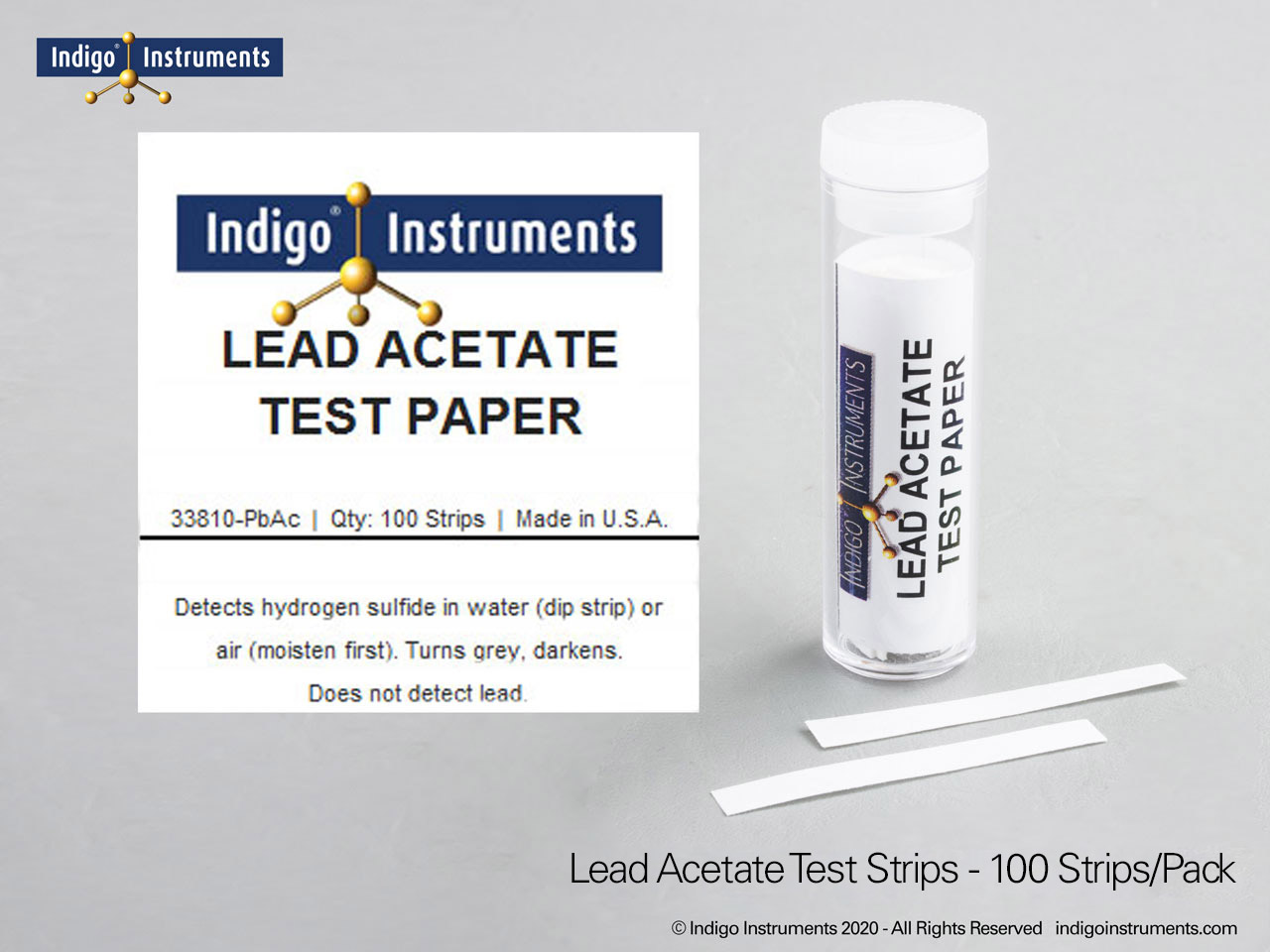
Use Indigo® lead acetate paper to detect hydrogen sulfide leaks in wastewater, sewers, and biogas systems, a simple, rapid, and reliable field test.
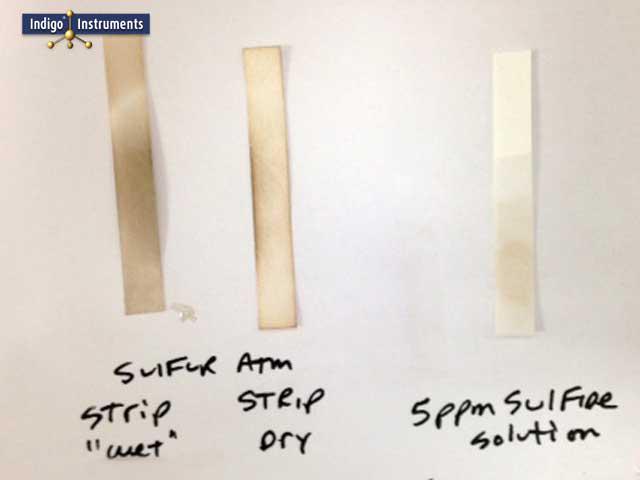
Lead acetate test paper offers a fast and inexpensive way to detect hydrogen sulfide (H2S) leaks in wastewater treatment, biogas production, and sewer systems. Even trace H2S levels can corrode equipment and create serious health hazards. When exposed to H2S, the paper darkens as lead sulfide forms, allowing visual identification of gas leaks or anaerobic activity points.
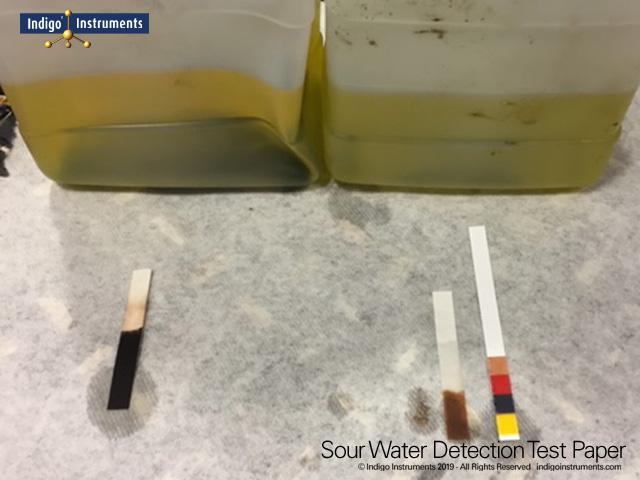
Hydrogen sulfide leak detection is essential for maintaining safe and efficient wastewater H2S testing and biogas corrosion control programs. Operators can use lead acetate paper H2S test strips as a simple first line of defense before more advanced monitoring tools are deployed. In sewer gas monitoring, H2S concentrations may fluctuate rapidly, and these paper tests help identify problem zones where anaerobic bacteria are actively producing gas. Whether used around digesters, sludge tanks, or collection systems, these tests provide fast visual feedback that supports broader corrosion and odor management strategies. Why Testing Matters
Early hydrogen sulfide detection helps prevent corrosion of pumps, ducts, and gas lines while reducing health and odor hazards. Because H?S is toxic at low concentrations, a visible blackening of lead acetate paper offers immediate warning, even before gas monitors respond. In wastewater plants and biogas facilities, this early alert supports process control, improves air quality, and minimizes maintenance downtime.
Testing aligns with OSHA and CSA confined space safety standards, which emphasize identifying toxic gases before entry. Municipalities and wastewater utilities also follow EPA Method 11 and ASTM D5504 protocols for H?S in air and gas streams. While these papers do not replace quantitative instruments, they are valuable for qualitative field screening under recognized industrial hygiene procedures.
| Objective | Recommended Best Practice |
|---|---|
| Leak pinpointing | Hold strip near joints, seals, or vents to locate odorless or early-stage H2S emissions. |
| System monitoring | Use periodically during digester startup or wastewater aeration shutdowns. |
| Personal safety | Always conduct testing in ventilated areas; use respirators if H2S odor is evident. |
| Data recording | Photograph darkened strips to document suspected leak sources over time. |
| Concept | Key Takeaway |
|---|---|
| H2S formation | Produced by microbial sulfate reduction under anaerobic conditions. |
| Lead acetate reaction | H2S reacts with lead acetate to form black lead sulfide (PbS). |
| Safety relevance | Early detection reduces risk of corrosion, toxicity, and odor complaints. |
| Environmental monitoring | Provides visual, low-cost confirmation of gas leaks or process upsets. |
The test strips from Indigo are top notch. They are always competitively priced and shipped on time. The best part of dealing with Indigo is that they stay on top of their products. We had a bad batch of strips arrive in the past but before we could figure it out the hard way, Indigo had identified the issue and had a replacement order already in the mail to us. Pretty hard to beat that kind of customer service.
The simplest method is to wet a lead acetate test paper & hold it near the suspected source of H2S. The strip should change color at levels as low as 3ppm.
Thanks for the kind words & great review. We knew how important these strips were to your business & we happy to nip it in the bud!