| Displaying 1 to 6 (of 6 products) |
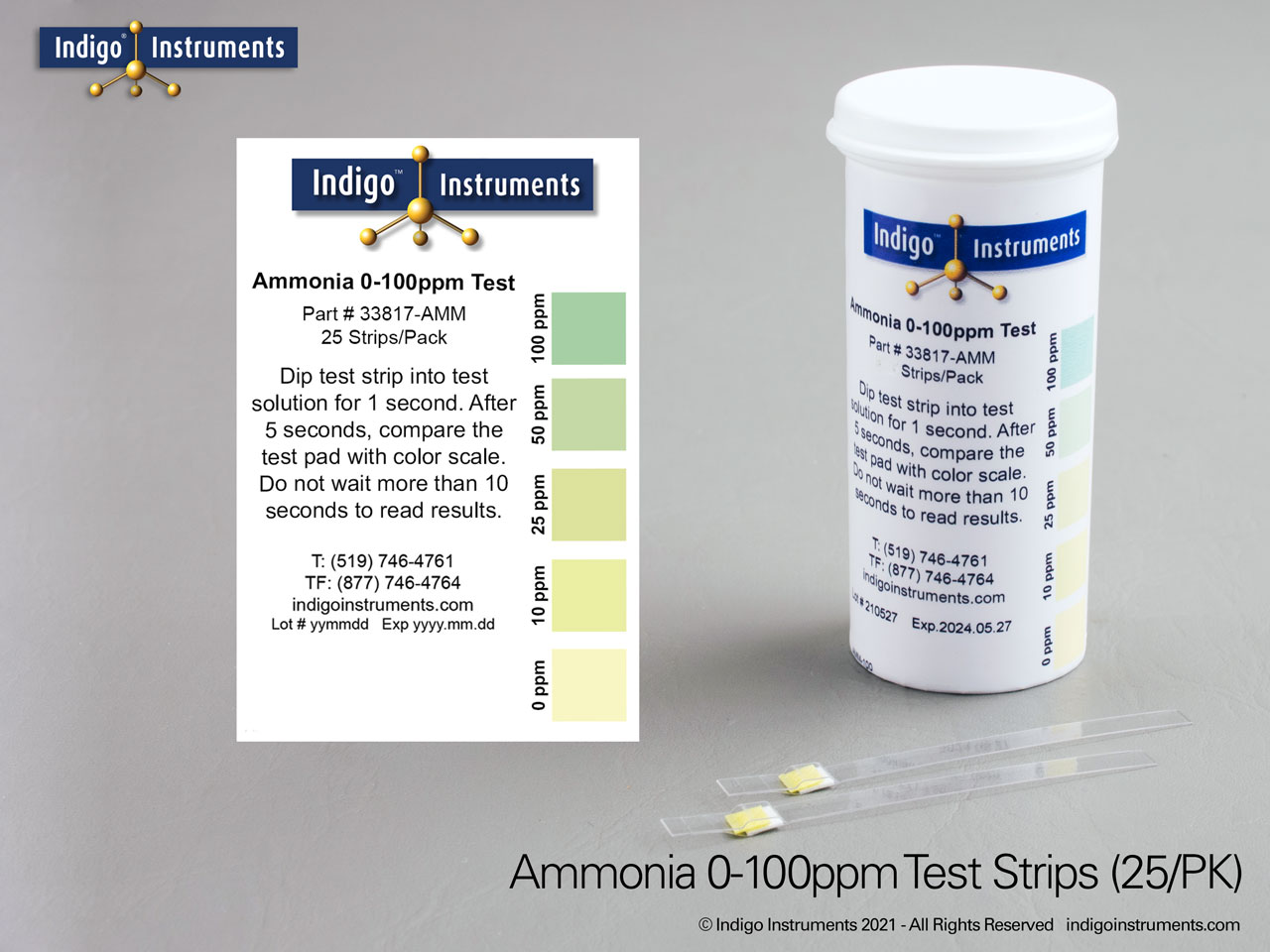
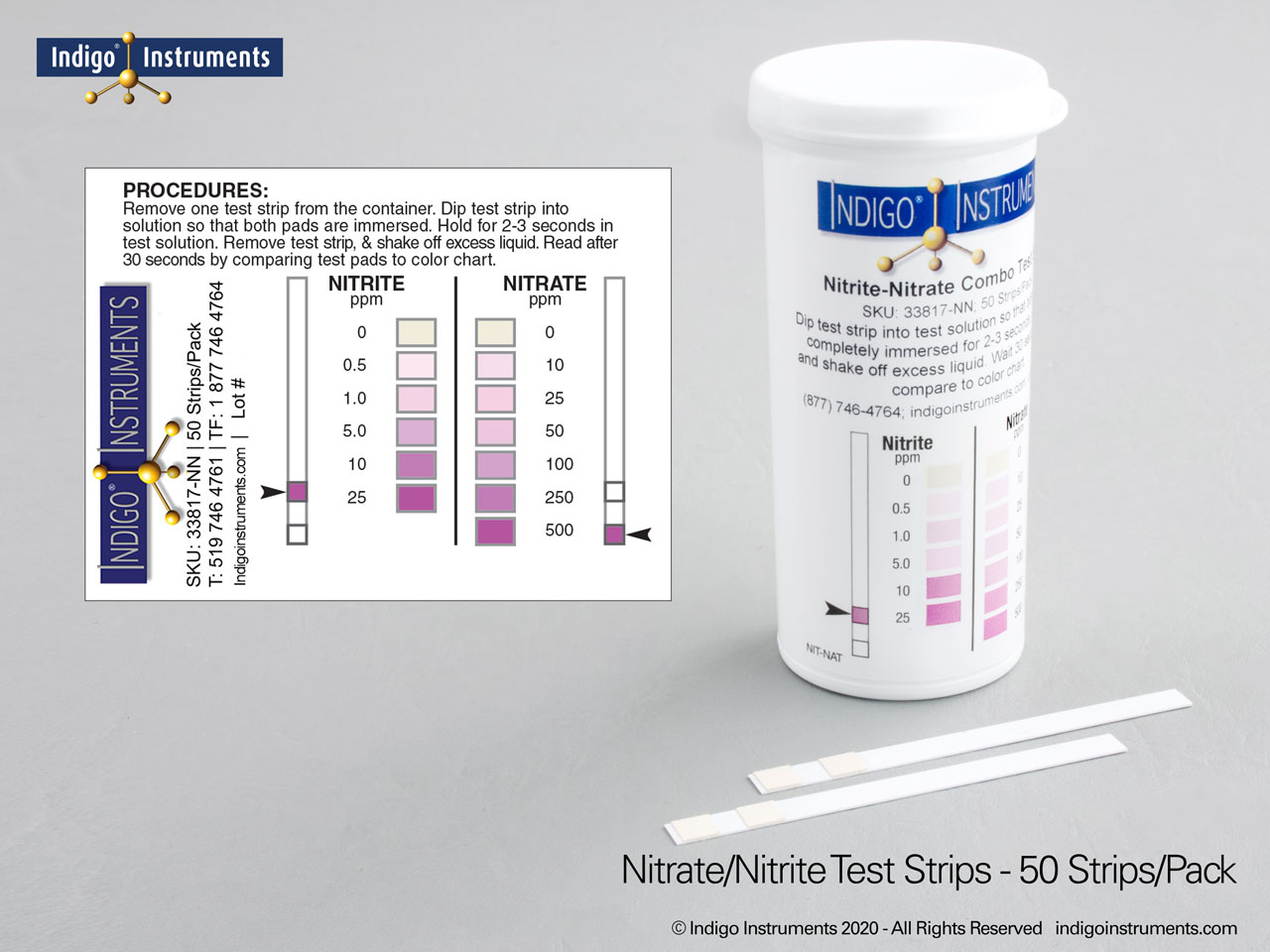
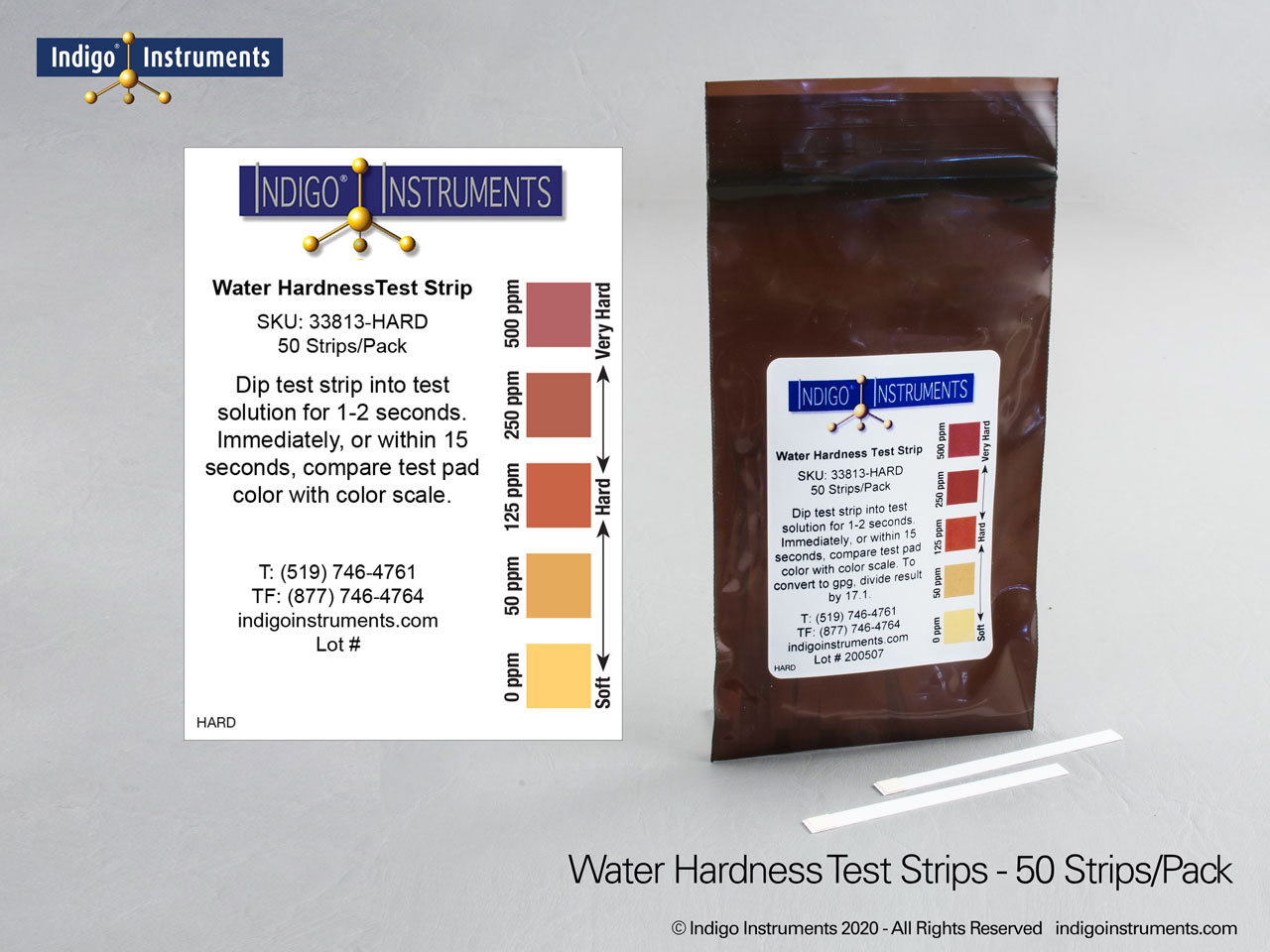
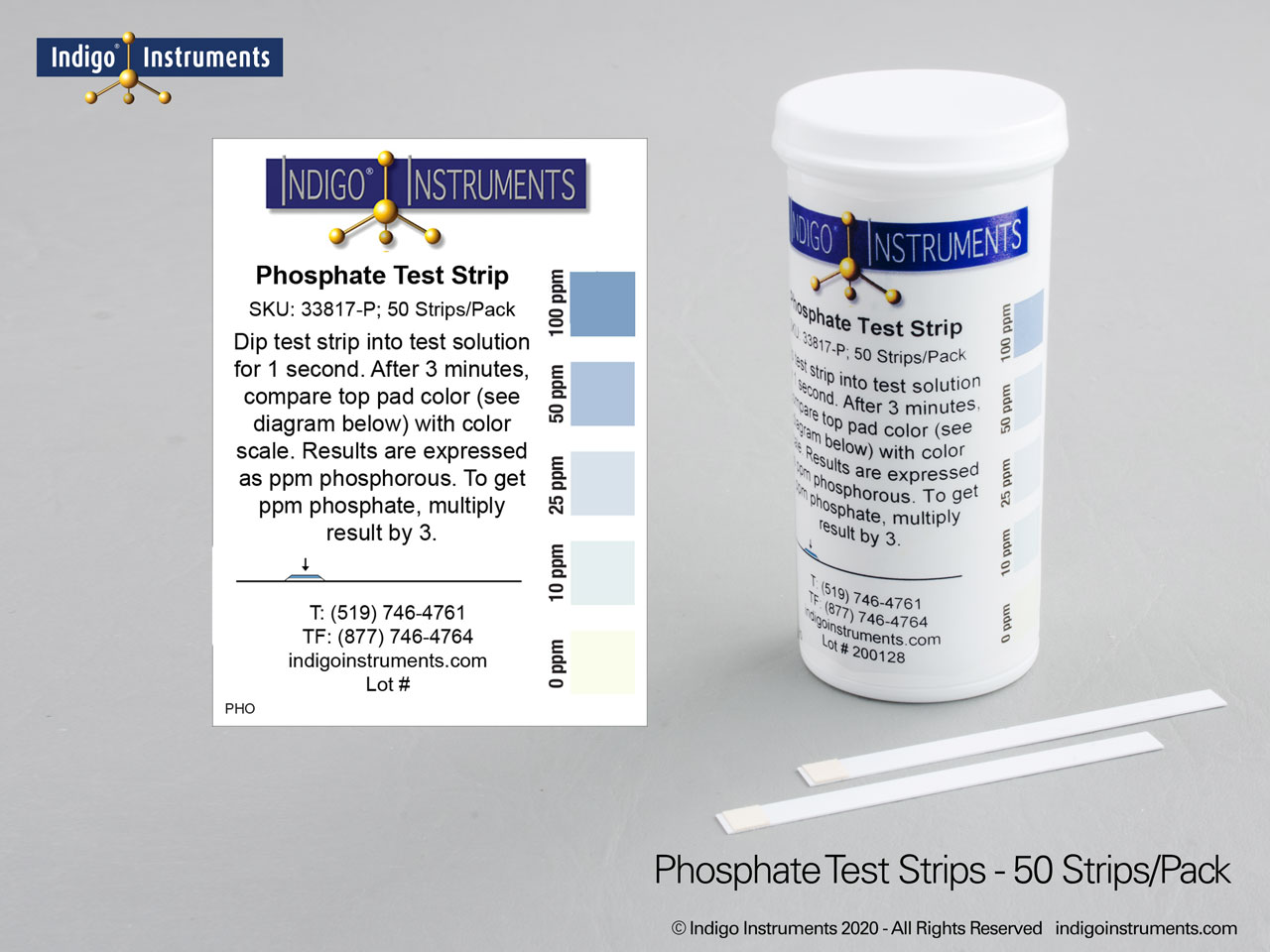
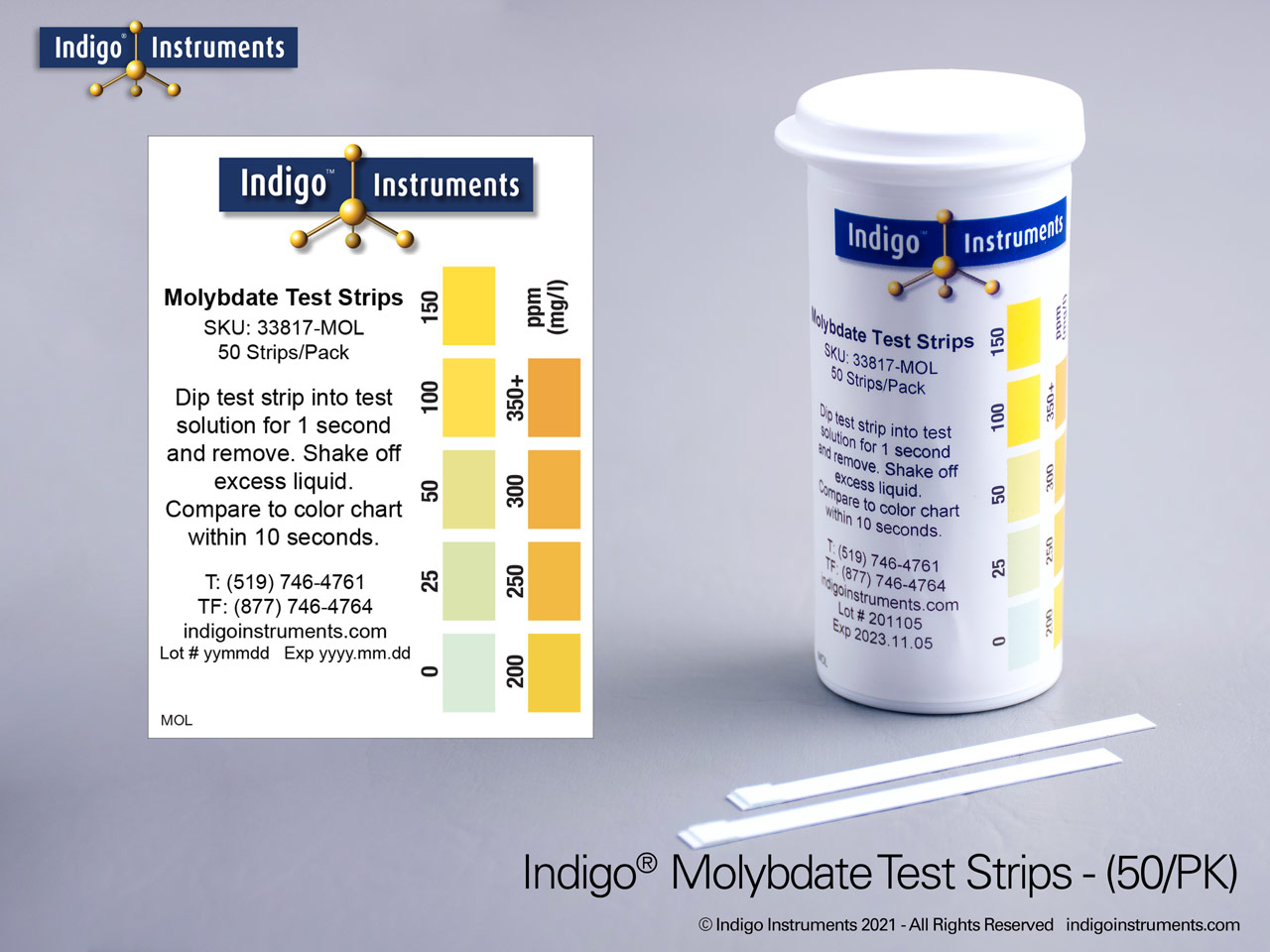
Instant water testing for ammonia, phosphate, hardness, molybdate, and more. Indigo® test strips deliver lab insight in seconds & are accurate, fast, and affordable.
All come with a guaranteed 3 year minimum shelf life & full documentation including a Stability Statement, Certificate of Analysis & SDS. Optional next day delivery in any quantity of most items.
Buy Indigo® water quality test strips, the brand you can trust for accuracy & technical support. Call us on our toll free line for immediate assistance or e-mail us with your questions. 1 hour response is typical during business hours, M-F, slightly longer on weekends.
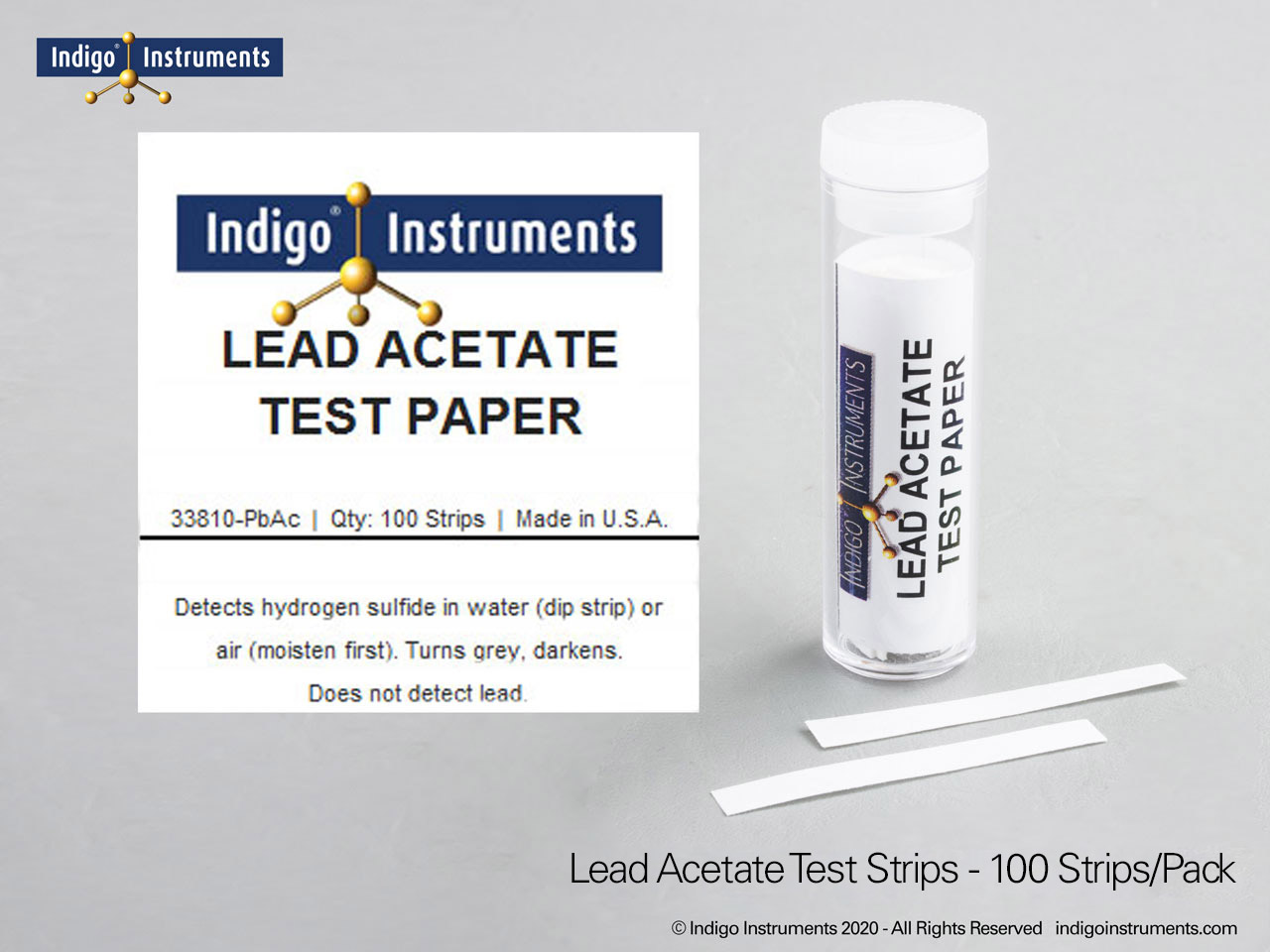
Indigo Instruments’ water quality test strips provide fast, reliable results across a wide range of applications; from wastewater and hydroponics to aquariums, cooling towers, and classroom demonstrations. Each test delivers clear, immediate readings with no glassware or reagents required. Choose from test strips for ammonia, phosphate, hardness, molybdate & lead acetate to monitor nutrients, metals, and oxidizers in just seconds.
These strips offer a rapid colorimetric method for on-site screening, complementing or replacing laboratory analysis for many day-to-day needs. While spectrophotometric or titrimetric tests can achieve higher precision, Indigo test strips offer unmatched speed, simplicity, and safety; making them ideal for field checks, student labs, and process control. Test strips cover the more important ppm ranges, with clear visual indicators suitable for semi-quantitative measurement.
See Leak Detection for water sensitive test sheets that can be used to locate leaks in roofs, appliances, etc.
| Displaying 1 to 6 (of 6 products) |
Indigo® test papers and strips provide rapid qualitative screening of liquids, solids, and air for a wide range of analytes. While liquid-phase indicators (e.g., chlorine, pH, nitrate) can often be matched to a calibrated color chart, others, such as lead acetate for hydrogen sulfide detection, are purely qualitative, showing visible darkening over time. This comparison summarizes the best practices for accurate, reproducible use in different sample types and highlights the subjective nature of evaluating color intensity when no reference chart is available.
| Sample Type | Test Method | Evaluation of Results | Recommended Practices |
|---|---|---|---|
| Liquids | Dip strip directly into sample for 1-2 seconds, then remove and allow to react in air. | Observe color change or darkening over the specified time. Qualitative strips such as PbAc may show gradual darkening. | Use consistent lighting. Photograph results promptly to capture timing and shade for recordkeeping. |
| Solids | Moisten strip with distilled water, press gently onto or near the solid surface. | Reaction depends on gas or ion release. For sulfides, localized blackening indicates presence of H2S or related compounds. | Ensure even wetting. Avoid contamination from metal tools. Capture image if result is faint or time-dependent. |
| Air/Gas | Expose strip to suspected airspace or enclose in sampling bag for several minutes. | Qualitative darkening over time signals presence of reactive vapors (e.g., H2S, SO2). Response rate depends on concentration. | Record exposure duration. Compare results from multiple locations. Photograph endpoint color for reference. |
Because many test strips, especially lead acetate papers lack a quantitative color chart, photographic documentation provides the only reliable record of test outcomes.
| Test Type | Value of Photo Documentation | Why It Helps |
|---|---|---|
| Qualitative (e.g., PbAc, sulfide paper) | Essential | Only way to record gradation, reaction time, or confirm presence/absence without numerical data. |
| Semi-quantitative (e.g., free chlorine, peroxide, pH range) | Recommended | Supports consistent interpretation, mitigates color bias, allows visual comparison under fixed lighting. |
| Quantitative (instrument-read methods) | Optional | Provides traceability for QA/QC though not essential since data are numeric. |