Black Coffee Acid pH Testing Strips
SKU: 33811-4510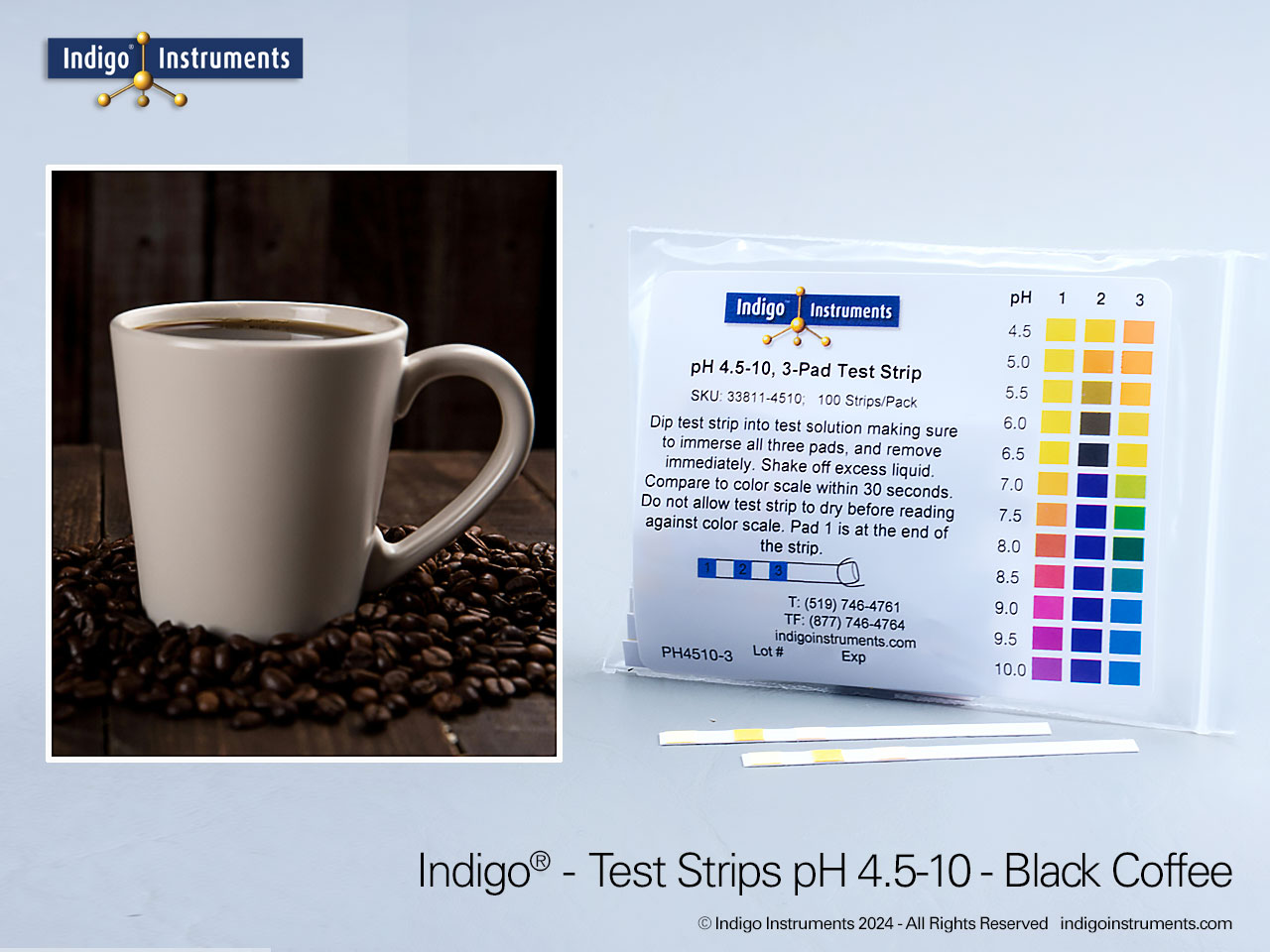
The pH of black coffee is slightly acidic but the ideal level is a matter of personal taste. It is this acidity which gives coffee its "brightness" and flavor characteristics such as fruitiness or citrus.
At a lower, acidic pH, coffee yields more vibrant flavors as found in light roasts which accentuate its natural acids. At higher, close to neutral pH 7.0, taste can be smoother with a more mellow or rounded flavor.
The ideal pH for most people tends to fall between 4.9 & 5.1 range. At this pH level, coffee's natural acidity is maintained while limiting harshness & providing a favorable flavor profile.
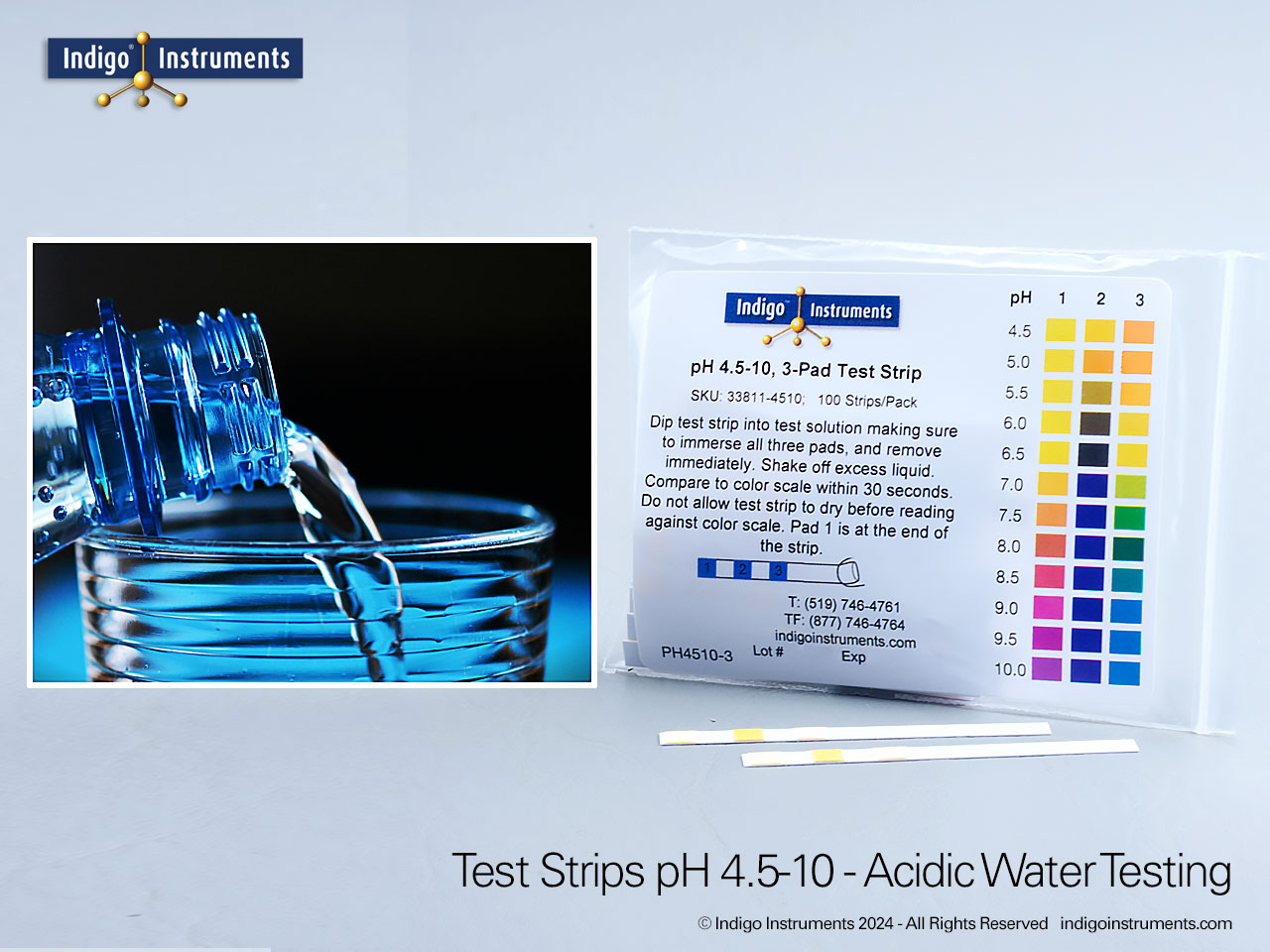
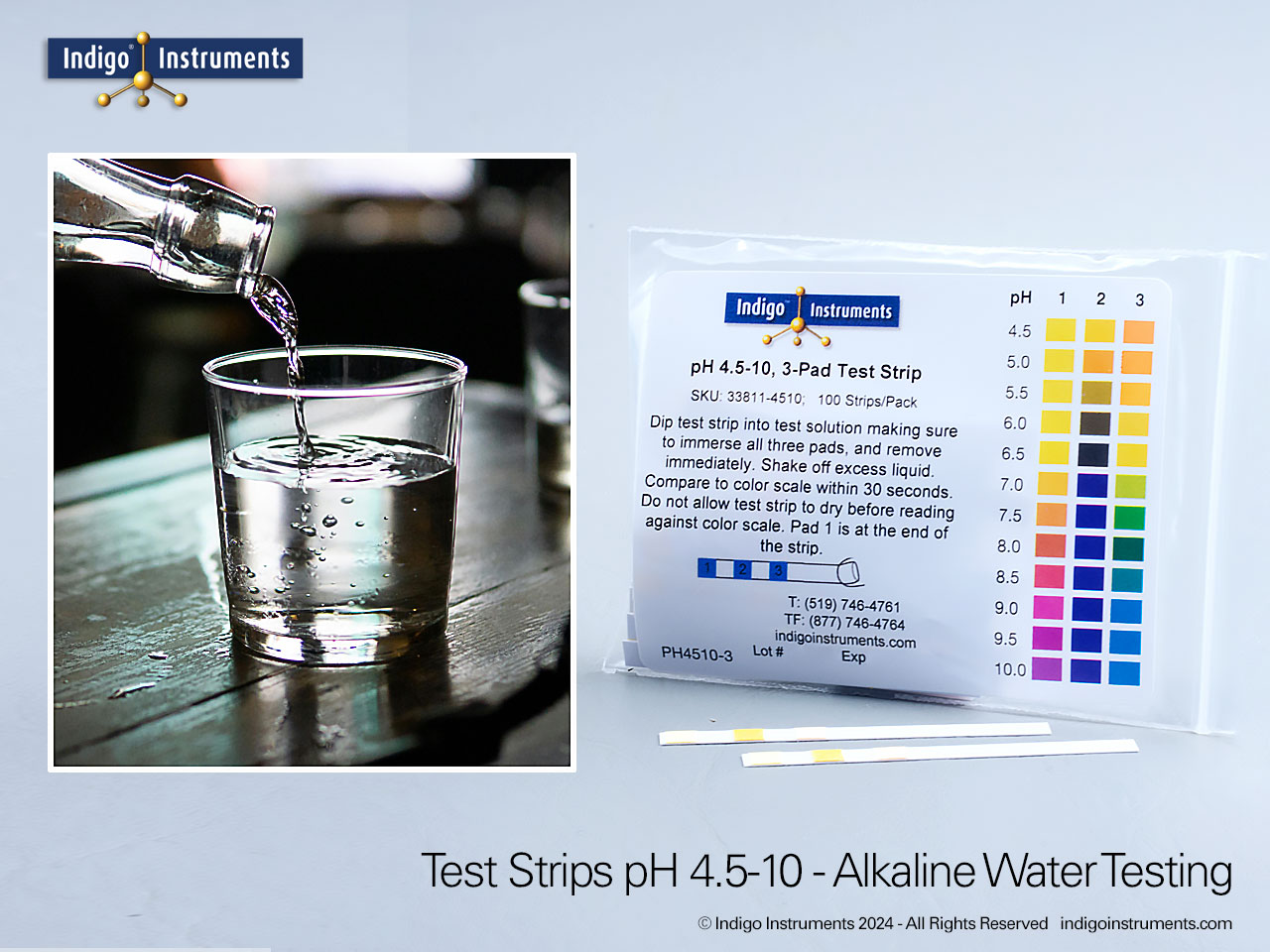
As a general rule, light roasts tend to be more acidic (lower pH) than dark since the roasting process breaks down some of the natural acids. Cold brews also tend towards higher pH (less acidic), while espresso and drip coffees are more acidic. The pH of the water used for brewing can also influence the final pH. Freshly distilled water is at neutral or pH 7 while water exposed to air can dip to pH 5.7. These strips can also test water pH; see Related Images below.
Acidity is an essential component of flavor science & impacts rich textures and flavors. Follow these guidelines if you want to manage your coffee's acidity:
- For lower acidity coffee, opt for: darker roasts
- Cold brew methods as well as adding milk or cream, can neutralize some of the acid
- For brighter, >acidic coffee, choose light or medium roasts, use espresso or drip brewing methods.
As matter of interest, prolonged exposure to acid can adversely affect your teeth. Dentin dissolves below 6.50 while enamel dissolves below 5.50. So, adding milk or cream to your coffee may have some dental benefits.
Some coffee aficionados relate acidity and a sparkling sensation with high-quality, high altitude grown coffee. Many highly-prized coffees are in fact grown at high elevation which correlates with their bright, nuanced qualities.
Some coffee drinkers prefer “low-acid” coffees without adding antacid compounds or excessive dark roasting. It's better to find lower altitude grown coffees with natural low acidity that can be roasted that develops the sugars without burning them.”
Buy Indigo® pH test strips for reliable acid-base measurements. All come with a Certificate of Analysis, Stability & SDS documents listed below; Certificate of Conformance on request & a 3 year minimum guaranteed shelf life. See: Test Strip Expiration Dates: Good Today, Dead Tomorrow?.
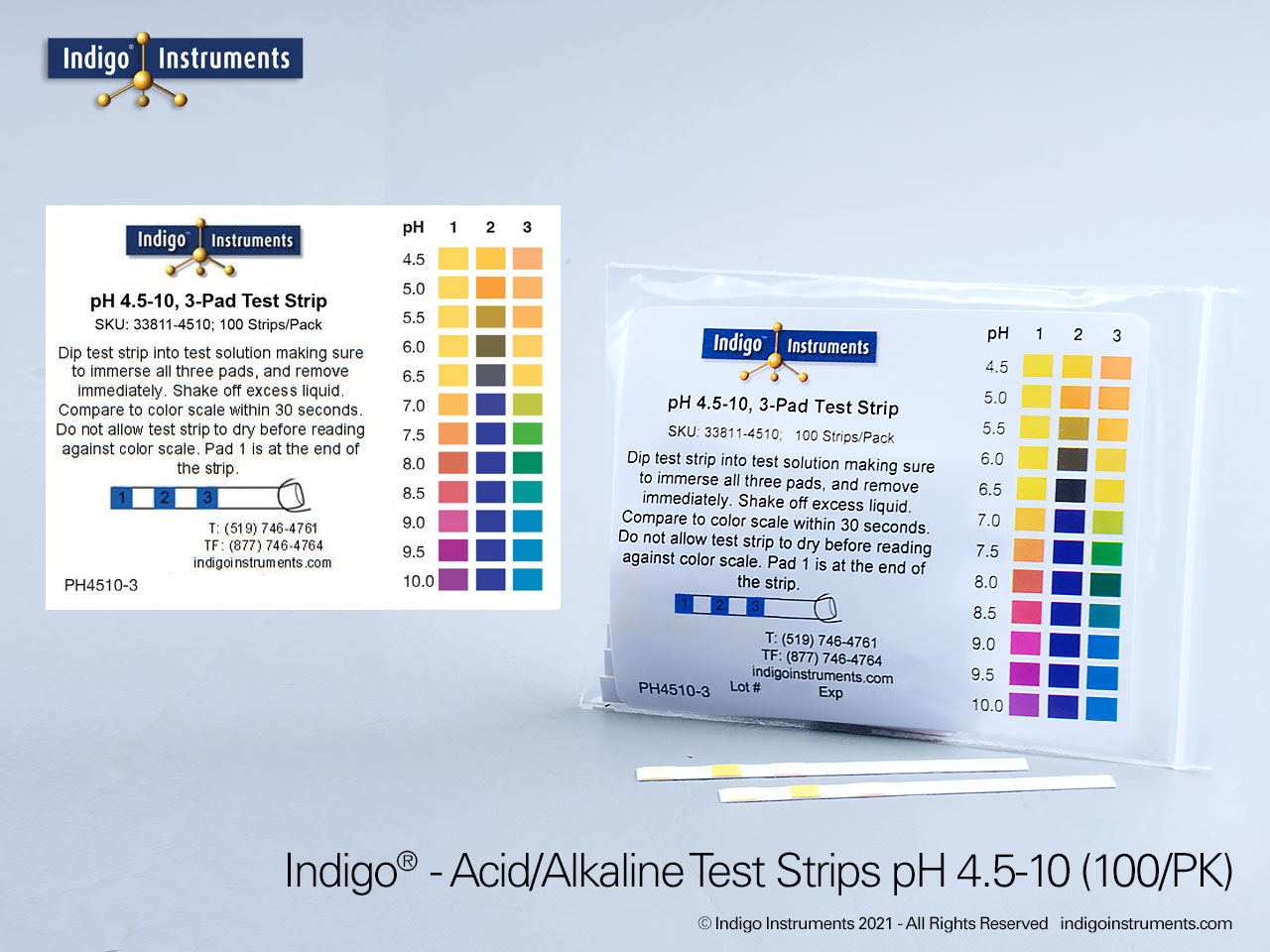

Thanks for your review and continued support. The packaging was changed by the manufacturer at end of 2021 to allow increased protection, quicker dispensing of strips and allow the new label layout to be utilized.