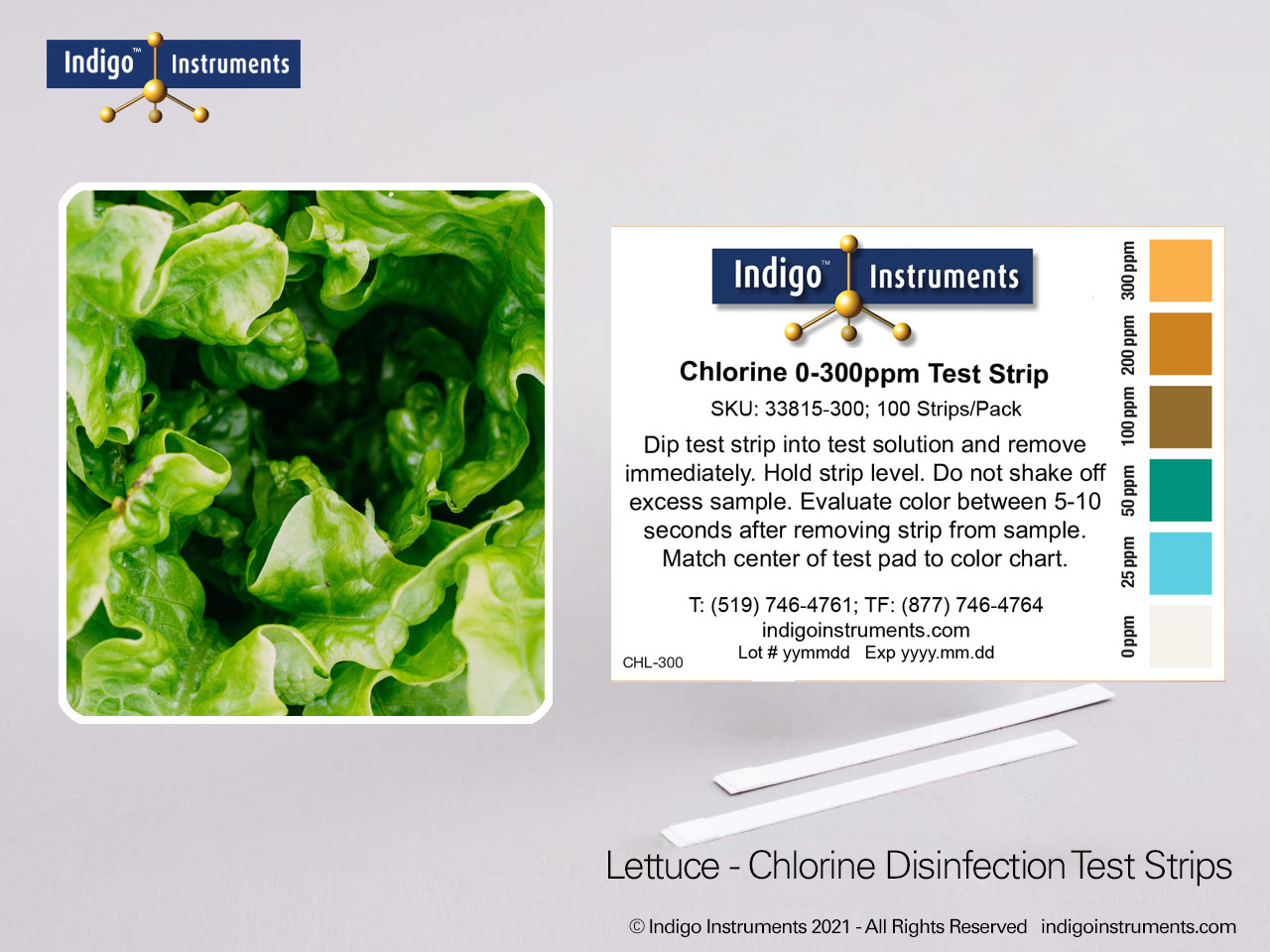
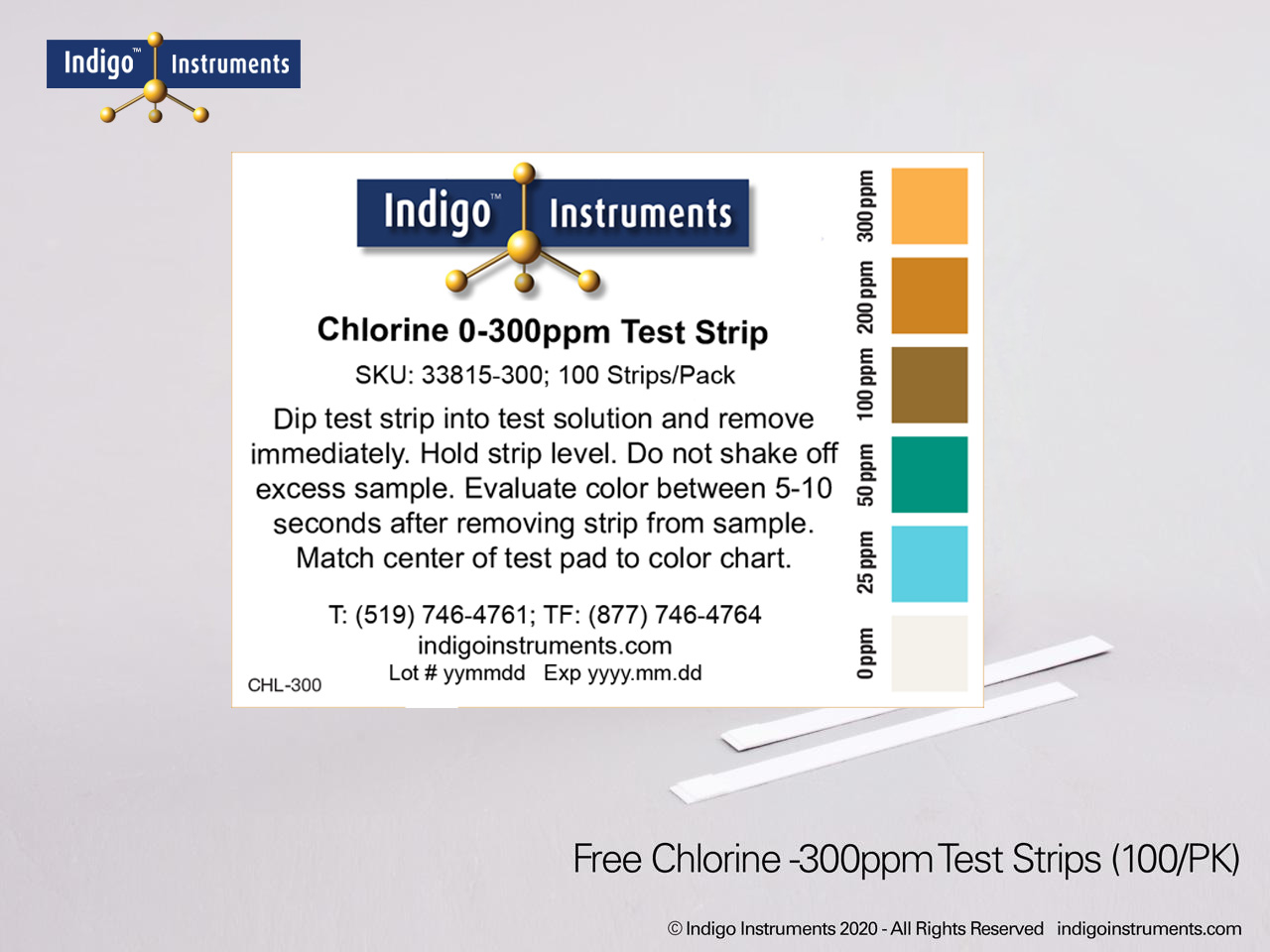
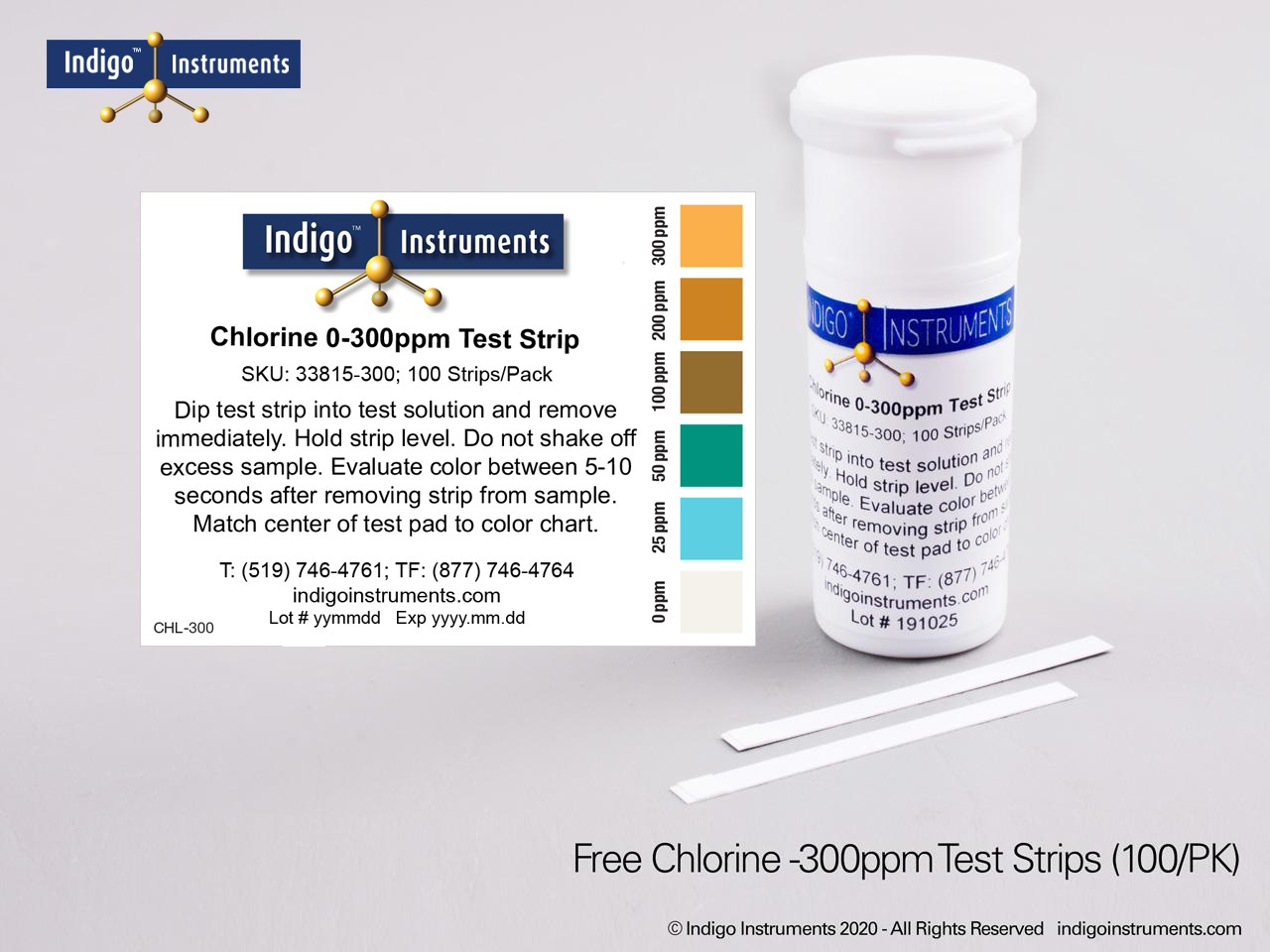
Maintain lettuce wash water safety with 0–300 ppm chlorine test strips. Verify sanitizer levels, adjust for pH, and ensure HACCP compliance. Essential for growers, packers, food safety auditors, and regulatory inspections.
Ensure safe lettuce wash water sanitation with 0–300 ppm chlorine test strips to verify chlorine sanitizer levels. This is of concern to lettuce growers, packers, HACCP coordinators, and food safety auditors who must prevent pathogen contamination during harvest and processing. Lettuce has a high risk of microbial contamination due to its field exposure and delicate structure. Regular testing of both chlorine and pH ensures effective sanitation while maintaining compliance with food safety regulations.
Buy Indigo® 300ppm available chlorine test strips to ensure your freshly harvested lettuce is free from pathogenic bacteria and viruses, only $12.50 /100 strips; buy more & save with our extended shelf life-discounts start at 2!
Lettuce is particularly vulnerable to pathogen contamination because it is consumed raw and has a large surface area that traps soil, organic debris, and irrigation water. Outbreaks of E. coli O157:H7, Salmonella, and Listeria monocytogenes linked to leafy greens have led to stricter sanitation requirements across the produce industry. To mitigate these risks, chlorine-based sanitizers are widely used in dump tanks, flumes, and spray wash systems.
50–200 ppm free chlorine is generally recommended in lettuce wash water for effective pathogen control. Under high organic load conditions (leaf fragments, soil, field debris), chlorine is rapidly consumed, so concentrations of 200–300 ppm may be required to maintain efficacy. Frequent testing is critical because sanitizer levels can drop quickly as organic matter accumulates.
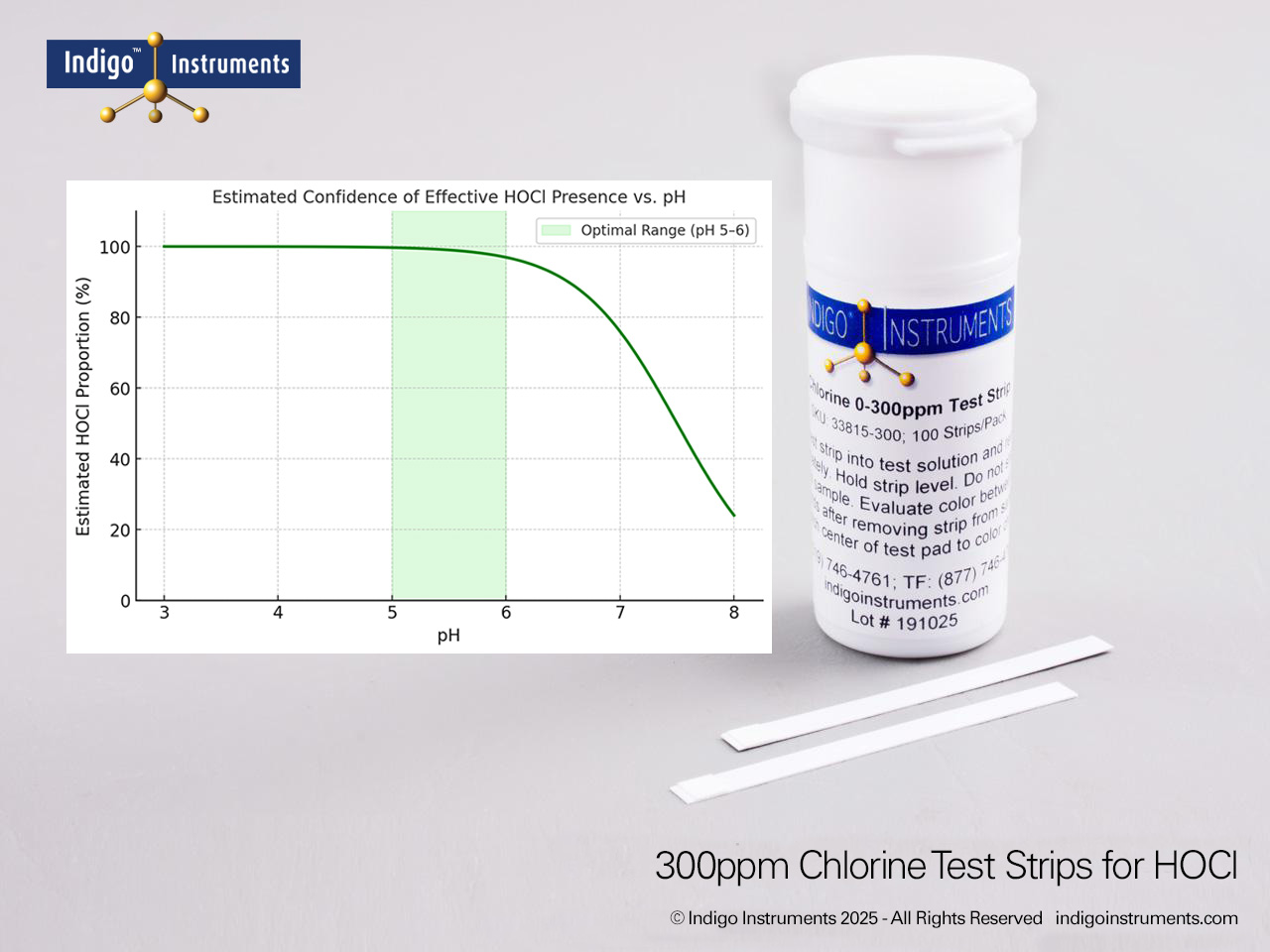
Chlorine’s sanitizing strength depends heavily on a water pH in the optimal range of 6.5–7.5 for maximum hypochlorous acid (HOCl) activity. At higher pH (>8.0), sanitizer effectiveness declines dramatically even if free chlorine readings remain high. Compliance programs and auditors expect records of both chlorine and pH testing as part of HACCP monitoring.
Regulatory frameworks (e.g., FDA’s FSMA Produce Safety Rule, CFIA produce safety standards, USDA GAP audits) require monitoring of both chlorine levels and pH in produce wash water. Discharge water may also be subject to local environmental regulations to protect waterways from excess chlorine. Clear records of sanitizer testing demonstrate compliance, reduce audit risk, and support safe, market-ready lettuce.
All Indigo® chlorine bleach (sodium hypochlorite) test strips have a 3 year minimum guaranteed shelf life & come with a Certificate of Analysis, Stability & SDS documents listed below; Certificate of Conformance on request. Be prepared for any health & safety audit or inspection.
NDAA Section 889 form available to Government Purchasers upon request.
Chlorine sanitizer performance depends on pH. Even with the right ppm, water outside the optimal pH range can reduce disinfection effectiveness and fail regulatory audits. For quick, reliable monitoring, see our pH 4.5–10 test strips.
Maintaining pH within 6.0–7.5 is critical for chlorine efficacy. HACCP coordinators and food safety auditors often require documented pH checks in wash tanks and flumes to ensure FSMA/CFIA compliance.
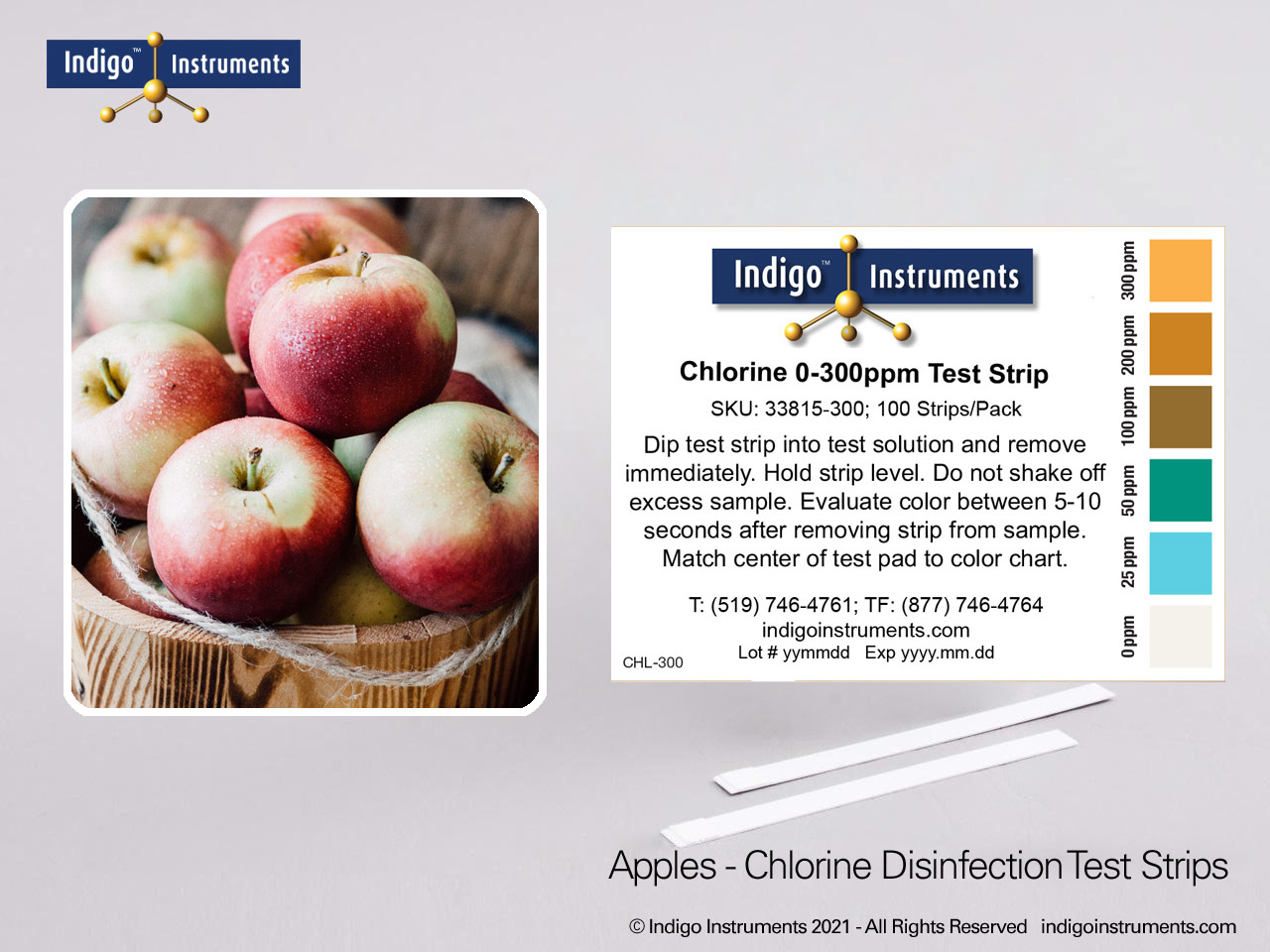
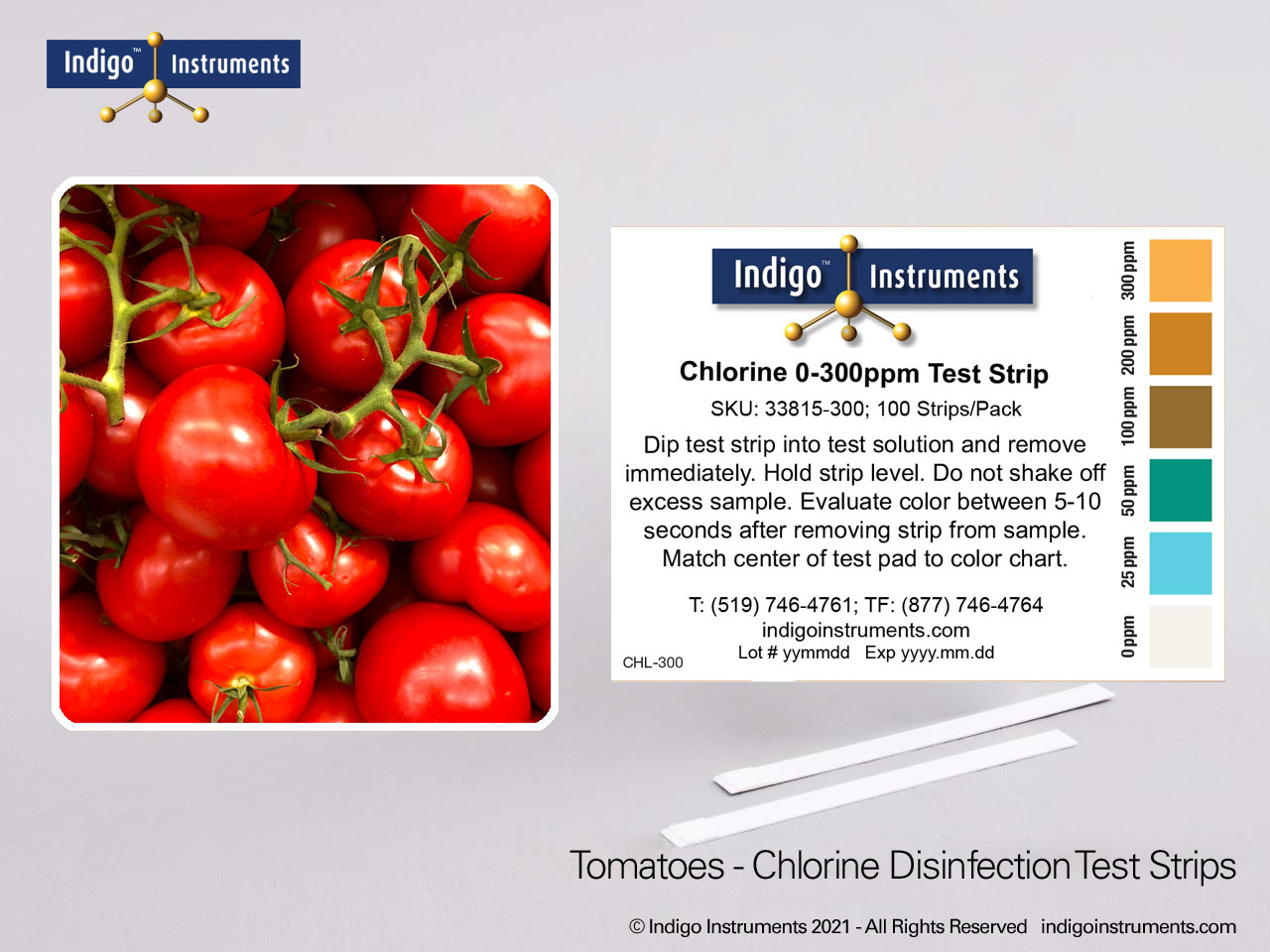
For lettuce, tomatoes, apples, and other crops, a simple pH check keeps chlorine working properly. It’s an easy, low-cost step that helps growers and packers reduce pathogen risk and meet buyer requirements.
See our entire range of Chlorine Test Strips, helpful information and how to use our bleach dilution calculator to prepare any concentration of chlorine bleach disinfectant solutions.
The high chlorine test strips are handy for operators to measure Free Chlorine levels to ensure adequate dosages have been achieved when disinfecting watermains and cleaning storage facilities. They arrived very quickly.
I am glad these are packaged in a container; we have had some in the past packaged in a paper envelope (from another company), which is hard to keep dry. They work just as advertised - the only imperfection for us is that the colors are fairly similar and it can be hard to tell at a glance what the result is. Otherwise, great.
Thanks for the feedback. The packaging for most sanitizer test strips come in special desiccant lined containers which is explained further in: Test Strip Expiration Dates; Good Today, Dead Tomorrow?
Some of the color charts are indeed harder to read than others. Good lighting can help. Fluorescent lighting is not as contrast friendly as natural sunlight or halogen or quartz.
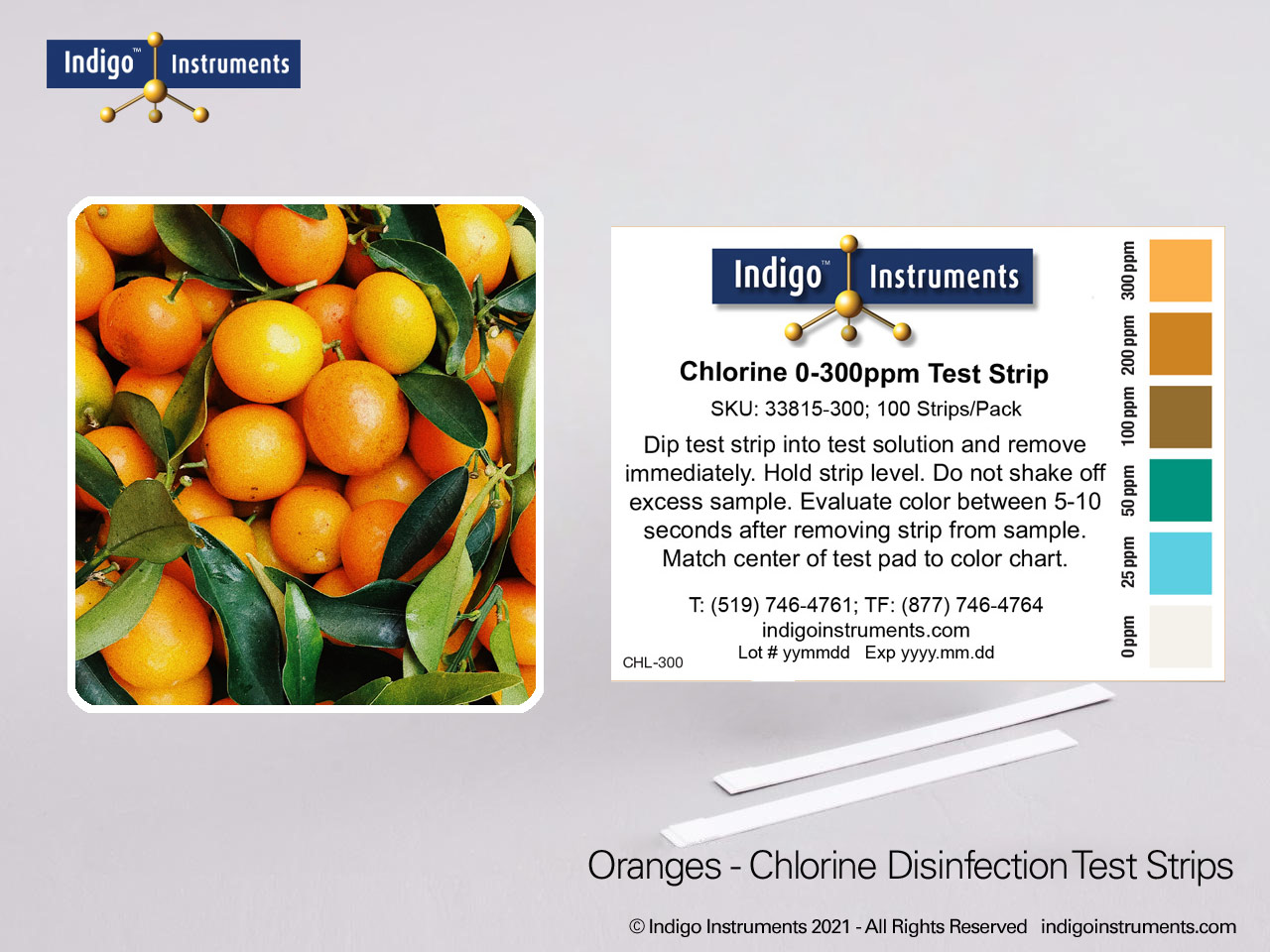
Interesting applications, thanks for the feedback.